Offer & Close in Croatia: Lifestyle-First Strategy
Fall in love with Croatia’s daily rhythms—then make offers that win. Practical, local-first tactics for international buyers including reciprocity checks, offer timing and closing steps.
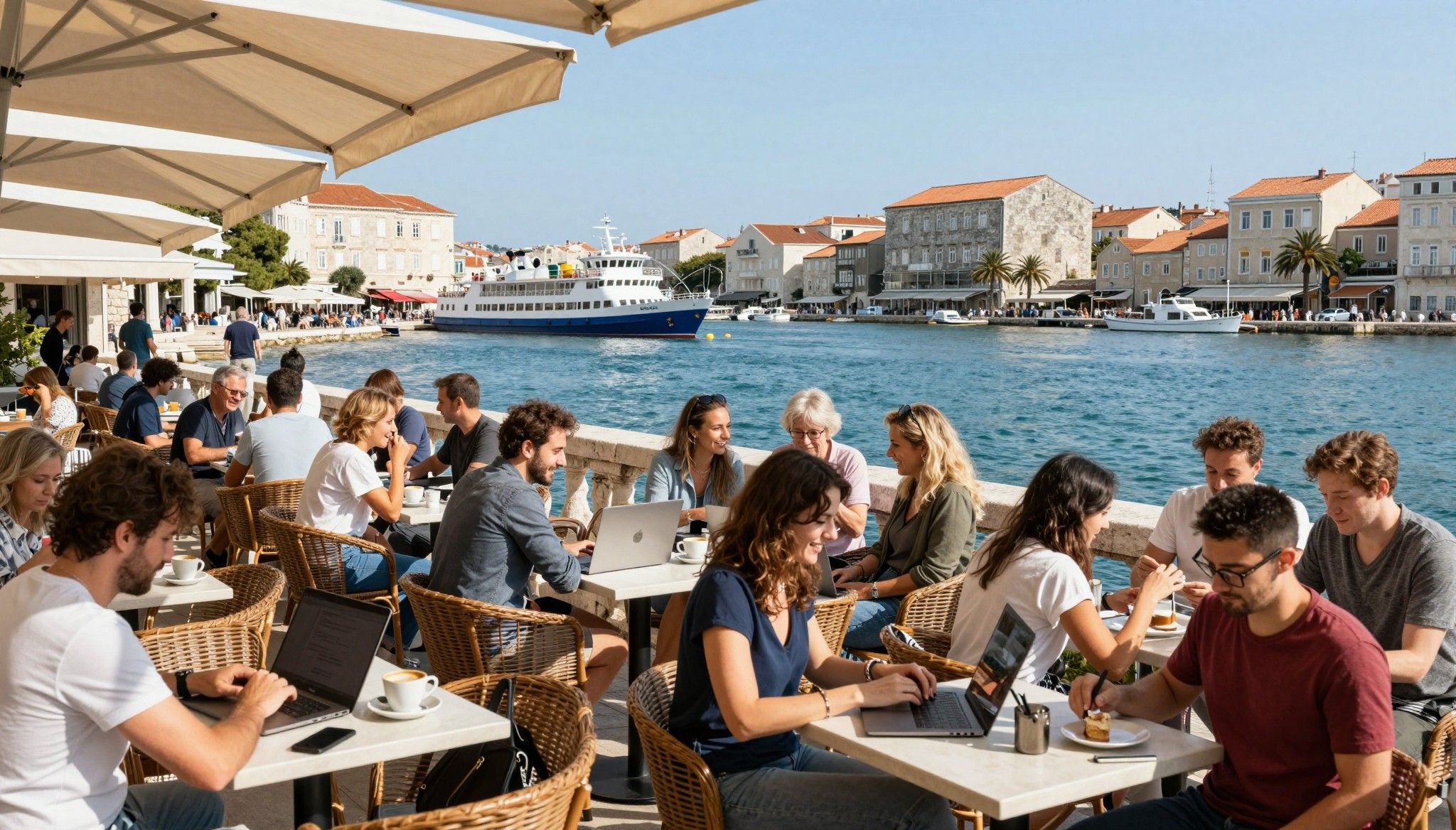
Imagine stepping out of a sun-warmed stone building in Split to buy an espresso, laptop tucked under your arm, then wandering to a waterfront café where digital nomads trade tips about the best coworking spots. Croatia’s coast blends old-world limestone alleys and island beaches with bright, modern cafes and surprisingly decent remote-work infrastructure. But the coastal romance hides a fast-moving market: prices have climbed sharply in recent years, and offers need to be smart, speedy and culturally aware. This guide mixes the love letter—sea breezes, Saturday markets, late-night ćevapi—with the practical offer-and-closing playbook international buyers actually need to win a Croatian home.
Living the Croatia life: what you’ll wake up to
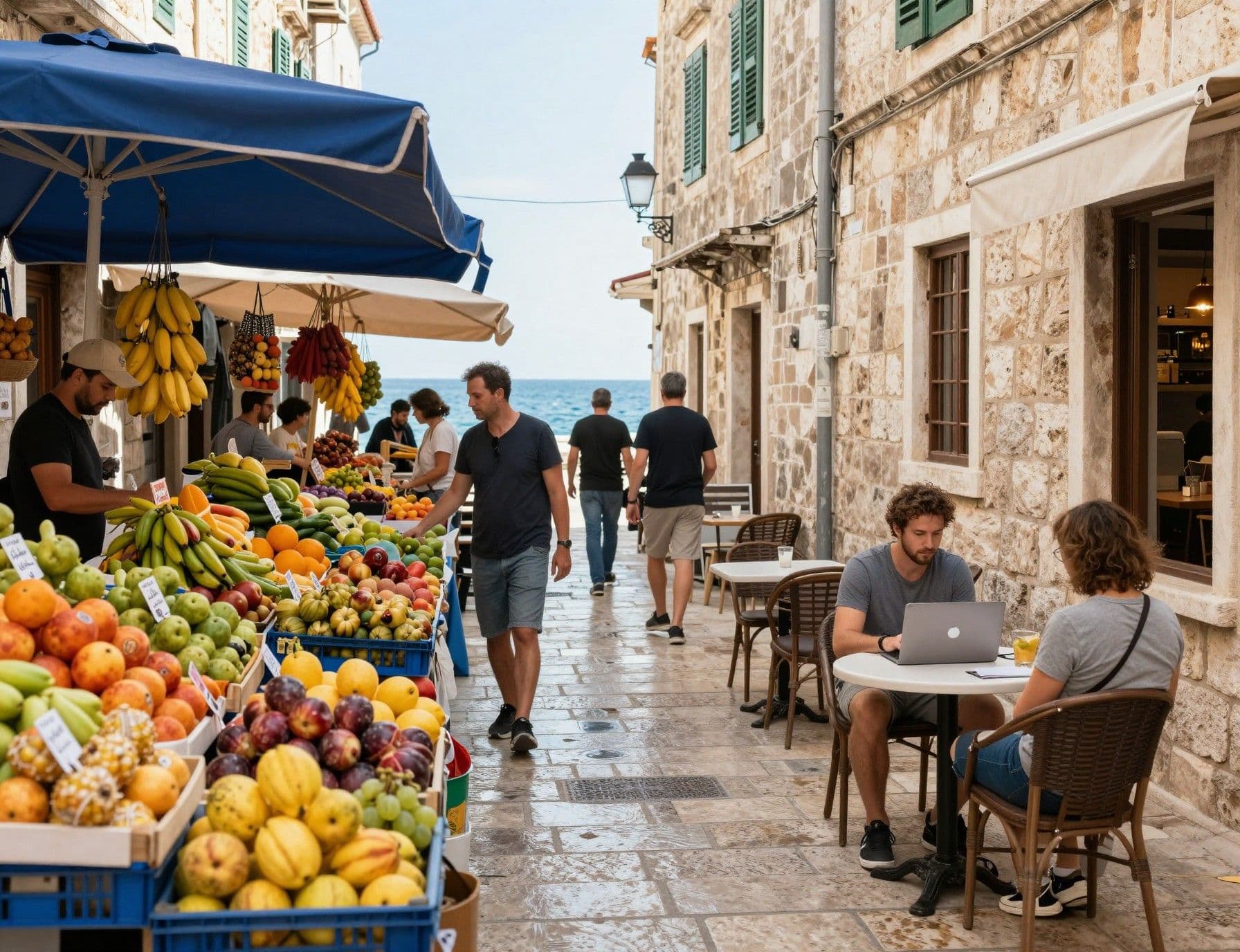
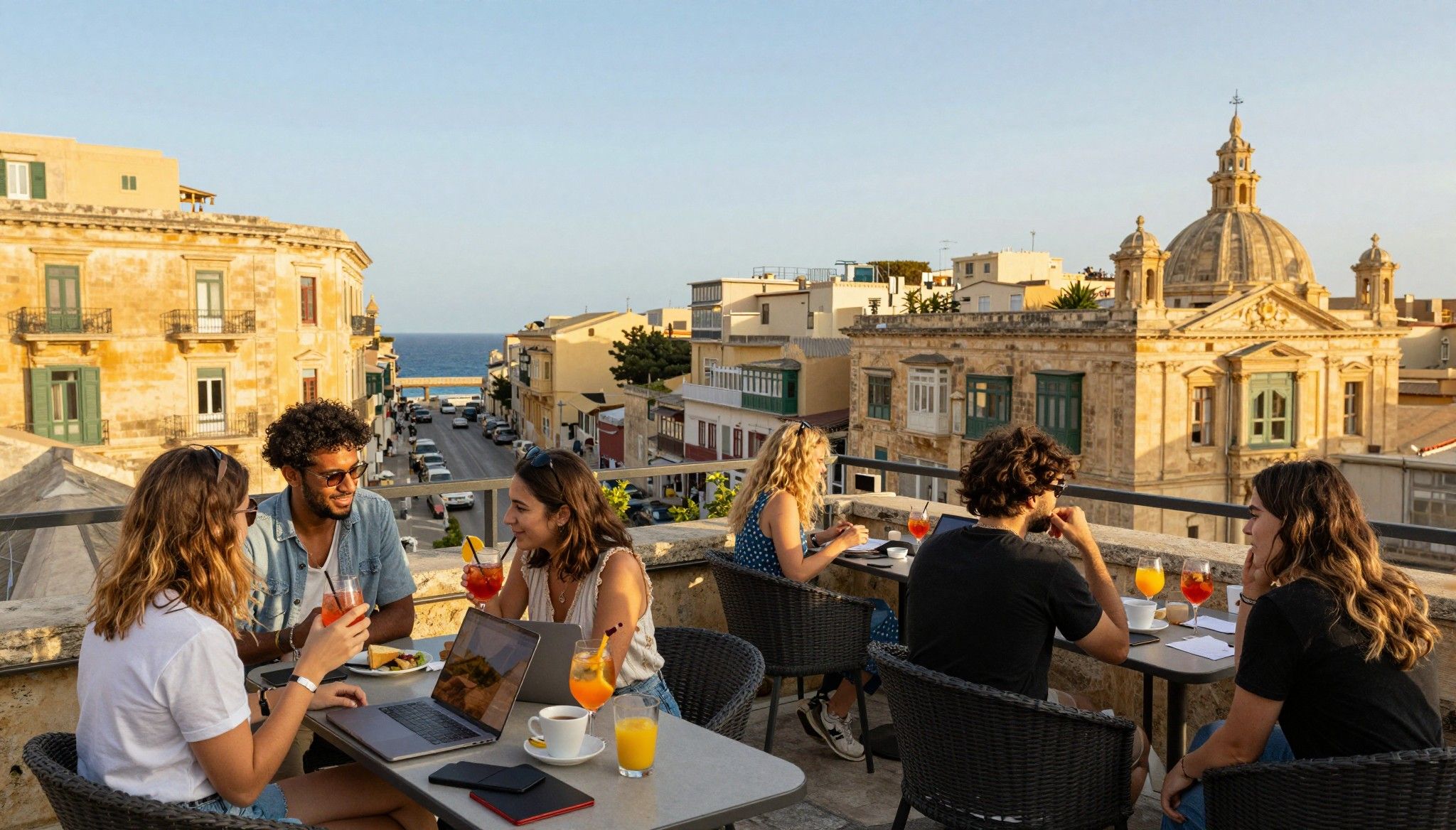
Mornings in Croatia are loud with bakers, quiet with sea fog and full of neighbors greeting each other like family. In Zagreb you’ll find tree-lined promenades and craft coffee bars; in Dubrovnik the city hums with heritage tourism and sunset aperitifs; on Hvar and Korčula, terraces spill into lavender-scented lanes. These rhythms shape how people use homes: terraces and balconies are prized, kitchen space matters for long lunches, and central apartments beat far-out villas for a week‑round social life. Note: rising demand — visible in official house-price indices — means you should factor speed and strategy into any offer.
Neighborhood spotlight: Split’s Varoš and Firule
Varoš is the alleyway soul of Split—stone steps, locals chatting under laundry lines, tiny konobas that feel unchanged for decades. A two-minute walk from the Riva and the Diocletian walls, apartments here are compact but endlessly charming; they sell to lifestyle buyers who want to live inside the city’s pulse. Firule, a short stroll east, mixes residential calm with parks and a small pebble beach; it’s where remote workers buy for morning swims and evening walks with colleagues from the local coworking space. Both areas reward buyers who value walkability and community over expansive new-build layouts.
Food, markets and after-work life that define choices
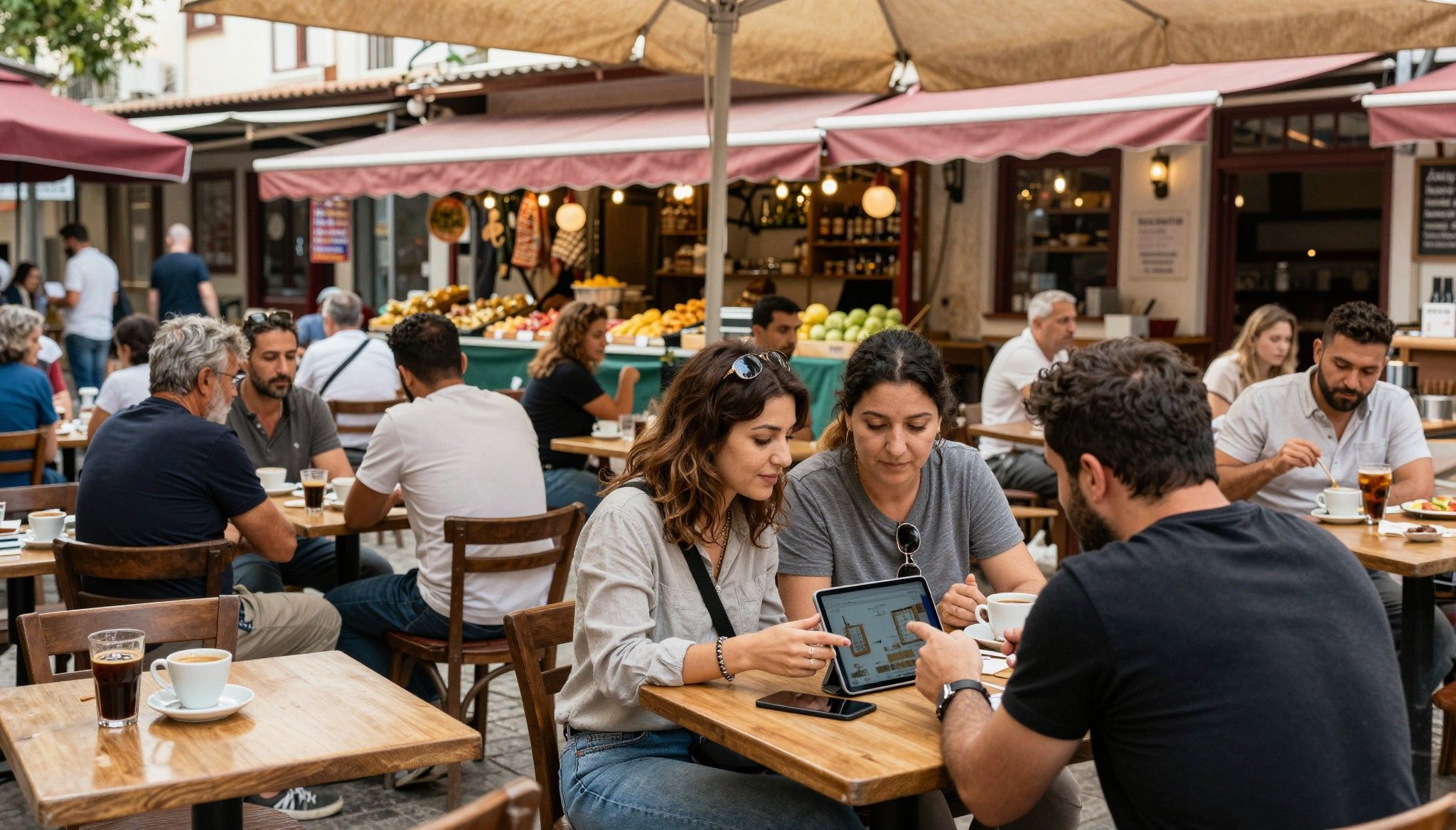
Croatia’s weekly markets—Split’s Pazar, Zadar’s Petar Zoranić stalls, Zagreb’s Dolac—are social hubs. Buying within walking distance of a market changes daily life: you cook more, socialise locally and rely less on supermarkets. The restaurant scene has evolved too; chef-run bistros and wine bars cluster in certain streets, nudging prices up in those micro-neighborhoods. When evaluating properties, think about where you want your day-to-day to happen: coastal promenades for a social summer life, inner-city courtyards for year-round community, or island lanes for a slower seasonal rhythm.
Making the move: offer strategy that wins (without overpaying)
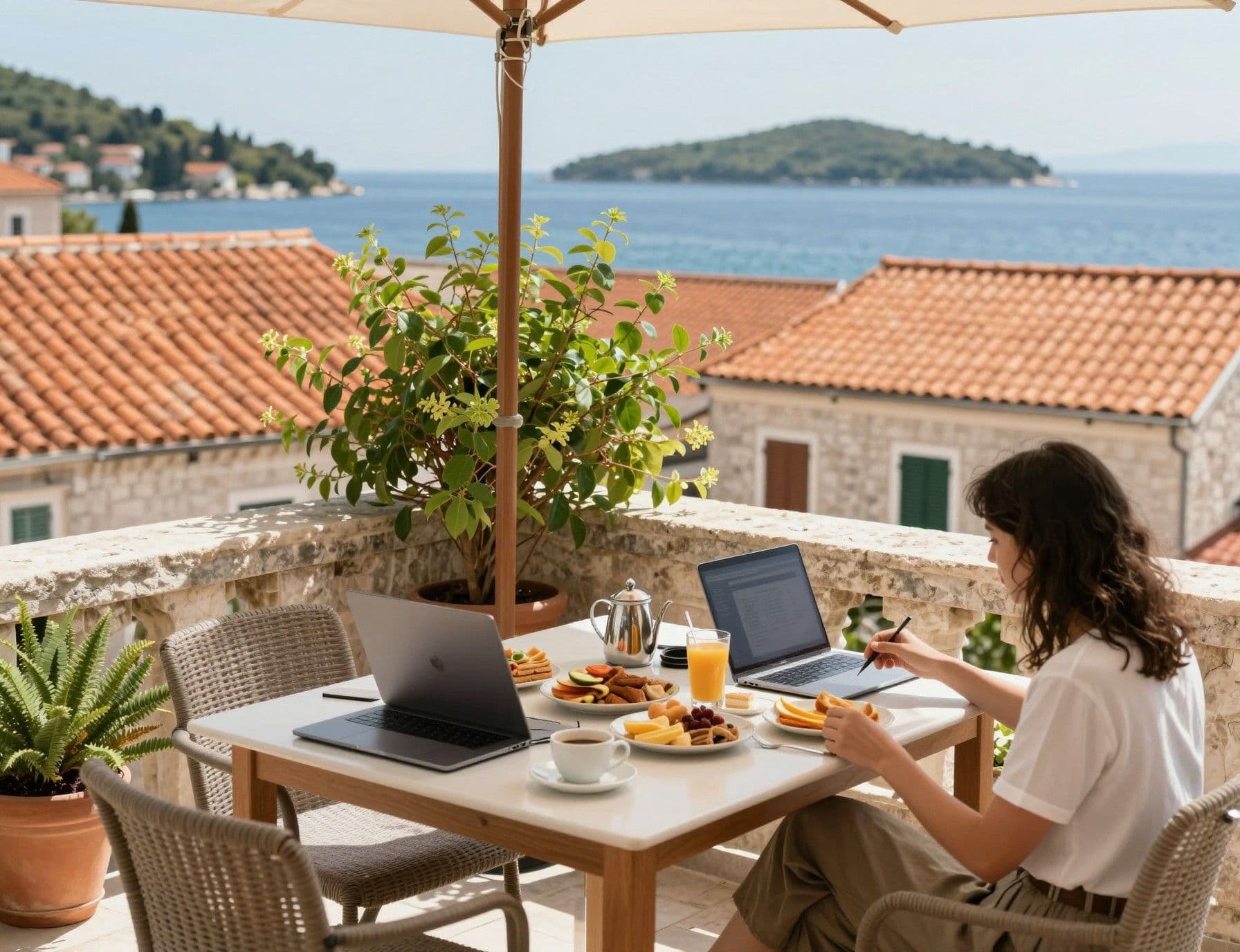
Dreams meet deadlines at the offer stage. With Croatian prices showing sharp YoY rises in recent quarters, waiting too long can cost you tens of thousands of euros. But haste without homework is where mistakes happen: foreigners — especially non-EU citizens — may need Ministry approval under reciprocity rules, which can slow closing. That means your offer strategy should balance speed, conditional safety, and local legal checks. Make offers that look decisive to sellers but protect you with concise, realistic contingencies.
Property types and how they shape offers
Built-stone Dalmatian apartments, new coastal developments, and inland villas behave differently in negotiations. Stone apartments in old towns are often single-owner, emotional sales—sellers respond to clean, personal offers and flexible closing dates. New-build units attract developer timelines and standard contracts where deposits and staging matter. Rural plots and agricultural land have legal quirks and frequently require extra approvals. Match your offer to the property type: personal tone and small earnest money can win older flats, while clean financing proof and quick completion persuade developers.
A 5-step offer checklist for international buyers
1) Get a local lawyer and notary lined up before you bid — they’ll check land registry excerpts, encumbrances and whether reciprocity approval is needed. 2) Provide a clear proof-of-funds or mortgage pre-approval letter so sellers take your offer seriously. 3) Use an earnest-money deposit (typically 5–10% for private sales) with escrow or an attorney holding funds. 4) Include a realistic timeline that accounts for Ministry approval for non‑EU buyers and for local administrative delays. 5) Add one practical contingency: a short legal-title check clause and a technical inspection window to avoid nasty surprises.
Insider knowledge: what expats wish they’d known
You’ll hear two themes from expats: ‘buy community, not just a view’ and ‘paperwork kills dreams faster than price’. Communities in neighbourhoods like Zagreb’s Maksimir or Istria’s Rovinj make day-to-day life easier—playgrounds, groceries, and friendly faces matter. And the admin: non-EU buyers regularly underestimate the time for reciprocity approval and property diagnostics. Plan for bureaucracy, and you’ll arrive relaxed and ready to enjoy the lifestyle you fell for.
Cultural cues that change negotiations
Sellers in coastal towns often value personal rapport. Sending a short message about why you love the home—or asking the agent to pass one—can make your offer stand out. Croatians are direct but polite; clear timelines and respectful negotiation get you further than hardball tactics. Also, expect seasonal shifts: summer listings spike in tourist areas, so autumn and winter viewings often reveal better bargains and more motivated sellers.
Red flags and what to watch for in offers
• Missing land-registry excerpts or unclear ownership chains. • Unexpected legal restrictions on building/renovation (especially on heritage façades and islands). • Sellers unwilling to allow a technical inspection or delaying transfer of key documents. • Overreliance on verbal promises—always insist on written contract terms. • Non-EU buyers not checking reciprocity status early enough (this can delay or block a sale).
From offer to keys: closing realities and timeline
Typical closing in Croatia runs 6–12 weeks for simple urban deals when both buyer and seller are EU nationals and documents are in order. For non‑EU buyers needing Ministry consent, add several months. Expect steps: reservation agreement (optional), draft purchase contract, deposit, notarised contract, land registry transfer, and tax/VAT or transfer-tax settlement. Work proactively with an agent, lawyer and notary who coordinate each step — it’s the only way to keep the timeline tight and the stress low.
Closing day simplified: 6 essential tasks
1) Verify seller ID and up-to-date land registry excerpt. 2) Ensure all agreed repairs or inclusions are noted in the contract. 3) Confirm who holds the deposit and under what conditions it’s refundable. 4) Schedule notarisation and a translator if needed. 5) Pay transfer tax or confirm VAT-exempt developer sale status. 6) File the transfer with land registry immediately after signing to secure ownership.
Final note for nomads: how to test-life before you buy
Before committing, spend a month living where you plan to buy. Work from local cafes and coworking spaces, try the commute, get to know markets and neighbours. You’ll spot seasonal quirks—empty winter streets in some islands, summer congestion in seaside towns—and decide whether the lifestyle fits year-round. If you love the routine, you’ll make smarter offers that prioritise life over optics.
Croatia can feel like a collection of perfect postcards—each with different rhythms. The smartest international buyers match offer speed with local knowledge, hire trusted local legal help, and prioritise community and connectivity over headline views. Ready to turn a morning espresso into a long-term address? Start with a local agent who knows the neighborhoods that actually hum in winter and the legal checklist that keeps your offer clean. Then go taste the market—literally.
Danish investor and relocation advisor focusing on Portugal and the Algarve; loves coworking culture and expat networks.