Why Malta’s Small Size Is an Advantage When Buying
Malta’s compact size is an advantage: pick the right neighbourhood, test off‑season, and use residency options like the Nomad Permit to align lifestyle with legal stay.
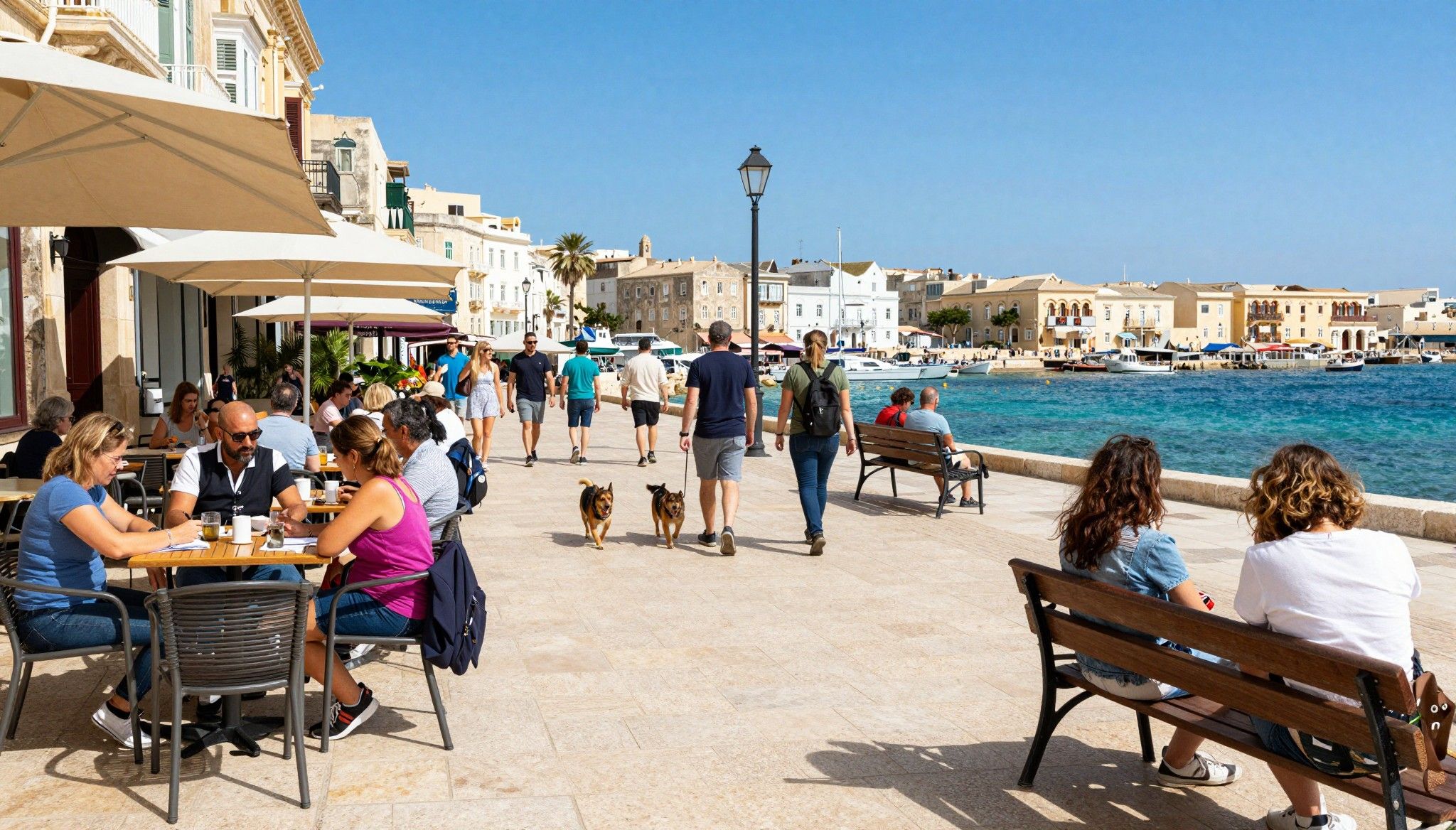
Imagine opening your laptop at a sunlit cafe on Strait Street, espresso steaming, limestone walls glowing. In Malta you trade long commutes for 10–20 minute walks, and weekends for bay swims, festa music and markets where everyone knows your name. That compactness—what people call "too small"—is the secret ingredient that makes property here both intensely livable and surprisingly strategic for international buyers.
Living Malta: daily rhythm, neighborhoods and tiny‑island perks
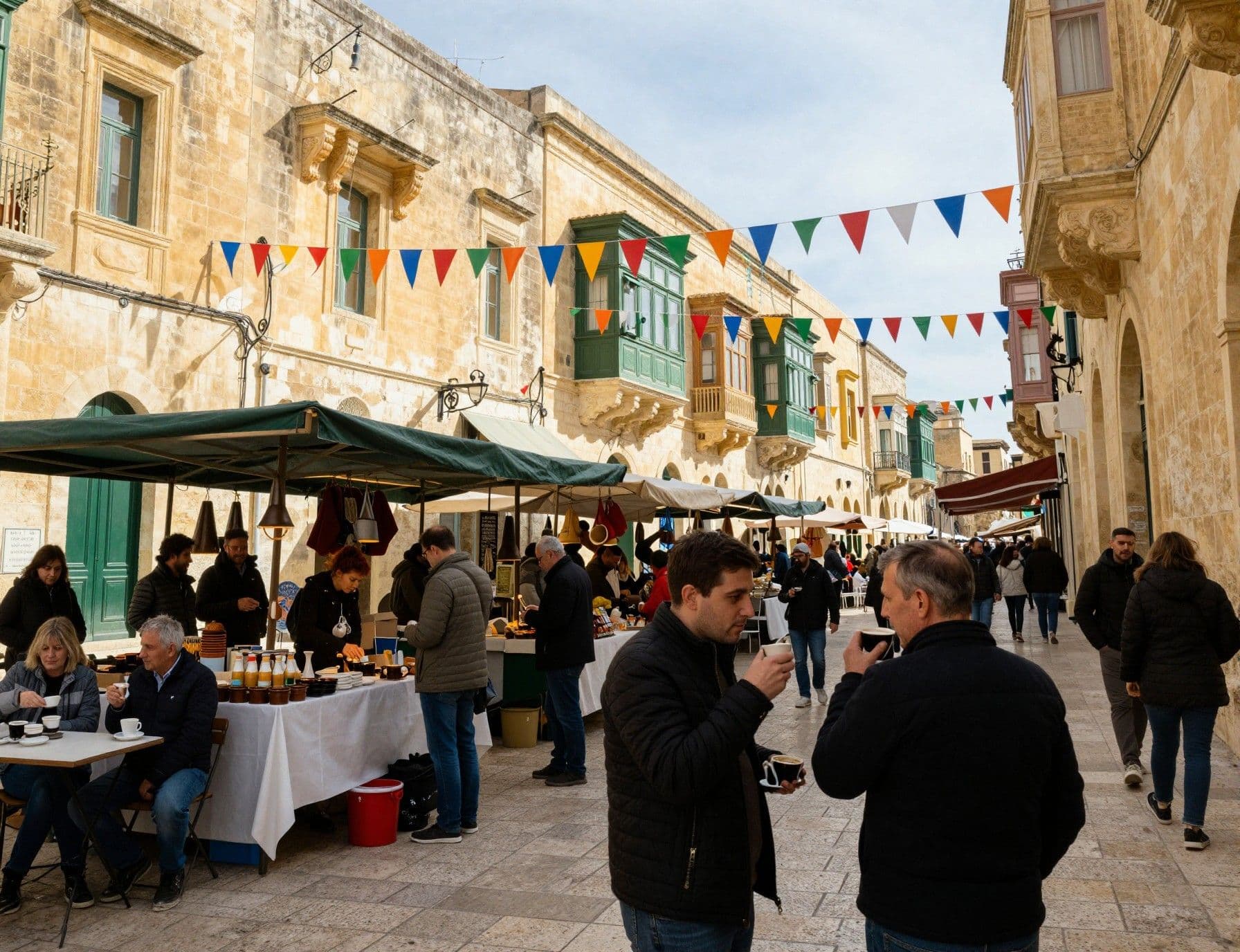
Malta feels like a town stretched across islands. Mornings begin in cafés in Valletta and Sliema, afternoon swims happen in St Julian’s or the quieter Mellieħa Bay, and evenings end with community street festas in Birgu. That density means you buy lifestyle as much as square metres — and with the NSO showing steady RPPI increases, location choice matters more than floor area. Buyers who tune into neighborhoods win twice: great life and better resale potential.
Valletta & The Three Cities — history, culture, walkable life
Picture narrow streets, baroque facades and rooftop terraces with harbour views. Valletta rewards slow living — strolls to lunch, museums between Zoom calls, and strong tourist-season rental demand. The Three Cities (Birgu, Senglea, Cospicua) offer a quieter, more local version of the same charm with lower price entry points and authentic waterfront life. These areas suit buyers craving history and immediate walkability.
Sliema, St Julian’s & Swieqi — cafes, coworking and nightlife balance
If you want fast internet, coworking and a lively after-work scene, Sliema and St Julian’s are your go‑tos. Swieqi is quieter and family-friendly with parks and neighbourhood cafés. These towns host the island’s best co-working spaces and cafés with reliable connections — a real plus for remote workers who want seaside weekdays and weekend island escapes.
Hidden corners: Gozo, Mellieħa and the quiet pockets
Gozo offers rural lanes, larger houses and a slower tempo — ideal if you want more living space for the same budget. Mellieħa’s beaches and village feel make it appealing for families and sun lovers. These quieter pockets can deliver better value-per-square-metre if you’re willing to trade immediate nightlife for space and calm.
- Lifestyle highlights: Valletta’s waterfront museums; Sliema seafront promenades; St Julian’s evening buzz; Mellieħa sandy bays; Birgu’s festa culture; Gozo countryside hikes
Making the move: practical considerations that preserve the lifestyle
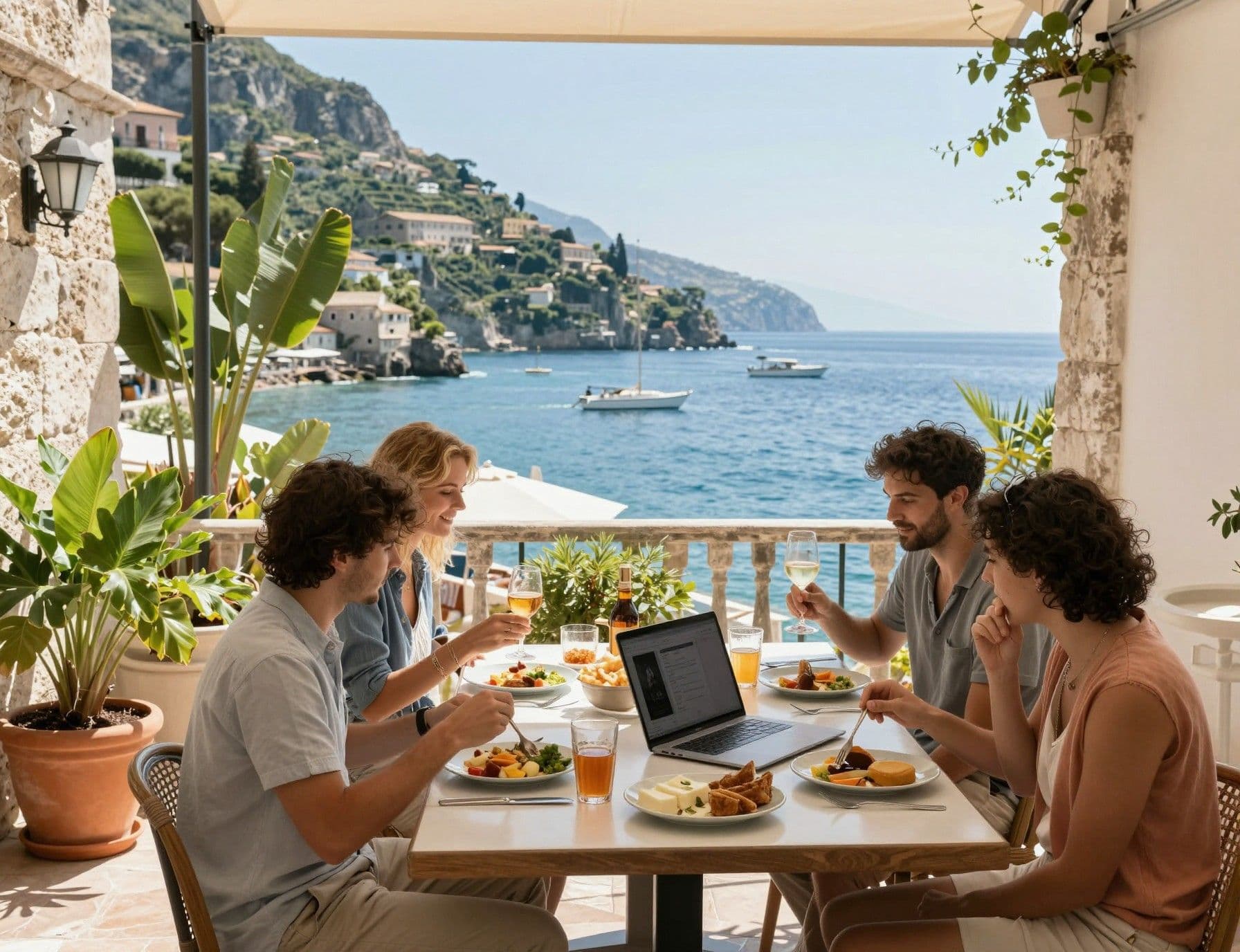
Buying in Malta isn’t just about picking a pretty street. It’s about matching property type, residency options and daily routines. The island’s small size magnifies local differences: a mews property two streets from the sea can feel very different to a newly built block nearby. Use lifestyle priorities — workspace, walkability, quiet vs. buzz — as filters before chasing square metres.
Property types & what they mean for life
Traditional townhouses (palazzini) offer roof terraces and character but often need renovation. Modern apartments are easier to lock-and-leave and commonly include lifts and parking. Gozo and village houses give more space at lower density. For remote work, prioritise natural light, a quiet room for calls, and reliable broadband — many buyers retrofit historic homes with fibre and small home offices.
Working with local experts who know the small‑island market
Local agents, lawyers and tax advisors know the fine print: permit limitations, planning rules for renovations, and where rental demand clusters. Agencies that specialise in expat clients will also guide residency pathways — from the Nomad Residence Permit to global residence schemes — so your move supports both life and legal status. An agent who knows festa calendars, parking quirks, and delivery lanes will save you time and heartache.
- Steps to marry lifestyle and process: 1. List non‑negotiables (workspace, sea access, schools). 2. Shortlist neighbourhoods and stay there 2–4 weeks to test rhythms. 3. Hire a local agent who works with expats and residency cases. 4. Verify broadband speed, council regulations and parking before offer.
Insider knowledge: myths, expat truths and seasonal timing
Myth: Malta is only for wealthy retirees and short‑term tourists. Truth: Malta’s mix of residency programmes (including the Nomad Residence Permit), English language use and strong coworking scene draw millennials, families and remote teams. Market data shows steady price growth, but the island’s small geography means smart buys come from neighborhood selection more than timing the national market.
Cultural cues that affect where you want to live
Festas, siesta-like slow afternoons and communal piazza life shape daily schedules. Many Maltese speak excellent English, which flattens the learning curve, but community integration still benefits from learning basic Maltese phrases and attending local events. Expect direct neighbor relationships — on small islands, reputation travels fast and good neighbours can become friends and support networks.
Seasonal strategy — when to house-hunt (contrarian take)
Most buyers show up in summer — and sellers price for it. I’d argue winter is the better time to hunt: fewer tourists, more motivated sellers, and a clearer view of neighbourhood daily life (not just the holiday highlight reel). Plus, agents have more capacity to show you properties and negotiate. That small-island cadence makes off-peak moves both practical and revealing.
- Hard-won expat tips: • Test broadband in-situ at different times of day. • Join local Facebook groups and meetups before you commit. • Check festa dates — noisy nights matter if you need quiet for work. • Factor in smaller apartment sizes: roof terraces become living rooms. • Ask about water pressure and insulation in older buildings.
Conclusion: Malta’s smallness is an advantage if you plan smart. You get walkable days, seaside afternoons, and dense social networks — but you must be picky about neighbourhood, broadband and residency path. Start with a lifestyle checklist, test neighborhoods off‑season, and work with an agent who understands nomad life and Malta’s residency options. Do that, and you’ll find a home that feels like a secret everyone should know.
Swedish, relocated to Marbella in 2018 to chase sun and property freedom. Focus on legal navigation and tax for Nordic buyers.