Croatia: Euro‑Era Mortgage Hacks & Neighborhood Life
Euro adoption and rising prices changed the math in Croatia — learn lifestyle-smart financing: mortgages for foreigners, bank hacks, timing tips and neighborhood tradeoffs.
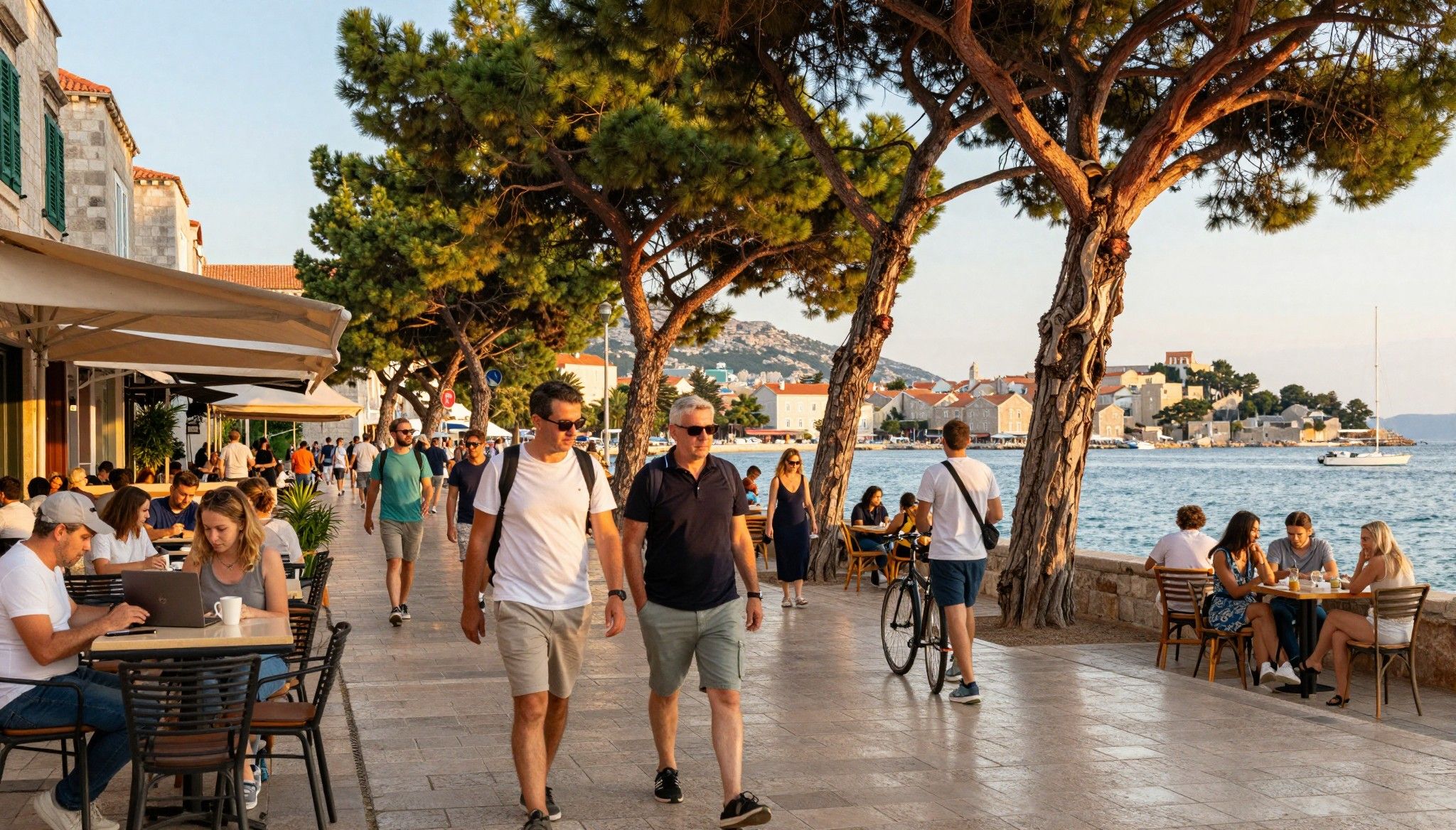
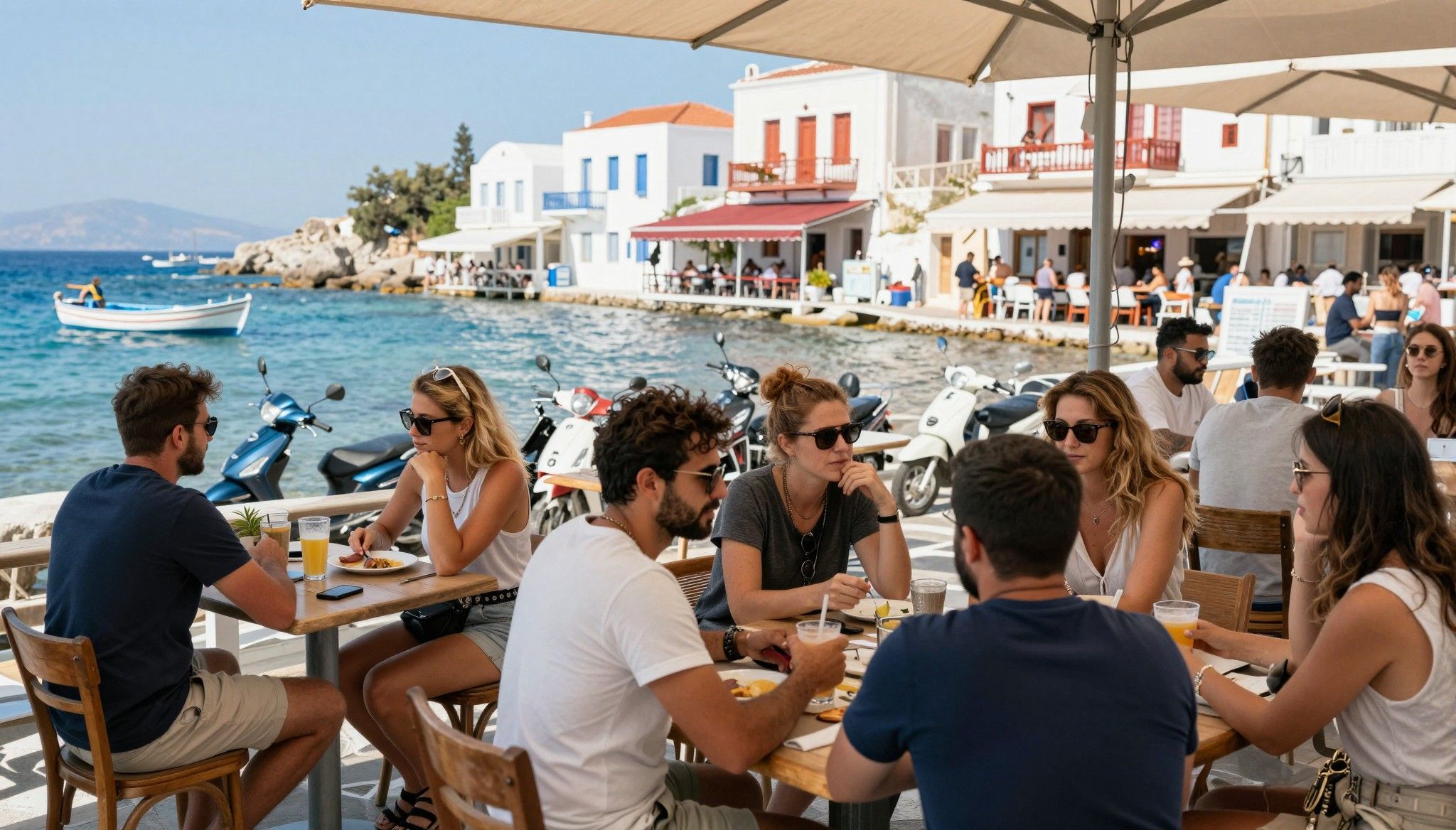
Imagine sipping an espresso on Split’s Riva at 9 a.m., then closing a deal on a stone cottage near Hvar by sunset. Croatia moves at two speeds: the slow, sun‑soaked rhythm of the coast and the efficient, modern pulse of Zagreb. That contrast is why buyers fall in love — and why financing here needs a little local savvy.
Living the Croatia lifestyle
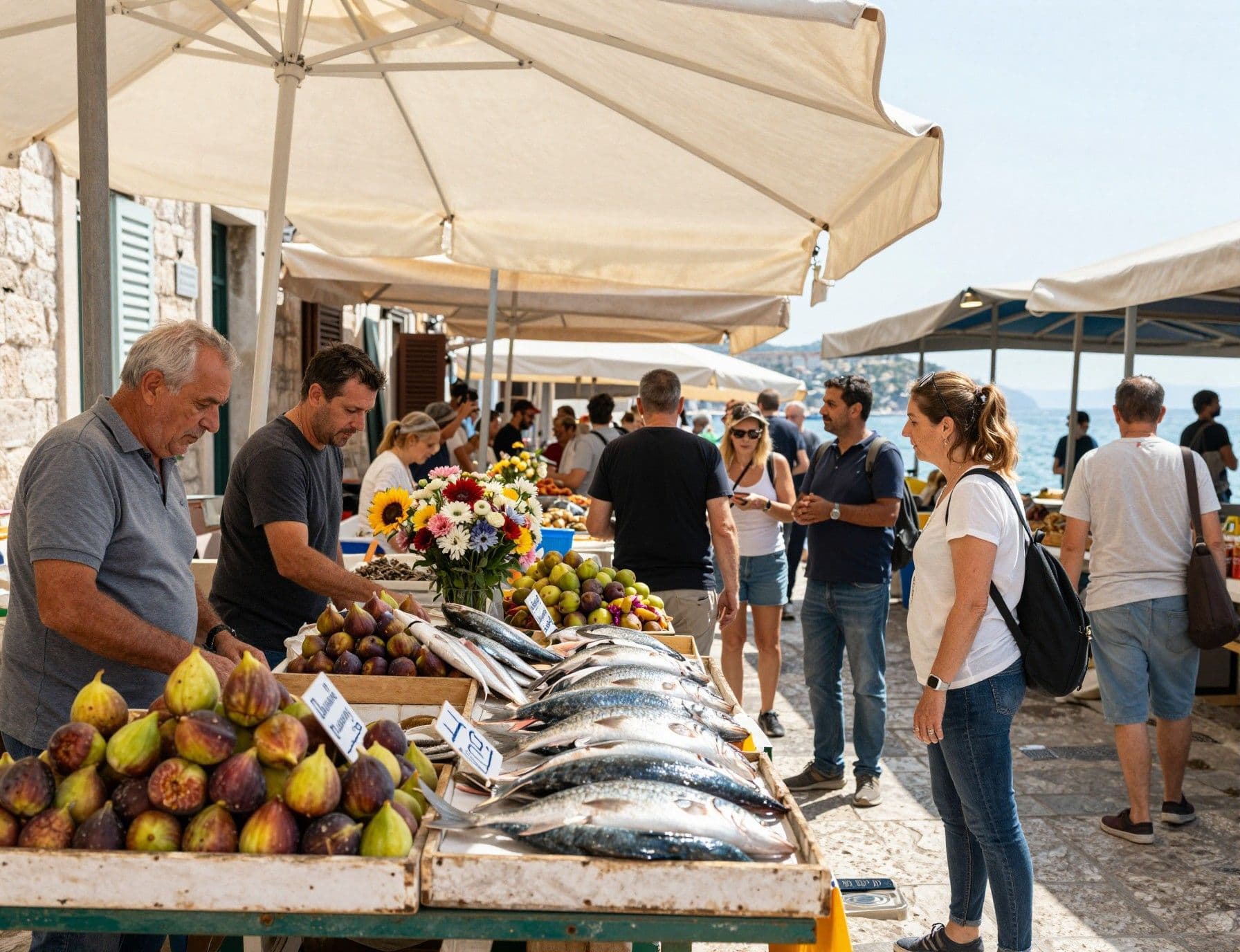
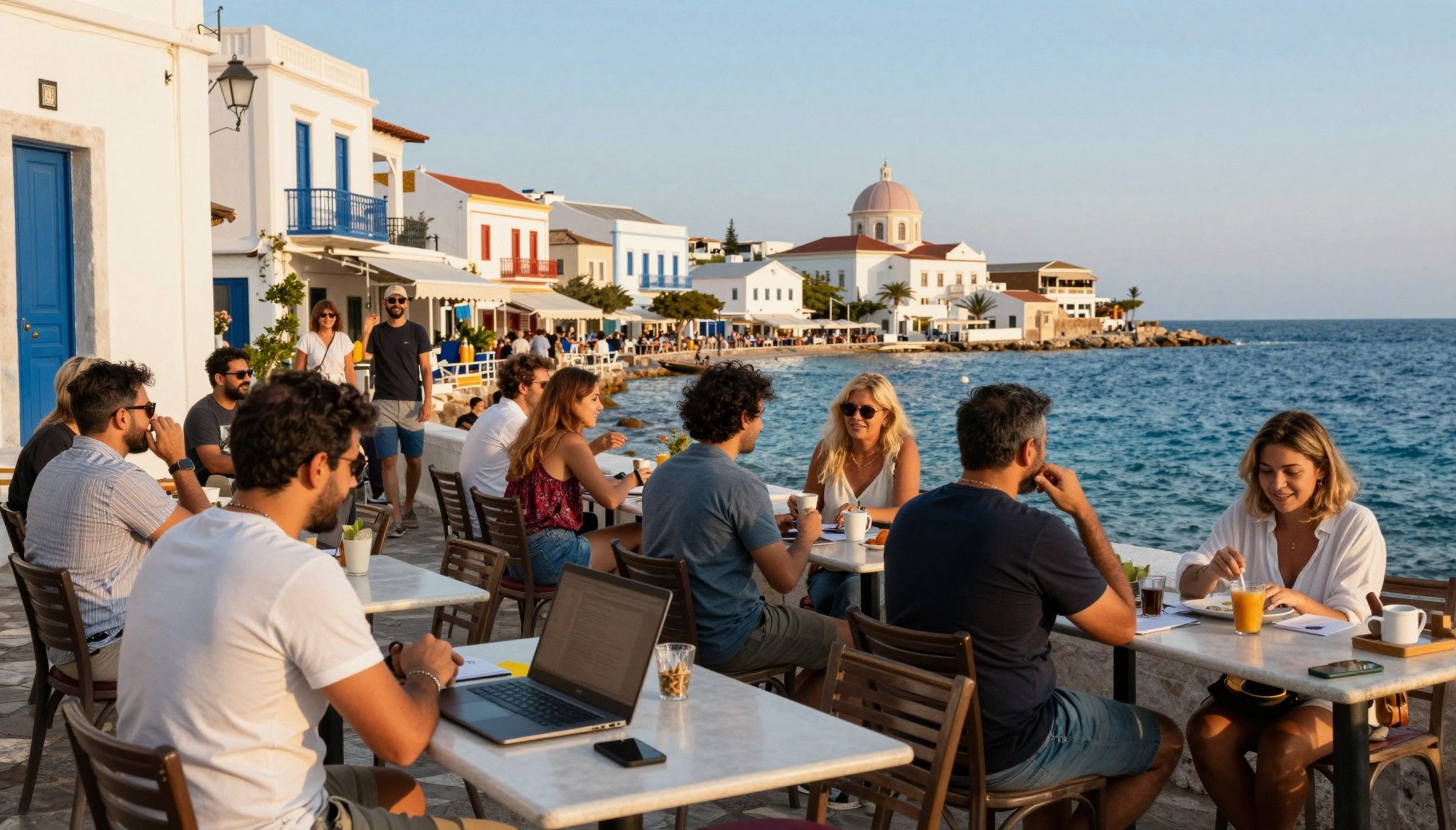
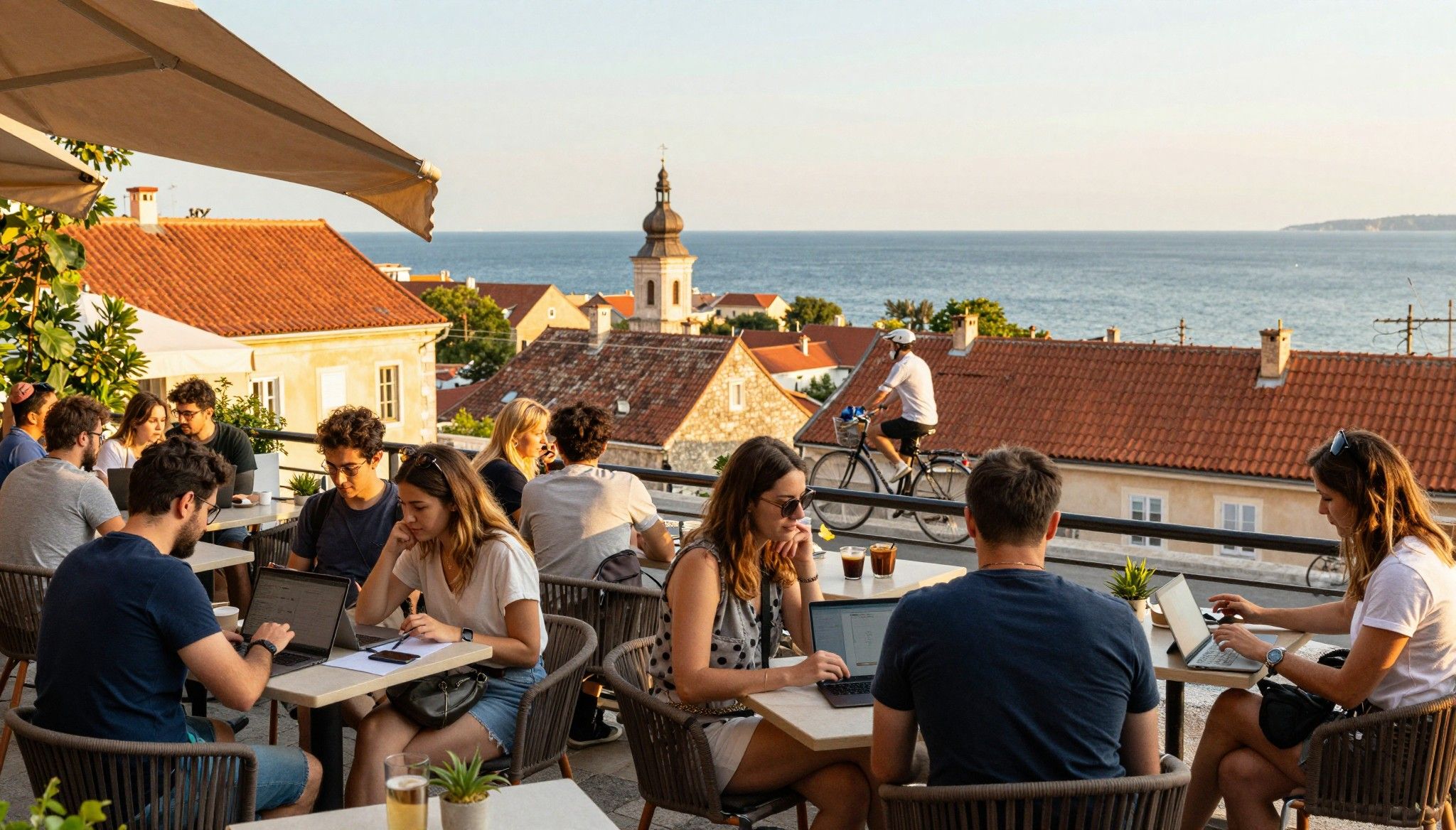
Croatia smells like grilled fish and fresh pine. Weekends mean markets in Dolac (Zagreb) or fishmongers on Dubrovnik’s piers. Cafés double as coworking spots in Rijeka and Split; islands trade quiet mornings for busy summer nights. This everyday texture shapes what people look for in a home: terraces with shade, reliable internet, and a friendly street where you know the baker.
Neighborhood spotlight: Split (Veli Varoš to Varoš)
Veli Varoš (the old fisher quarter) rewards slow living: narrow alleys, tiny konobas, and sea views framed by laundry lines. Walk five minutes and you’re at Bačvice beach or a digital‑nomad‑friendly café with 200 Mbps. For remote workers who want pulse and peace, this slice of Split blends daily life with easy returns when you rent short‑term in high season.
Food, culture & off‑season reality
The food scene swings from family konobas selling pašticada to Michelin plates in Zagreb. Festivals — like Ultra in Split or the Dubrovnik Summer Festival — pack neighborhoods in July and August. But come November, island ferries slow and prices drop; that off‑season hush is when properties feel most authentic and you can inspect a home without the summer veneer.
- Lifestyle highlights: markets, beaches, coworking, festivals, hidden bays, family konobas
Making the move: practical banking & financing realities
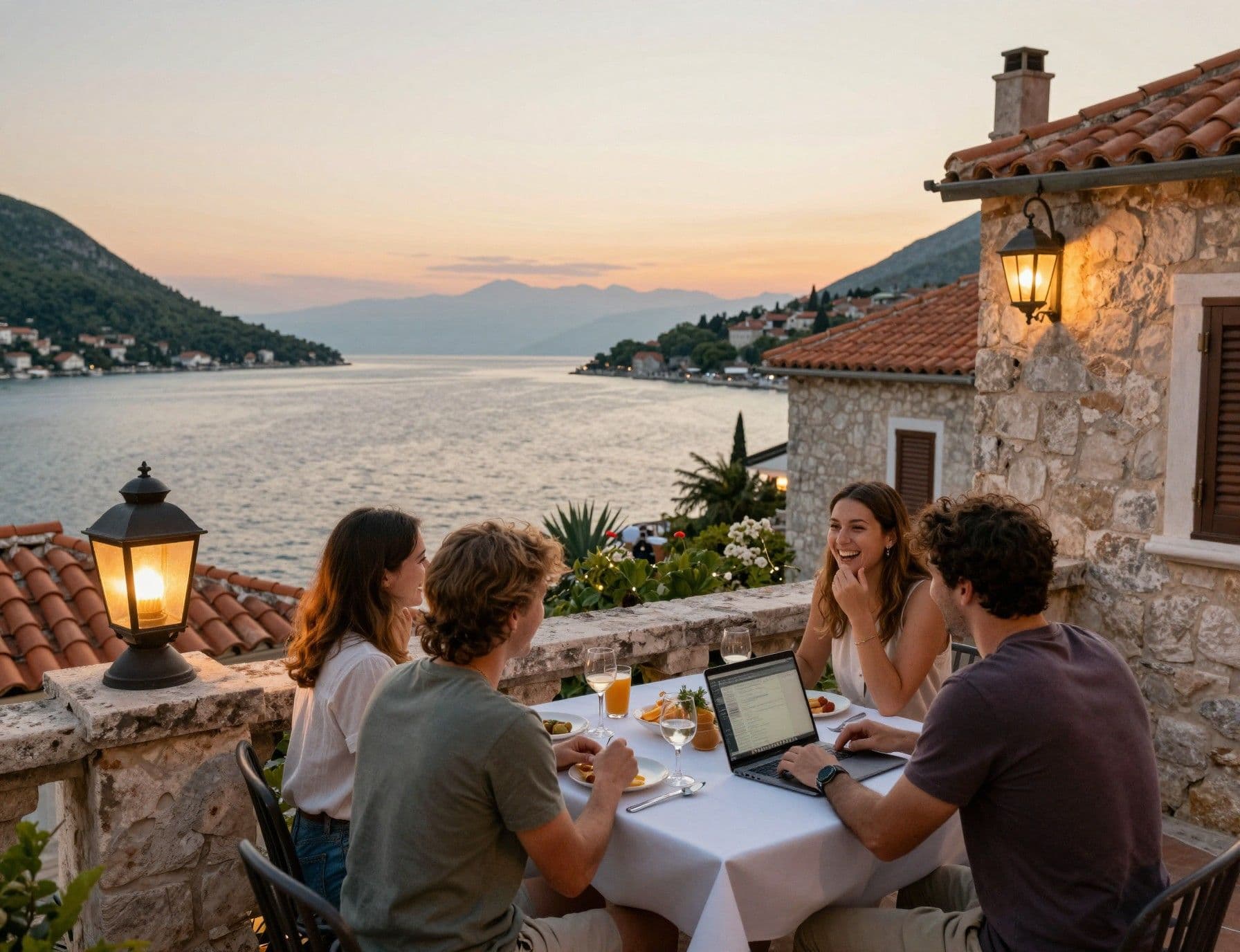
The romance of coastal stone meets a market that has been heating up: national house‑price indices show solid growth in recent years. That matters for financing: lenders price loans against rising values and tighter macro conditions. Euro adoption (since 1 January 2023) simplified currency risk — you’ll be borrowing, saving and earning in euros — but you still need to plan lender requirements and cash buffers.
How euro adoption changes the math
Croatia joined the euro on 1 January 2023, removing the kuna-euro conversion headache and reducing FX risk for euro-based buyers. Practical upshot: your mortgage (if offered in euros) won’t surprise you with exchange losses, but shopping multiple Croatian banks for rates and fees still pays — local banks set terms differently for residents, non‑residents and non‑EU citizens.
Can foreigners get mortgages in Croatia?
Short answer: yes — but terms vary. EU/EEA citizens can buy freely and usually access mortgages like locals. Non‑EU buyers face reciprocity rules and sometimes need ministry approval; some banks will lend to non‑residents but with higher downpayments and stricter checks. A common route for non‑EU buyers is to form a Croatian company — it can simplify legal hurdles and make lending easier, but it adds accounting and tax steps.
- Steps to secure finance in Croatia: 1) Check if you need government approval (non‑EU reciprocity). 2) Get a local tax ID (OIB) and open a euro account. 3) Shop multiple banks for loan‑to‑value and rates. 4) Budget for 10–25% deposit (higher for non‑residents). 5) Factor in closing costs, legal fees and possible VAT on new builds.
Insider knowledge: banking hacks & currency tips
Local expats share the same tricks: use a multi‑currency account to time transfers, lock a mortgage rate quickly when markets move, and ask sellers about outstanding utility debts before signing. Because the market surges seasonally, calendar timing (off‑season viewings, Q4 negotiations) can save you tens of thousands if you play it right.
Banks, fees and what agents don’t always mention
Expect these small but real costs: bank appraisal fees, mortgage application charges, and the notary/land registry fees tied to ownership entry. If you buy new from a developer, VAT may apply (developers sometimes quote VAT‑inclusive prices). Always ask the agent to break down these line items before you make an offer.
- Practical financing tips: compare effective APRs, negotiate a fixed or capped rate, use euro accounts to avoid conversion fees, consider a local broker for bank introductions, and keep a 6–12 month emergency cash buffer for seasonal rental gaps.
What expats wish they’d known
You’ll find that life in Croatia grows around places — the bakery on your street, the small beach with perfect sunset light, the local dentist who knows your name. Financing can be transactional; community is what makes the house a home. That’s why working with local agencies who understand both bank paperwork and neighborhood pulse matters.
Cultural integration & practical everyday tips
Learn a few Croatian phrases, show up at market stalls, and be patient with bureaucracy. Healthcare access and school choices influence long‑term buys — Zagreb families often prioritize proximity to schools while island buyers prize solitude and seasonal income potential from tourism.
Longer‑term outlook: why now might still make sense
Despite recent price rises, Croatia remains attractive for lifestyle buyers: EU membership, euro currency, growing infrastructure and a tourism engine that supports rental returns. If you plan to live remotely here, focus on long‑term fit — neighborhood, community, and year‑round services — rather than short‑term speculative gains.
- Final checklist before you sign: 1) Confirm title with a lawyer and Land Registry extract. 2) Verify residency/mortgage terms with your chosen bank. 3) Ask seller for utility and municipal debt clearance. 4) Walk the neighborhood off‑season. 5) Lock in a local property manager if you’ll rent part‑time.
If Croatia feels like a dream, treat financing as the bridge that gets you across. Start with a local bank conversation, a trusted lawyer, and a shortlist of neighborhoods that match your daily rhythms. When your morning espresso, afternoon swim and evening market stroll all line up — that’s when you know you’ve found the right place.
Swedish, relocated to Marbella in 2018 to chase sun and property freedom. Focus on legal navigation and tax for Nordic buyers.