Budgeting for the Croatian Life — Sea, Stone, and the True Costs
Fall for Croatia’s sea-scented life — then budget like a local: factor 3% transfer tax, notary/legal fees, seasonal costs, and connectivity premiums for remote work.
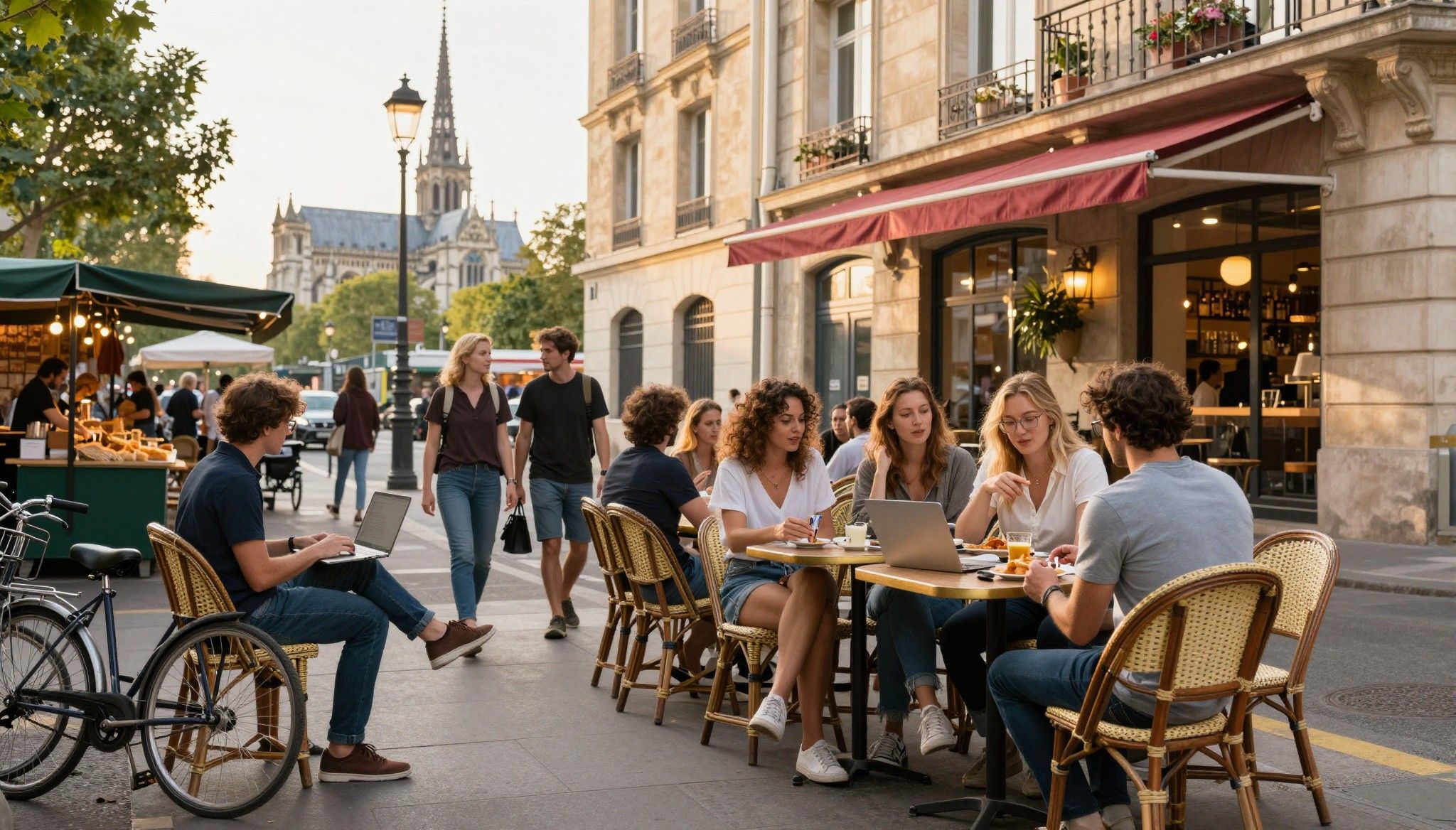
Imagine sipping an espresso on Zagreb’s Britanski trg, laptop open, then heading to the waterfront in Split for an afternoon swim — Croatia feels like a Mediterranean life stitched together from stone streets, pine-scented coasts, and buzzy urban pockets. For many nomads and international buyers the country promises sea, seasons, and small-city rhythms without sacrificing modern comforts. But falling in love with place and setting a realistic budget are two different things; this guide marries the dream with the numbers you actually need to move forward confidently.
Living the Croatia Lifestyle
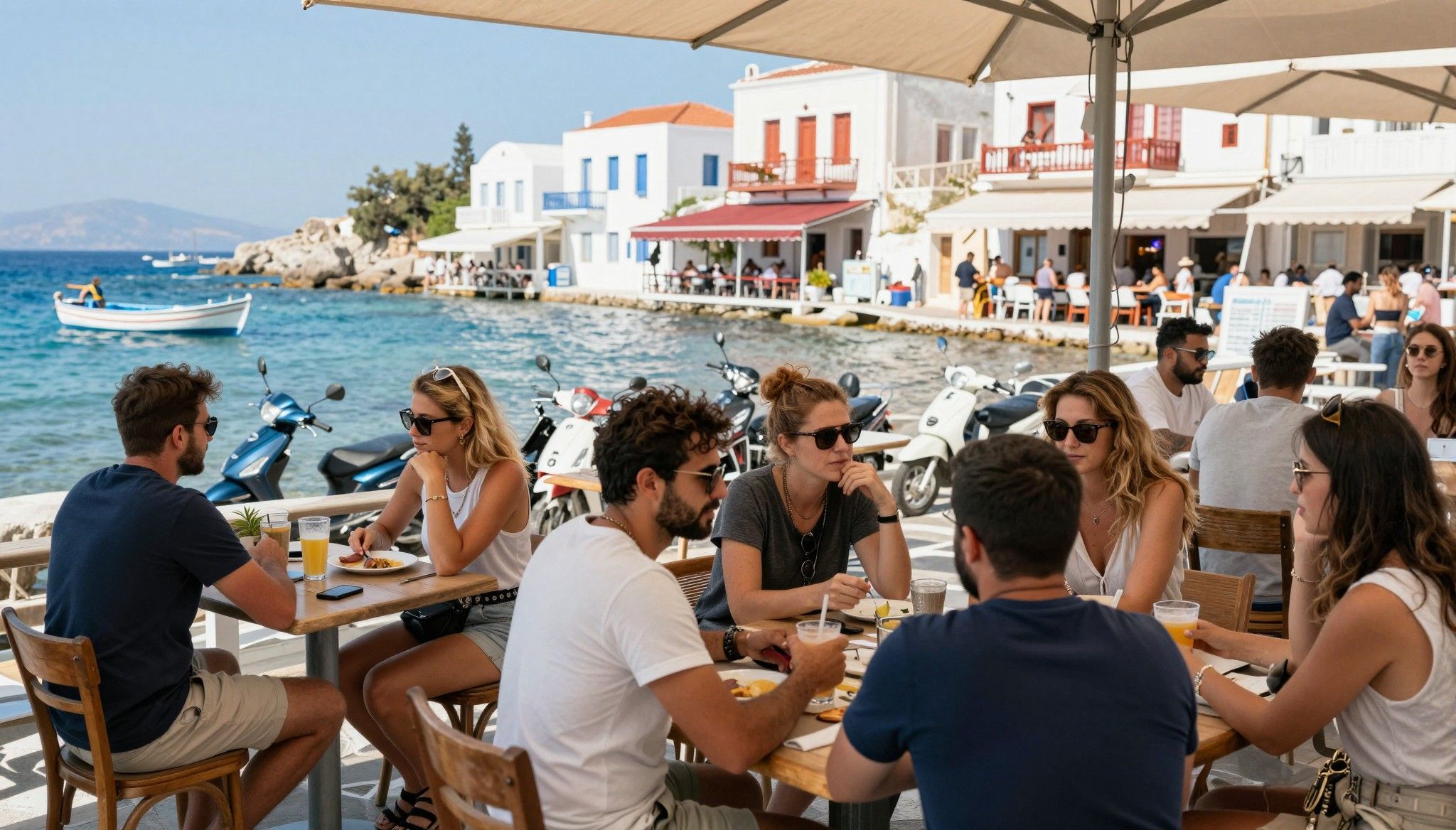
Croatia’s daily rhythm changes with the coast and the calendar. Mornings smell of fresh bread and strong coffee in old towns like Dubrovnik’s Ploče or Rovinj’s Balbi Square; afternoons in Istria might be for truffle hunts and small vineyards, while evenings in Zagreb bring craft bars and coworking meetups. That contrast — quiet island coves versus lively inland markets — is why buyers fall for Croatia. When budgeting, remember that lifestyle choices (island life vs. city living) drive both recurring costs and one-off expenses like ferry moorings or winter heating.
Neighborhood snapshots: Zagreb, Split, Istria, Dubrovnik
Zagreb’s Upper Town and Donji Grad offer walkability, cafes, and reliable 5G — perfect for week‑in/week‑out nomads who want a city rhythm. Split’s Veli Varos and the Riva are coastal-living staples with immediate sea access and a busy summer calendar. Istria (Pula, Rovinj) trades tourist bustle for year-round food culture and countryside villas; good for buyers who prioritize slow food and vineyards. Dubrovnik’s Old Town is magical but pricier and seasonal — great for a pied-á-terre but not always for year-round affordability.
Food, festivals and the small luxuries that shape budgets
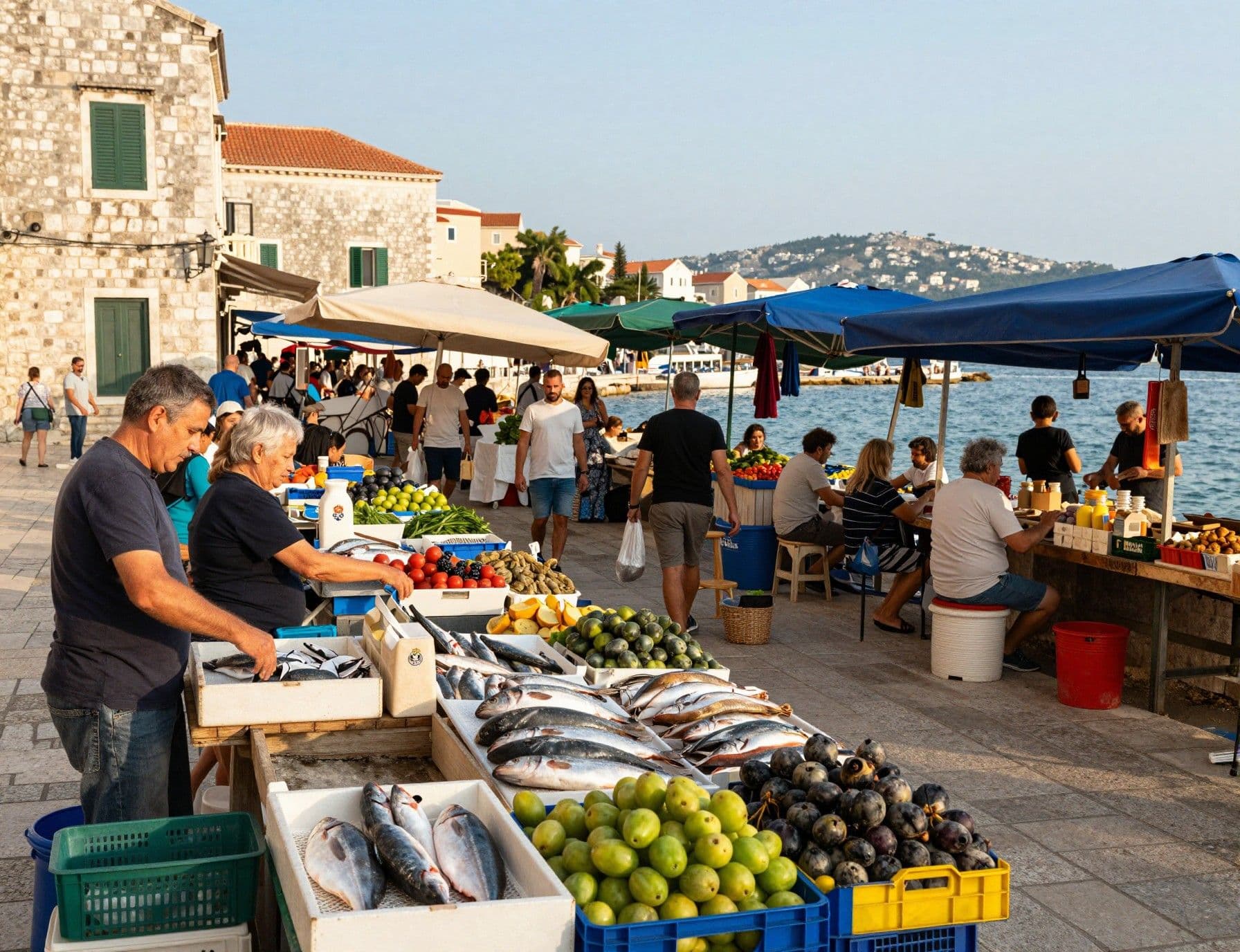
Weekend markets in Dolac (Zagreb) or Pazar (Split) mean cooking at home can be both joyful and economical, while dining out near the coast spikes costs in high season. Festivals — from Zagreb Film Festival to Dubrovnik Summer Festival — bring rental demand and short-term letting opportunities, but they also inflate seasonal prices and utility use. When you sketch a budget, factor in lifestyle seasons: higher grocery and dining spend in tourist hotspots during summer, and extra heating or insulation costs for stone houses in colder months.
Making the Move: Practical Considerations
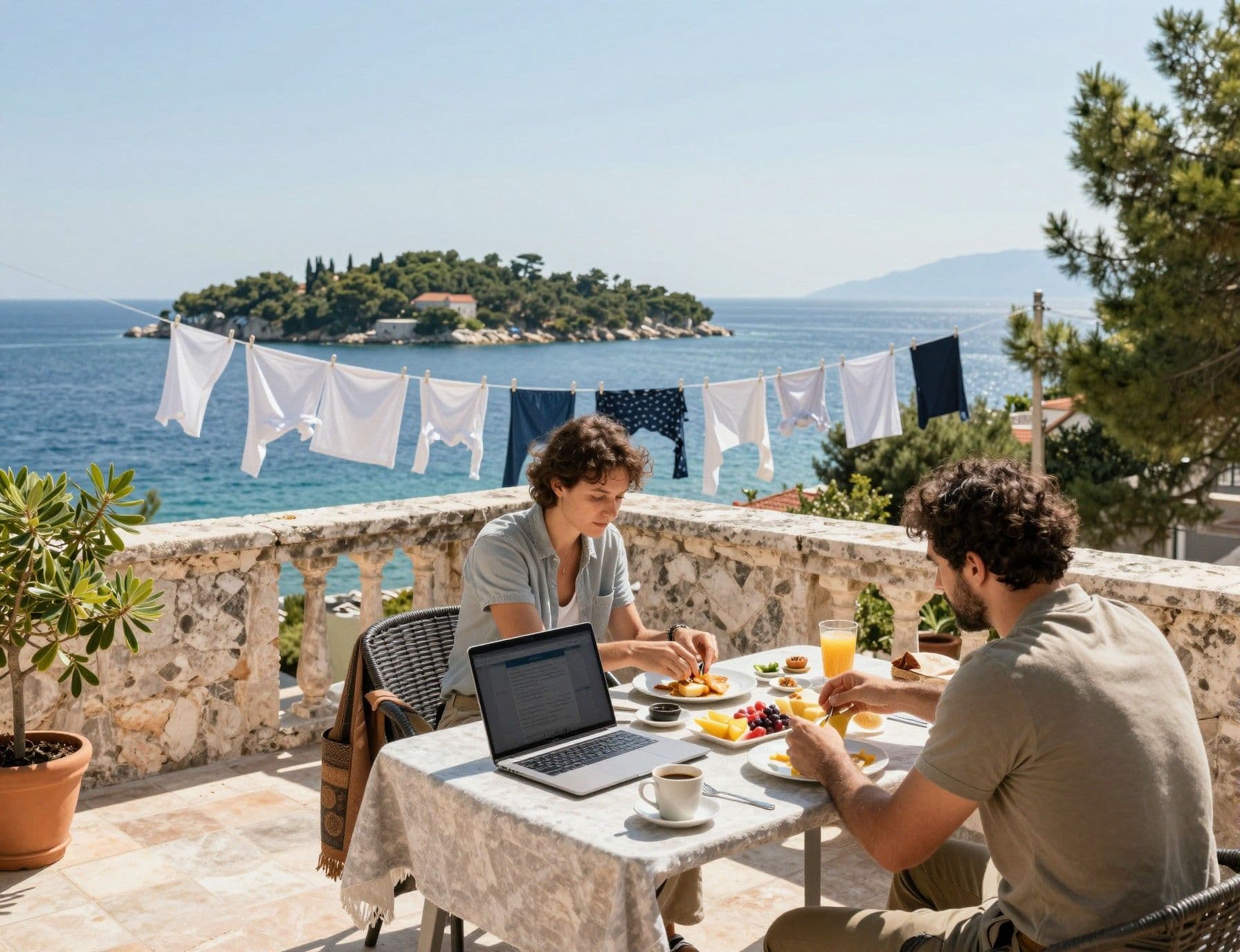
The romantic image meets reality at the point of paperwork and costs. Croatia’s housing market has seen notable price growth in recent years, so your initial offer and total cost estimate should include market momentum and local seasonal demand. Beyond the purchase price, expect transfer taxes or VAT, notary fees, and registration costs; these can add several percent to your outlay and differ depending on whether you buy a new build from a VAT-registered developer or a resale property.
The headline extra costs to plan for
For most resale purchases expect a real estate transfer tax (commonly cited at 3% of market value or purchase price, depending on which is higher), public notary fees, and registration costs. If you buy from a VAT-registered developer (new build), transfer tax may not apply but VAT does. Add legal fees and—if you’re using a mortgage—loan notarisation and bank appraisal fees. These line items matter: a 3% transfer tax on a coastal apartment priced at €200,000 is €6,000—real money that affects affordability.
- Step-by-step early budgeting for Croatia (what I do first)
1. Lock a lifestyle baseline: choose a city/region (Zagreb vs. Split vs. Istria) and set a weekly living spend target. 2. Add transaction costs: plan for ~3% transfer tax (or VAT for new builds), 1–2% for legal/notary, and small registration fees. 3. Build a contingency buffer: 5–10% for repairs, seasonal utilities, or unexpected agency terms. 4. Check financing ratios: local banks and mortgage rules vary for non-residents; get pre-approval and currency explanations early.
Property types & lifestyle fit
Stone houses, modern apartments, and island homes — what they actually cost to live in
Stone farmhouse (Istria): charming, thick walls, low summer cooling costs but potential high renovation and insulation bills for winter. Modern apartment (Zagreb/Split): easier to maintain, likely better connectivity and predictable utilities. Island cottage (Dalmatian islands): incredible lifestyle premium and seasonal rental potential — but plan for ferry logistics, water tanks, and higher running costs.
Working remotely in Croatia — connectivity and workspace realities
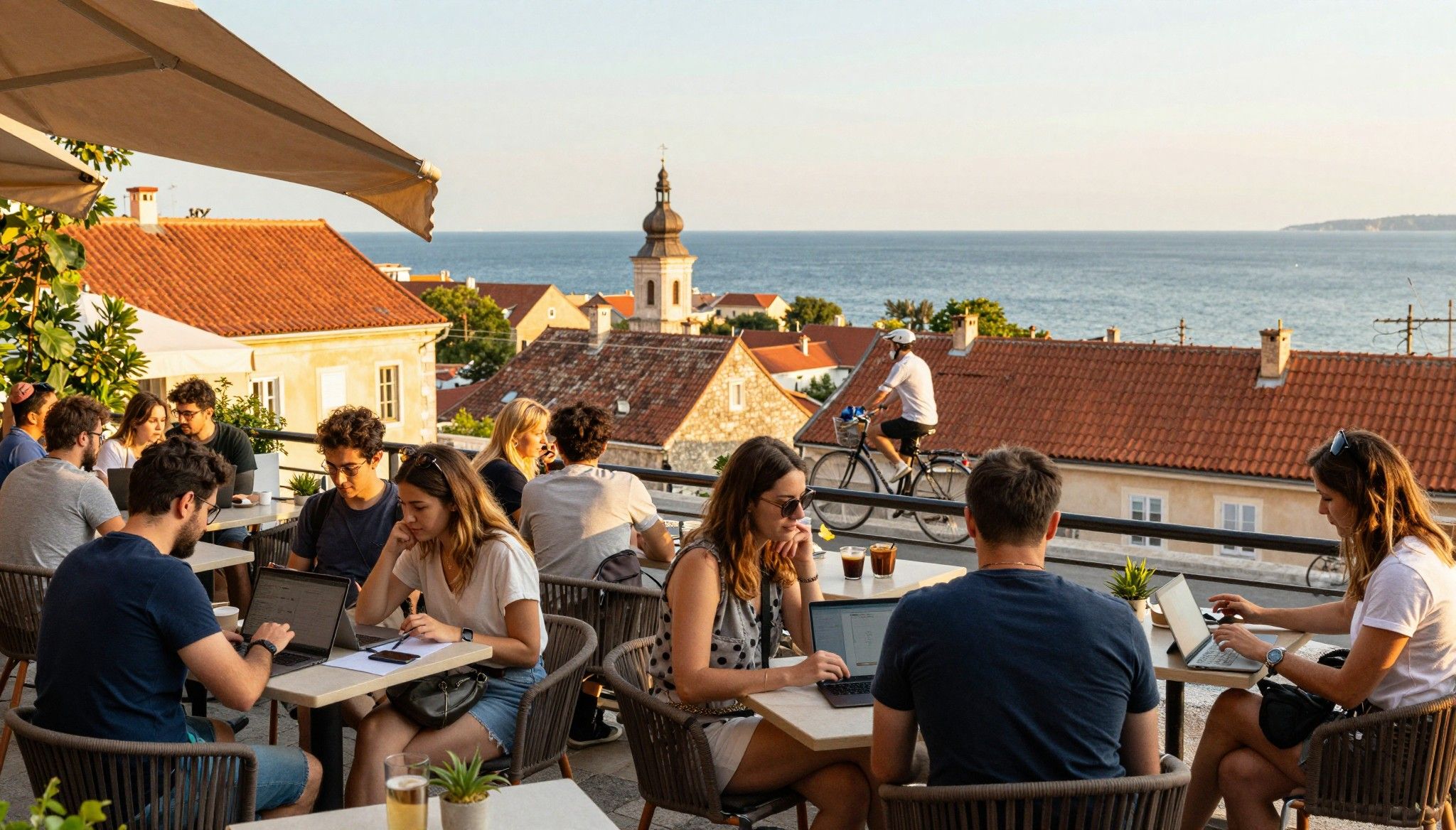
Croatia’s cities offer solid broadband and growing coworking scenes; Zagreb and Split lead on 5G and multiple coworking spaces, while coastal towns vary in speed and reliability. If remote work is central to your plan, budget for fiber or good mobile data and prioritize apartments near coworking hubs or cafés with reliable Wi‑Fi. A small premium for fast internet is often worth it for productivity and community.
Insider knowledge: what expats wish they’d budgeted for
Hidden costs and cultural realities that affect money and happiness
Buyers often forget seasonal maintenance (moisture in stone homes, summer air-conditioning servicing), local utility deposits, and municipality fees for coastal properties. Language and bureaucracy slow transactions if you’re not prepared; budgeting time (and a translator or agent) is as valuable as budgeting money. And when buying with rental in mind, factor in tourist tax, property management fees, and slow winter occupancy in many seaside towns.
Quick checklist: 6 budgeting red flags to avoid
Seller refuses to share recent utility bills; missing land registry entries or unclear ownership; unusually low price with no explanation; absent building permits or recent structural work; vague agency fees or surprise commissions; no local contacts for post-sale maintenance.
Conclusion: love the lifestyle, plan the math. Croatia rewards buyers who blend the romance of stone streets and sea breezes with meticulous budgeting and local expertise. Start by choosing the kind of life you want (city coworking or island calm), then run realistic totals that include transfer tax, notary and legal fees, and a contingency for seasonality. Connect with a local agency that knows both neighbourhood vibes and how the paperwork actually moves — they’ll protect your budget and help you buy the life you pictured.
Norwegian who has helped 200+ families relocate from Oslo to Spain; expert in relocation services and community integration.