Cyprus Cash Myth: When Mortgages Beat Paying Cash
Fall in love with Cyprus then finance it: lifestyle-led tips, lender realities, account setup and currency tactics backed by Central Bank and government data.

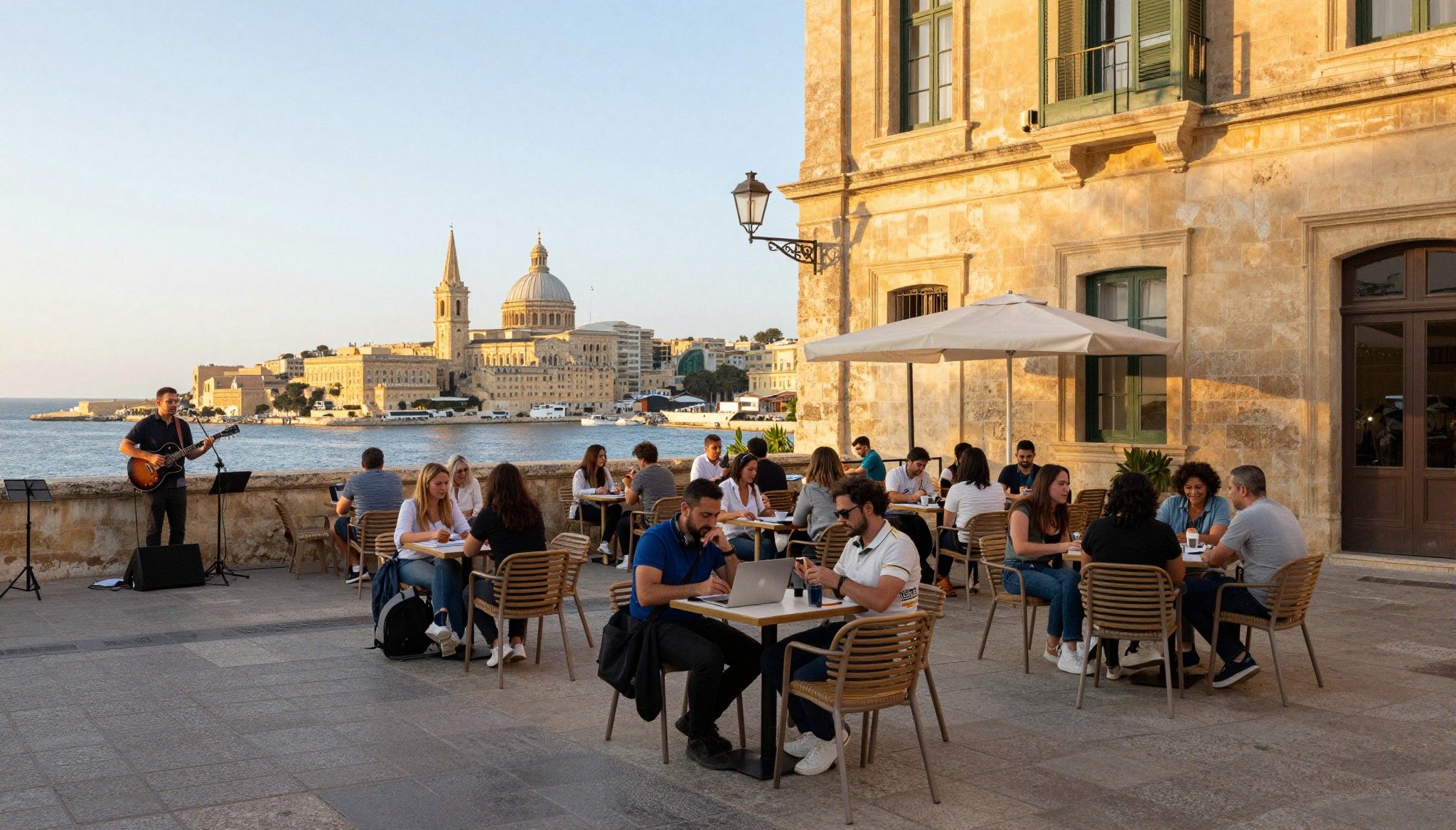
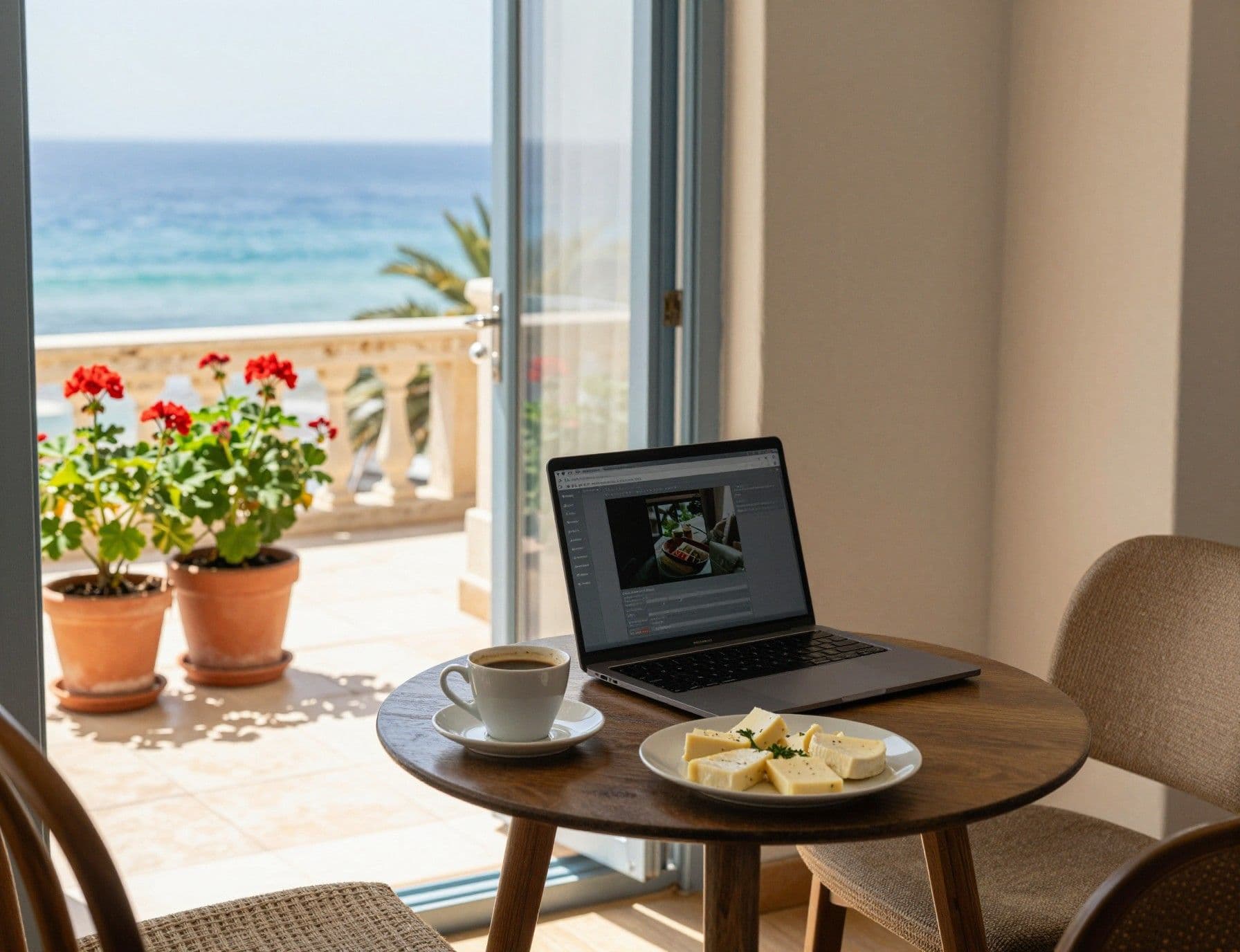
Imagine an early morning in Limassol: espresso steam, fishermen hauling nets at the marina and a neighbour opening their laptop on a sunlit balcony. Cyprus feels small and warm in every sense — island rhythms, pedestrian streets lined with citrus trees, and tavernas that know your name. But behind the golden light lies a practical puzzle: how to pay for this life, move money safely, and use local banking to make a purchase that fits your lifestyle. This guide blends the island’s everyday charm with clear, research-backed banking and financing steps so you can fall in love — and close with confidence.
Living the Cyprus lifestyle
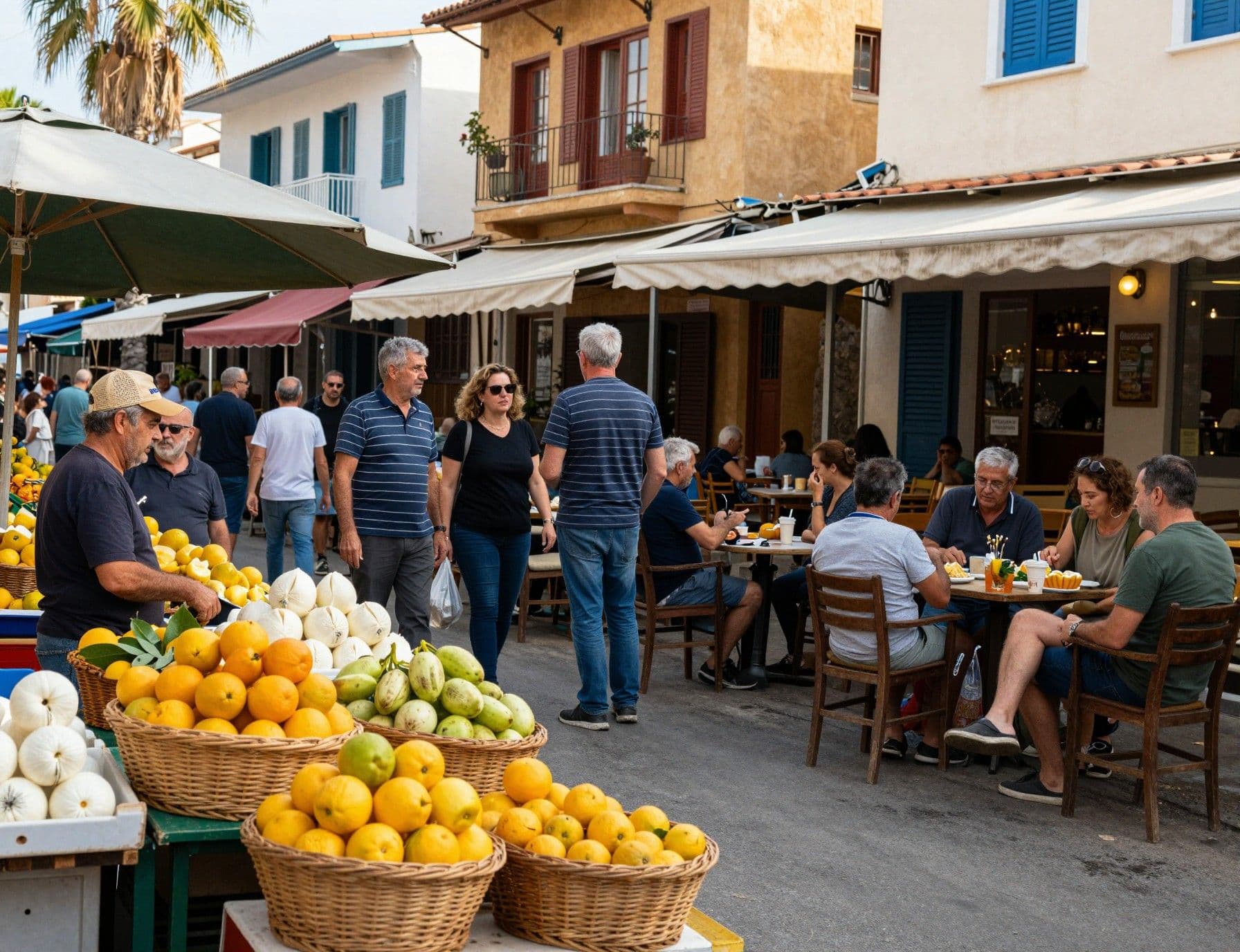
Cypriot life moves between sea and mountain. Mornings are for markets — Nicosia’s Ledra or Limassol’s Municipal Market — where olives, halloumi and strong coffee set the day’s tone. Afternoons drift to beaches like Kourion or Fig Tree Bay, where remote work often migrates outdoors; evenings gather in small squares for meze and music. For buyers, this blend matters: choose a home near the market and you get community; near the marina and you get social energy; tucked into a Paphos village and you get quiet and space. The lifestyle you want should shape mortgage size, bank access, and currency strategy just as much as the number of bedrooms.
Neighbourhood notes: Limassol, Larnaca, Paphos, Nicosia
Limassol hums with cafes on Anexartisias and yacht life near the Old Port; it’s where expats hunt for coworking spots and late-night food. Larnaca’s Finikoudes promenade and quiet residential roads attract families and nomads who want beaches plus a slower pace. Paphos offers historic charm around Ktima and Coral Bay’s coastal draws for buyers seeking value. Nicosia’s old town, with coffee houses spilling onto Faneromeni Square, is the island’s bureaucratic and cultural heart — useful if you need close contact with lawyers or banks. Each area influences financing choices: high-demand coastal zones often require larger down payments and stricter lender checks.
Food, weekends and the rhythm that shapes choices
Weekends in Cyprus are sensory: breezy fish tavernas, mountain trails in Troodos, and cultural festivals that light up villages. That rhythm influences what people buy — a terrace for afternoon shade, a compact kitchen for home‑cooked meze, or fast fibre internet for a seaside office setup. Local cafés like To Souvlaki in Limassol or Piatsa Gourounaki in Paphos become extension offices for many nomads, so proximity to these social work hubs matters more than square metres. Think lifestyle first: it will help you pick the mortgage term, neighbourhood, and whether to target rental income when calculating affordability.
Making the move: practical financing and banking
Cyprus’s property data show modest, regionally varied price moves — Limassol and Larnaca have led growth while Paphos has been softer. Use recent Central Bank and government HPI figures to set realistic budgets and avoid headline-driven overbidding. For financing, two practical truths matter: many purchases are still cash-driven, and banks now apply conservative lending criteria for non-residents. That split opens opportunities: if you can leverage a mortgage smartly, you may access better returns than paying cash upfront — provided you plan currency and transfer risks.
Property types and what lenders look for
Banks evaluate location, title clarity, local rental demand and the property’s EPC rating. New builds in Limassol’s marina or Larnaca’s coast may attract lenders more easily than rural renovations in Troodos. Many banks limit non-resident LTV to 50–60% and ask for 2+ years of documented overseas income, tax returns, and a Cyprus bank account. If you want buy‑to‑let potential, demonstrate realistic occupancy rates and holiday rental rules for the municipality to lenders — it affects loan purpose classification and interest margins.
Banking basics for international buyers
Open a Cyprus account early in the process: many agents, lawyers and the Land Registry prefer local transfers. Top banks — Bank of Cyprus, Eurobank/Eurobank Cyprus and AstroBank — have differing appetite for non-resident lending. Expect to provide passport, proof of address, tax ID, and sometimes an ARC or residency evidence; post‑2024 compliance tightened documentation. Also consider multi-currency accounts or specialist FX providers to lower conversion fees when moving large sums into euros.
Insider knowledge: myths, red flags and currency moves
Myth: 'You must pay cash to win in Cyprus.' Not true. Lenders still underwrite good loans, and offering a clean, bank‑backed financing plan can be persuasive to sellers who prize reliability. Red flag: properties without up-to-date title documentation or municipal completion certificates — insist your lawyer pulls Land Registry and planning files early. Currency tip: if your home currency fluctuates, stagger transfers or use forward contracts to lock rates for deposit and closing payments.
Practical steps: a numbered closing checklist
1. Open a local bank account and get a Tax Identification Number; 2. Appoint a Cyprus lawyer to run title and building checks; 3. Arrange proof of funds and speak to at least two lenders for pre-approval; 4. Use an FX provider to secure currency for deposit; 5. Request conditional contract terms that protect your funds until Land Registry transfer.
Lifestyle-first tips that change financing choices
Prioritise fibre and workspace over a large terrace if remote work is your income source; choose a smaller loan with faster payoff if you want mobility; plan for seasonal rental income by selecting municipalities with permissive short‑let rules; factor in generator/air‑conditioning costs in mountain or rural homes; schedule viewings outside peak tourist season to see the real neighbourhood tempo.
Conclusion — live the life, then structure the deal
Cyprus gives you salty mornings, noisy markets and slow Sunday afternoons — and with the right banking moves, it can give you a mortgage that makes that life affordable. Start by matching the lifestyle you crave to the finance structure you’ll need: neighbourhood choice, lender appetite, currency plan and the right local lawyer. Use the HPI and Central Bank reports when setting budgets, open a local account early, and get lender pre‑approval if you want negotiating power. Fall in love first, then close smart — and let a trusted local agent be the friend you call when the paperwork gets real.
Swedish, relocated to Marbella in 2018 to chase sun and property freedom. Focus on legal navigation and tax for Nordic buyers.