How Euro Timing & French Banks Stretch Your Budget
Pair France’s market stability with smart FX moves and local bank partnerships to turn lifestyle dreams into affordable property purchases.

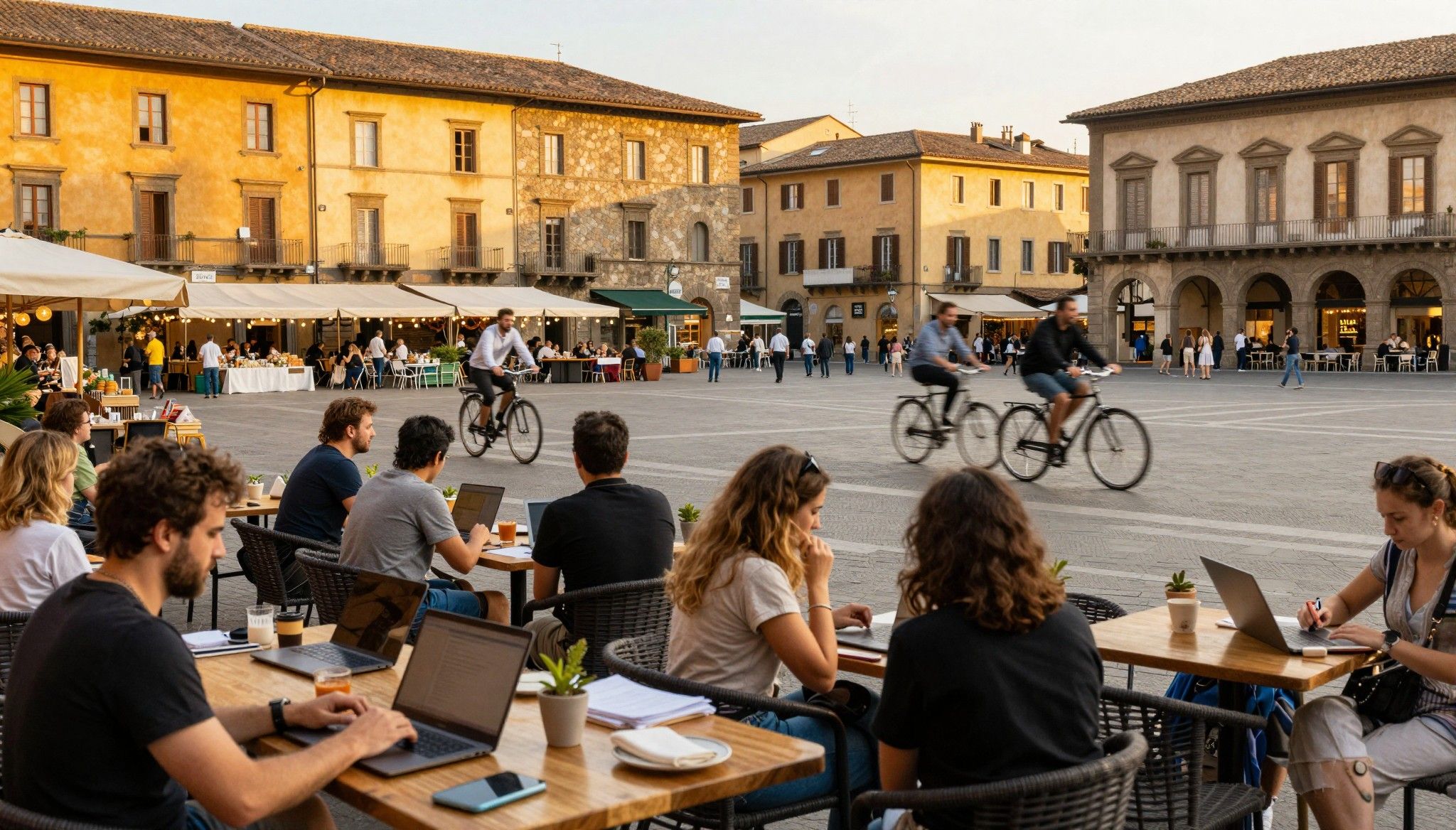
Imagine sipping an espresso on Rue des Martyrs in Paris one morning, then a chilled rosé on a sun-baked terrace in Aix-en-Provence the next. Living in France is a collage of slow breakfasts, noisy markets and unexpectedly efficient public services — and those rhythms shape how you should finance a purchase. With the market stabilising after recent fluctuations, timing your mortgage, currency transfers and bank relationships can stretch your euros further. This guide blends the life you’re buying — cafes, coastlines, coworking — with the banking moves that turn dreamy property into a smart purchase.
Living the France Life: What you’re really paying for
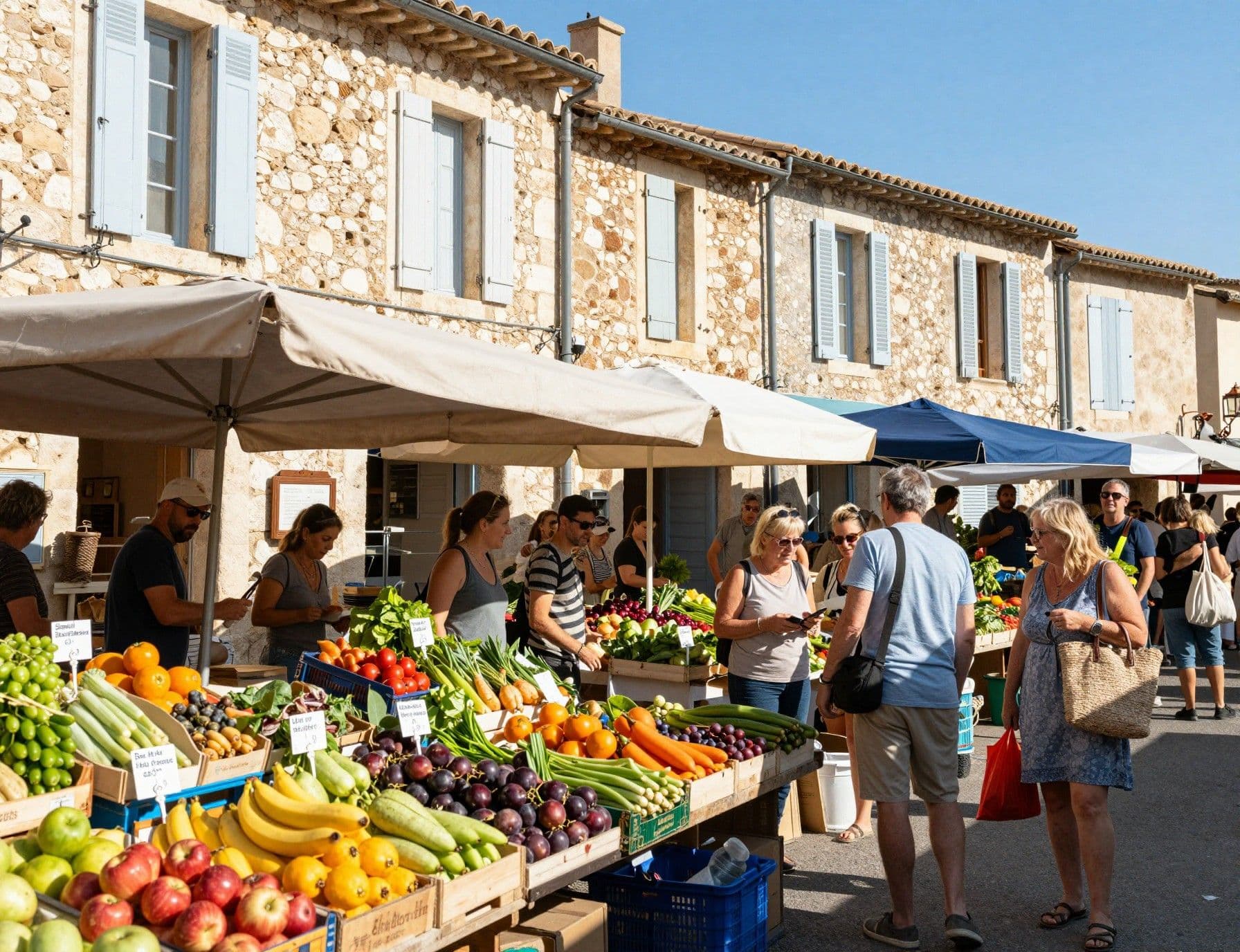
France isn’t one thing. It’s Parisian arrondissements that wake at noon, Breton coasts where boats set the pace, and Languedoc villages where the boulangerie lines up before sunrise. Those daily rhythms change what you value in a home: an apartment with a tight workspace and fast fibre in Lyon, a garden for seasonal entertaining in Dordogne, or a small pied-à-terre near the quai for weekend museum runs in Paris. When you budget, include lifestyle choices — proximity to markets, terrace size, and even the cost of local groceries — because they affect running costs and long-term happiness.
Paris & Île‑de‑France: energy, convenience, tradeoffs
Picture morning runs along Canal Saint‑Martin, lunch at a tiny bistrot and a 20‑minute metro ride to the office. That convenience commands a premium: Paris apartment prices remain high compared with the national average, so your bank strategy must reflect dense urban pricing. But recent Notaires/INSEE data shows stabilisation and pockets of negotiation, especially for renovation projects — which can be your opportunity if you’ve budgeted for works and a smart mortgage. Think: buy a liveable shell, convert with a renovation loan and work with a local notaire who knows Parisian quirks.
Provincial charms: value beyond the headlines
From Rennes to Montpellier, lifestyle gains often outpace price tags. Western and southern cities have seen renewed buyer interest and modest price gains, but you’ll often find larger spaces and outdoor living for the same budget as a small Paris flat. If your daily life imagines market mornings and long walks, provinces can deliver superior quality of life per euro — and lower property taxes in many communes. Pick neighbourhoods with cafés, co‑working spaces and a morning market; those are the liveability signals local agents actually look for.
- Lifestyle highlights to budget for
- Morning market runs (example: Marché Forville in Cannes)
- Reliable fibre and coworking (check local offerings in Nantes or Toulouse)
- Outdoor space for seasonal living (terraces in Marseille, gardens in Dordogne)
Making the Move: practical financing & banking with a lifestyle lens

Dreams meet decimals here. With national indices signalling slight growth and a steadier transaction volume, the smart buyer thinks about currency timing, mortgage structure and the difference between headline price and real cost after renovation, agency fees and notaire taxes. French banks lend to non‑residents, but terms vary; your down payment, income documentation and country of tax residence will change the offer. Layer in FX strategy: moving large sums at a better exchange rate can save thousands and increase your renovation budget.
Mortgage basics for non‑residents
French banks commonly offer up to 75–85% loan‑to‑value for EU residents and slightly lower for some non‑EU buyers depending on income proof and existing liabilities. Expect to present tax returns, bank statements and proof of job stability or remote income; some lenders accept foreign earnings if well documented. Shop both French and international banks: local lenders know municipal taxes and renovation allowances, while specialist international banks can offer multi-currency accounts and tailored FX services.
Work with banks that understand lifestyle use-cases
- Steps to get mortgage-ready as a nomad
- 1) Gather 12–24 months of income statements and contracts; show recurring remote income.
- 2) Open a French or Euro account early; it eases payment of notaire fees and ongoing taxes.
- 3) Lock FX or set a staged transfer plan when rates dip; large transfers are where buyers save most.
- 4) Get a pre‑approval (simulation) from at least two lenders — French and international — before making offers.
Insider knowledge: the quirks that save (or sink) deals
Buyers who win in France marry cultural awareness with technical moves. For example, renovation-hungry buyers can negotiate more flexibly in areas where sellers are open to price adjustments — but only if you’ve already lined up a renovation budget and a lender who accepts works‑in‑progress valuations. And while many expats assume Paris is the only expensive market, secondary cities and coastal pockets show surprising pockets of value and demand — local knowledge matters. Work with a notaire and a local agent who understand municipal rules, final metre measurements and the true cost of petits travaux.
Culture & daily life that affect finances
Small cultural details change costs: in many towns, biannual markets or municipal fees for waste collection add an extra annual line to your budget. Language matters — a quick French phrase or a local intermediary can speed approvals and smooth bank conversations. Expat forums and local Facebook groups will tell you the neighbourhood baker and the nearest co‑working hub, but your agent and notaire confirm the tax reality.
Longer-term view: growth, renovation and lifestyle sustainability
France’s market looks stable rather than explosive: modest regional growth, steady transaction volumes, and renewed interest in suburban and provincial living. That means buying with a lifestyle lens — choose a neighbourhood that matches how you work, play and recharge. If you plan to rent part-time, check local rental demand and short‑stay rules; if you plan to retire there, map health services and long-term maintenance costs before you commit.
- Quick red flags to avoid
- Properties with unclear cadastral records or missing diagnostics (ask the notaire and insist on DPE/diagnostics).
- Over-optimistic rental yield estimates in tourist zones without checking seasonal vacancy.
- Ignoring currency timing when transferring a large deposit — swap spreads can eat your renovation budget.
Conclusion: Fall in love, but finance smart
France sells a lifestyle first and a ledger second. Start by picturing the mornings you want and then reverse-engineer the financing to support that life: local bank relationships, a staged FX plan, renovation buffers and a notaire who knows the commune. Use the stabilised market to your advantage — negotiate on renovation properties, get pre‑approved across lenders and treat currency moves like a line item in your negotiation. When you pair local lifestyle insight with smart banking, France stops being only a dream and becomes a practical next chapter.
Norwegian who has helped 200+ families relocate from Oslo to Spain; expert in relocation services and community integration.