Love Italy, Buy Smart: Neighbourhoods, Fibre & Lifestyle
Italy’s daily charm meets market nuance: match neighbourhood vibe to fibre, coworking and seasonal rhythms to buy with heart and heads-up data.
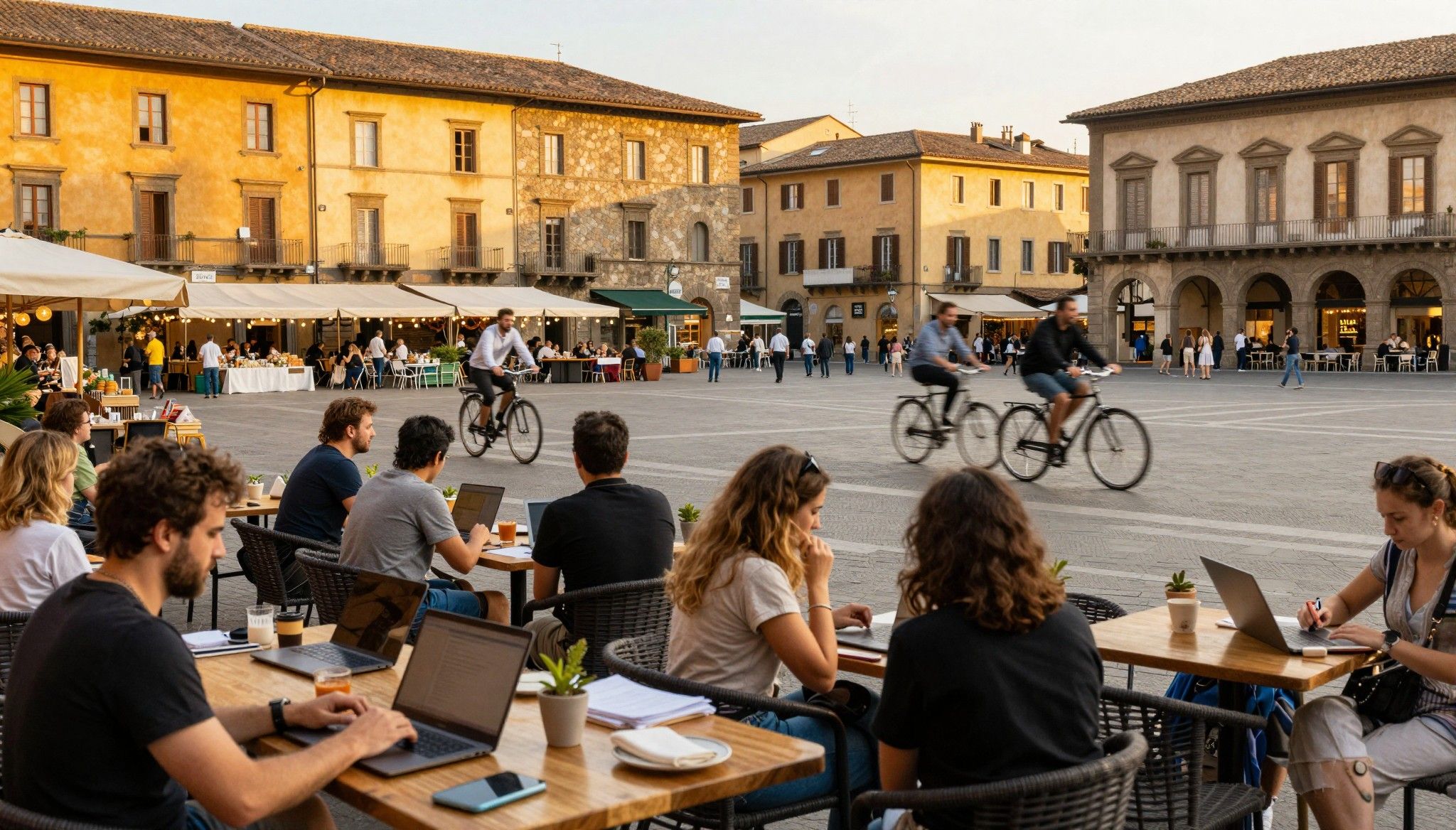
Imagine mornings that start with a double espresso on a narrow cobbled street in Trastevere, afternoons spent at a sunlit coworking in Milan, and weekends hunting for porcini at a market in Tuscany. Italy can feel like a lived-in postcard — every neighborhood has a rhythm, a scent, a ritual — but that romance meets real choices when you pick a place to call home. This piece tours the moods and micro-neighbourhoods that actually suit digital nomads and international buyers, and it pairs each scene with practical market signals so you can fall in love wisely.
Living the Italian lifestyle — not the headline
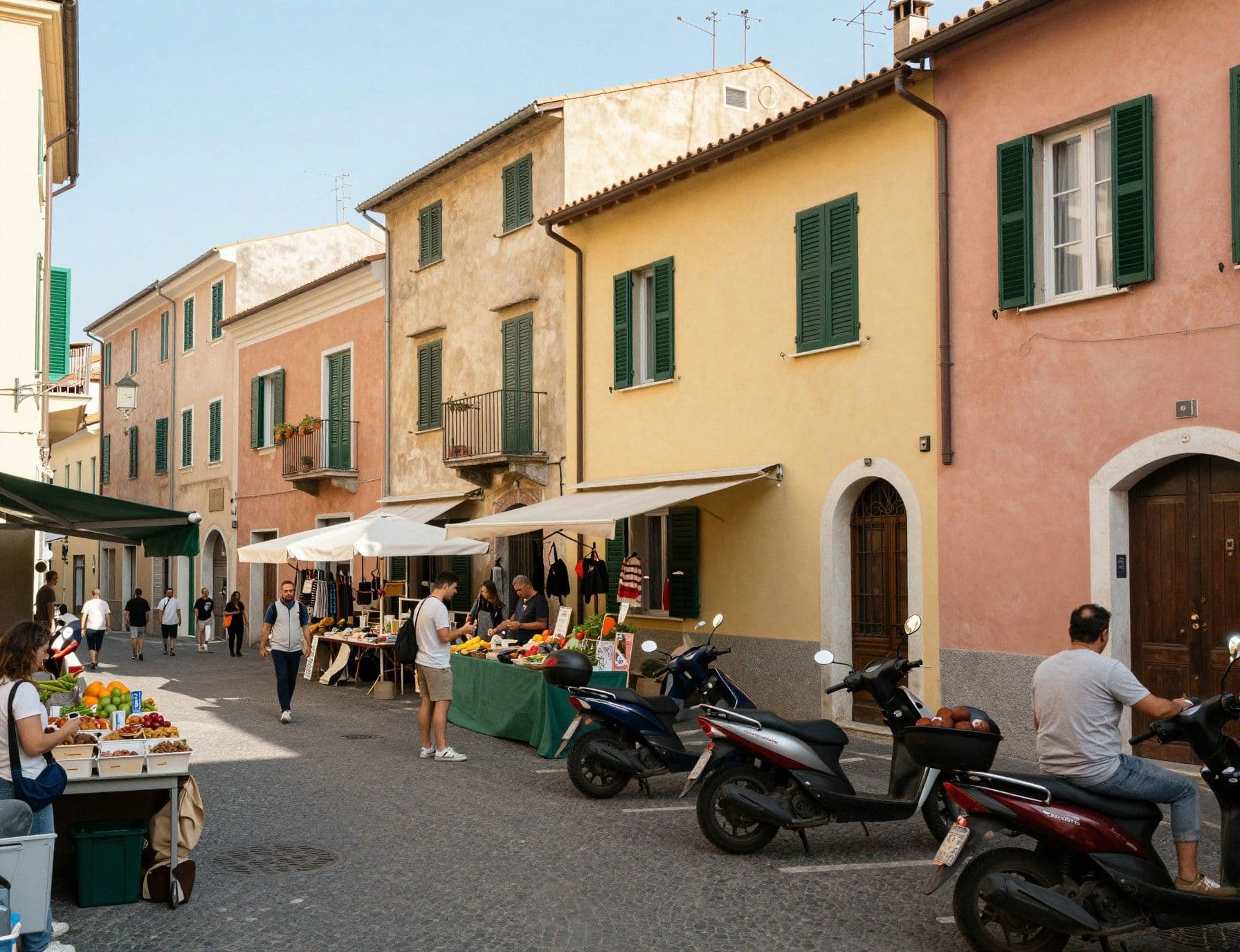
Italy’s daily life is famously social: late coffees, long lunches, and neighborhoods that fill up at golden hour. But there’s more than romance — there’s variety. Milan hums with coworking spaces, Aperitivo corners, and tram-lined streets that suit full-time remote work; Rome mixes ancient piazzas with new creative hubs; and smaller towns like Lecce or Bergamo offer lower rents and surprising quality of life. Recent market research shows transaction times and buyer behaviour differ a lot city-to-city, which matters when you're balancing lifestyle with speed of purchase.
Milan: ramps, coworking, and late-night espresso
Picture Porta Romana for low-key bars, Navigli for weekend riverside life, and Isola for the creative crowd working between meetings at local cafés. Milan offers the best commercial infrastructure for nomads: fast trains, plentiful coworking, plenty of short-term rental turnover and a strong startup scene. Expect higher prices and faster decision windows here — but also more services that make remote work simple, from reliable delivery to plentiful international groceries.
Rome & Florence: slow mornings, artful evenings
In Rome, choose between Trastevere’s buzzy lanes and Prati’s quieter, family-friendly blocks; in Florence, Oltrarno feels artisan and personal while the historic centre is tourist-heavy by day. Both cities reward curiosity: impromptu concerts, tiny enoteca discoveries, and piazzas that become living rooms. For buyers this means considering noise, tourism seasonality and short‑term rental potential — the same cobblestones that charm also bring visitor peaks that can change your daily life.
- Lifestyle highlights to match a property search
- Morning espresso on Via dei Coronari (Rome) — pick a flat with a small balcony for people-watching
- Coworking near Corso Buenos Aires (Milan) — prioritise fibre broadband and desk-friendly layouts
- Weekend market routine in Campo de' Fiori (Rome) or Mercato Centrale (Florence) — choose a kitchen that lets you cook seasonal finds
Making the move: lifestyle meets market reality

That cosy image collides with numbers: Italy’s house prices rose moderately in recent quarters and behaviour varies by city and by old vs new stock. National statistics from ISTAT show price growth in recent quarters, led by second-hand homes in major cities, while industry reports note regional differences and the time it takes to close a deal. For an international buyer this matters: choosing the right neighbourhood can save months in closing time and thousands in negotiation room.
Property styles and how you'll actually live in them
Historic apartments with high ceilings bring charm but often mean retrofit work for insulation, wiring and home‑office setup. Newer conversions near transport hubs usually have better fibre, more efficient heating and private outdoor space — perfect for a nomad who hosts meetups or needs a quiet workspace. Think beyond square metres: ask about natural light, mobile reception in the apartment, and where the nearest quiet café is for calls.
Working with local experts who understand lifestyle fit
A neighbourhood-savvy agent will show properties based on your day-to-day needs: commute times, coworking access, and where your people hang out. Ask agents for recent examples of international buyers they’ve helped and for walk-time maps to key amenities like the nearest post office, supermarket, and a reliable café for calls. Local experts can also flag faster closing routes — Nomisma’s observatory describes average transaction timelines that differ by city, so lean on a local who knows the shortcuts.
- Checklist that blends lifestyle and practical checks when viewing (do these in-person or virtually)
- Confirm fibre or fixed broadband availability and test upload speed during peak hours.
- Visit at two times of day to check noise, sunlight, and weekend foot traffic.
- Ask for recent condominium (condominio) minutes and utility cost averages to avoid surprises.
Insider knowledge — expat truths and seasonal realities
Expats often tell the same three stories: the joy of cafe culture, the shock of slow bureaucracy, and the surprise that internet quality can vary block-by-block. Italy’s national broadband has improved but urban fibre penetration and provider quality differ greatly, so plan for a backup mobile hotspot and confirm FTTH availability if fast upload matters. Seasonality also shapes life — coastal towns pulse in summer and quiet down in winter, which affects local services, rentals and the tone of daily life.
Cultural integration and finding your community
Learn a few local phrases and show up to market mornings and aperitivo hours — social life in Italy pivots on small rituals and consistent presence. Join local meetups, language exchanges and neighbourhood WhatsApp groups; many expats say their first friends came from a weekly market or coworking event, not an app. Respecting local rhythms — slow shop hours, long lunches, and Saturday market routines — unlocks richer local ties faster than any formal network.
How life changes after you buy
Owning in Italy often means becoming part of a micro-community — condo assemblies, market stall owners and the barista who remembers your order. Over time you'll swap travel guides for calendar invites to local festas and neighborhood harvests. Plan for gradual integration: budget for modest works, meet the building’s administrator (amministratore), and accept that some systems move slowly — but that slow rhythm is part of the Italian charm for many buyers.
- Red flags nomads should watch for when considering a purchase
- No confirmed fibre or poor mobile coverage — a deal-breaker for remote work.
- Excessive tourist rental turnover that makes daily life noisy and unpredictable.
- Missing condominio minutes or unclear shared-cost histories — these often hide future bills.
Conclusion: fall in love, then confirm with data. Italy gives you cafe mornings, seasonal rituals and neighborhoods that feel like families. But don’t skip the practical checks: confirm broadband, ask for recent condo minutes, and work with an agent who knows the city’s micro‑rhythms and market signals. If you pair curiosity with a few local experts and a short data checklist you’ll get a home that feels Italian from day one and works for the life you want to lead.
British expat who moved from Manchester to Mallorca in 2017. Specializes in market analysis and helping fellow Brit navigate local regulations.