Fall for France — Then Plan the Money (Notaire, Mortgage, Neighbourhood)
Fall for France's lifestyle, then plan financing: understand notaire fees, local price stability, and practical steps to match your dream neighbourhood with a mortgage.
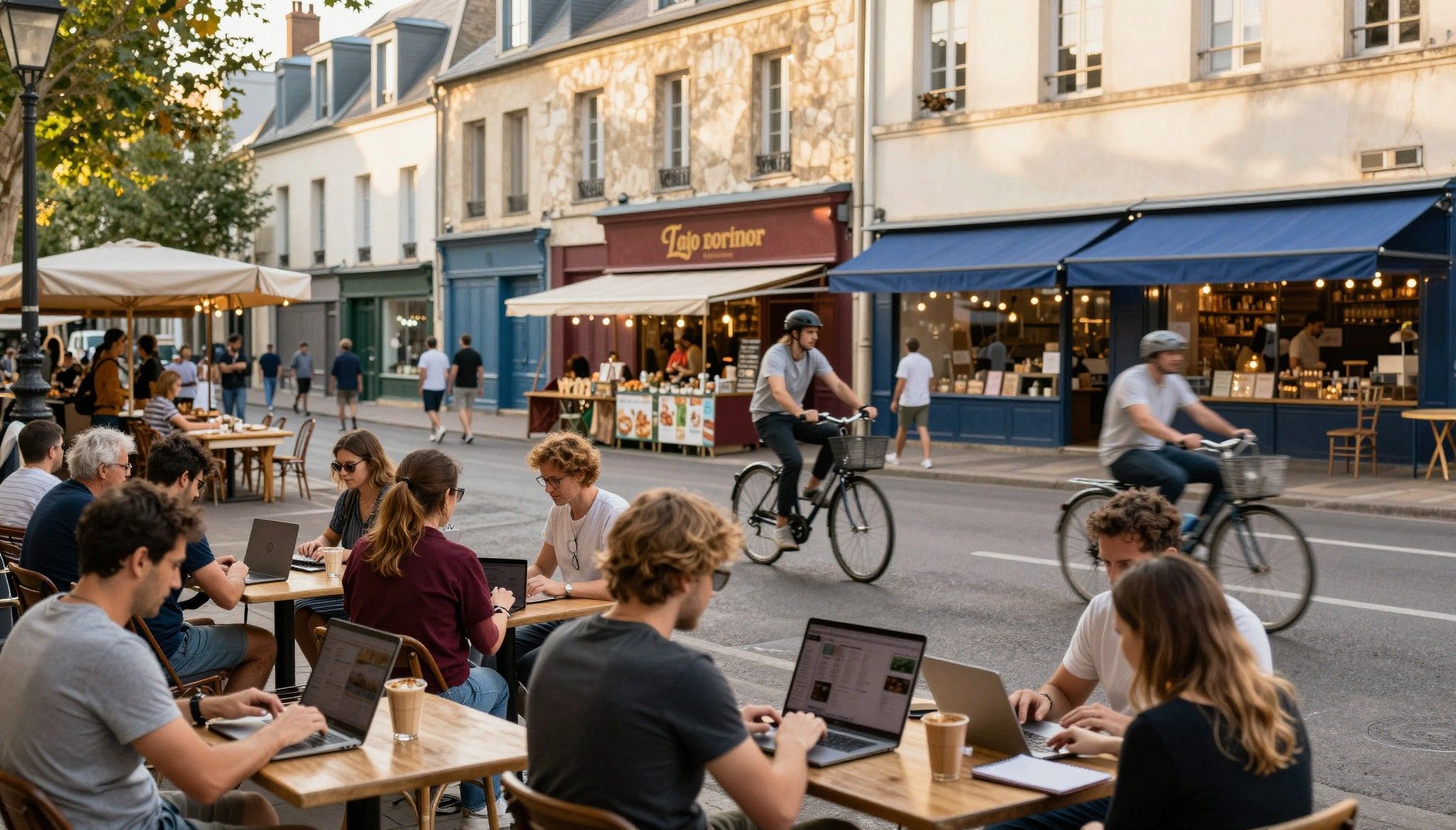
Imagine waking up in a sunlit Parisian apartment, crossing the street to a boulangerie, then settling into a café with fibre-fast Wi‑Fi for an afternoon of work. That dream is the easy part — the part that hooks you. The harder, smarter part is matching that life to a bank, a mortgage and the small local rules that actually shape what you can afford in France.
Living the France life — what really feels like home
France is many lives in one country: sea-salted mornings on the Côte d'Azur, slow-lunch rhythms in Bordeaux, bike-friendly bumpkins of Nantes, and the postcard lanes of Le Marais or Saint-Germain. For a nomad, that means choices: a coastal apartment with a balcony for early swims, a village house with a garden for weekend produce, or a compact city flat near coworking hubs.
Neighborhood spotlight: Paris — Le Marais vs. Canal Saint‑Martin
Le Marais hums with galleries, historic façades and coveted boulangeries — great for culture-first nomads who want museums and walkable streets. Canal Saint‑Martin feels younger: relaxed bars, independent bookstores and strong coworking scenes. Both are expensive, but your lifestyle — music, food, work hours — decides which price is worth paying.
Food, weekend routines and the rhythm of seasons
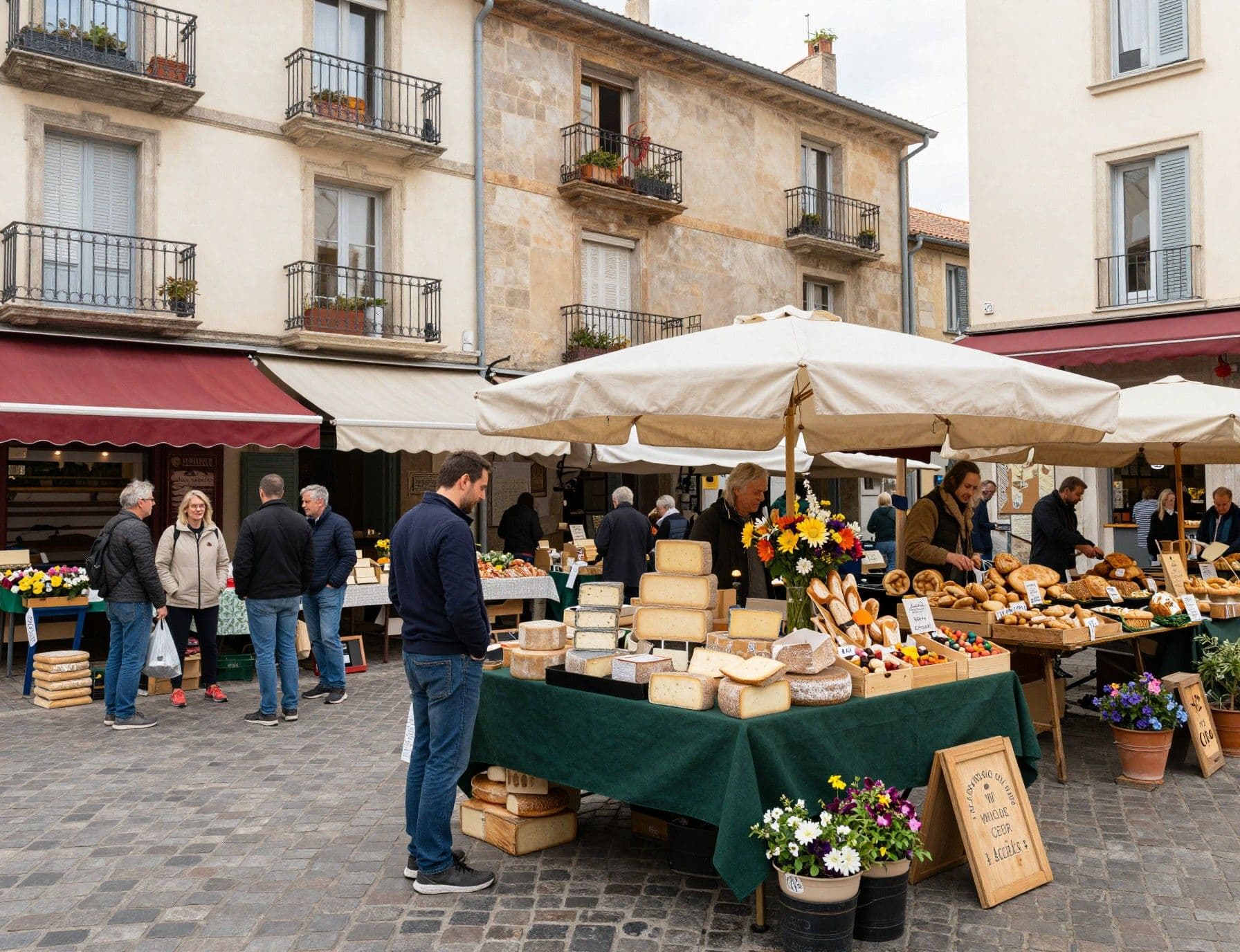
In Aix‑en‑Provence, Saturdays mean markets full of lavender and chèvre; in Lyon, they mean bouchons and wine. Summers in Biarritz are surfing mornings and long aperitifs while winters in the Alps trade surf for lifts and cosy wood stoves. Those seasonal choices change not only your life but your property needs — insulation, shutters, and outdoor spaces become lifestyle features.
- Lifestyle highlights: Marché des Enfants Rouges (Paris), Plage du Prado (Marseille), Vieux‑Port farmers’ stalls (Bordeaux), coworking cafés on Cours Julien (Marseille)
Making the move: money, banks and the French financing reality

Dreams meet spreadsheets here. After a quiet correction in 2023–24, national prices have stabilized with slight growth in some cities — a pattern captured by Notaires de France and INSEE. That stability means banks are pickier, not impossible: lenders now scrutinize income streams and typically expect buyers to cover notaire fees and any buffer for currency swings.
Property types, lifestyle fit and finance trade-offs
A renovated village house gives outdoor space but may need investment in insulation and remote-work connectivity. A modern flat in Nantes or Toulouse offers fast fibre and access to coworking but comes with homeowners’ association fees. Choose the property type that lowers monthly friction — strong Wi‑Fi, a quiet corner for calls, and simple maintenance matter more than marble counters in the long run.
Banking basics & closing costs: expect 2–3% of price for new builds and roughly 7–8% for older homes as 'frais de notaire' (the bulk are taxes not notary pay). Many lenders require proof you can cover those fees from savings — factor them into your deposit plans early.
- Practical steps to finance a purchase in France: 1) Get a mortgage pre-approval from a French bank or international lender familiar with cross-border clients. 2) Budget for 7–8% notaire fees on old stock (2–3% new build). Use the official notaire simulator to estimate precisely. 3) Consider currency risk: if your income is in a different currency, plan for hedging or a larger cash buffer. 4) Secure life and mortgage insurance — French lenders often require cover from a French or EU‑approved insurer.
Insider knowledge: tricks locals use and expats wish they'd known
Here’s the honest stuff: locals often prioritise neighbourhood rhythm over square meters. That means a smaller flat on a lively street can deliver more daily joy than a larger, quieter one elsewhere. Expat buyers sometimes overpay for views and under-budget for recurring costs like taxe foncière or co‑propriété charges. Learn the local language of listings — 'travaux à prévoir' is a red flag if you lack renovation bandwidth.
Cultural cues that steer price and lifestyle
In many French towns, living near the marché or church square increases life quality but also demand. In coastal areas, second‑home taxes and seasonal short‑let pressure change market dynamics — communities with many second homeowners can feel empty off‑season. If you want year‑round vibrancy, prioritise towns with diversified economies (students, tech hubs, local industry).
- Expat quick wins: local wisdom to adopt • Open a French bank account early (many agencies help with remote onboarding). • Bring translated, notarised documents for income proof — it speeds mortgage underwriting. • Ask agents about historic co‑propriété charges (big surprise costs lurk there). • Meet neighbours — community knowledge reveals noisy streets, building quirks and hidden perks.
Longer term: INSEE shows prices were broadly stable through 2025, which means patient buyers can find value if they look beyond headline hotspots. That patience, plus smart financing and a local agency who understands lifestyle trade‑offs, turns a good purchase into the French life you imagined.
- How MoveSettleGo-style local agents help (steps you can expect): 1) Lifestyle audition: agent walks you through 3 micro-neighbourhoods at different times of day. 2) Finance translation: they coordinate with bilingual mortgage brokers to present your income clearly to banks. 3) Due‑diligence handoff: notaire introductions, charge checks, and a clear closing budget including notaire fees. 4) Post‑move: local contacts for insurance, internet installs and community meetups so you settle fast.
Conclusion — fall in love, then make the numbers sing
France offers a life that’s richly textured and regionally distinct. Start with the scene you want to wake up to, then build the finance around it: bank conversations before house hunting, notaire-cost buffers in your deposit, and a local agent who knows where the cafés open early for remote calls. Do that, and you won't just buy property — you'll buy the day‑to‑day life you came for.
Swedish, relocated to Marbella in 2018 to chase sun and property freedom. Focus on legal navigation and tax for Nordic buyers.