Fall for Italy, Then Plan: Lifestyle, Visas & Tradeoffs
Italy delivers slow‑lived charm and nimble nomad infrastructure — test a neighbourhood, match property type to your workflow, and pick a consulate‑savvy agent for visas.
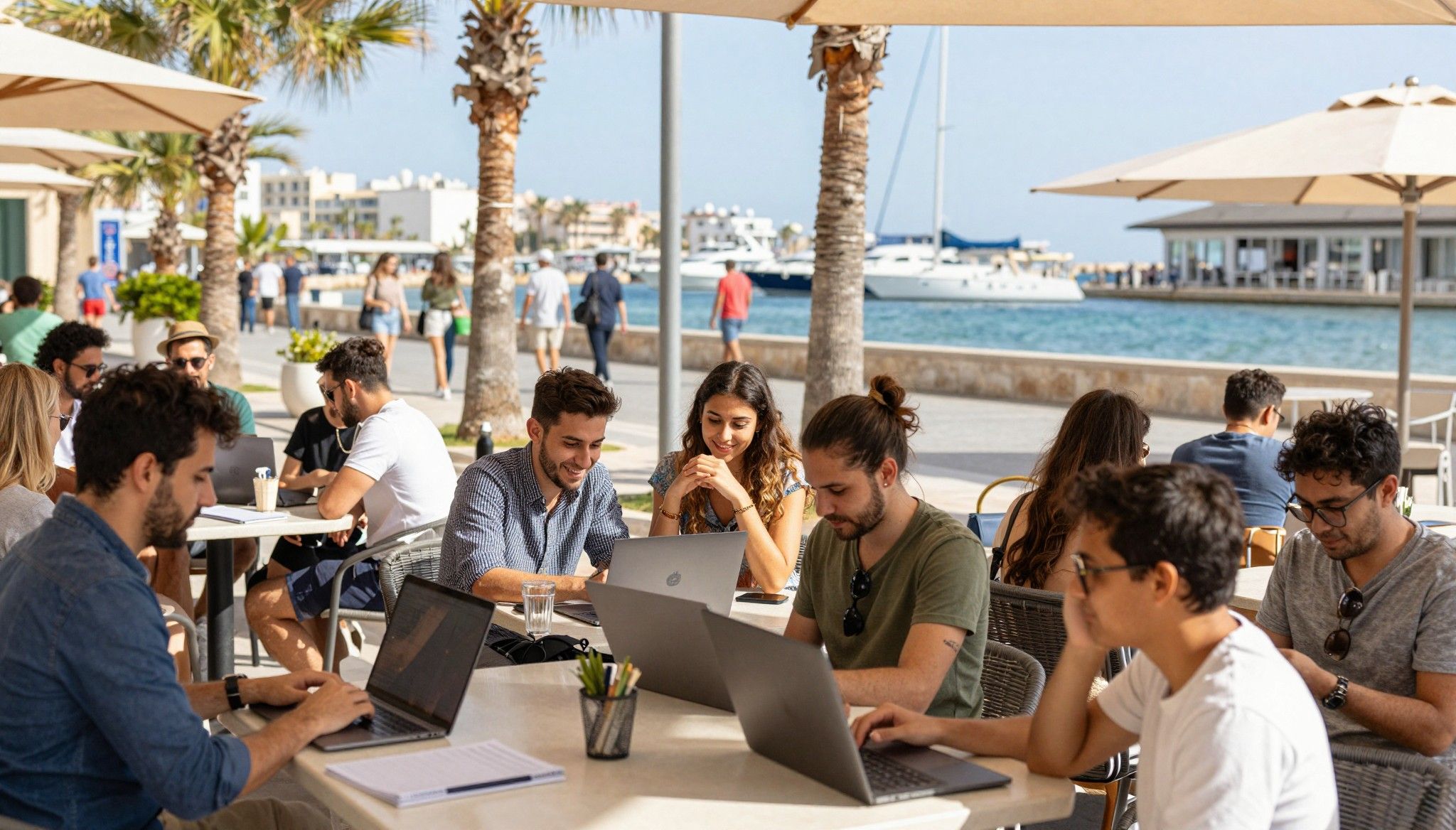
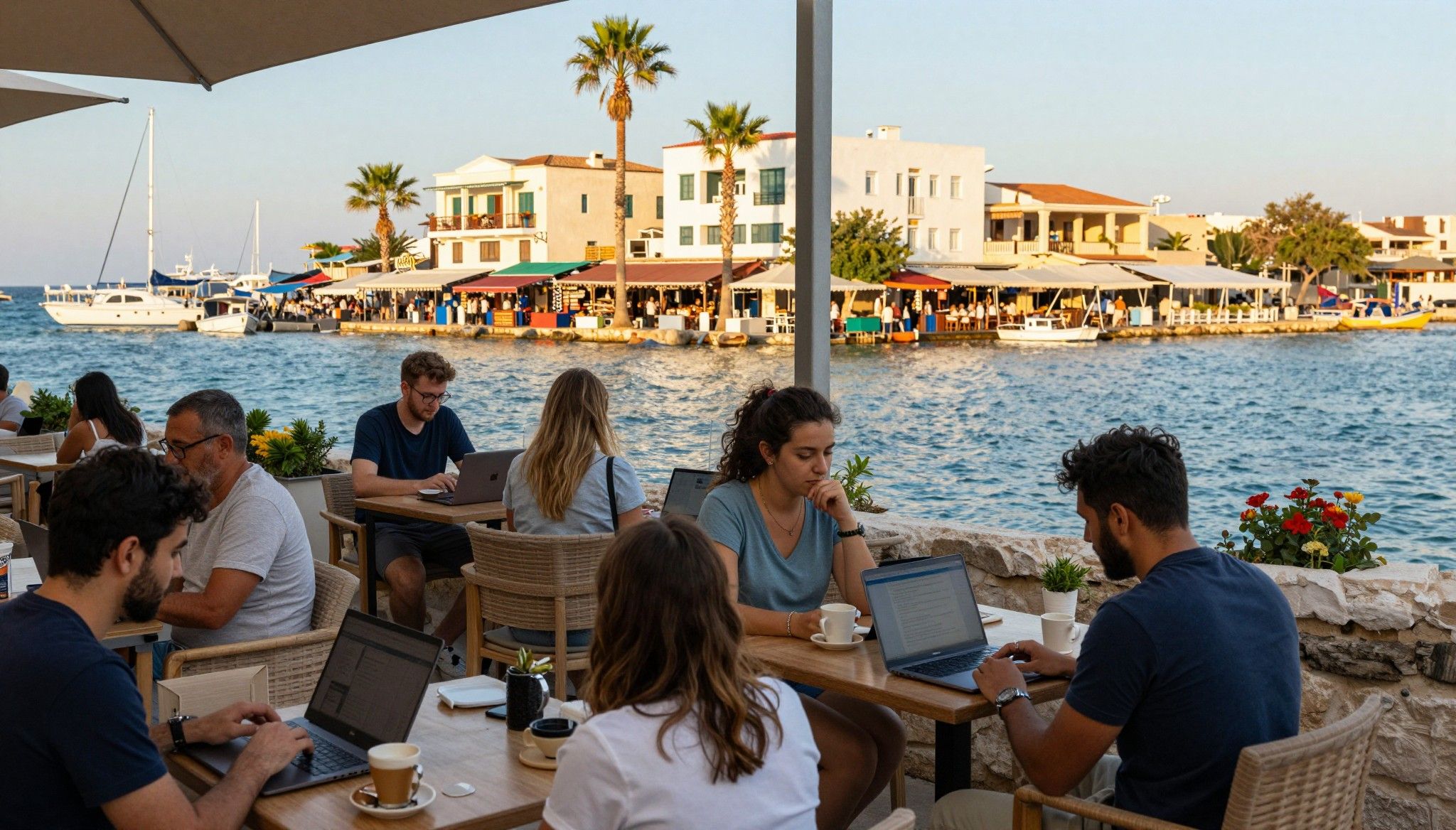
Imagine morning espresso at a tiny marble-topped bar in Trastevere, then a noon walk past sun-warmed terracotta facades to a coworking space with fibre-fast internet. Italy moves slowly where it matters — meals, festas, passeggiate — and fast where nomads need it: cafes with sockets, compact apartments with terraces, and surprisingly efficient regional transport.
Living the Italy lifestyle
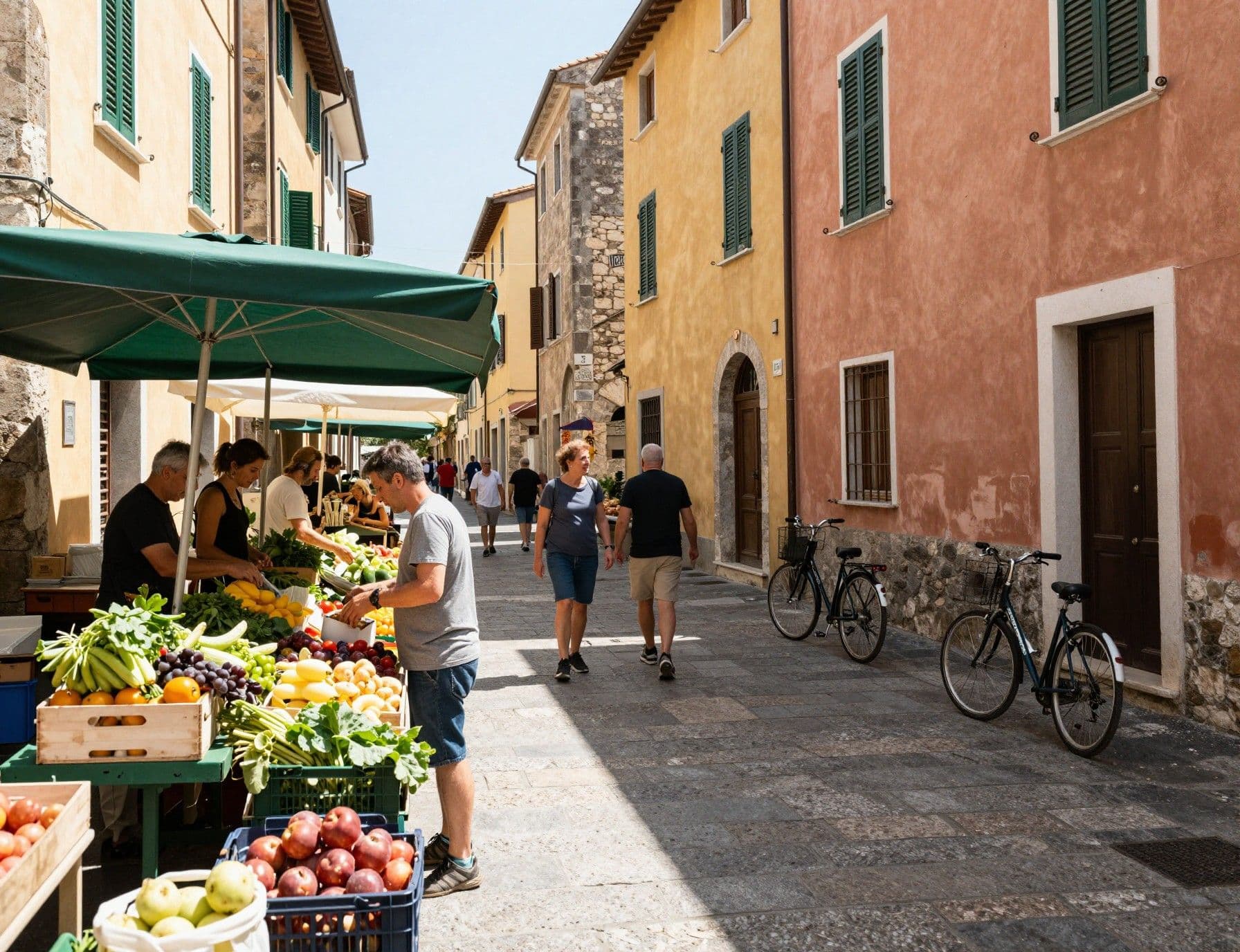
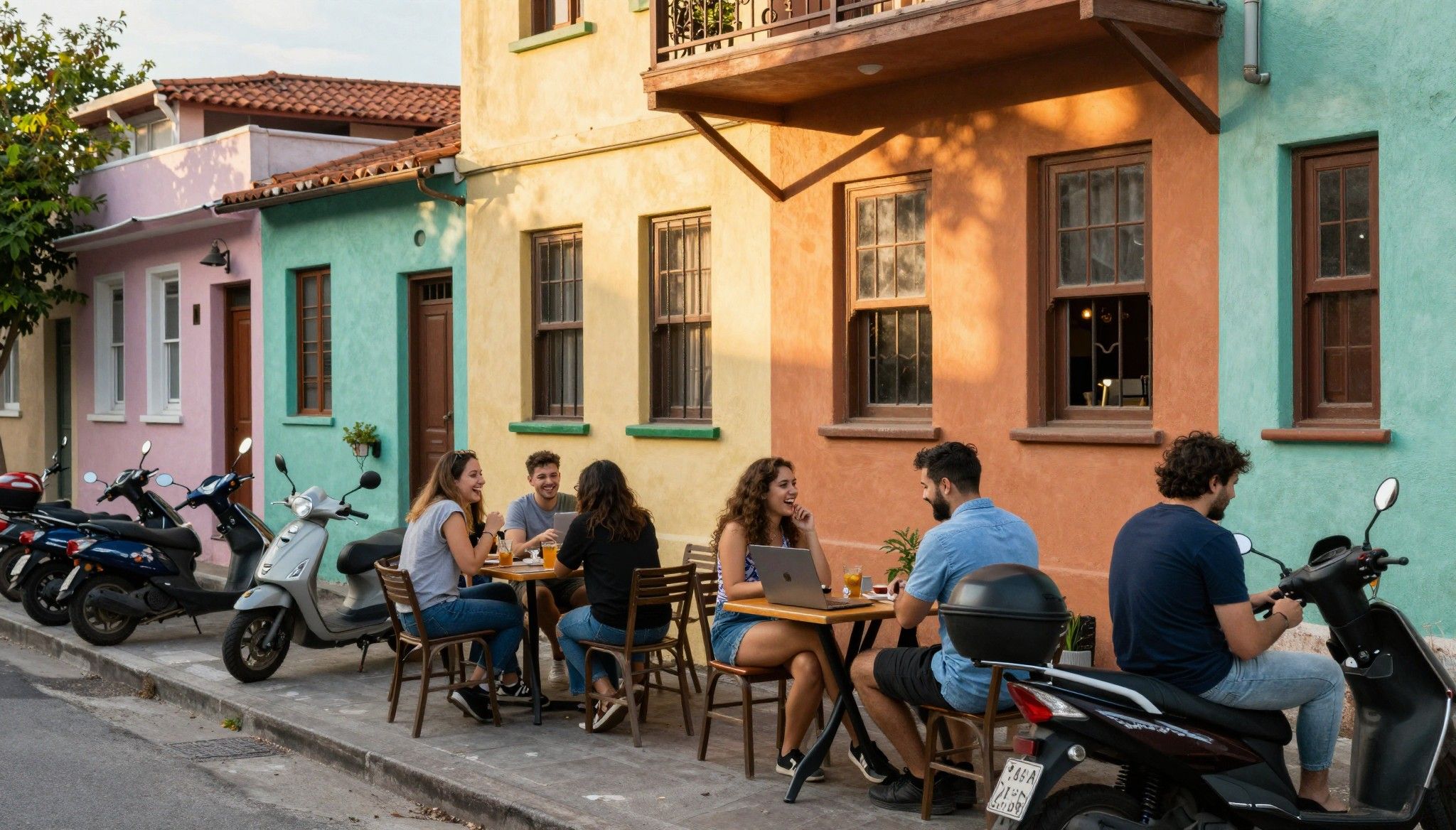
Italy is many lives at once. In Rome's Trastevere you’ll hear accordion strains at dusk and find trattorie that have fed families for generations. In Milan’s Navigli, canals shape nightlife and designer ateliers mix with espresso-fuelled freelancers. Coastal towns like Cefalù or Amalfi feel like summer slowed to a beautiful pace — but inland hilltowns such as Orvieto or Pienza offer year-round community and cheaper stone houses.
Neighborhood spotlight: Rome (Trastevere) vs Milan (Navigli)
Trastevere is alleyways, evening apertivi and expatriate meetups; good for long-term immersion and slower weekends. Navigli pulsates with startup energy, coworking options, and train links — better if your work rhythm needs reliable meetings and coffee-shop hours. Both deliver walkability, markets, and those small local rituals that make a place feel like home.
Food, markets and the slow clock of everyday life
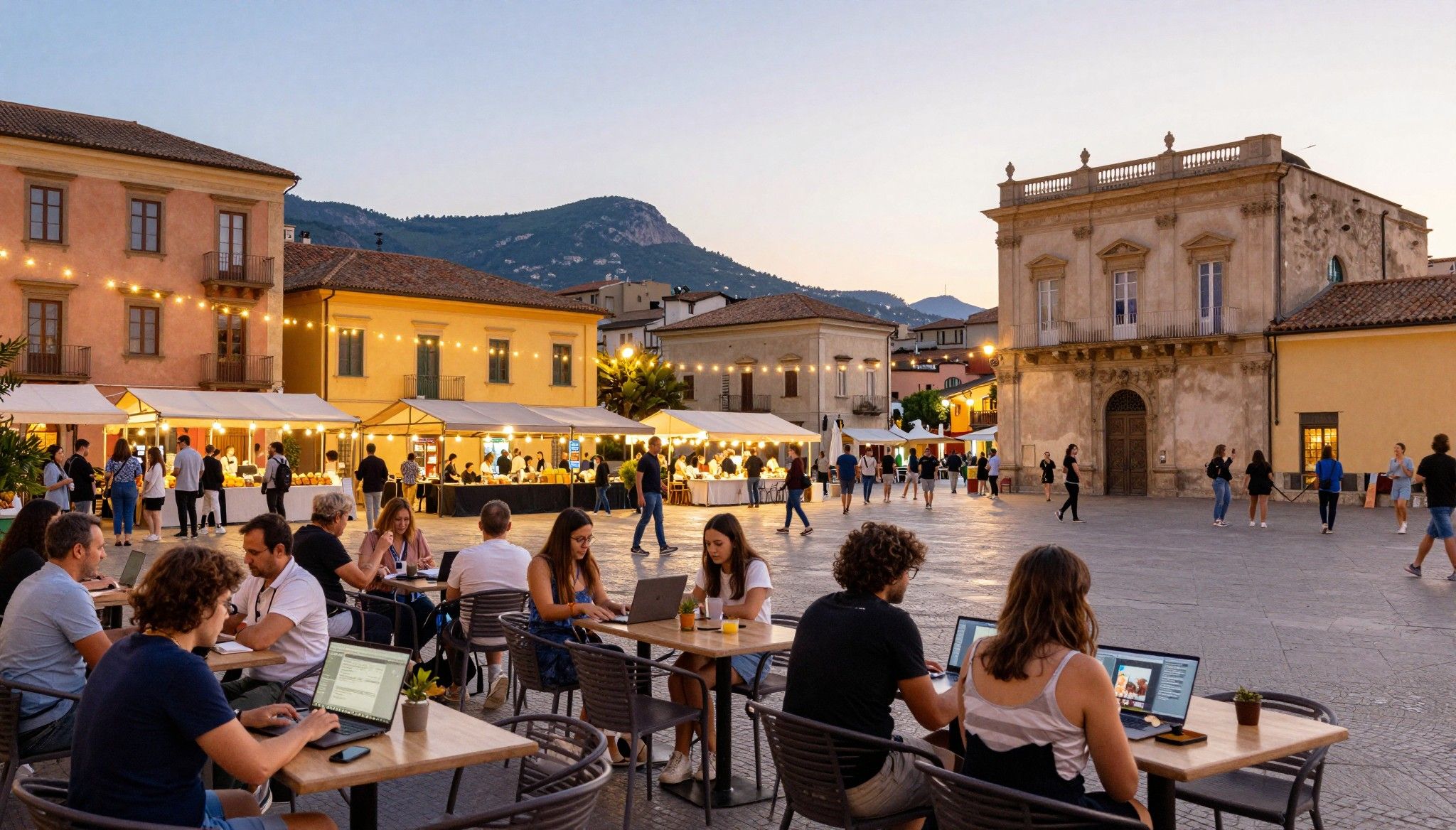
Markets set the weekly rhythm. Picture picking burrata at a Palermo mercato on Saturday, then joining a small neighbourhood festa on Sunday. Food here is social infrastructure: neighbourhood osterie, morning cafés on Via Cavour, and late-night passeggiate that turn strangers into faces you recognize at the market.
- Lifestyle highlights: local rituals that shape days
- Morning espresso at a standing bar (try Caffè Greco in Rome) — fast, cheap, social
- Weekly mercato shopping — fresher food, better prices, local conversation
- Aperitivo culture — affordable social evenings that replace expensive nightlife
Making the move: practical considerations

The dream of daily life here is tangible — but you’ll also want realistic signals before committing. National housing indexes show modest but steady price growth in major cities (see ISTAT), while smaller towns can offer steep discounts and bigger terraces. Think lifestyle first, then run the numbers: commute time, fibre availability, renovation needs, and seasonal demand for rentals if you plan to let the property.
Property styles and how they shape daily life
A 17th‑century palazzo apartment gives you thick walls and history — and sometimes noisy heating systems and complicated renovations. A modern Milanese flat brings better wiring and fibre. Country villas give outdoor space and privacy but often require car ownership. Match property type to your workflow: rooftop terraces and quiet corners for calls, compact kitchens if you love markets, and proximity to coworking if deadlines matter.
Working with local experts who know the lifestyle
Local agents do more than show properties — they translate neighbourhood quirks, help test internet speeds at different hours, advise on neighbourhood festa calendars, and suggest renovation teams. For residency questions, consular checklists for the Elective Residence Visa and new temporary entries for digital nomads vary by consulate; use an agent who coordinates with immigration specialists so lifestyle goals align with real visa pathways.
- Steps that blend lifestyle and logistics
- 1) Short stay first: rent in a vibrant neighbourhood for three months to test morning routines, internet, and the market.
- 2) Hire a multilingual agent who knows local fiestas, noise patterns, and seasonal rental demand.
- 3) Verify fibre and mobile coverage during work hours; ask sellers for last-mile provider names and speeds.
Insider knowledge: expat tradeoffs & visa realities
Two visa notes shape decisions: the Elective Residence Visa (for those with passive income) and evolving digital-nomad/work visas whose availability and document lists still depend on your consulate. Some consulates publish clear checklists; others apply rules case-by-case. That inconsistency changes timing: where you apply matters almost as much as how much you earn.
Cultural integration and daily social life
Learn enough Italian to order at markets and join local groups — that small effort opens invitations to dinners, local volunteer days, and the slow network that makes neighbourhoods feel like home. Expect bureaucracy to be formal; patience and a friendly local fixer (often a real estate agent or accountant) save weeks. The payoff is deep: shared lunches, school fetes, and neighbours who bring cake.
Long-term lifestyle: seasons, festivals and property value
Seasons change lifestyle and price. Coastal towns swell in summer, so short-let income peaks then; hilltowns have steadier year-round demand. National data show modest price rises in cities and more varied movement elsewhere, so buy with a 5–10 year horizon and factor renovation seasons (winter slows trades; spring is busiest for contractors).
- Red flags buyers often miss
- Unclear ownership histories in rural properties — always check the land registry (Catasto) and local permits
- Seasonal connectivity drops in remote areas — run live-speed tests at 9am and 6pm
- Assuming consulates behave uniformly — visa practice, especially for nomad entries, varies; confirm with the local consulate site
Conclusion: Italy rewards those willing to slow down enough to feel it. Start with a short stay in a neighbourhood that matches your work rhythm, hire an agent who understands festivals and fibre, and treat visa questions as location-specific logistics — whose answers live on consulate pages. Fall in love first; line up the paperwork second.
Danish investor and relocation advisor focusing on Portugal and the Algarve; loves coworking culture and expat networks.