Finance the France Life: Mortgages, Notaires & Bank Moves
How to finance a life in France: lifestyle-led advice plus practical steps on mortgages, notary fees, banking and currency for non-resident buyers.

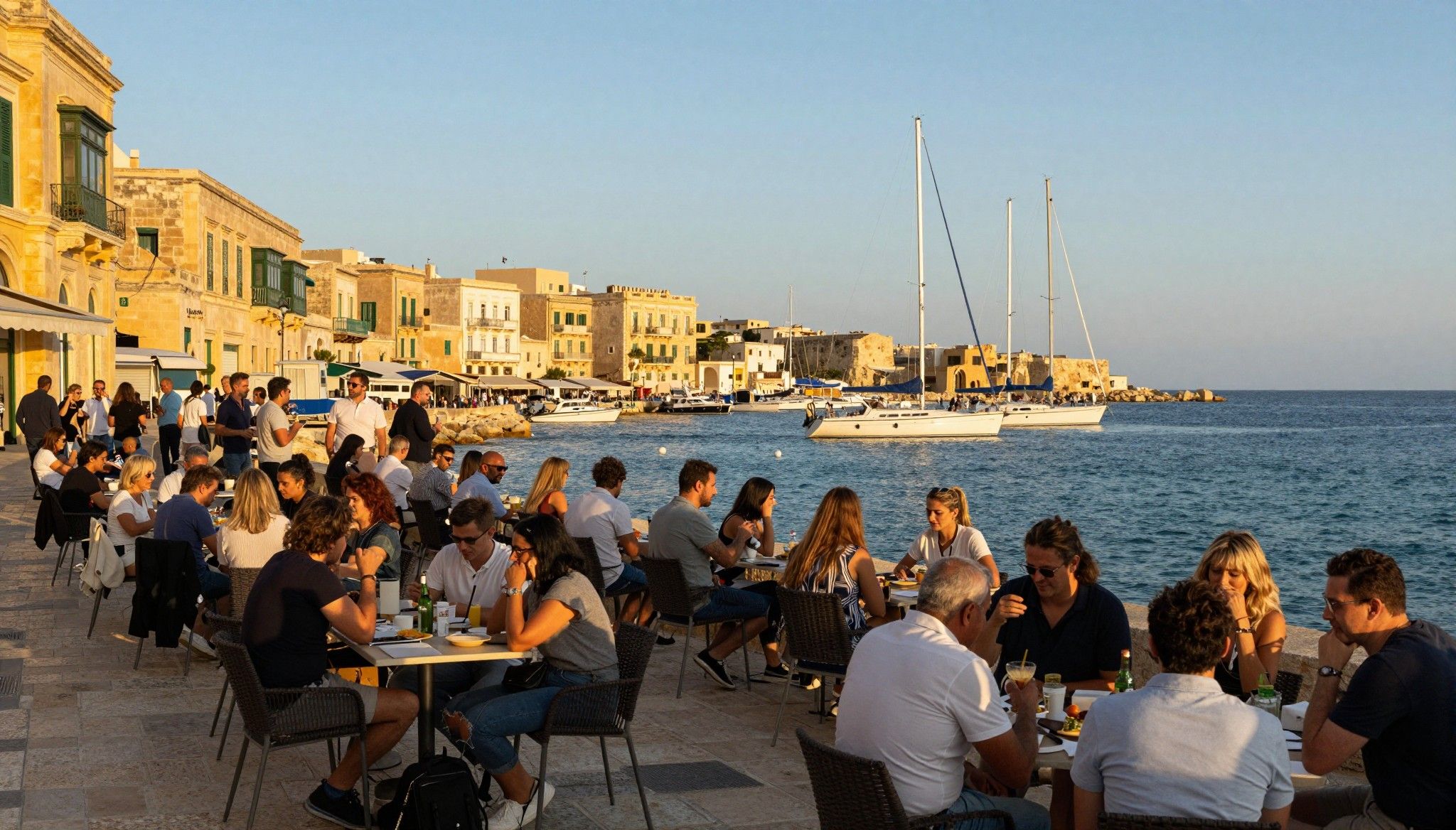
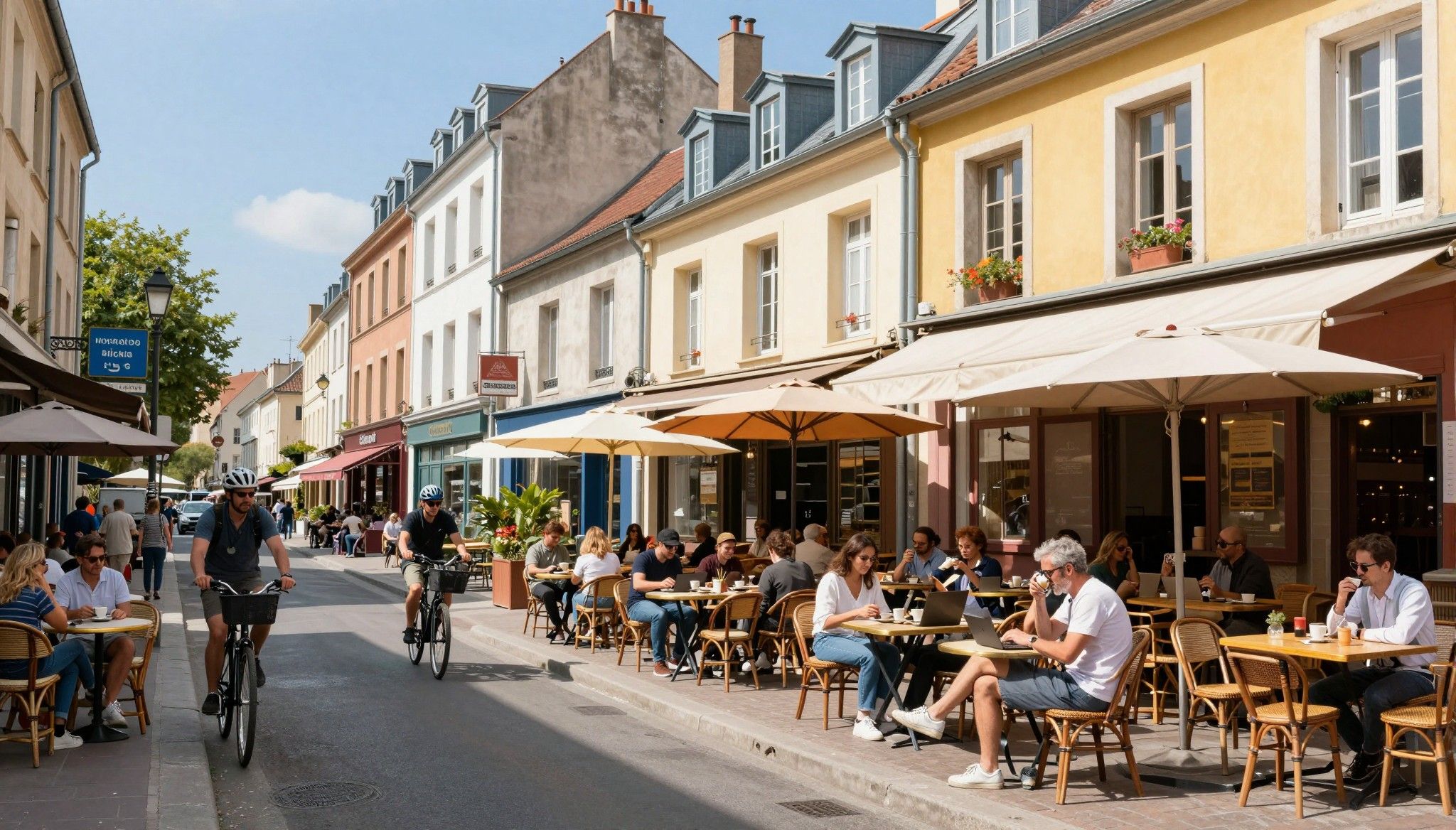
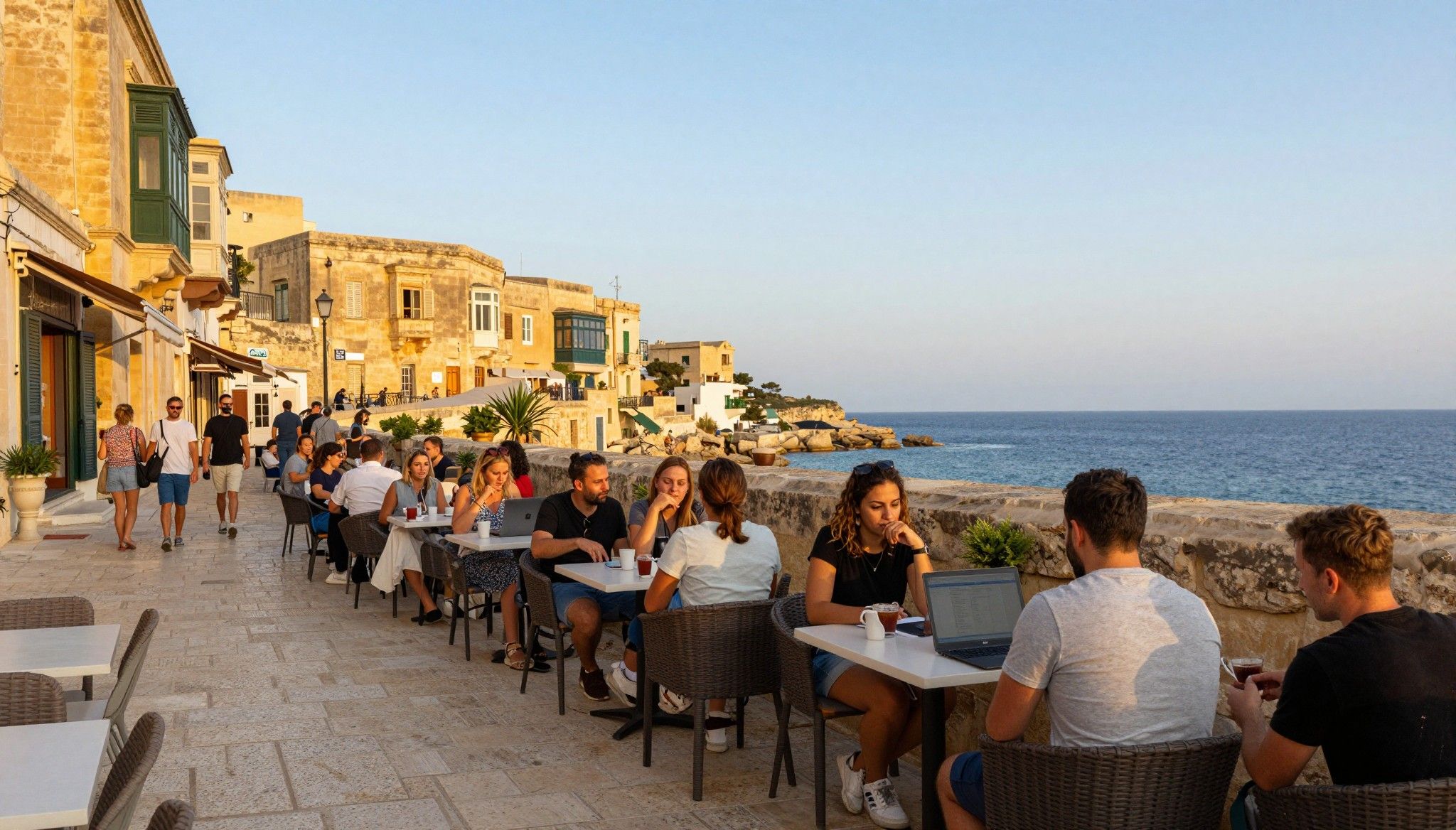
Imagine waking up to a boulangerie queue on Rue des Martyrs, your laptop open at a sunny café table, and a weekday market full of apricots two blocks away. France feels like choreography — slow, delicious, and full of texture. But beneath that romance is a financial rhythm: mortgages that behave differently than at home, notary fees that surprise new buyers, and banks that ask for documents in ways you didn’t expect. This guide marries the “je t’aime” of everyday French life with the cold-light practicalities of financing, currency and bank strategy so you can fall in love without getting burned.
Living the France Life: scenes that shape how you buy
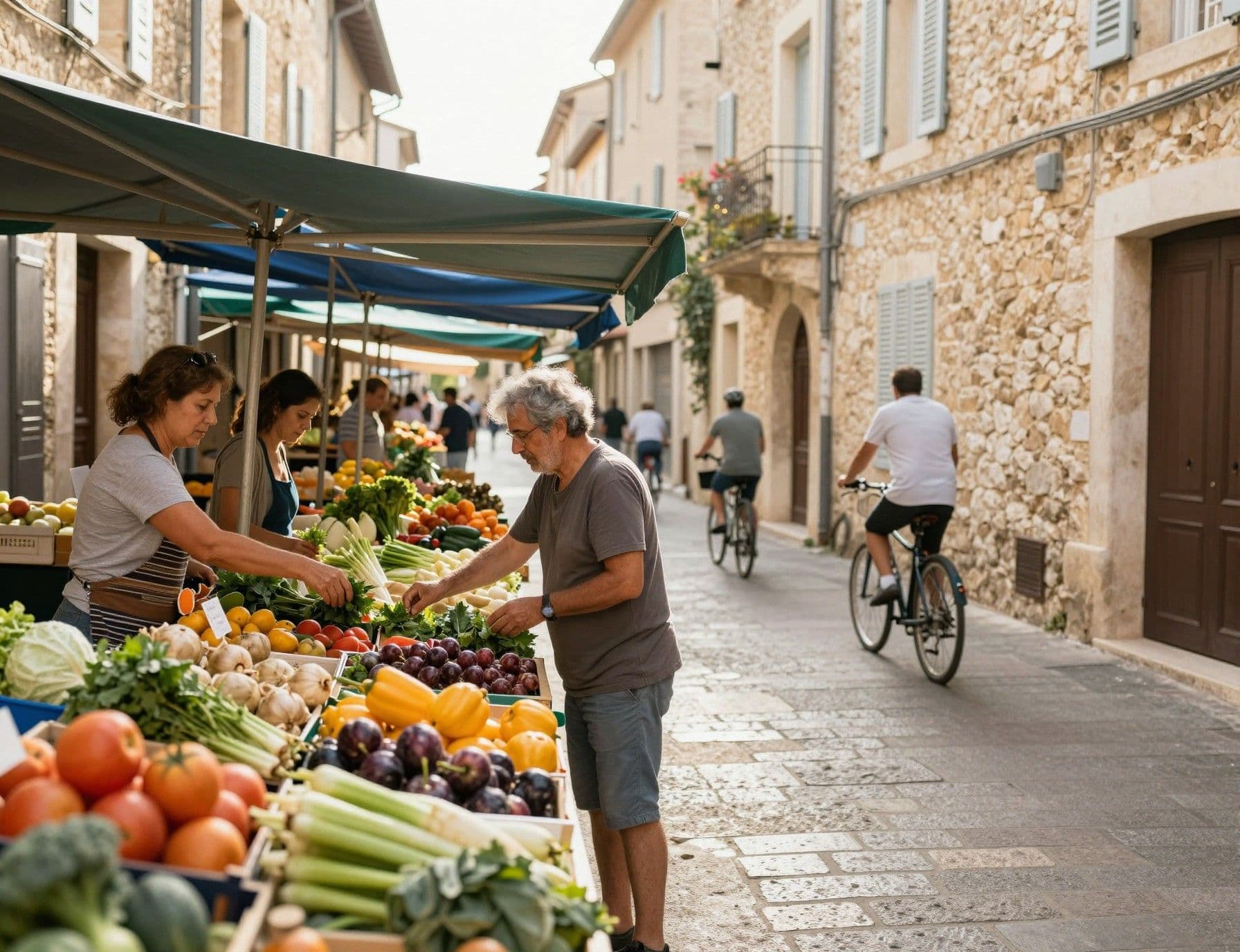
France isn’t one thing. It’s the slow ritual of café culture in Bordeaux, the salted wind on a Breton cliff path, the narrow alleys of Le Marais, and the Provençal markets where neighbors hand-sell tomatoes. Those daily textures influence the property you need: a sunny balcony for seasons of aperitifs, a compact office nook near cafés and coworking spaces in Lille, or stone-thick walls in the Alps that keep winter quiet. When you picture life here, picture the small functional details too — fast fibre in the apartment, a laundromat within a five-minute walk, and a local boulanger who knows your order.
Neighbourhood spotlights: where lifestyle and finance meet
Paris’ Canal Saint-Martin scratches the urban-creative itch (coffees, meetups, chic flats) but demands tighter budgets and higher borrowing scrutiny. In Nantes, you get riverfront culture and lower price-per-square-metre, which makes smaller mortgages and quicker returns possible. On the Côte d’Azur, villa dreams come with estate taxes and seasonal letting rules that change cashflow calculations. Each neighbourhood’s vibe directly affects what banks ask for and what you’ll realistically budget for — location shapes finance as much as taste does.
Food, markets and the practical: lifestyle details that change budgets
Weekend market runs (marché Biologique in Lyon, fish stalls in Marseille) are delightful — but market towns often have older plumbing, less insulation and therefore renovation bills. Conversely, a modern apartment in a newly regenerated district like Bordeaux’s Bassins à Flot may have higher upfront price but lower maintenance costs. Think beyond sticker price: lifestyle choices (fresh market access, outdoor space, proximity to coworking) change annual living costs and your bank’s appetite for lending.
Making the move: financing rules and banking realities

Let’s be blunt: French conveyancing and mortgage patterns are procedural and strict. Expect mandatory notary-related acquisition costs (commonly called "frais de notaire") that for older properties typically hover around 6–7% of the sale price, and lower for new builds — figures confirmed by official notaries and government guidance. Mortgage markets stabilized in 2026 after recent volatility, with typical fixed rates often in the low-to-mid single digits depending on term and profile, per Banque de France reporting. For non-residents, banks will look for a larger down payment (often 20%+), impeccable documentation, and clear currency plans.
The notary surprise: fees and timing you must budget for
French notaires collect taxes, register titles and perform checks — that means buyers pay the bill at signing. Public authorities set most of these sums, so they aren’t fully negotiable; expect 6–7% on resale properties and roughly 2–3% on new builds, plus any mortgage registration costs. Plan for payment at the acte authentique stage and keep an extra buffer for last-minute charges like condominium arrears or administrative certificates. Useful action: ask your notary for an itemised estimate early in negotiations.
How to set up banking and currency strategy (step-by-step)
1) Open a French bank account early — many notaries and sellers prefer SEPA transfers from a French IBAN. 2) Decide on mortgage currency: euro loans remove FX risk, foreign-currency loans add complexity and require hedging plans. 3) Prepare certified translations of income and bank statements; French banks value verifiable, stable income and may ask for a higher deposit from non-residents. 4) Get a mortgage pre-approval from a broker experienced with foreigners to strengthen your offer. 5) Use a regulated currency specialist for large transfers to avoid poor FX rates and hidden fees.
Insider knowledge: the expat truths bankers don’t tell you
Expat real-talk: local banks prize documentation and presence. If your French is patchy, hire a bilingual mortgage broker or translator for banking meetings — it’s worth the cost. Some departments increased the public tax component of notary fees in recent years; that tweak can add percentage points to acquisition costs depending on location, so avoid assuming a flat rate nationwide. Finally, banks scrutinise cashflow: short-term holiday rental income is less persuasive than steady employment income unless you provide several years of accounts.
Practical tips from expats who bought here
• Start a French bank account before you sign anything — transfers and notary payments move fast. • Bring certified translations and apostilles for key documents — some banks refuse untranslated paperwork. • Negotiate timing: sellers often accept a longer dossier preparation window if you show a pre-approval letter. • Use a court-certified translator for mortgage contracts if needed; misreading clauses is expensive. • Consider an SCI structure only after advice — it helps inheritance planning but complicates borrowing.
Red flags and quick checks before you sign (priority checklist)
1) Ask for the last three years of co-ownership minutes (procès-verbaux) to spot pending works or levies. 2) Verify the energy performance certificate (DPE) — renovation orders can be costly. 3) Confirm tax residency implications with a cross-border tax advisor before committing. 4) Get an itemised notaire estimate and compare it with a second notary if anything seems unclear. 5) Check local planning restrictions — seaside communes often restrict rentals and alterations.
You came for the lifestyle. The paperwork protects it. In France, a good agency broker and an attentive notaire are not luxuries — they’re translators of local rules, advocates during negotiation, and the people who keep your dream from turning into a costly surprise. If you want a fast path to living that café life while keeping finances steady, start with a pre-approval, a French bank account, and a notary who speaks your language.
How agencies help you keep the romance and avoid the traps
Agencies that specialise in international buyers will map lifestyle priorities to realistic financing options: they’ll show you Le Marais apartments with built-in workspace, explain mortgage implications for rental income, and coordinate translation for bank dossiers. They also have local networks — reliable notaires, bilingual accountants, and mortgage brokers who understand which French banks will lend to your nationality and income structure. Think of them as the local friend who both lets you into the best market and keeps you from overspending for a view you won’t use.
Final steps: fall in love consciously. Schedule a mortgage pre-approval and get a notary estimate before making an offer; that reduces the risk of romance-driven mistakes. Use a regulated currency transfer service for deposit and tax payments to keep costs down. If you’re serious, book a local agency consultation that includes a finance check — a few hours of planning saves months of stress. Go taste the markets, pick your boulangerie, and plan the practicals so you can enjoy the life you’re buying.
Conclusion — next moves that protect the dream: 1) Get a broker or bank pre-approval; 2) Open a French IBAN; 3) Ask your notaire for an itemised fee estimate; 4) Book a 48‑hour on-the-ground scouting trip focused on lifestyle plus finance. France rewards patient, informed buyers — follow the local rhythm and your move will feel less like paperwork and more like a slow, perfect arrival.
Danish investor and relocation advisor focusing on Portugal and the Algarve; loves coworking culture and expat networks.