Buy Where Locals Live: Malta’s Quiet Wins
Malta offers walkable, sea-side nomad life with improving broadband and active transaction-based price growth; match neighbourhood rhythm to property type and test living there first.
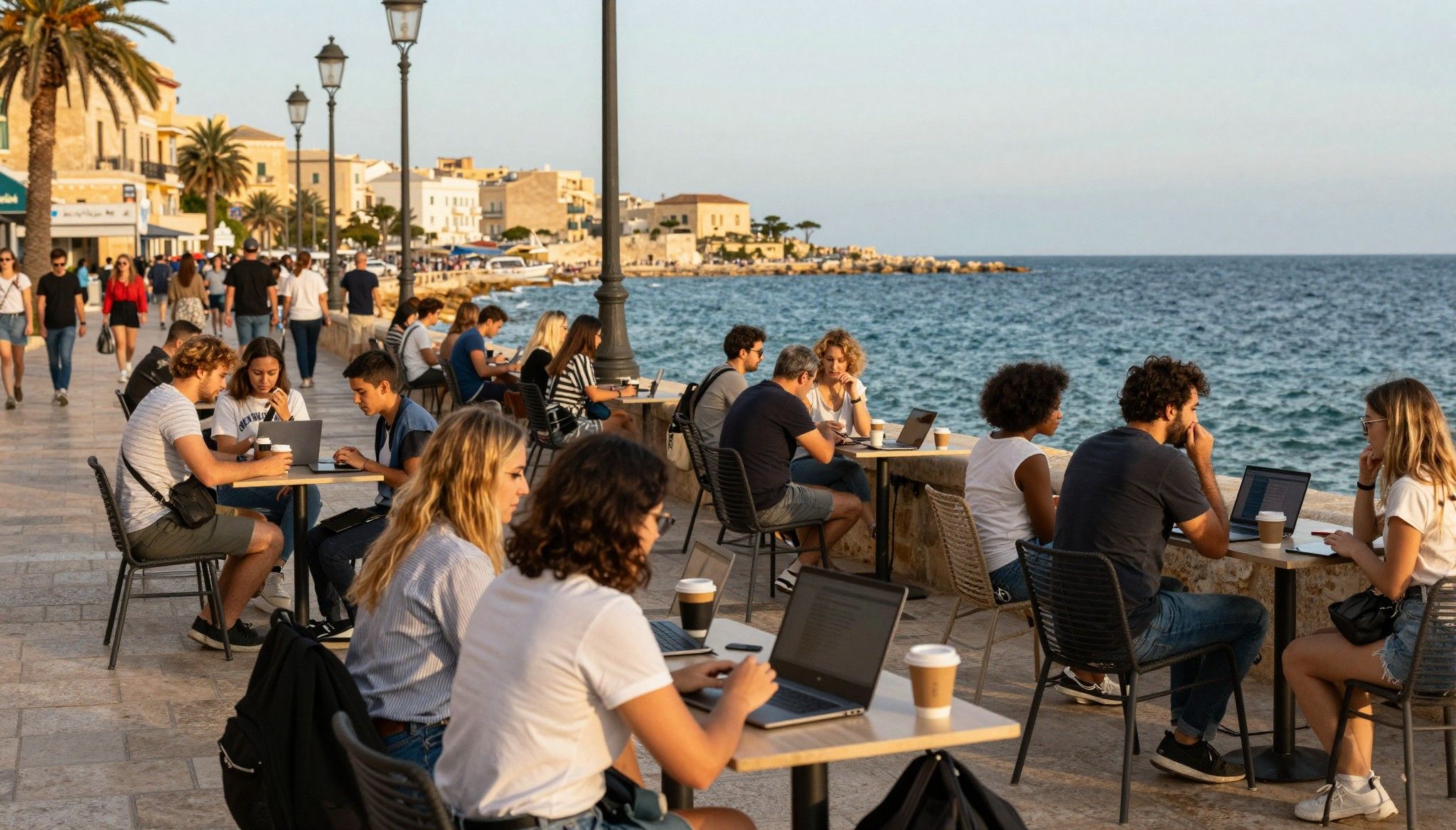
Imagine sipping a morning espresso in a tiny Valletta café, then walking five minutes to your coworking desk with a sea view. That compact, everyday magic is Malta — island-sized convenience, layered history and startlingly walkable neighbourhoods. For nomads who want both fast internet and a life that feels like a long weekend, Malta often surprises. But the purchase choices you make — island flat in Sliema, a maisonette in Birkirkara, or a restored townhouse in Rabat — shape daily rhythms more than price-per-square-metre.
Living the Malta lifestyle
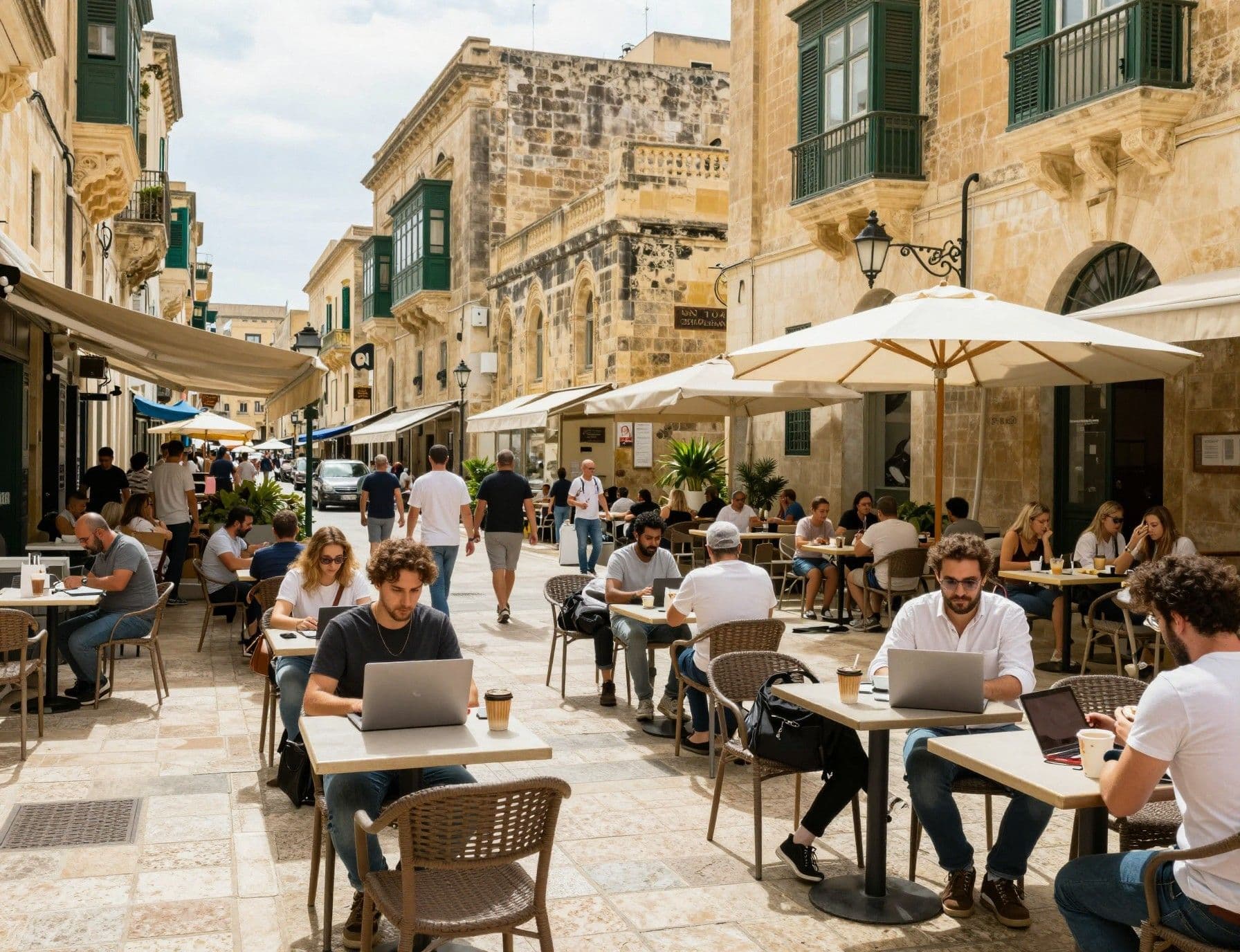
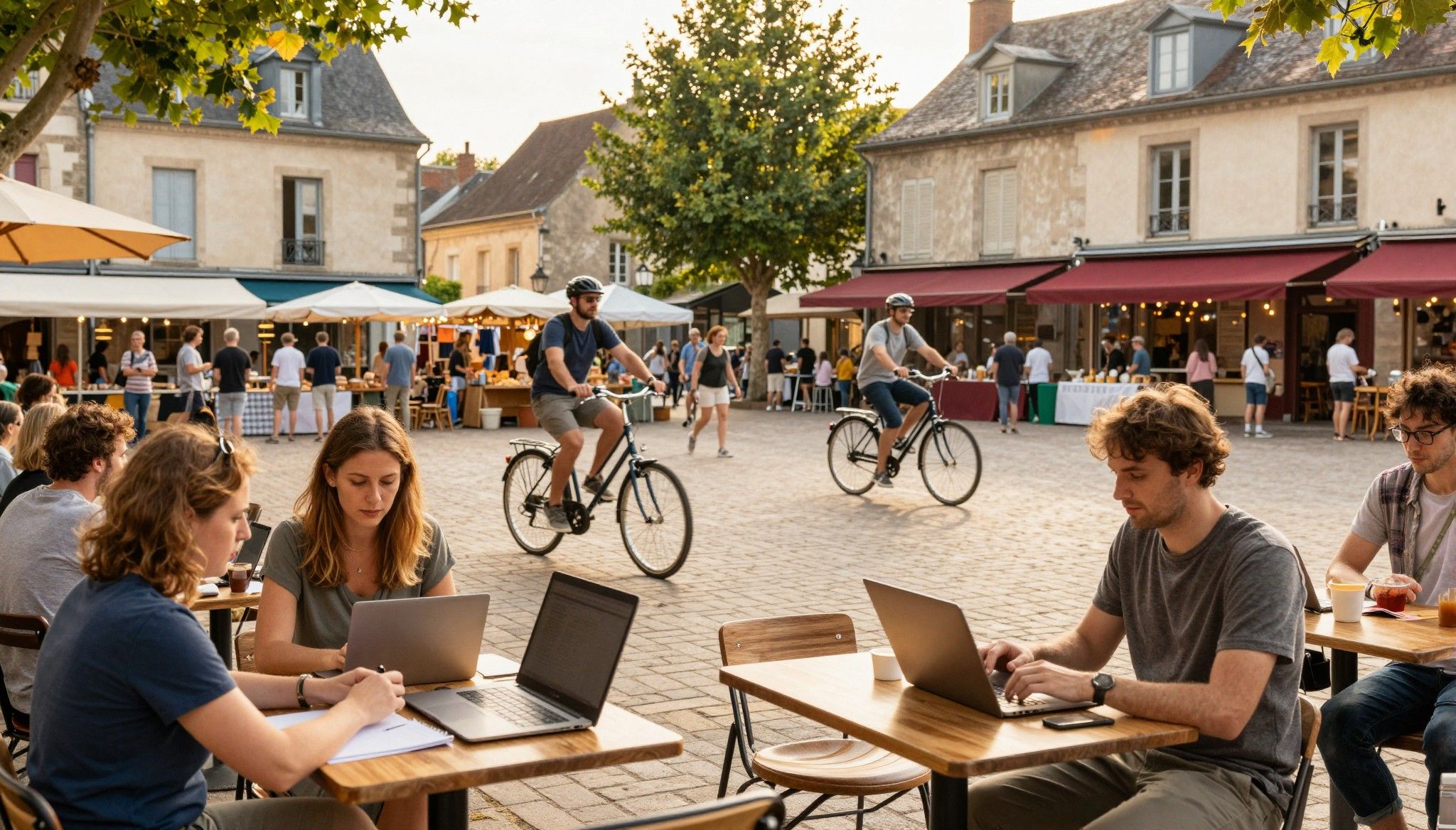
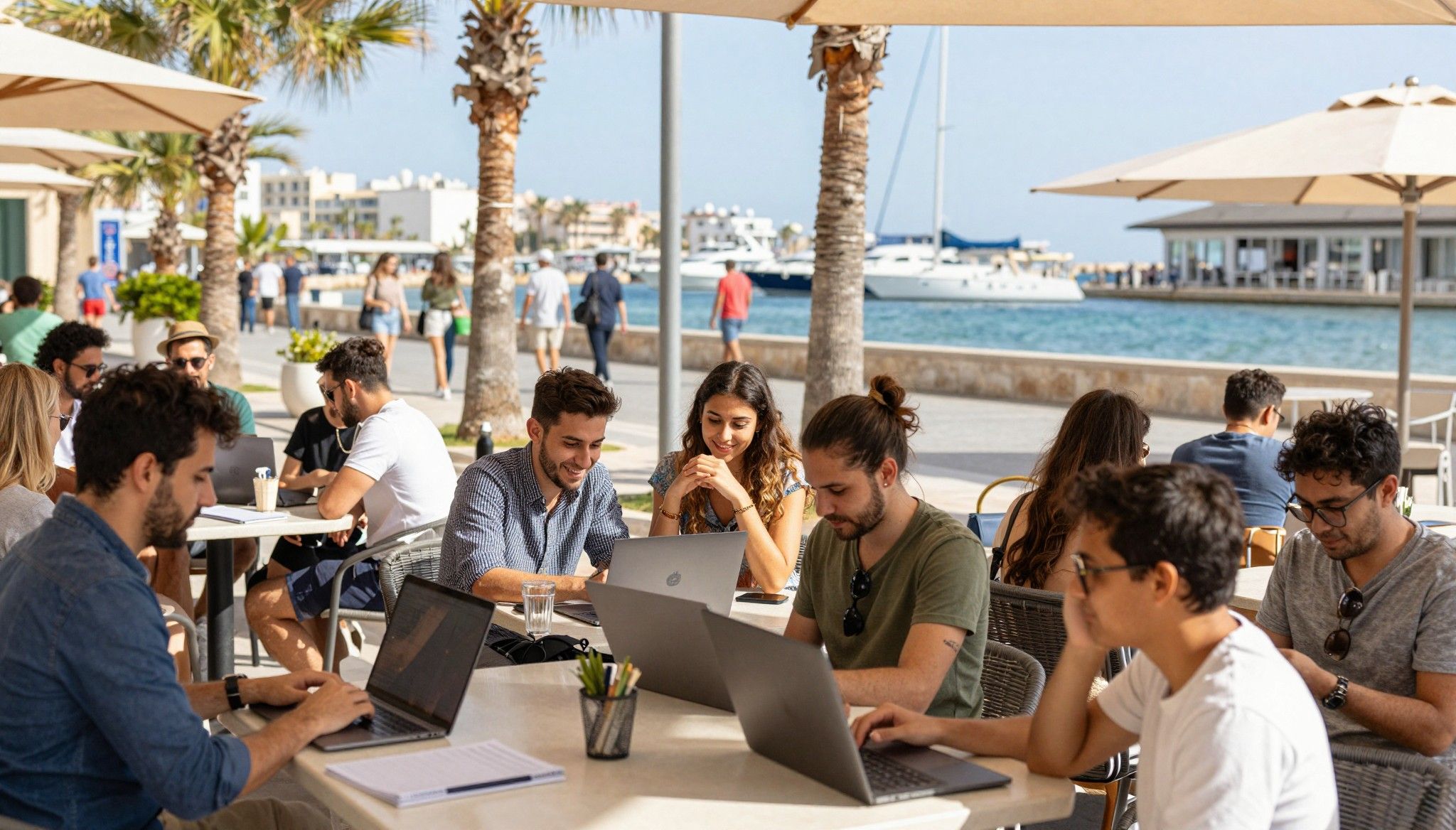
Malta moves at Mediterranean rhythm: late breakfasts, busy afternoons, and nightlife that starts after sunset. The islands are small, so your weekend hike, swim and grocery run can all happen inside the same 90-minute loop. For remote work, Malta punches above its weight — fixed and mobile broadband have improved fast in recent years, making terrace work sessions and video calls reliable for most buyers. That connectivity is often why nomads trade colder winters for Malta’s compact ‘everything-nearby’ lifestyle.
Valletta & The Three Cities: history with a morning market coffee
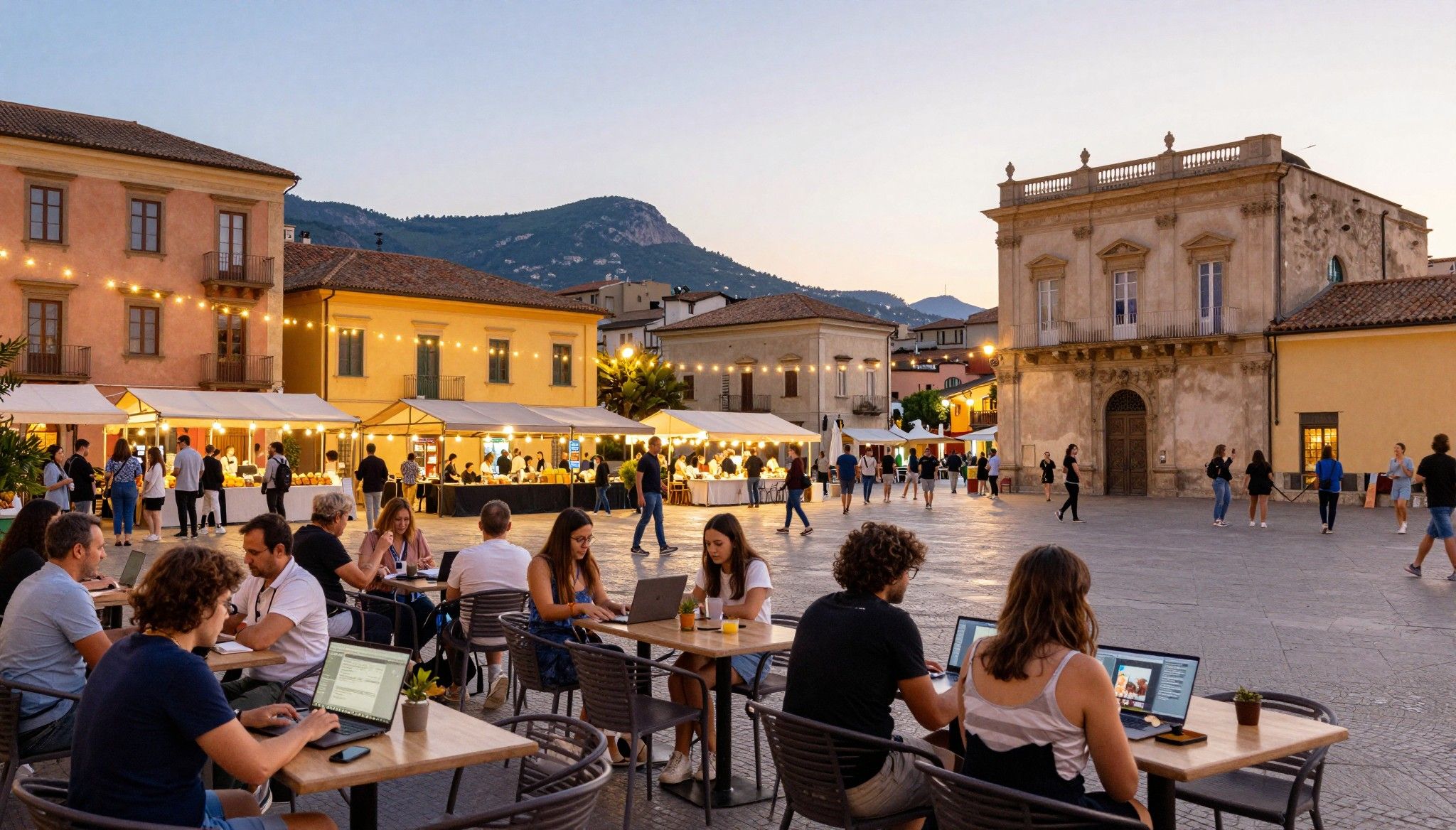
Valletta is theatrical stone, narrow streets and a sudden harbor view that steals your breath. For nomads, it’s a cultural office — museums for lunch breaks and cafés that double as remote-work nooks. Across the water, Sliema and Tigné Point offer livelier promenades, gyms, supermarkets and easy ferry links; expect a denser expat vibe and more modern apartments. If you crave daily variety — churches, concerts, sea breezes — this patch of Malta delivers sensory richness at your doorstep.
Għargħur, Mellieħa & Gozo: slow mornings and outdoor life
Escape the summer crush by heading north to Mellieħa, or hop a ferry to Gozo for quieter lanes and bigger terraces. These places trade late-night bars for local bakeries, wide skies and room to breathe — perfect if your work needs silence and a balcony to call a ‘second office’. Expect older stone houses, lower building heights and a community where shopkeepers know your name. For nomads who value nature, cheaper renovations, and slower tempo, these areas are Malta’s underrated long-game.
Making the move: lifestyle meets reality
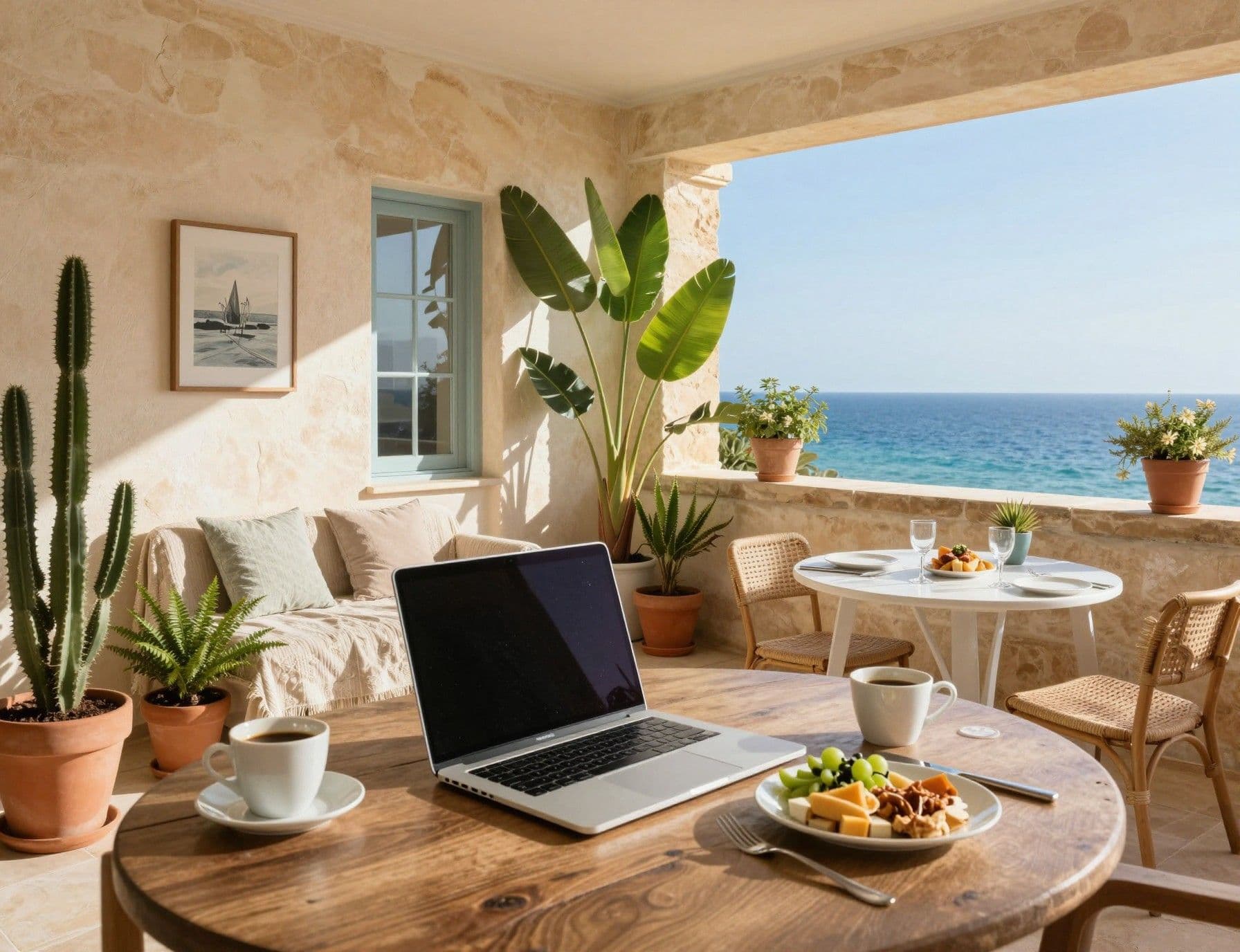
Here’s the blunt truth: Malta’s market is compact and active. Transaction-based indexes show property prices rising in recent quarters, reflecting steady demand and limited land. That doesn’t mean you can’t find value — you can — but the search needs local knowledge, clear priorities and timing. Match the lifestyle you want (rooftop terrace, fast fibre, walk-to-cafés) with property types that deliver it; otherwise you’ll pay for a view you never use.
Property types: terraces, maisonettes, penthouses — what suits a nomad?
Malta’s common types — apartments, maisonettes, and terraced townhouses — all come with tradeoffs. Smaller apartments in Sliema or St Julian’s put you in the action, but walls may be thin and summers warm without AC. A maisonette with a private yard gives outdoor space for laptop breaks and weekend BBQs, while restored townhouses in Mdina or Rabat offer character and cooler interiors but need more maintenance. Decide whether community amenities (coworking, cafés, gyms) or private outdoor space matters more — that choice will guide neighbourhood selection.
Steps to match lifestyle with property (quick checklist)
1) Prioritise commute times to co-working or main cafés and test them during a week-long stay. 2) Check declared transaction prices in your target locality and compare with asking prices to spot mismatches. 3) Confirm fibre or fixed wireless availability (many central pockets now have reliable high-speed options). 4) If residency matters, match property choices to programme rules — some residency routes require minimum purchase or rental thresholds. 5) Budget a renovation reserve: island properties often reveal hidden works when stripped back.
Insider knowledge: what expats wish they’d known
Expat buyers often tell the same story: we fell in love with a view, then learned the neighbourhood’s rhythm later. In Malta, small streets and planning rules mean some ‘quiet’ spots become lively with seasonal tourism. Others — overlooked by short-stay demand — are where locals buy and where long-term value compounds. Local agents and residents will point you to those streets; always walk the block at different times of day before committing.
Cultural fit: language, social life and community cues
English is an official language in Malta, which flattens many early frictions for nomads. Still, small social cues matter: shops that close mid-afternoon on summer days, local festas that reroute traffic, and neighbours who value evening quiet. Integrate by learning basic Maltese greetings and turning up at local cafés on market day — those are the fastest friendship accelerators. For families, scout schools early; for solo nomads, join meetups and co‑working socials to build a local circle.
Practical red flags and quick wins (from people who’ve moved here)
• Red flag: advertised “sea-view” that’s really from the roof — inspect usable outdoor space.• Red flag: no declared transaction history for the unit — insist on NSO/contracted sale comparisons.• Quick win: prioritise properties with existing fibre or 5G fixed-wireless coverage to avoid retrofit delays.• Quick win: check waste collection and parking rules — daily life friction kills joy faster than a noisy bar.• Quick win: work with an agent who shows both modern builds and reconstructed townhouses — you’ll learn where value hides.
Conclusion — fall in love, then act like a local. Malta gives you dramatic mornings, walkable rhythms and solid connectivity wrapped into an island small enough to learn quickly. Start with lifestyle tests — a week in your target neighbourhood, a coworking pass, and a few late-evening walks — then layer in transaction data, fibre checks and residency rules. Use a local agency that understands the island’s little streets and seasonal shifts: they’ll help you find the house that makes daily life feel like the holiday you always pictured.
Swedish, relocated to Marbella in 2018 to chase sun and property freedom. Focus on legal navigation and tax for Nordic buyers.