Fall in Love, Then Check: French Due‑Diligence That Saves You
Fall in love with France's rhythms — then protect them. Practical due diligence (notaire checks, copropriété minutes, seasonal realities) keeps your dream property from becoming a costly surprise.
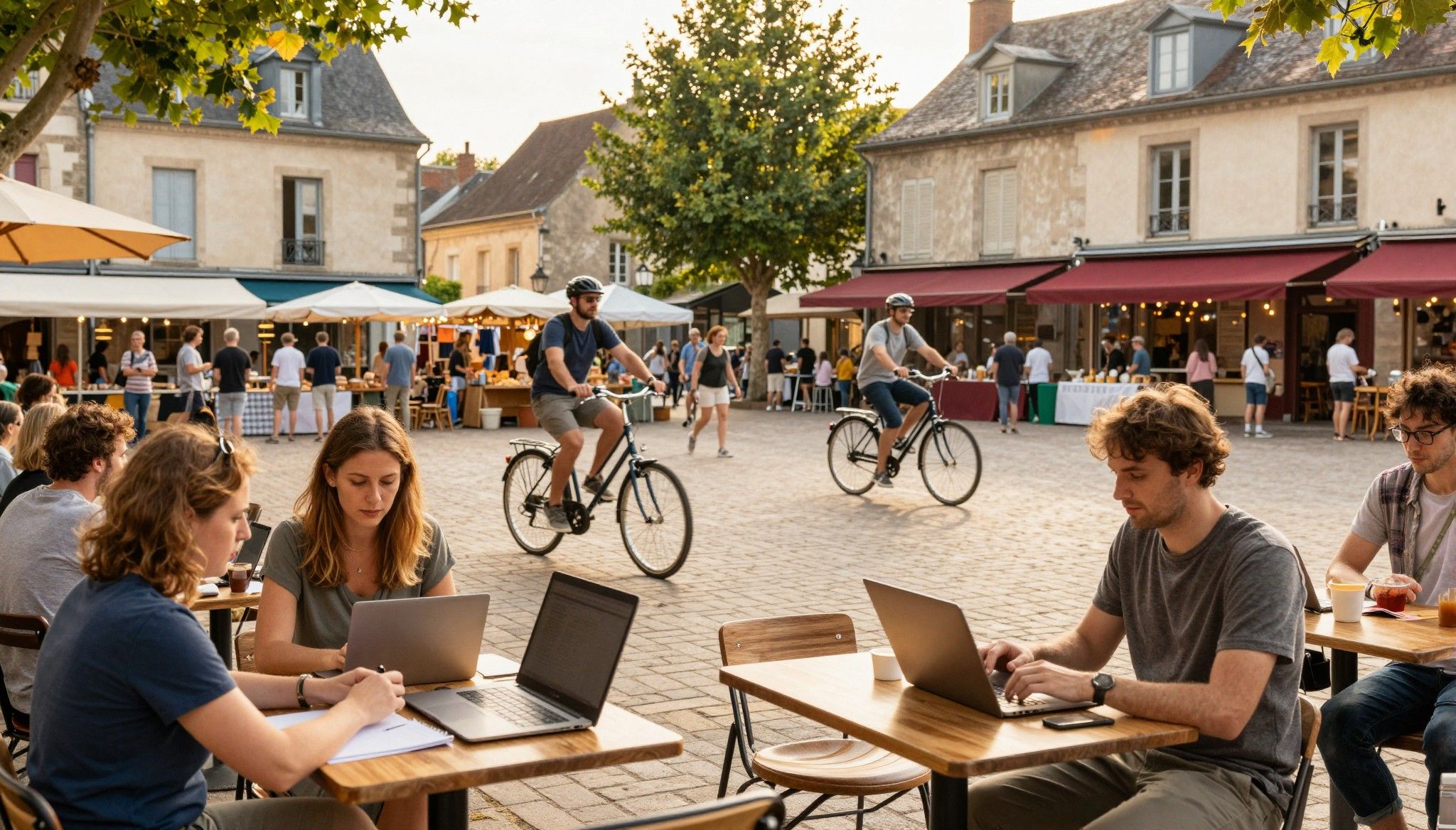
Imagine a slow Sunday morning in Lyon: steam from a café, a boulanger carrying warm kouign-amann, bicycles threading between stone terraces. France is a sensory country — markets, midday lunches, vineyards that smell of earth after rain — and buying here is about folding that rhythm into your life. But the romance comes with paperwork; the right checks today protect afternoons like that for years. This guide mixes the joie de vivre with the legal checks every international buyer should insist on before signing anything.
Living the French Life — what you really get
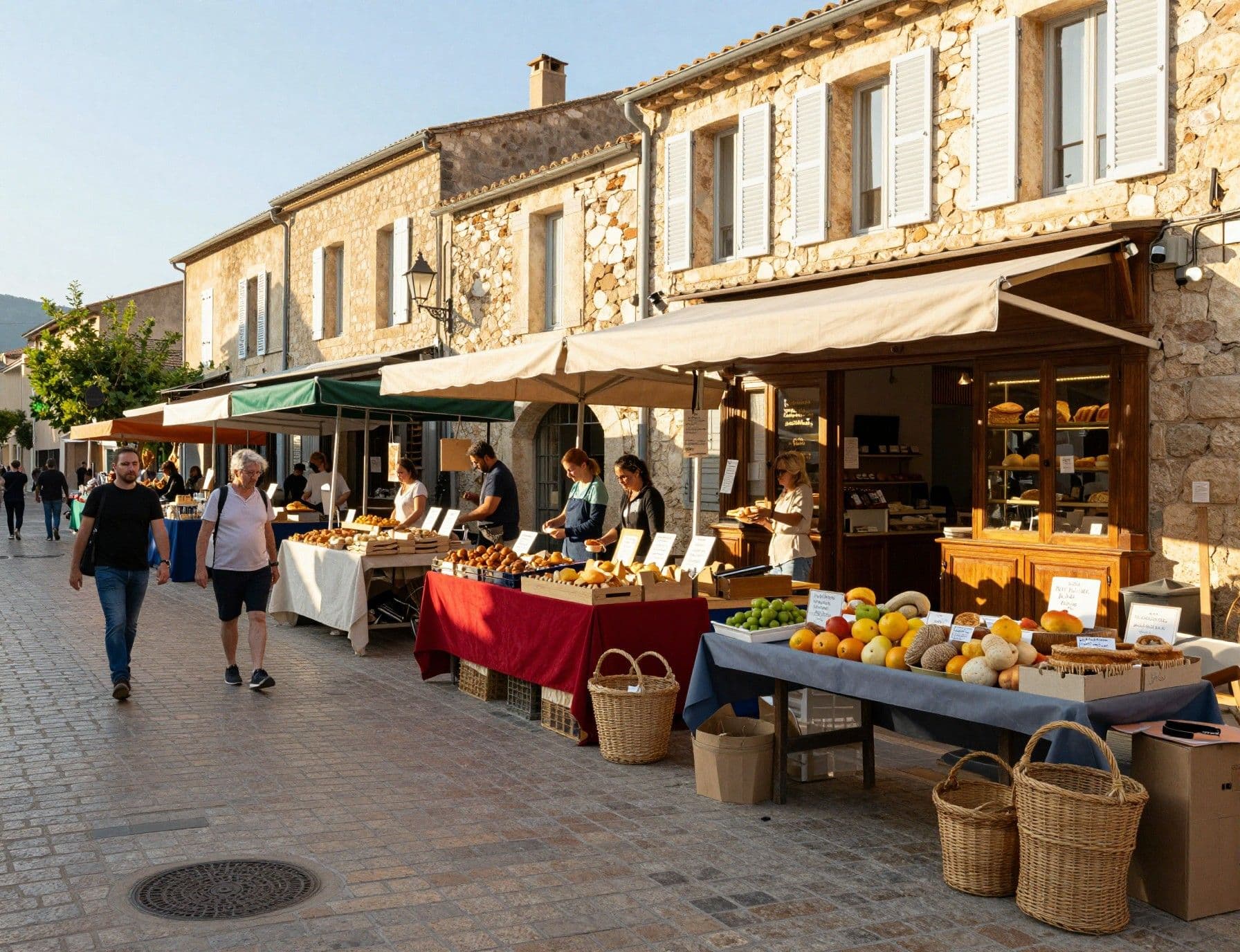
France is not one atmosphere — it’s dozens. A morning in Le Marais feels different from one in Biarritz; the city cadence, café culture and weekend rituals change block by block. For buyers, that variety is the appeal: a Parisian apartment for culture and cafés, a Dordogne stone house for slow Sundays, a Provence village for lavender-scented evenings. Picking a property here is as much about choosing a daily rhythm as it is about square meters.
Neighbourhood snapshot: Paris 11ème vs. Aix‑en‑Provence centre
Walk Rue Oberkampf at 8am and you’ll find independent coffee shops, lunchtime boulangeries and young families heading to parks — it’s lived-in, noisy and brilliant for social life. By contrast, Aix’s Cours Mirabeau is sunlit and ornate, where aperitifs spill from shaded terraces and weekly markets dictate the rhythm. These micro-differences should shape your due diligence: proximity to markets, noise levels, municipal renovation plans and local copropriété rules will determine daily comfort and resale value.
Food, markets and seasons: lifestyle that affects property choices
Seasonality matters. Coastal towns like Nice hum in summer but quiet dramatically in winter; inland wine regions are alive in harvest season and near-empty in late January. If you dream of year-round café life, check winter footfall and local services — post offices, medical centres and grocery hours — because a beautiful summer street can feel deserted in January. Practical due diligence includes seeing the place across seasons or asking an agent for winter-month occupancy data.
- Lifestyle highlights to check on site: marché days, café names (e.g., Café des Deux Moulins in small-town France), nearest pharmacy, public transport links, local language meetups, seasonal festivals.
Making the move: practical due‑diligence essentials

The paperwork is where love meets reality. In France, a notaire is indispensable: they handle title checks, register the deed and ensure taxes and servitudes are clear. Recent changes mean departmental transfer duties rose in April 2025, so budget flexibility is crucial; up to roughly 7–8% in total acquisition costs for existing properties is common. Make this a non-negotiable checklist item well before you offer.
What to ask a notaire (and when)
- 1. Request a full title search and cadastre extract to confirm ownership and boundaries. 2. Ask for details of any easements, servitudes or right-of-way that affect access or development. 3. Check for outstanding mortgages or charges; the notaire will confirm what must be cleared at closing. 4. Confirm exact transfer duties and émoluements (notaire fees) so you can finalise your budget.
Property styles and the due‑diligence they demand
From Haussmannian flats to stone farmhouses, each requires specific checks. Historic apartments demand copropriété minutes (building meeting records), vote histories for renovations and energy audit (DPE) compliance. Rural châteaux or old farmhouses require land registration checks, planning permissions for renovations, and may be subject to heritage constraints. Use the property style to target your due diligence — it’s cheaper to discover limits before you buy than during renovation.
- Key property-specific checks: recent syndic minutes, DPE energy rating, seismic/landslide risk in mountainous regions, coastal erosion maps near the Mediterranean or Atlantic, planning permissions for extensions.
Insider knowledge: red flags and smart shortcuts
Expats often romanticise French villages and then get blindsided by communal rules, seasonal closures or high maintenance costs. A common red flag is a seller unable to produce syndic accounts for a flat — that often hides deferred maintenance. Another is properties listed at unusually low prices in coastal zones without mentioning rising transfer taxes or risk maps. Recent notarial reports show fluctuating regional price patterns, so combine local market data with on-the-ground checks.
How agencies and specialists speed due diligence
- 1. Local agents source neighbourhood-level occupancy data and recent sale comparables so you don’t overpay. 2. A bilingual notaire or solicitor clarifies contracts (compromis de vente) and ensures clauses like conditions precedent are correctly worded. 3. Surveyors and architects review structural, roof and damp risks — essential for old stone homes. 4. Tax advisors estimate long-term costs (IFI, rental tax rules) if you plan to buy-to-rent or stay long-term.
What expats wish they'd known earlier
Many buyers underestimate how quickly a charming street can change — new development plans, holiday-rental saturation or municipal parking restrictions reshape daily life and value. Others forget the slow pace of French bureaucracy; expect signed documents to take weeks to register. Finally, learn a handful of French property terms — compromis, acte authentique, servitude — they save time and confusion when negotiating.
- Quick red-flag checklist: missing syndic minutes, unclear land boundaries, historic monument restrictions, absence of an energy performance certificate, unexplained price discounts compared to neighbourhood norms.
Ready to make this life yours? Start with a short list of neighbourhoods you’ve visited or researched, then hire a local notaire and bilingual agent to run title and copropriété checks. Line up a surveyor for older buildings and ask your notaire for a precise estimate of transfer duties before you offer. With the paperwork sorted, you’ll spend less time worrying and more time choosing where to sip espresso.
Norwegian who has helped 200+ families relocate from Oslo to Spain; expert in relocation services and community integration.