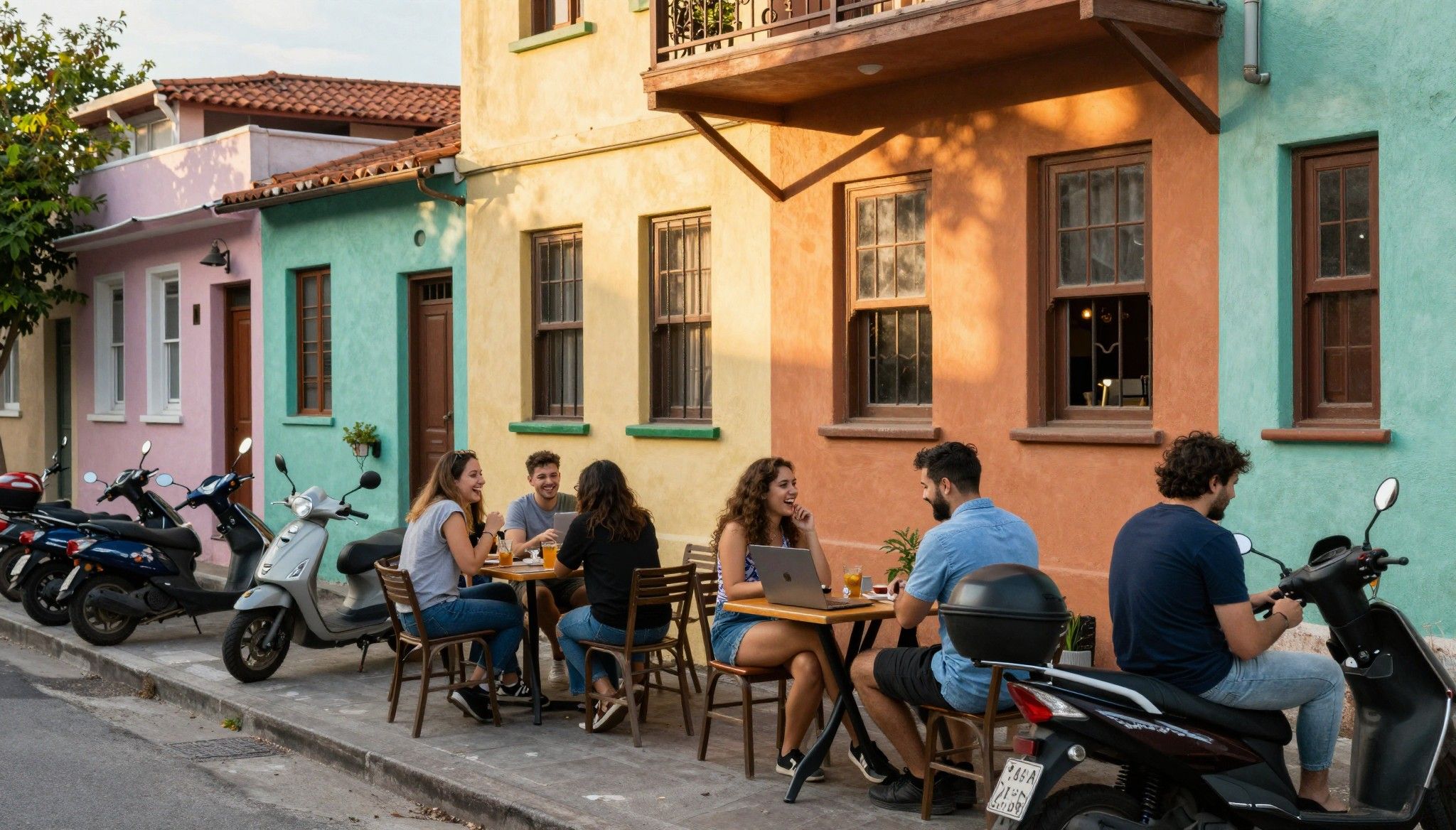
Cyprus Title Reality: Lifestyle-First Legal Checklist
Fall into Cyprus life—then lock it down. Learn the island’s lifestyle hotspots and the exact legal checks, title steps and local permissions international buyers must run first.
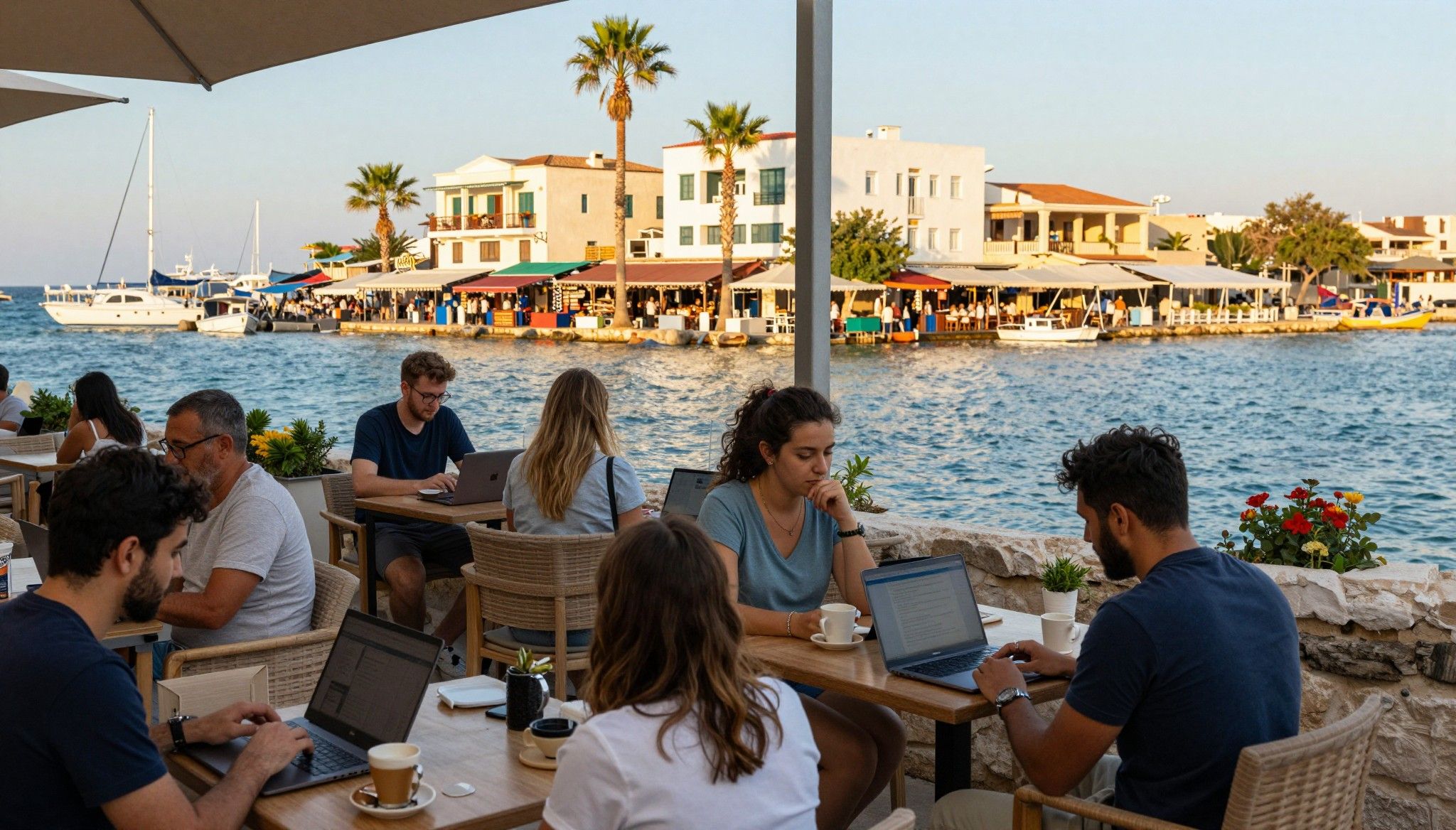
Imagine mornings in Limassol walking past cafés where freelancers plug in and sip strong coffee, afternoons on a Paphos beach with a laptop perched on your knees, and weekends chasing fresh halloumi at the municipal market. Cyprus feels like a Mediterranean village with international taps: sunlit alleys, slow-paced tavernas, and a surprising stream of coworking hubs. But beneath the golden light of those Instagram shots lies a legal and title landscape that can trip up dreamy buyers. This guide pairs the island’s irresistible lifestyle with the exact legal checks you’ll need to buy confidently here.
Living Cyprus: sun, souvlaki and surprisingly modern work life
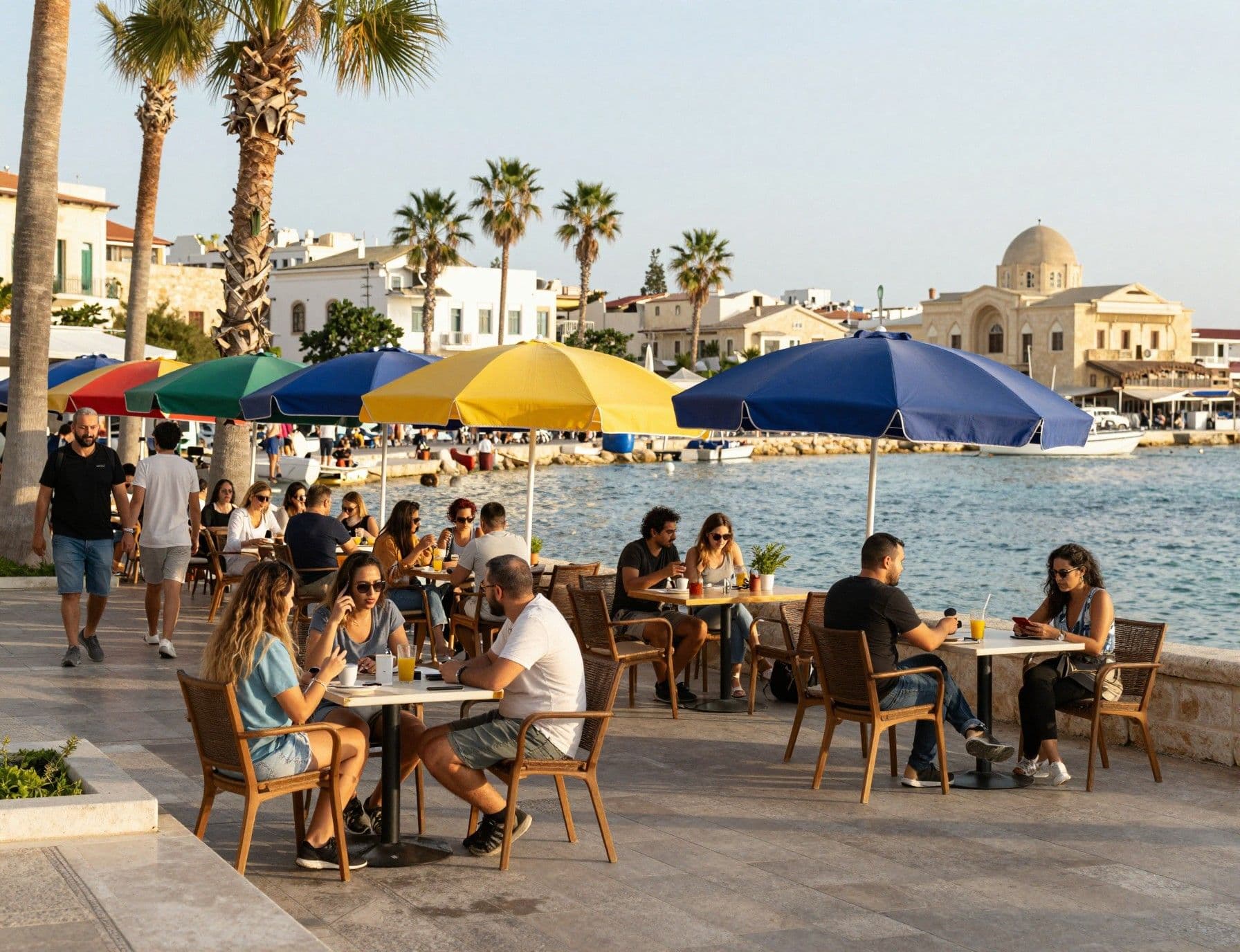
Daily life in Cyprus is tactile: citrus scent in the morning air, shopkeepers who know regulars by name, and a rhythm that favors long lunches and late sunsets. Coastal towns—Limassol, Larnaca and Paphos—blend trendy cafés, marinas and digital-nomad-friendly cafés while Nicosia hums with local government energy and markets. Property demand rose across 2025, with apartment prices accelerating in Limassol and Paphos, a reminder that lifestyle popularity affects legal urgency and price levers. That combination—sunny lifestyle and tightening markets—makes solid due diligence non-negotiable.
Neighbourhood snapshots: where to sip, work and unwind
Limassol’s old port and Agios Nikolaos area give you seafood dinners and sea-view terraces within walking distance of coworking spaces. In Paphos, Kato Paphos offers a seaside promenade and quiet corners for afternoon calls, while the Tala hills give that village-feel for weekend escapes. Larnaca’s Finikoudes strip is great for social life and reliable internet — a practical pick for remote workers who want both a beach walk and stable Zooms. Each micro-neighbourhood reads differently on title risk and developer history, so what feels perfect lifestyle-wise must pass legal checks too.
Food, festivals and the small moments that sell the move
Weekends mean markets: seafood at Larnaca’s market, village fests with live bouzouki in Troodos, and sunset mezze on Limassol’s Molos. Seasonal rituals—Easter processions, summer town festivals (panigiria) and the island’s wine harvest in autumn—shape social life and community ties. For buyers, these cultural calendars are practical filters: choose areas you’ll enjoy year-round, not just during the high season Instagram window. The lifestyle you want decides which legal checks you prioritise (beachfront titles vs. village renovation permits, for example).
From daydream to deed: practical checks every buyer should do
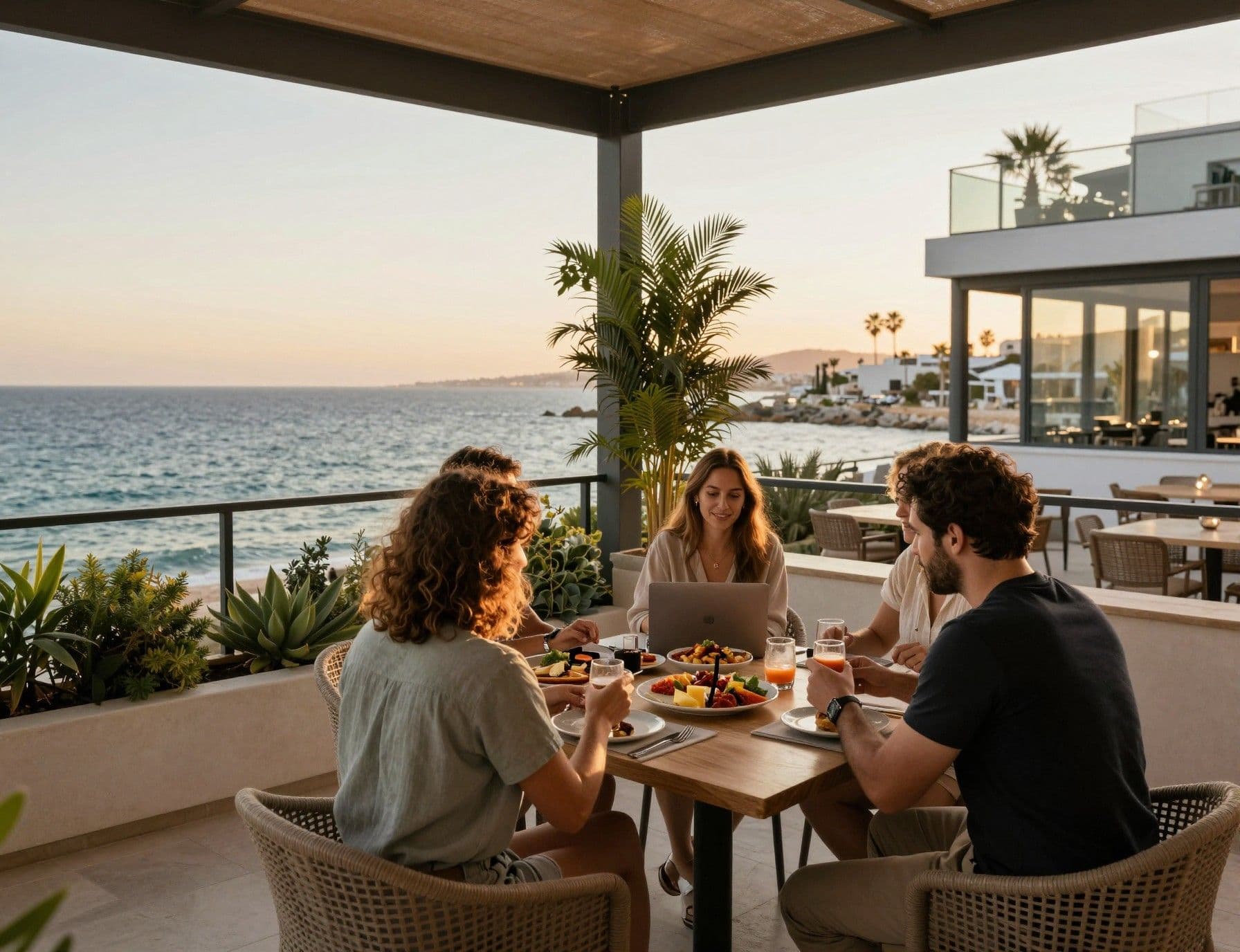
The move from “I love this terrace” to “I legally own this terrace” hinges on three pillars: title clarity, planning permissions, and the correct purchase route for your nationality. Cyprus has clear rules: EU citizens face fewer restrictions, while non‑EU buyers usually need District Administration or Council permission — a relatively quick administrative step but one you must budget time for. Title deeds aren’t just paperwork; they’re your legal peace of mind. Many properties sold after the 2008 crisis still carried unresolved title or permit issues—so treat registered deeds as your starting point, not an afterthought.
Title deeds, what to demand and how to read them
Always ask for a copy of the current title deed (Τίτλος Ιδιοκτησίας) and an extract from the Land Registry showing encumbrances. A clean title in the seller’s name means the new deed can be transferred quickly; a missing deed or developer-led properties often need extra legal work. If the deed’s missing, a properly lodged sale contract protects you but won’t replace eventual registration. Hire a local lawyer to verify that planning permissions, building completion certificates and the seller’s permissions are all in order before transferring funds.
Permits, amnesties and the reality of post‑crisis builds
Many homes built during boom years have irregularities that were later 'regularised' under amnesty schemes — a fact that changes how you assess future renovation or extension plans. The Central Bank’s recent reports show strong demand in coastal areas; that’s great for resale but also a cue to check municipal records for any outstanding violations. Your lawyer should request municipal completion certificates and confirm whether the property was included in any amnesty, because regularised work can still bind future owners in unexpected ways.
Working with local experts: who to hire and why it matters
Lawyer, surveyor and translator: the triage team
Hire a Cypriot lawyer early — before you sign anything. They’ll check title chains, verify that the Sale Agreement will be lodged with the Land Registry, and confirm whether a non‑EU purchase needs District permission. A chartered surveyor can flag structural surprises and confirm that what you see matches what's registered. If you don’t speak Greek, a translator or bilingual lawyer prevents costly misunderstanding. Together, this small team turns island romance into a tidy legal file you can sleep with at night.
- Six practical checks your lawyer and surveyor should run
- 1. Confirm current registered owner and check for mortgages or liens. 2. Verify planning permissions, completion certificates, and any amnesty records. 3. Ensure the sale contract will be lodged at the District Land Registry within legal timeframes. 4. Check whether the purchase by a non‑EU buyer requires District or Council permission and start the application early. 5. Ask for utility bills and local tax clearance to avoid inherited debts. 6. Order a full structural survey if the property is older or a renovation project.
Insider truths expats learn too late (and how to avoid them)
The neighbourhood everyone avoids that might be your goldmine
A counterintuitive pick: older blocks just outside major marinas often get skipped by glitzy buyers but attract locals and long-term renters. These pockets can offer lower entry prices, authentic street life and better long-term rental yields—provided the title is clean. The tradeoff? You must be rigorous on permits and building history. If your lawyer confirms clean deeds and permitted use, you’ve just turned local avoidance into smart value.
Hidden cost reality: beyond taxes and fees
- Unexpected costs to budget for: • Regularisation fees if irregular works must be legalised later. • Local municipal connection costs for utilities on older homes. • Translation and notarisation fees for documents not in English. • Insurance or remediation costs if a survey reveals structural issues. • Time costs: permit applications can delay completion by weeks.
Step-by-step: how a typical purchase completes in Cyprus. First, reserve the property with a deposit and sign the Sale Agreement. Second, your lawyer lodges that agreement at the District Land Registry — this protects you from the seller reselling. Third, arrange any necessary permissions (non‑EU buyers), complete searches, and clear encumbrances. Fourth, exchange contracts, pay the balance at completion and submit transfer forms so the new title can be issued. Finally, follow up with municipal bodies to confirm utilities and tax registrations are updated in your name.
6 steps to close with confidence
- 1. Sign a detailed Sale Agreement with clear deadlines and deposit conditions. 2. Lawyer lodges the agreement at the District Land Registry immediately. 3. Start non‑EU permission applications (if required) and municipal checks. 4. Complete searches for mortgages, liens and utility debts. 5. Transfer funds at completion through a Cypriot bank and obtain receipts. 6. Register the title transfer and obtain the new Title Deed when available.
Cyprus can feel like a simple island romance—walkable squares, friendly tavernas and golden light—but buying property here requires a clear legal checklist. Use local experts (lawyer + surveyor), insist on clean title and lodged contracts, and budget for possible regularisation or municipal steps. If you do the groundwork, you’ll get everything that drew you here: lively streets, year-round sun and a manageable pace of life. Ready to make this island your weekday office and weekend escape? Start with a lawyer’s title search and a neighbourhood coffee—both reveal more than glossy photos ever will.
Danish investor and relocation advisor focusing on Portugal and the Algarve; loves coworking culture and expat networks.