Budgeting a Cyprus Home: Lifestyle Costs & Hidden Bills
Practical, lifestyle-led budgeting for buying in Cyprus: match neighbourhood rhythms to real costs, expect 8–12% purchase overhead and plan maintenance for Mediterranean weather.
According to recent market analysis, Cyprus's residential prices have been climbing steadily — but the true cost of buying here hides in neighbourhood habits, seasonality and small legal steps most buyers miss.
Living the Cyprus lifestyle — sun, cafés and community
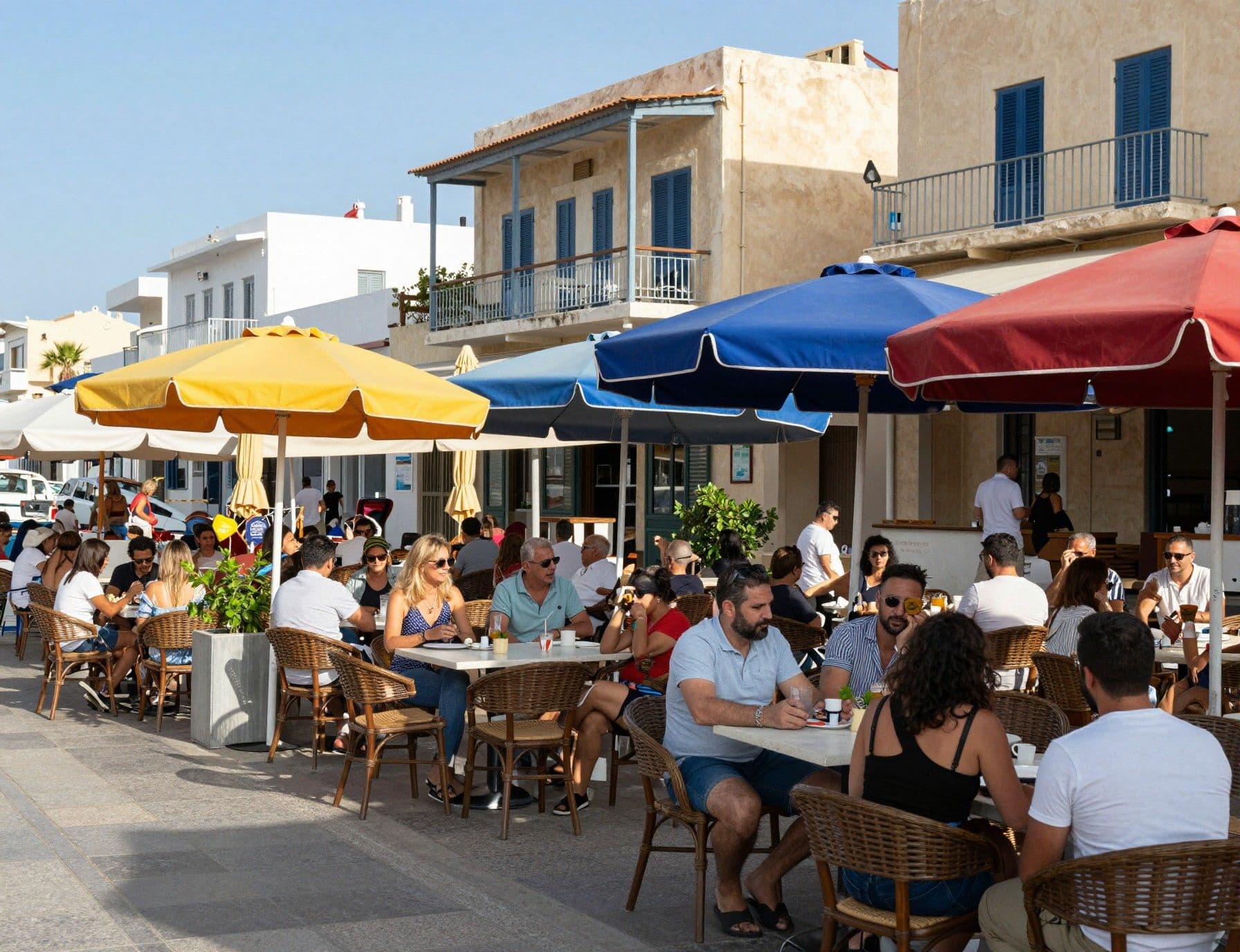
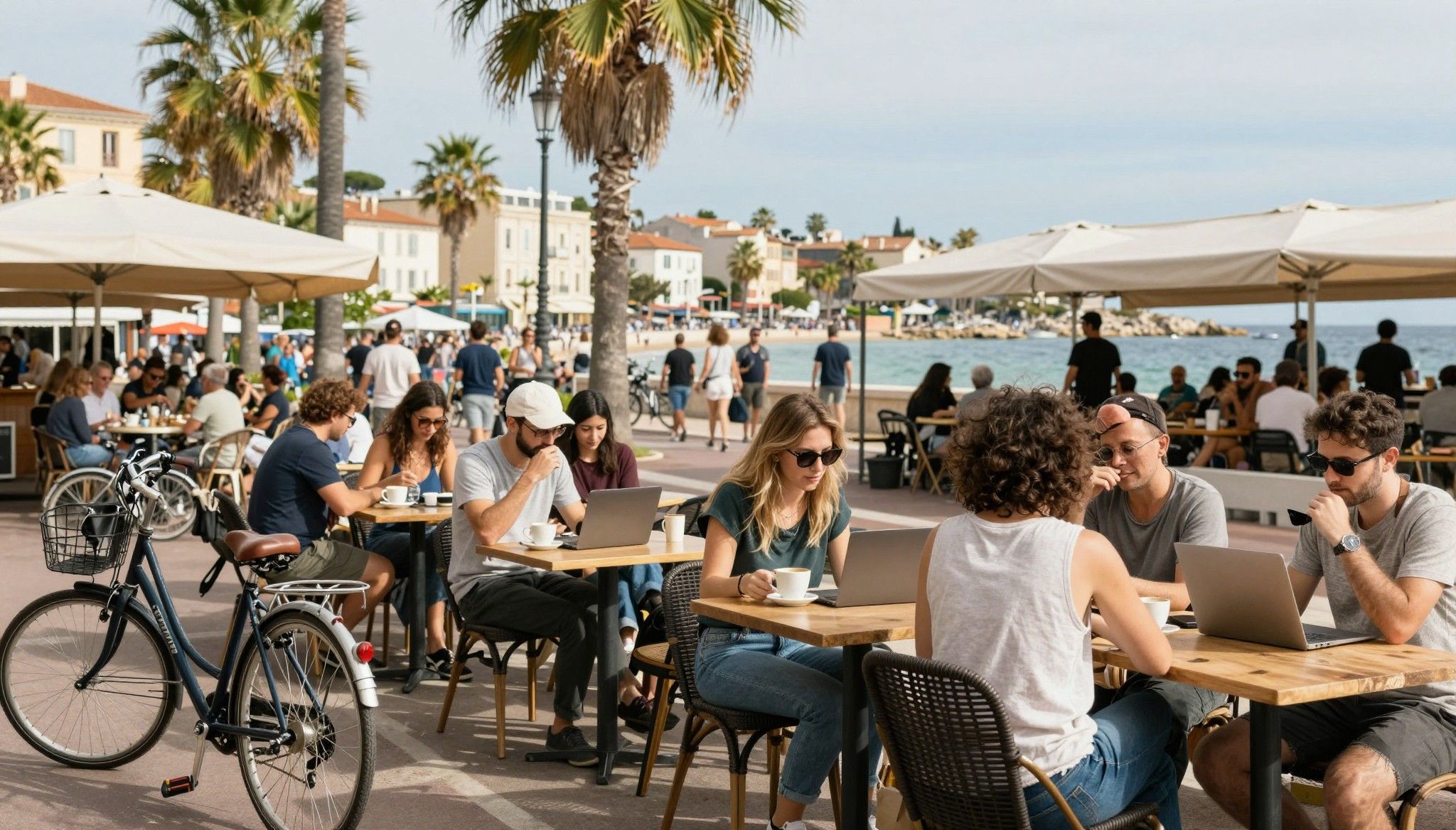
Imagine morning espresso at a café on Ledra Street in Nicosia, a lunchtime swim at Fig Tree Bay in Protaras, then an evening mezze in old Limassol. Cyprus feels Mediterranean in motion: relaxed, loud in the market squares, and quietly serious about family and food. That rhythm shapes what you buy — terraces, shutters, and homes with social kitchens matter more than floor-to-ceiling glass.
Neighbourhood snapshots that sell a life
Each area has its own tempo: old Paphos (Kato Paphos) hums with seaside promenades and expat cafés; Aglandjia in Nicosia feels residential and leafy with short commutes; the Limassol Marina area mixes yacht life, coworking spots, and buzzy restaurants. Pick a neighbourhood by how you want your day to flow — walkable coffee, late-night tavernas, or beachside weekend vibes.
Food, festivals and seasons — how life shapes costs
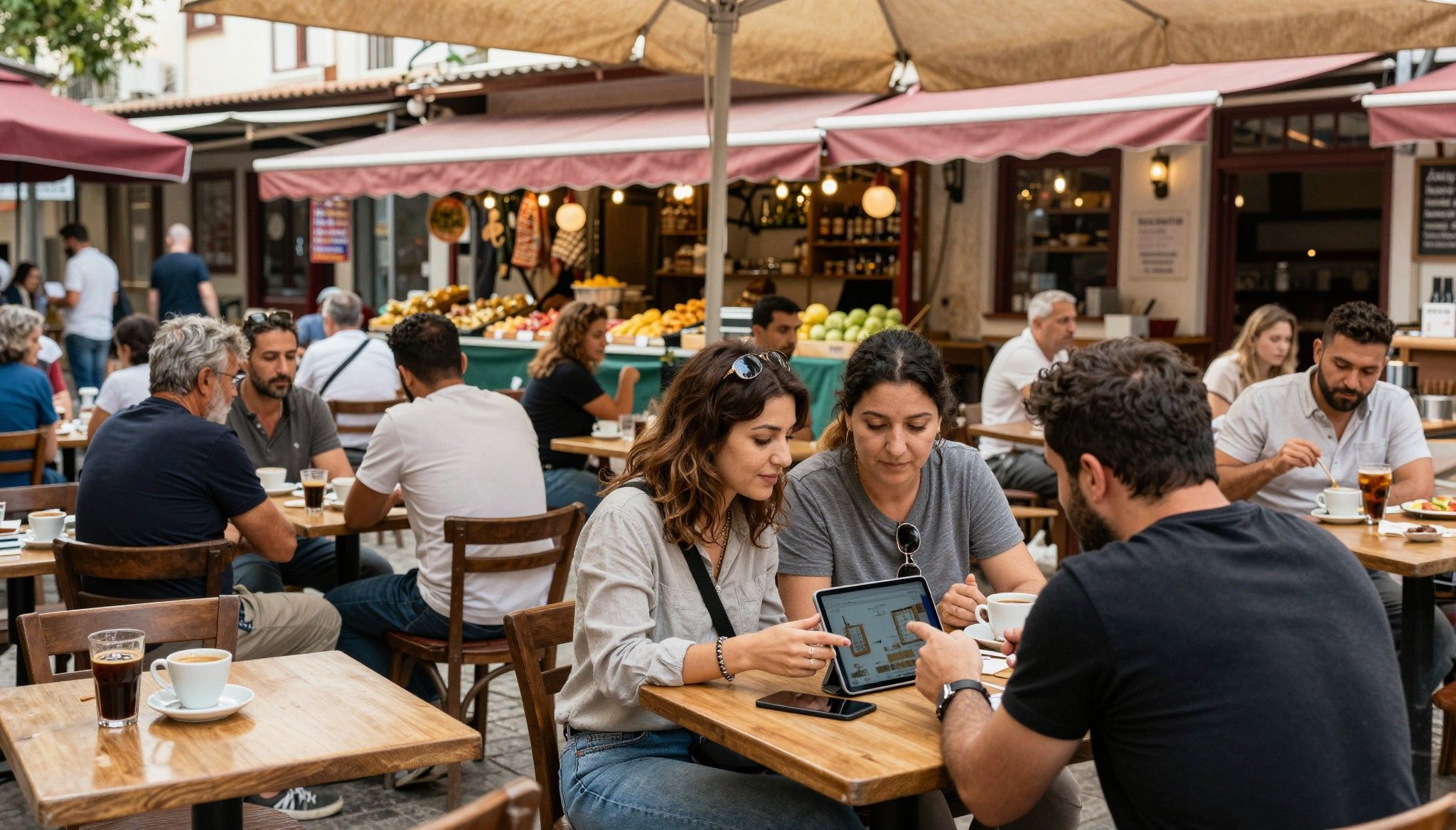
Weekends mean markets: Larnaca’s municipal market is where you learn the seasons, while Limassol Wine Festival nights show how social life spikes demand for holiday rentals. Summer tourism lifts short-term rental rates — which can raise asking prices near beaches — while winter months quiet the market and expose maintenance costs like heating and storm-proofing roofs.
- Lifestyle highlights to budget for (and enjoy) • Morning espresso at Mill in Nicosia and coworking at Ideaboost in Limassol • Weekly fresh fish at Larnaca Market and tavernas in Peyia • Beach weekends at Coral Bay or Konnos Bay • Seasonal festivals (Limassol Wine, Paphos Aphrodite) that boost local rental demand • Short drives to mountain villages like Omodos for Sunday lunches
Making the move: practical budgeting that matches the dream
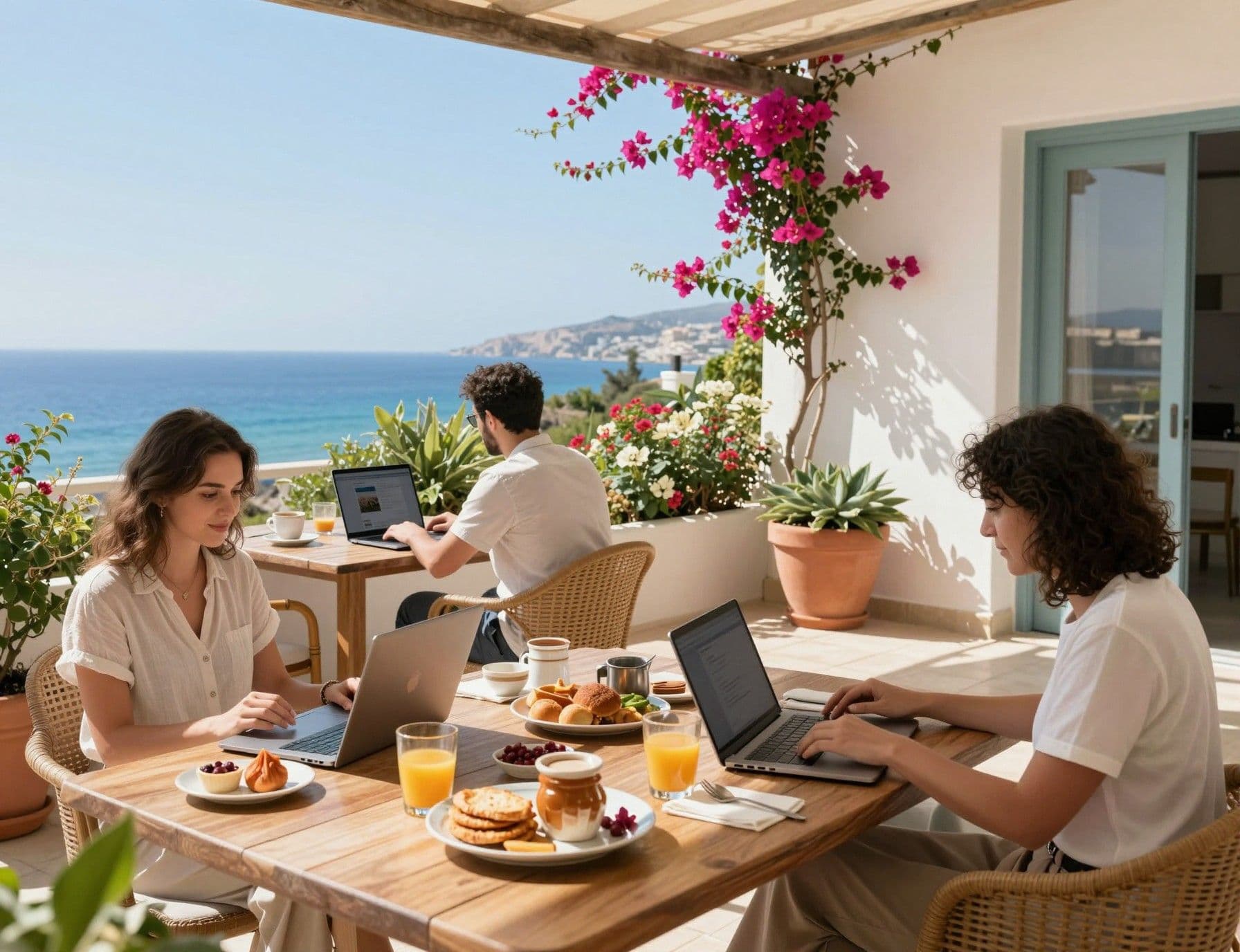
Dreams sell the idea — numbers make it real. Cyprus's House Price Index shows recent price growth, so international buyers should plan beyond the purchase price: legal permission (when required), survey fees, transfer costs and the practical monthly living expenses that determine whether your Mediterranean life is affordable year-round.
Property types & practical lifestyle fit
A hillside townhouse in Peyia gives you evening breezes and community life but might mean a car. A Limassol apartment offers coworking proximity and nightlife but higher running costs. Traditional stone village houses are romantic but can need more renovation and insulation — factor in energy upgrades if you plan to live there year-round.
Work with local experts early. For third‑country nationals, permissions or company structures may be needed; for EU citizens the process is simpler but paperwork still exists. A local lawyer and a reliable agent will flag title issues, the exact fees you’ll face and whether a property is registered with the Land Registry — saving months and unexpected costs.
- Budgeting steps that combine lifestyle and legal reality 1. Set a lifestyle baseline: monthly living costs, coworking fees, transport and entertainment for the neighbourhood you love. 2. Add purchase overheads: legal fees, registration, searches, survey and notary costs (typically 8–12% of price depending on circumstances). 3. Check statutory charges and permission needs for non‑EU buyers; build a small contingency (3–5%+). 4. Factor in running costs: utilities, community/maintenance fees and seasonal maintenance (roof, AC servicing).
Insider knowledge: what expats wish they'd known before buying
Real talk: the paperwork is straightforward when you prepare, but small choices make or break the experience. Buying close to a promenade means tourist-season noise and higher rental upside — and higher prices. Choosing a village house can reward with quiet authenticity but require patience and extra renovation budgets.
Cultural and community tips that affect costs
Learn a few Greek phrases, join a local club or taverna night and you’ll unlock better contractor referrals and friendlier negotiations. Neighbourhood reputation in Cyprus often depends on long-term social ties — local goodwill can cut renovation headaches and reduce hidden costs like repeated permit issues.
Long-term thinking: maintenance, energy and resale
Plan for climate realities: strong sun, salty air and seasonal storms affect facades, pools and roofs. Invest in good insulation, corrosion-resistant fixtures and reliable drainage. These choices raise upfront costs but preserve value and lower stress — and make your place feel like home all year.
- Expat red flags and how to avoid them • Incomplete title deeds or unregistered extensions — always commission a land registry search. • Relying on verbal promises from sellers — insist on contract clauses and deposits held by notary. • Underestimating seasonal community fees for holiday developments — check reserve funds. • Skipping energy or pest surveys for older stone houses — add specific inspections.
- Step-by-step next moves (quick action plan) 1. Decide lifestyle non-negotiables (beach, coworking, village quiet). 2. Book a local lawyer and ask for a title and encumbrance report before offers. 3. Get a detailed renovation quote if needed and add to your offer. 4. Confirm permission needs for your citizenship status and budget for those administrative fees. 5. Reserve 5–10% contingency and schedule a post-purchase settling-in budget for local registrations and utilities.
Cyprus sells a lifestyle as much as a property. If you pair the coffee‑table view with realistic budgeting — using official price indices and government guidance — you’ll transform a holiday daydream into a sustainably lived life. Start with neighbourhood visits, bring local experts in early, and let the lifestyle lead your budget choices, not the other way around.
Conclusion — fall in love, then do the math: pick the neighbourhood that matches your daily rhythm, build a budget that includes legal, seasonal and maintenance realities, and hire local pros who protect both your money and the life you imagine in Cyprus.
Dutch investment strategist guiding buyers to Greece and Spain; practical financing, tax, and portfolio diversification.