Italy: Lifestyle-First Visas and Property Moves
Italy’s romance pairs with practical visa routes: elective residency and a new digital‑nomad visa. Match neighborhood life to paperwork and fiber-first property choices.
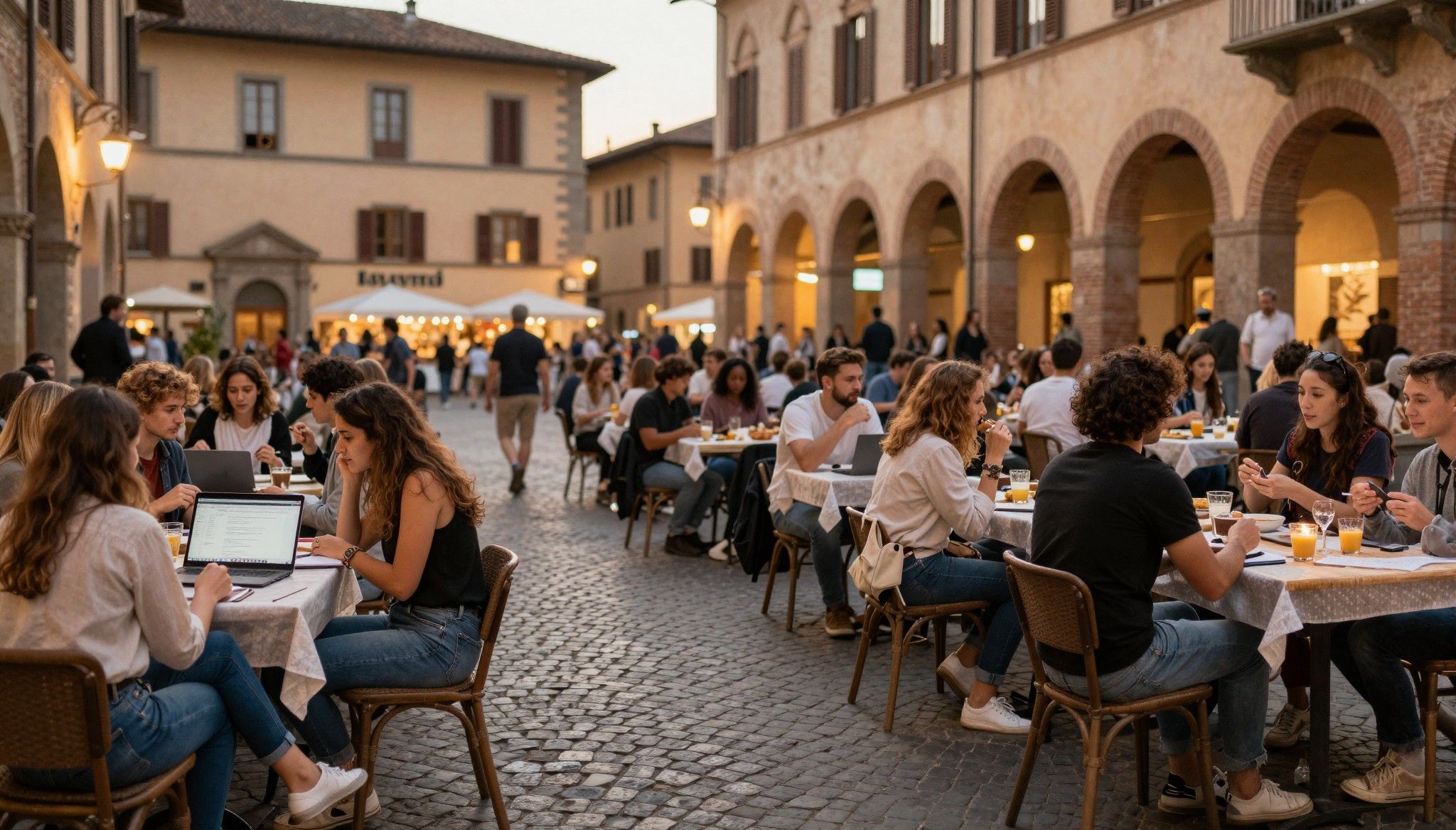
Imagine sipping an espresso at a sun-warmed cafe in Trastevere, laptop open, the Tiber glinting nearby — and knowing you can live here legally without guesswork. Italy hands you cinematic days: narrow cobbled lanes, late-night apertivi, weekly markets piled with burrata and porcini. But dream and documents are different things. This piece pairs the sensory Italy you fell for with the visa routes and real-estate moves that actually make a long-term stay possible.
Living the Italy lifestyle
Daily life in Italy moves at a human pace. Mornings start with quick espresso and a cornetto; afternoons might mean a slow market run for fresh herbs and tomatoes. In cities like Milan or Bologna, coworking hubs hum by 9 a.m.; in Puglia or Liguria, work windows bend around beach time. Expect seasonal rituals — chestnut festivals in autumn, town patron saint days in summer — that shape how neighborhoods feel and when properties are lively or quiet.
City pulse vs. coastal calm: Neighborhood snapshots
Rome’s Trastevere and Testaccio ooze old‑world nights and narrow alleys; here, tiny apartments and terraces dominate. Milan’s Navigli and Porta Nuova are designed for young professionals — sleek cafes, design showrooms, and fast internet. On the coast, Levanto or Cefalù trade noise for sea breezes and bigger outdoor terraces. In Tuscany, towns like Lucca and Pienza deliver slow-food markets and restorative mornings — perfect if you want garden space and restoration projects.
Food, markets and the rhythm of the week
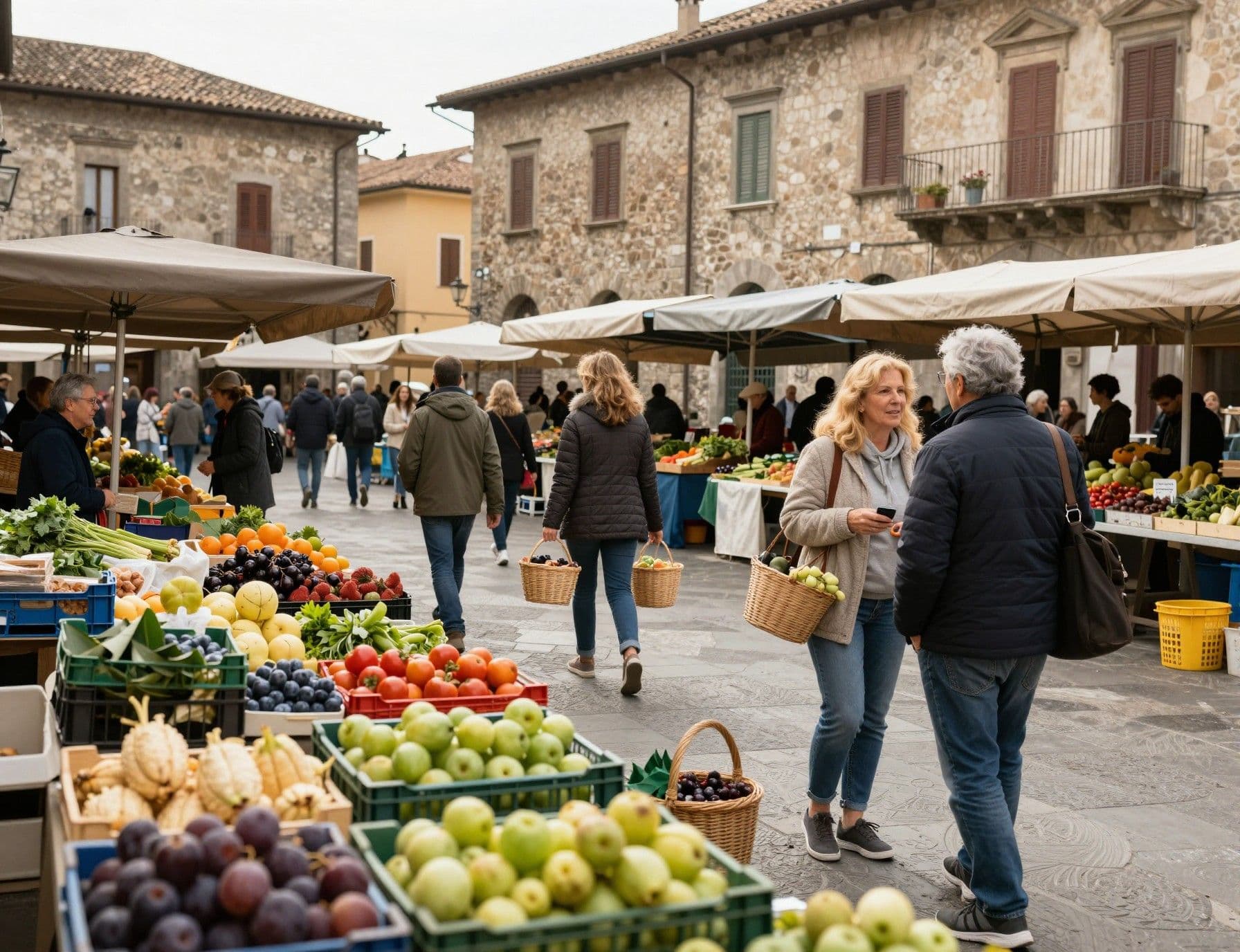
Picture Saturday mornings at a mercato — vendors shouting over crates of figs and artichokes, a cheese seller folding samples into paper. Eating is social: long lunches, late dinners, and aperitivo culture that doubles as networking. For buyers, proximity to a reliable market or neighborhood bakery is less frivolous than it sounds; it shapes daily convenience and resale appeal.
- Lifestyle highlights: local places and experiences
- Trastevere’s piazzas and evening buzz (Rome)
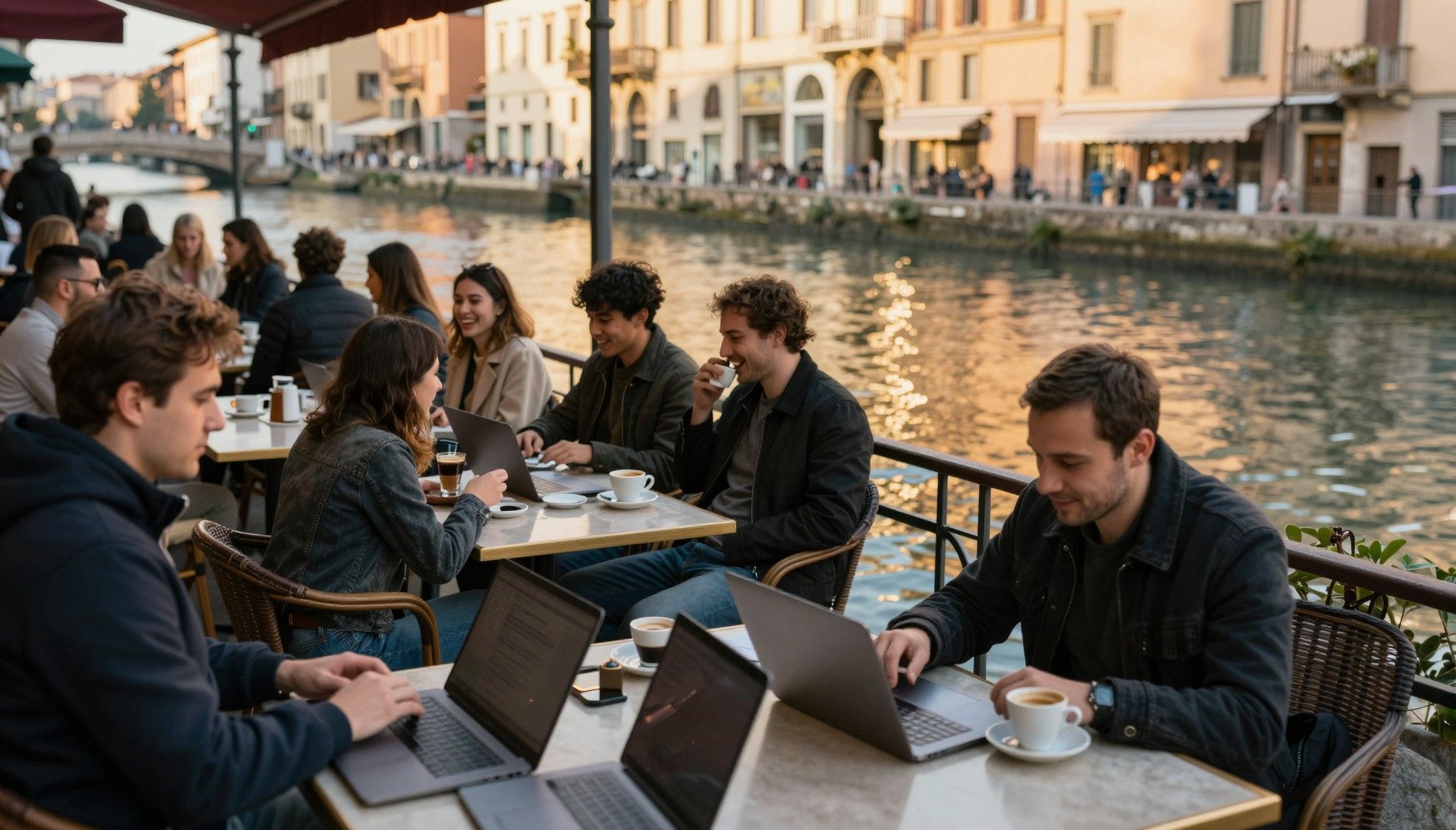
- Navigli canal walks and coworking cafés (Milan)
- Sunset swims and seafood fresh from San Vito Lo Capo (Sicily)
- Weekly outdoor markets in Lucca and Siena (Tuscany)
Making the move: practical visa and market realities
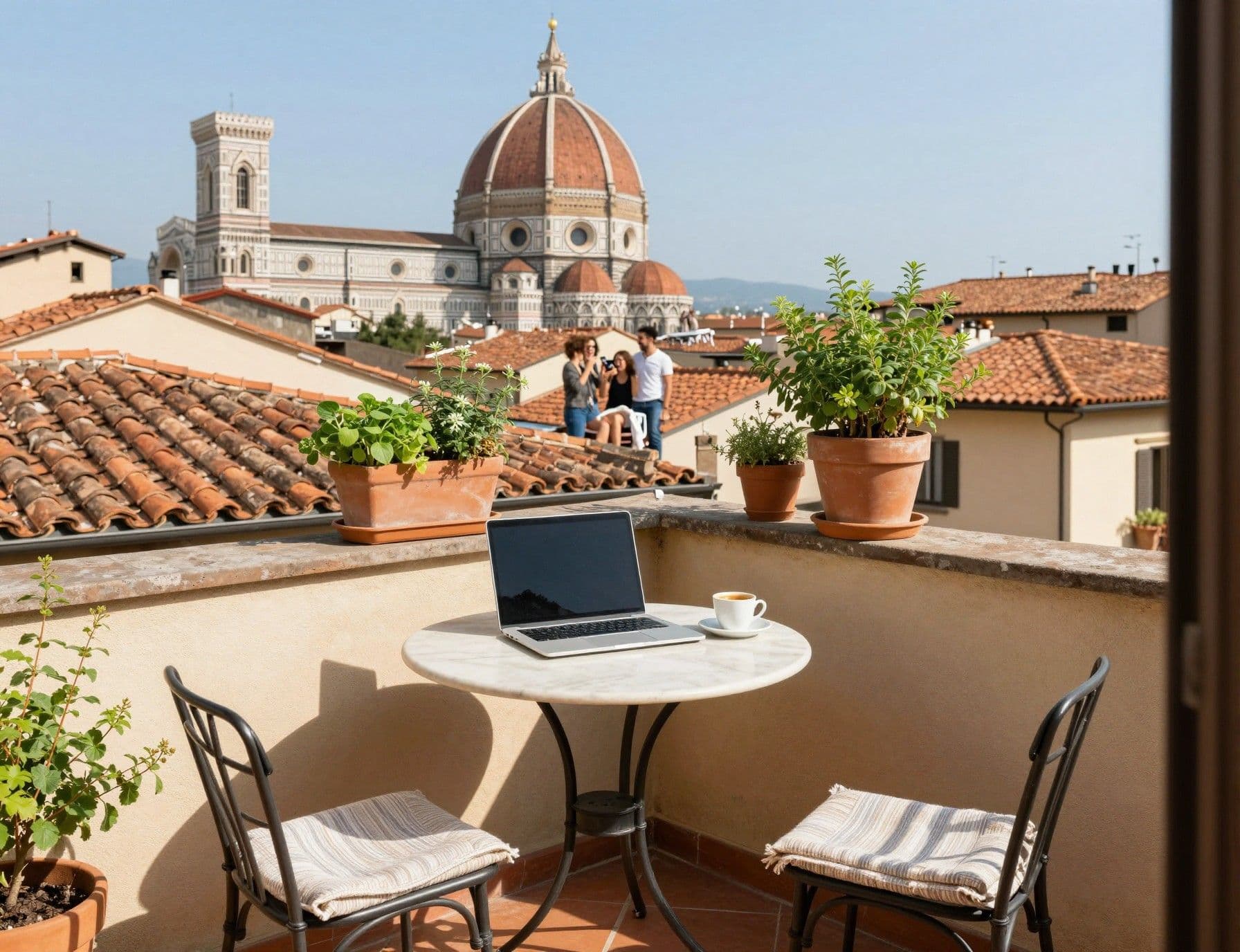
You can’t rely on charm alone — Italy’s visa rules matter. Two practical paths stand out for nomads and lifestyle buyers: the Elective Residence Visa (for those with steady passive income) and the recently formalized Digital Nomad Visa framework. Consulates publish checklists for elective residency, and legal advisories outline the new nomad visa terms introduced by ministerial decree. Both routes have distinct documentation and living requirements — read consulate guidance early in the search process.
Elective Residence Visa — who it fits
If you have reliable passive income — pensions, rental returns, dividends — the Elective Residence Visa is straightforward but strict: you must prove enough funds to live in Italy without working. Expect to show bank statements, proof of accommodation (ownership or lease), health insurance, and more. Many buyers buy a home first to anchor the application to a specific local Questura (police office) for the residence permit.
Digital nomad visa — what’s changed
In 2024 Italy published implementing rules for a Digital Nomad Visa that allow extended stays for remote workers who meet income and contract conditions and who pay any relevant social contributions. Requirements and tax/social-security implications vary by circumstance, so consult immigration counsel and a tax advisor before committing to property purchases based on expected visa benefits.
- Money + lifestyle steps to align visa and property
- Buy or secure an address early to show proof of accommodation when applying.
- Prepare certified translations and apostilles for income proofs and civil documents.
- Plan health insurance and be ready to register with local services after arrival.
Property types that match the life you want
Italy’s housing stock is gloriously varied. Tiny centro storico flats put you in the middle of life but often lack elevators and outdoor space. Country houses (casali) give gardens and room to breathe, but expect renovation and systems upgrades. Newer apartments in suburbs and newly regenerated city districts deliver reliable internet, parking, and coworking access — important if remote work is central to your move.
How architecture affects everyday remote work
An ancient stone studio with 3‑metre ceilings is romantic, but acoustic problems and weak Wi‑Fi can derail your week. Look for fiber availability, a dedicated workspace, and natural light. If you need meetings, proximity to an international airport (Fiumicino, Malpensa, Venezia Marco Polo) and urban coworking hubs matters more than a sea view.
Working with an agent who gets nomads
Choose agencies that advertise tech infrastructure, rental-management experience, and remoter‑worker references. A good agent arranges local SIMs, checks fiber availability, and connects you to accountants who understand how visa status and taxes interact. They’ll also flag commonsense local issues — condominium rules about short-term renting, earthquake retrofitting needs, or seasonal tourist zoning.
- Agent checklist for nomads
- Confirm fiber/cable internet at the property
- Ask about rental history and short‑term restrictions
- Get local accountant recommendations for residence tax steps
Insider knowledge: expat realities and seasonal truths
Expats often underestimate seasonality. Towns that hum in summer — Amalfi, Positano, Cinque Terre — can feel deserted in winter, which affects local services and rental earnings. Conversely, cities with strong year‑round economies (Milan, Bologna) give steadier rental demand. Market data from property portals show varied performance by region; city-centre prices and rents behaved differently during 2023–2025 recovery phases.
What locals wish they'd told you
Neighbors are everything. In many towns, introductions — the barista, the building custodian, the municipal clerk — smooth a thousand small tasks. Learn a handful of phrases, join a weekly market run, and show up at local events. Hospitality opens doors to friends and trusted local help when paperwork or repairs get tricky.
Hidden costs and red flags
- Watch for: complex condominium rules, seismic upgrade needs, and mismatches between listed and actual fiber availability.
- Budget for translation, apostille and notary fees when preparing visa and purchase documents.
- Check tourist zoning rules if you plan seasonal short‑term rentals — some communes restrict Airbnb-style lets.
Long-term: how life evolves after you move
The first six months are discovery — the next five years are about roots. Many nomads start with a city flat, then expand to a weekend country house or coastal base. Over time, community ties, language skills, and a local tax strategy change the way you use the property: from short-term income to a family home or a regional bolt‑hole.
Conclusion: fall in love, but plan like a local
Italy rewards curiosity and patience. Find the neighborhood that sings to you, then align lifestyle choices with visa realities and property due diligence. Work with agents who understand nomad priorities — fiber, workspace, and community — and get the right documents in order early. If you plan properly, you won’t just visit Italy; you’ll live its seasons, festivals and markets as a neighbour, not a tourist.
Swedish, relocated to Marbella in 2018 to chase sun and property freedom. Focus on legal navigation and tax for Nordic buyers.