Offer Playbook: Fall for France, Close with Confidence
Fall for France's lifestyle, then craft offers that reflect local quirks: use bilingual agents, budget for variable notary fees, and check copropriété accounts.

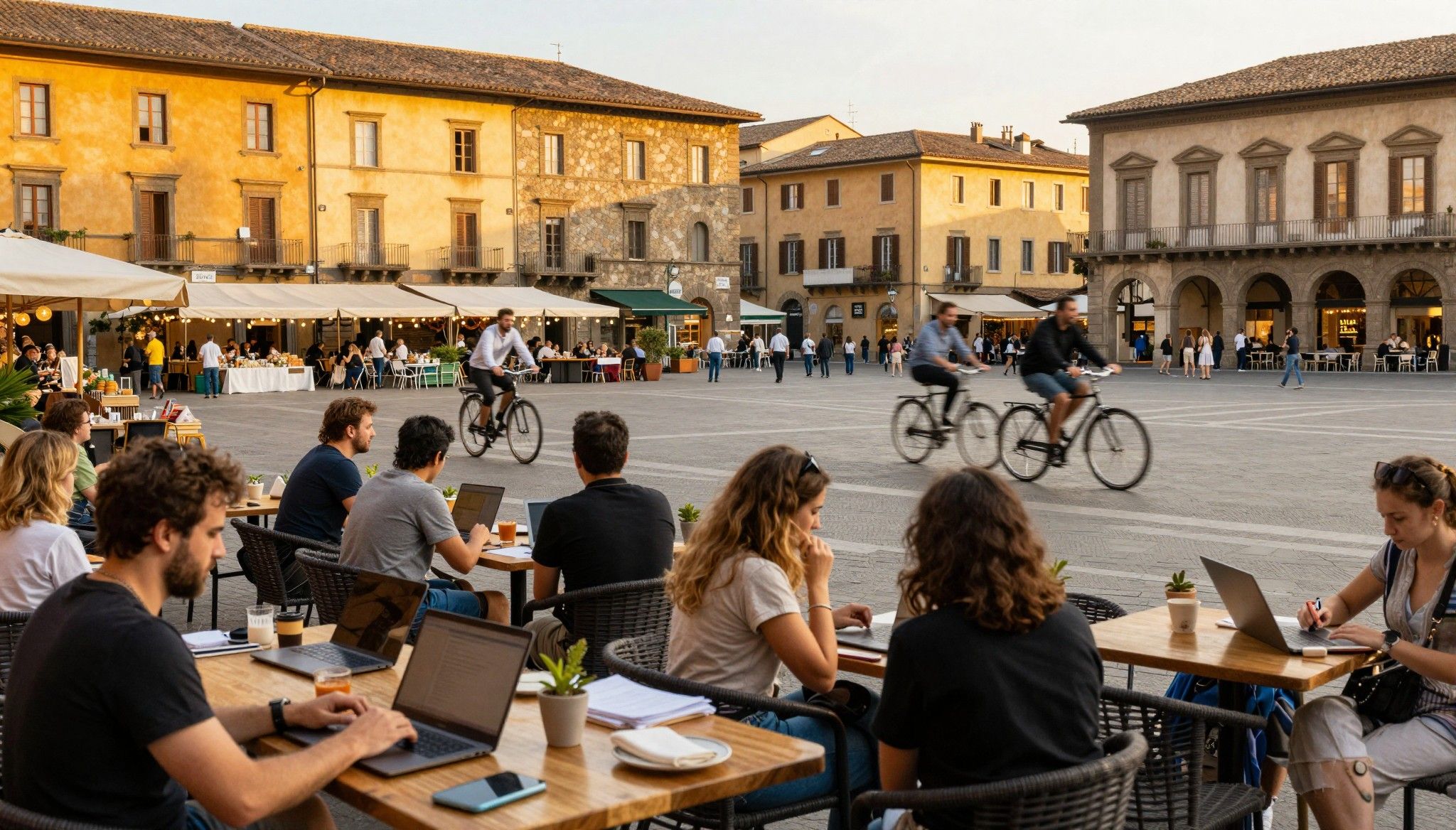
Imagine sipping espresso at Café de Flore, laptop open, a tram bell in the distance and a weekend market two blocks away — and knowing you just signed on a stone‑front flat in Paris' 6th arrondissement. Buying in France can feel cinematic. But the magic shows up only if you pair the lifestyle dream with a tight offer strategy, the right local experts, and an eye for the small legal traps that turn romance into regret.
Living the French Life (and What It Means for Offers)
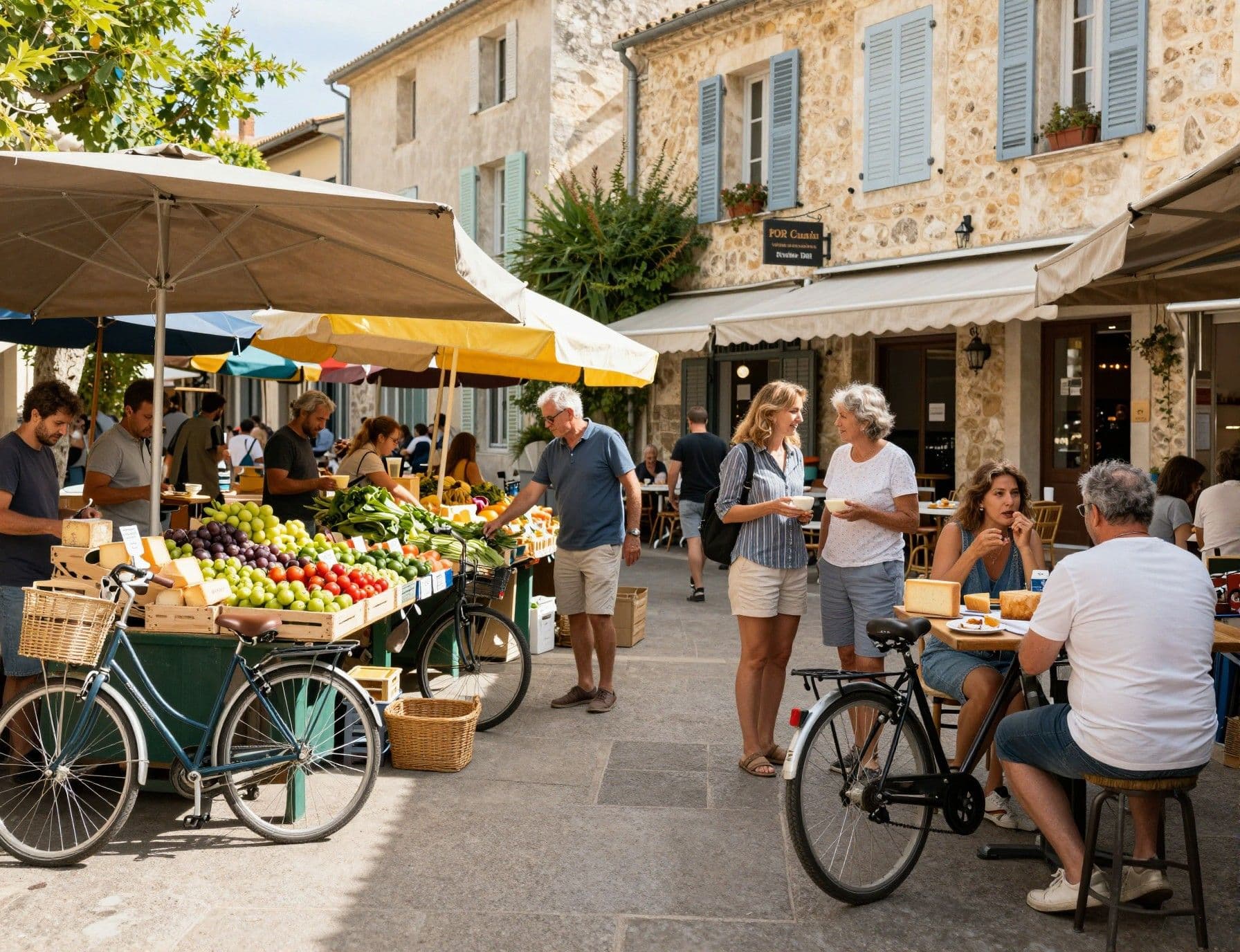
France moves at a charmingly particular pace. Mornings are for markets and cafés, afternoons for slow walks in shaded boulevards, evenings for long meals. That rhythm influences how properties are shown, how sellers price, and how quickly neighbourhoods shift from sleepy to buzzy — all details you should fold into your offer strategy.
Neighbourhood flavor: Paris 6th vs. Bordeaux Chartrons
The 6th is easy to romanticise — narrow streets, literary cafés, antique shops — and that demand translates into bidding tension. Contrast that with Chartrons in Bordeaux: riverfront terraces, wine bars, and a calmer tempo where strong offers with sensible contingencies win more often than dramatic overbids.
Food, market life and timing your viewing
If you book viewings on market day in Aix‑en‑Provence or Nice you’ll see neighbourhood life in full — bakers topping fresh fougasse, children darting between stalls. That energy can make a modest apartment feel alive; but it might also mask noise or parking pressure. Schedule second viewings on quieter days to check the true living experience before you make an offer.
- Lifestyle highlights that affect offers: Place names and quick checks
- Walk Rue Cler (Paris 7) at 8am — note baker delivery times and garbage pickup that could affect noise.
- Visit Marché Forville (Cannes) on market day — check how busy nearby streets get and parking options.
Making the Move: Practical Offer & Closing Steps

Dreams aside, French process quirks shape how you write an offer. The compromis de vente (or promesse) is central, not optional. Deposits, cooling-off rules, and notary fees (frais de notaire) — which recent government guidance shows can vary by department — must be factored into your offer amount and timeline.
Property styles and how they change negotiation
A Haussmann apartment in Paris has different bargaining room than a village stone house in Dordogne. Historic, listed properties invite longer notary checks and additional municipal permissions. New builds (VEFA) often have fixed pricing and staged payment schedules — negotiate upgrades and delivery dates rather than price.
Work with the right local experts
Use a bilingual agent who understands nomad priorities: fast internet, flexible workspace, and community. Hire a notaire early to flag legal encumbrances and the mairie's right of pre-emption. A local architect or surveyor can spot costly issues (damp, structural quirks) that make a lower offer sensible.
- Offer and closing checklist blending lifestyle + practical moves
- 1. Visit twice: once on market day, once midweek to check noise and light.
- 2. Insert simple but strong contingencies: 90‑day mortgage clause, clear inventory list, and a written clause about included fixtures.
- 3. Budget for frais de notaire and departmental variations (4.5–5.81% or more in 2025–2028 changes).
- 4. Offer a reasonable deposit (5–10%) to show commitment while respecting cooling-off protections.
Insider Knowledge: What Expats Wish They’d Known
Many expats tell the same story: they fell in love first, then learned the hard way about municipal taxes, shared stairwell repairs, or a seller’s unreported charge. Recent notarial reports show markets rebounding in major cities, which means competition can return quickly — plan offers with speed and care.
Cultural cues that change negotiations
French sellers often expect a polite but firm negotiation. Small gestures — a well‑written offer letter in French, punctuality for viewings, and respect for local agents — go a long way. Don’t mistake politeness for weakness; clear, well-documented offers win respect.
Hidden costs and seasonal timing surprises
Beyond notary fees, factor in copropriété charges, recent syndic invoices, and potential departmental tax raises enacted in 2025. Note also that festival seasons (summer on the Riviera) can inflate perceived value during visits — always compare off‑season viewings to avoid overpaying.
- Red flags to check before you sign
- Missing recent copropriété accounts or surprise levies for roof/ facade work.
- Unregistered extensions or permits that the mairie could force to be removed.
- Vague inclusions: furniture, fixtures or outbuildings not listed in the compromis.
Conclusion: Fall in love, but close with your eyes open. France gives you local markets, café culture, and architecture that rewards curiosity. Pair that with a crisp offer, a notaire who speaks your language, and a second viewing off‑season. Then you’ll get both the life you imagine and the legal cover you need — la vie est belle, and the keys are real.
Danish investor and relocation advisor focusing on Portugal and the Algarve; loves coworking culture and expat networks.