Malta for Nomads: Residency Picks & Contrarian Property Tips
Why Malta works for nomads: visa-friendly permits, compact neighbourhood choices, and contrarian property tips that trade postcard views for better value.
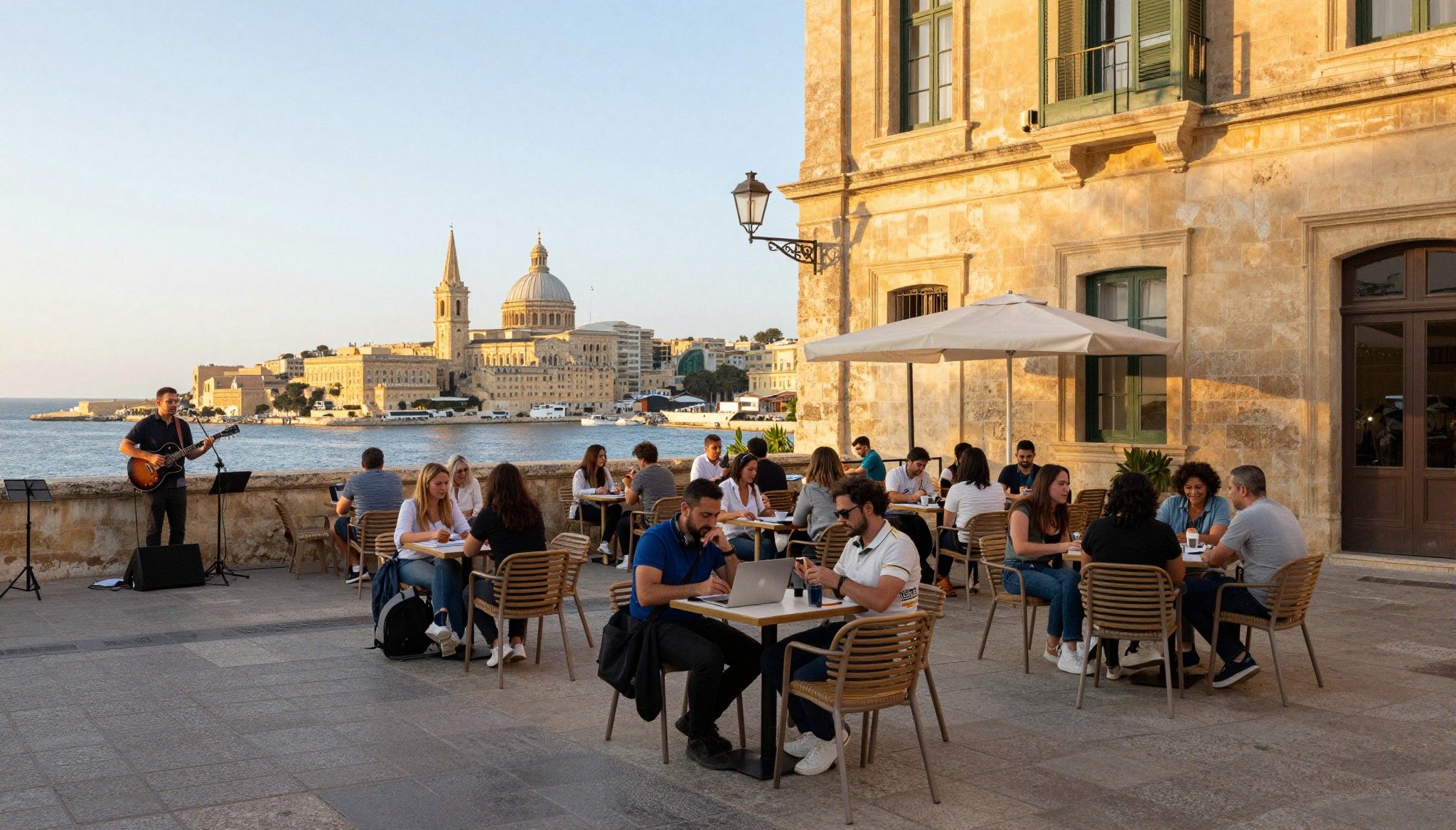
Imagine finishing a work sprint on a sunlit terrace in Valletta, then wandering five minutes to a tiny bookshop for an espresso that tastes like the island — that immediacy is Malta. For digital nomads and remote professionals, Malta blends fast connections, English-language ease, and a Mediterranean rhythm that turns weekday evenings into short, delicious adventures. That lifestyle promise is the headline. The reality beneath it — visas, neighbourhood tradeoffs, and where to actually live to get both peace and coworking — is what separates a holiday crush from a sustainable move.
Living the Malta lifestyle: island smallness, big variety
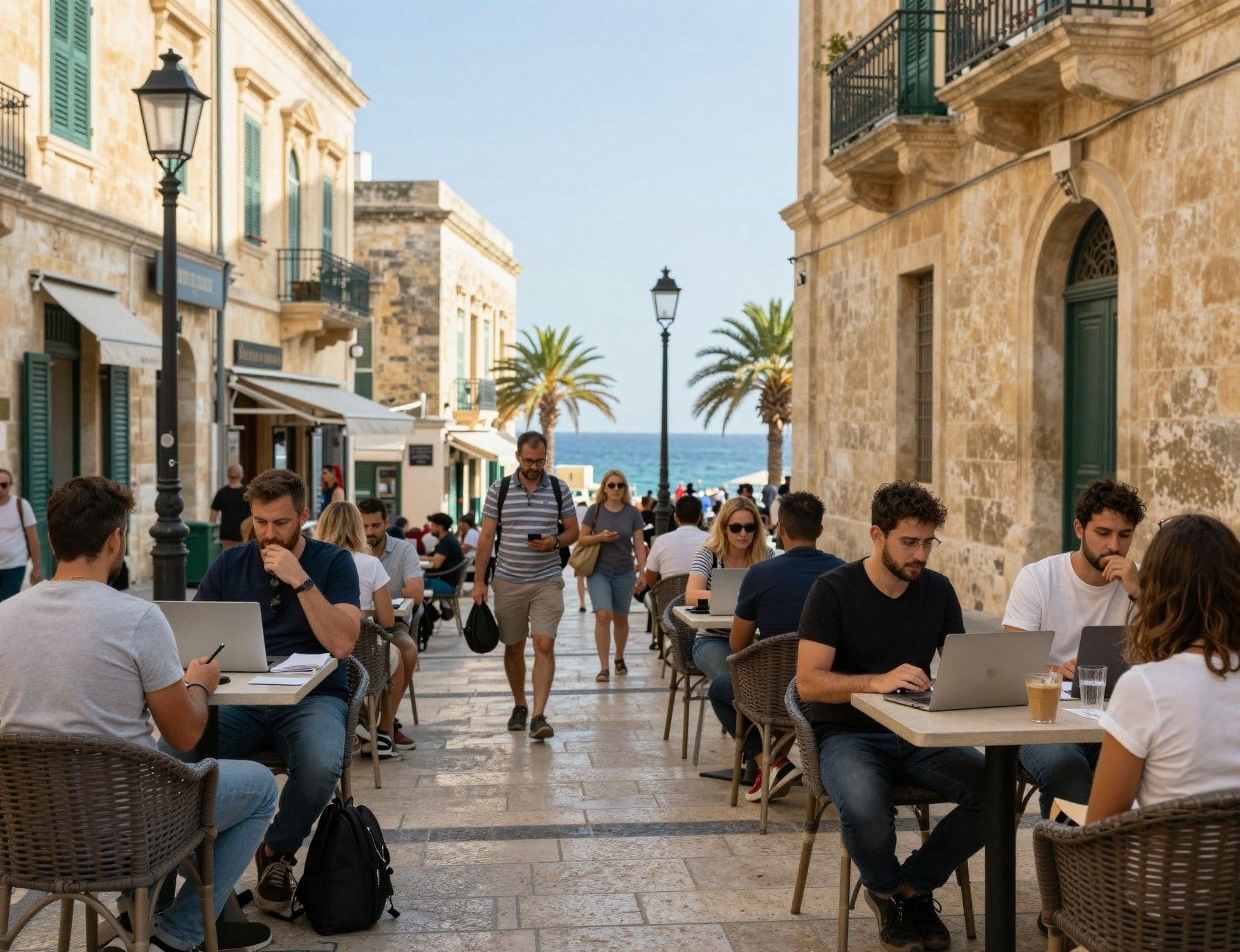
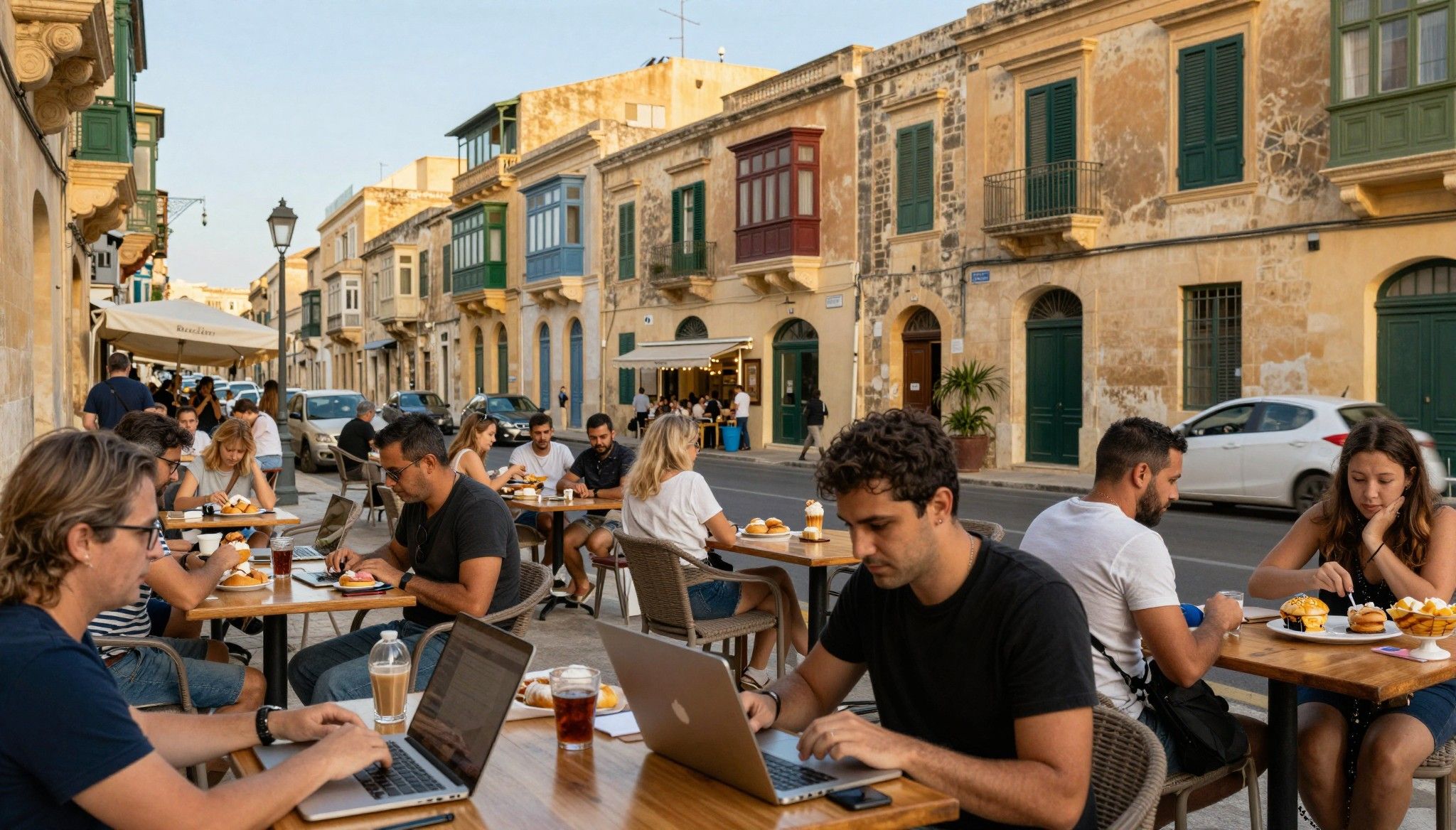
Malta feels compact but layered. Mornings in Sliema mean promenade joggers and cafés filling with laptops; afternoons in Mdina are quiet, honey-coloured and reflective; evenings in St Julian's switch from family dinners to lively bars around Paceville. Everything’s closer than you think — a 30-minute drive takes you from fortress ramparts to sandy coves — and that tightness shapes how you choose property. If you crave noise and meetups, pick waterfront neighbourhoods. If you want slow mornings and restored limestone charm, choose the inner towns.
Valletta & The Three Cities: history with an espresso
Valletta's narrow streets smell of baking bread and seawater. You’ll find boutique cafés on Strait Street, museums tucked between baroque facades, and rooftop terraces that become remote-work favourite studios at golden hour. Across the Grand Harbour, Vittoriosa (Birgu) and Senglea give a quieter, community-driven pace — fishermen, small restaurants, and slower afternoon markets. These areas are photogenic and walkable, but apartments tend to be smaller and older; expect charming quirks like thick stone walls and sash windows that influence renovation choices.
Sliema, St Julian's & Pembroke: the nomad pulse
Sliema and St Julian’s are the most obvious picks for nomads: coworking cafes, reliable fibre, and a steady stream of meetups. Pembroke and the areas around SmartCity are quieter, modern, and often offer bigger terraces and better value per square metre. If you need reliable cafes with power outlets and a coworking scene, this cluster delivers — but nightlife and tourist crowds in peak season can make parts of St Julian’s feel less local.
Making the move: visas, residency and property fit
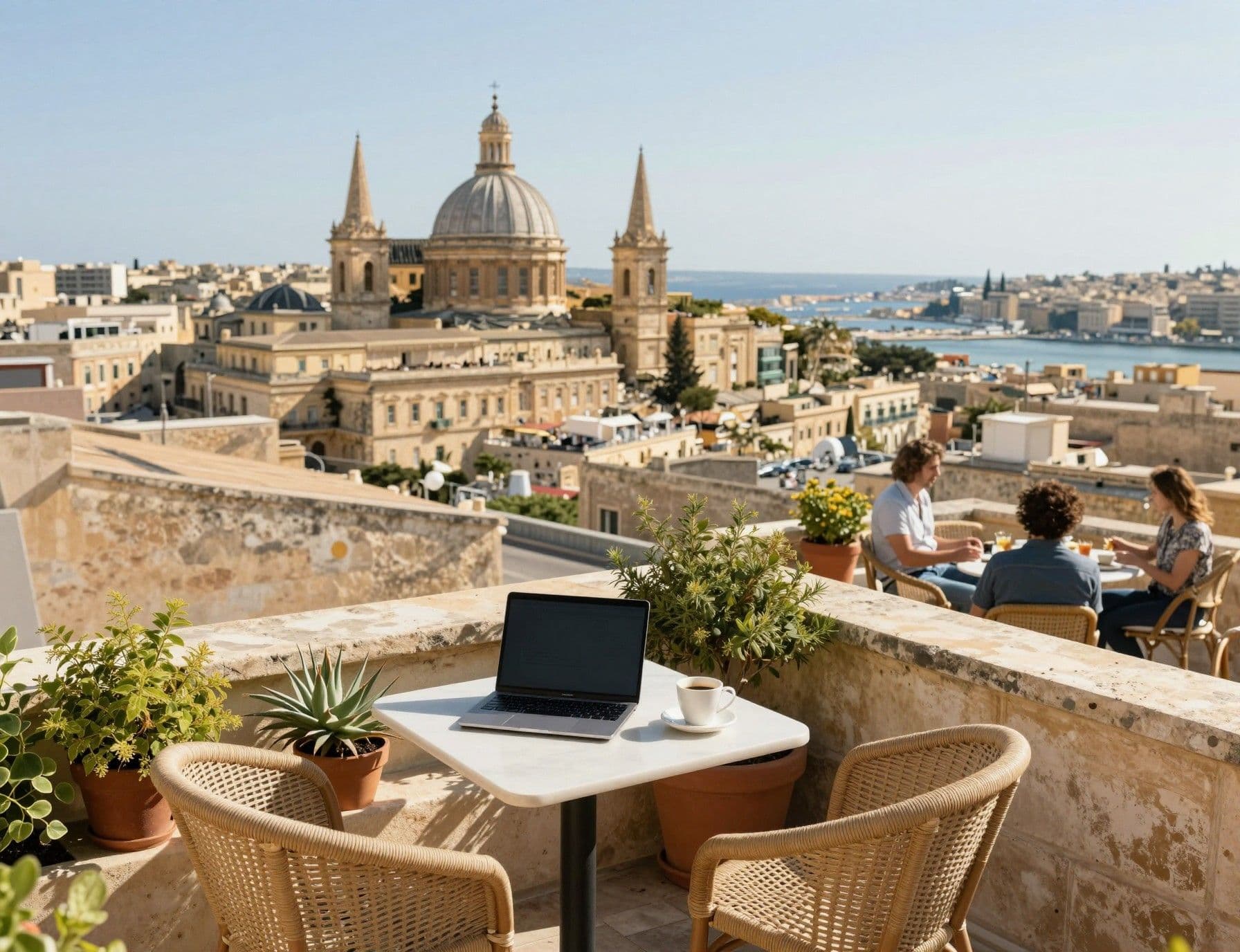
The good news: Malta offers clear, visa-friendly options that actually suit remote professionals. The Nomad Residence Permit allows third-country nationals to base themselves on the island while working remotely, and Malta’s Permanent Residence Programme (MPRP) remains a formal pathway for longer-term moves, with updated rules and financial obligations published by the Residency Malta Agency. These options make it practical to plan a one-year test-stay or something more permanent — but each path changes how you should approach property choices, taxes and local registration.
Property styles and how they map to your lifestyle
From seventeenth-century townhouses with internal courts to modern apartments with balconies, Malta’s property stock is diverse. Townhouses (especially in Vittoriosa and Rabat) offer character and private roof terraces perfect for work breaks; newer developments in SmartCity and Pembroke deliver gyms, parking and stable internet for routine-heavy remote work. Consider insulation and AC: thick stone walls keep summers pleasant but can trap humidity, so factor in HVAC and renovation budgets when comparing listings.
Work with local experts who speak lifestyle and law
A local agent who knows café culture, internet providers and municipal permit quirks is worth their weight in saved headaches. Look for agencies that show coworking proximity, fibre availability, and long-term letting demand — the best agents can match the vibe you want (quiet Mdina mornings vs. Sliema social life) with legal checks and renovation partners. Ask candidates how many remote-worker clients they’ve helped and whether they can connect you to short-term lets to test neighbourhoods first.
Insider knowledge: market reality, timing and counter-intuitive tips
Malta’s market has momentum but also quirky micro-imbalances. National reports and industry analysis show steady price appreciation and strong transaction volumes — yet supply constraints make certain pockets surprisingly affordable if you’re willing to look past a front-door view. Data from the National Statistics Office and industry reports point to steady demand and a constrained supply pipeline, which helps explain why thoughtful buyers who value lifestyle over headline addresses often find better long-term value inland or in less-touristy harbours.
Contrarian pick: why some locals avoid the waterfront — and why you might prefer it
Locals sometimes avoid the busiest seafront strips because of noise, tourists and inflated short‑let demand. That’s a plus for you if you want affordable access to community life: streets one block inland often have the same sea breeze, better parking, and calmer neighbours at night. Buying one street back from the promenade means lower price-per-square-metre, easier renovations, and still-quick access to cafés and coworking hubs — a smart tradeoff for nomads who value focus over postcard views.
- Lifestyle-plus-practical checklist when viewing Maltese properties
1. Check fibre availability and ask for recent speed tests. 2. Inspect for damp and ask about past humidity fixes. 3. Confirm municipal permits for roof terraces. 4. Ask neighbours about peak-season noise. 5. Verify short-term letting rules if you plan to rent. 6. Measure commute time to main coworking spots.
What expats wish they’d known: culture, community and the long view
Language, rhythm and how to make Malta feel like home
English is an official language here, which flattens early hurdles. Still, local Maltese customs — long family lunches, Sunday market rhythms, and tight neighbourhood networks — shape daily life. Join a band club night, try the pastizzi at Fortizza in Floriana, and you’ll meet people faster than waiting for expat meetups. Small gestures — learning a few Maltese phrases, showing up for community festa — pay off hugely in feeling settled.
Long-term thinking: maintenance, community and resale
Malta’s long-term buyers benefit from thinking like residents: budget for periodic limestone restoration, choose neighbours you’d tolerate in high season, and consider how your property fits a five-year plan. Areas with improving infrastructure (fibre rollout, new marina upgrades) tend to outperform — and an agent who tracks municipal plans will save you future costs. If resale matters, properties with private outdoor space and easy parking are perennial favourites.
The island is small enough that lifestyle choices and practical checks intersect fast. Test the neighbourhood on a short-term let, prioritise fibre and humidity fixes, and work with an agent who talks about coffee shops as easily as title deeds. If you love lively evenings, pick St Julian’s or Sliema; if you want limestone calm and rooftop sunsets, aim for Mdina‑Rabat or Vittoriosa. Either way, Malta rewards buyers who shop for how they want to live, not just for a postcard view.
Conclusion: fall in love, then check the facts. Malta’s visa pathways — from Nomad Residence to formal residence programmes — make it a realistic base for nomads. But the smartest purchases blend lifestyle (cafés, coworking, sea breeze) with checks (fibre, permits, damp). Start with a one‑month let, meet local agents, and ask for neighbourhood referrals. When a place makes you picture a regular morning routine, you’re close to a decision that’s both joyful and sound.
Norwegian who has helped 200+ families relocate from Oslo to Spain; expert in relocation services and community integration.