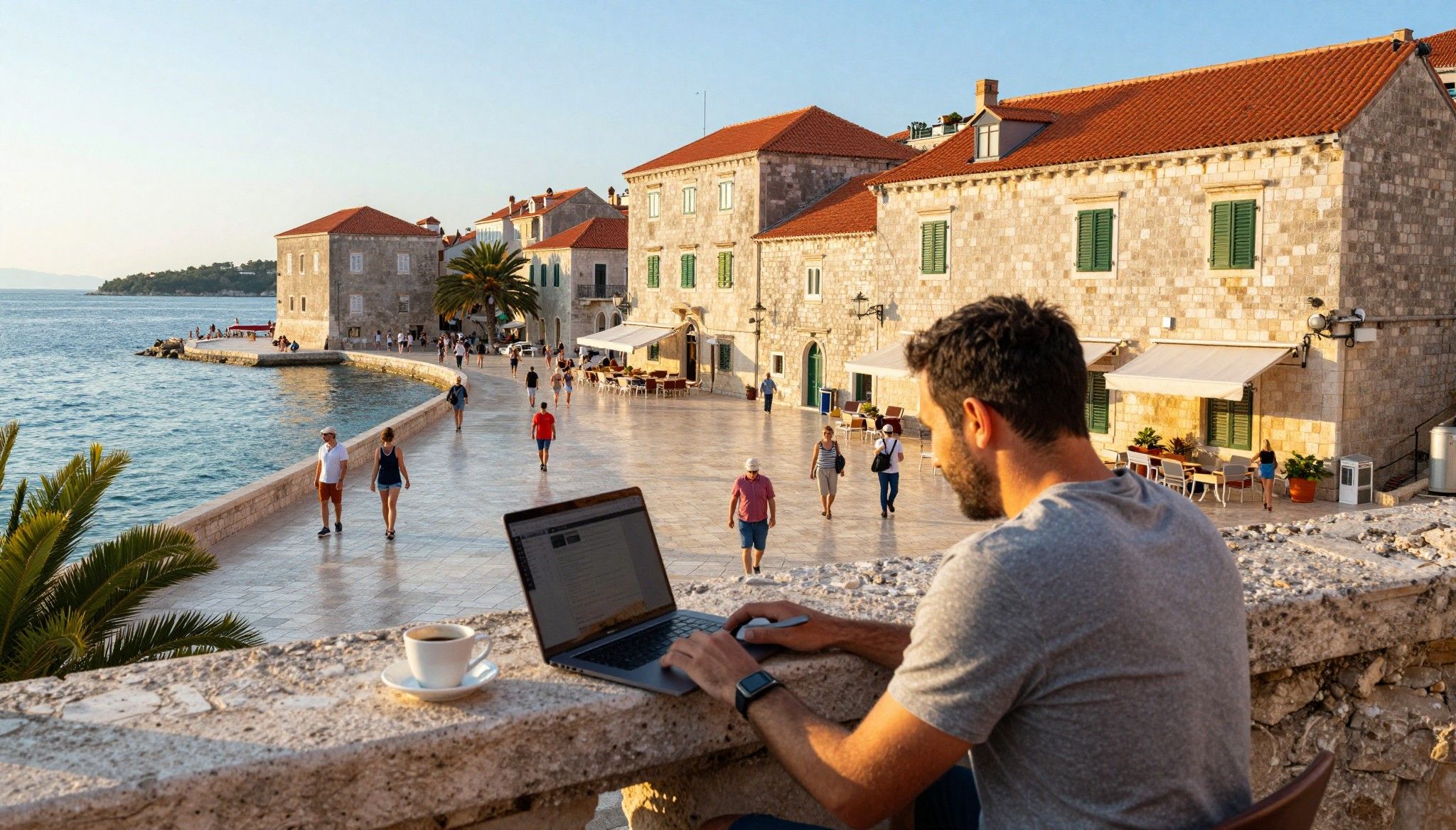
Malta Neighbourhoods: Lifestyle First, Local Rules Second
Fall in love with Malta’s sunlit streets and seafront cafés — then buy with local checks: neighbourhood timing, fibre testing and roof‑right rules to protect your lifestyle.

Imagine stepping out of a honey‑coloured townhouse onto a narrow street where a barista knows your name, ferries purr in the harbour and the scent of fresh pastizzi floats from the corner bakery. That warm, lively rhythm is Malta — compact, sun‑bright and endlessly walkable. For international nomads who value fast internet, cafés that double as workspaces and an easy English‑language entry, Malta often feels like the tiny island version of a perfect remote‑work loop. But behind the postcard scenes are real tradeoffs: a small market, regional price pressure, and rules around who can buy what. This guide pairs the lived‑in magic with the exact neighbourhood tradeoffs you'll care about when choosing a home here.
Living Malta: sun, sea and narrow‑street rhythms
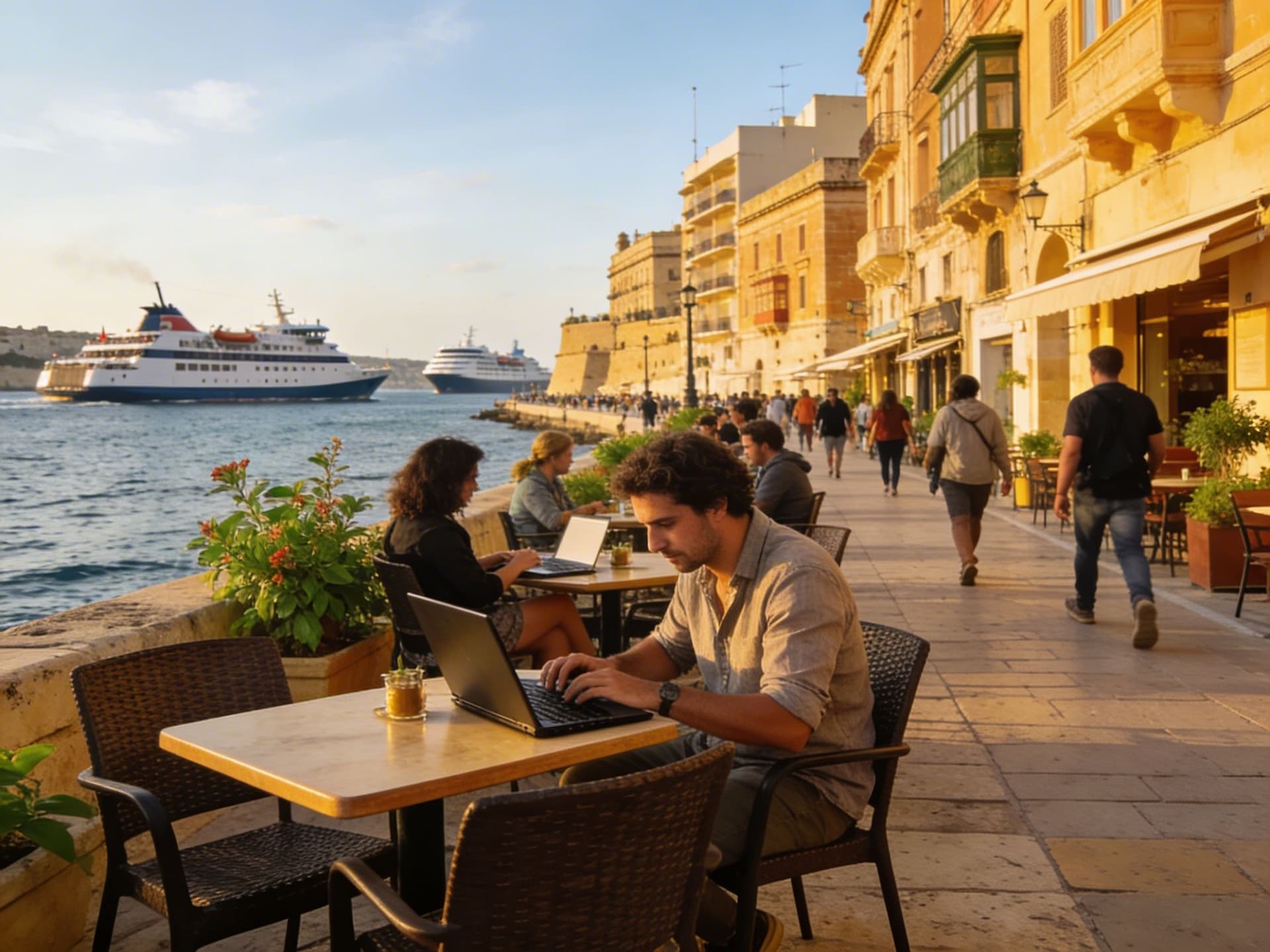
Mornings in Sliema mean promenade jogs and laptops open at seaside cafés; evenings in Valletta are opera, tiny wine bars and fresh seafood. The island's size concentrates life: a 30‑minute commute can reach very different vibes — urban Sliema, the buzzy bars of St Julian’s, sleepy village squares in Gozo. That compactness is a superpower for nomads: you can live by the sea and still be 20 minutes from coworking, meetups, and a stir‑fry that tastes like home.
Sliema & Gżira: seafront cafés, coworking and commuter convenience
Sliema's promenade is the island's coworking runway: cafés with strong espresso and stronger Wi‑Fi, quick ferries to Valletta and apartment blocks with rooftop terraces. Next door Gżira gives a slightly quieter, more affordable option with similar access — think students, start‑ups and evenings spilling into wine bars. Both are excellent if you want social life without sacrificing a stable remote‑work setup.
St Julian’s & Portomaso: marina life and late nights — with pockets of calm
St Julian’s wears two faces: Paceville’s nightlife and Portomaso’s marina and executive apartments. If you’re into after‑work socialising, restaurants open late, and an international scene (iGaming and fintech hubs are nearby), this is the pulse. For workdays, look for flats on quieter streets or developments with sound insulation — the nightlife can be lively from May to September.
- Lifestyle highlights — what makes life here sing
- Seafront cafés and laptop‑friendly terraces (Sliema, Gżira)
- Weekly village festas with fireworks, band music and community feasts
- Farmers’ markets (Ħad‑Dingli and Marsaxlokk fish market) and fresh Mediterranean produce
Making the move: practical considerations that match the lifestyle
Malta's property market is small and active. Recent indices show apartment prices rising while some larger houses soften — a result of demand for compact, well‑located units and continued interest from international buyers. That means your lifestyle decision (seafront walkability vs. quiet village space) directly affects price exposure and rental potential. Use national price indices and local agency intel to compare districts before you offer.
Property styles: maisonettes, apartments and townhouses — how they fit your days
If your office is wherever the Wi‑Fi is, apartments and maisonettes win: compact layouts, lower maintenance and better rental liquidity. Houses of character and terraced homes offer courtyards and sunshine but can need renovation and local building permits. For nomads who value outdoor living, look for terraces and roof rights — those Mediterranean hours outdoors are worth the price premium.
Work with experts who understand both life and law
Local agents do more than show rooms — the best ones map lifestyle fit (fibre availability, daytime noise, café density) and legal constraints (who can legally buy where, permit zones). Pair a lifestyle‑minded agent with a solicitor who knows Urban Conservation Areas and Gozo rules. That combo keeps your dream terrace from turning into a renovation headache.
- Steps to align lifestyle with purchase (quick checklist)
- Visit neighbourhoods at different times of day — co‑work from three cafés to test Wi‑Fi and noise.
- Ask agents about roof‑rights, terrace ownership and historic‑area restrictions before bidding.
- Check national price indices and local asking prices to spot micro‑market gaps (city centre vs Gozo).
Insider knowledge: what expats wish they'd known
Many expats arrive craving sun and sea, then find themselves surprised by three realities: Malta feels small (privacy is different), festivals and construction can be loud, and absentee ownership has shaped development patterns. Knowing that upfront helps you pick the right block: some streets are quietly local, others are seasonal‑buzz hubs.
Language, friendships and the slow‑burn of belonging
English is an official language, so settling in is low friction. That said, real local connection comes from village rituals — festa nights, the neighbourhood butcher, a weekly boc‑ce tournament. Put time into local routines; the social ROI is huge and often matters more than square metres.
Long term: where value and lifestyle meet
If you plan to stay, prioritise comfort and community over quick capital plays. Apartments in central districts have strong rental demand and liquidity; Gozo and southern towns offer space and quieter lives at lower entry prices. Use market reports to track where apartment prices are rising and where larger homes are finding better value.
- Red flags to watch before you commit
- High vacancy developments linked to investor programmes — check occupancy and owner‑use rates.
- Properties in Urban Conservation Areas with heavy renovation restrictions — plan costs and timelines.
- Over‑promised fibre/internet — test real speeds at different times.
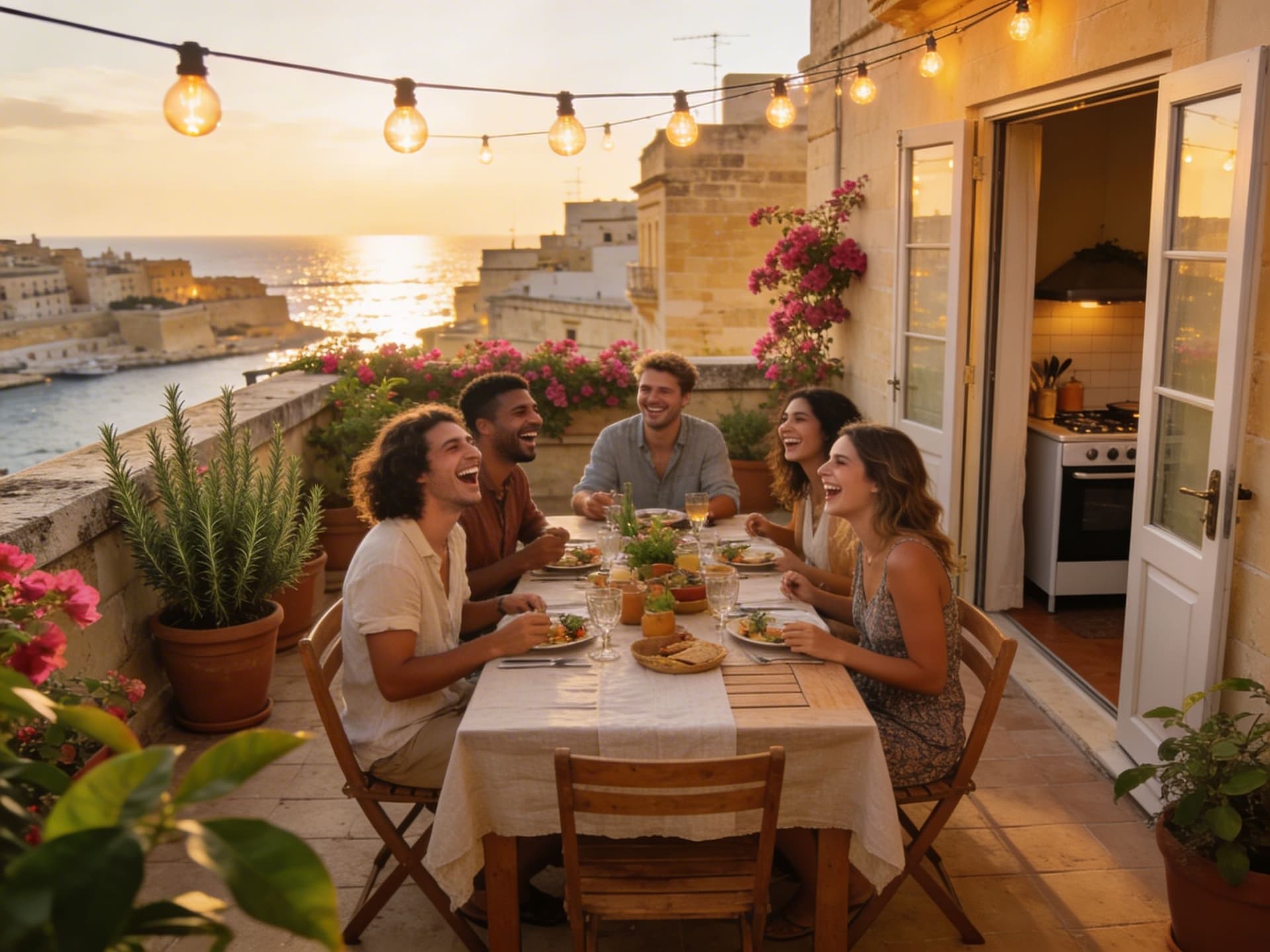
Malta can change your day in the best ways — espresso on a bayside table, a rooftop sunset after work, friends from five different countries ending up in your living room. If you pair that life with practical checks — local agent who knows terraces and permits, a solicitor who reads conservation maps, and a test day working from three cafés — you’ll buy a lifestyle, not just a listing.
Next step: shortlist three neighbourhoods that match your daily rhythm (seafront café, quiet village, or marina life), spend 48–72 hours working and living there, then instruct an agent who proves they’ve closed deals in that micro‑market. That process keeps the romance and removes the guesswork.
Conclusion: fall for Malta — but bring a plan. The island’s compact joy is real, and with a few local checks you can turn that joy into a sustainable home. Book a lifestyle reconnaissance trip, test your work setup, and talk to two local agents and a solicitor before you make an offer. Your terrace‑dinner future awaits.
Swedish, relocated to Marbella in 2018 to chase sun and property freedom. Focus on legal navigation and tax for Nordic buyers.