Offer Tactics in France: When to Bid Fast or Wait
How to craft offers in France that win: blend lifestyle knowledge with data-driven timing and practical closing checks backed by INSEE market signals.
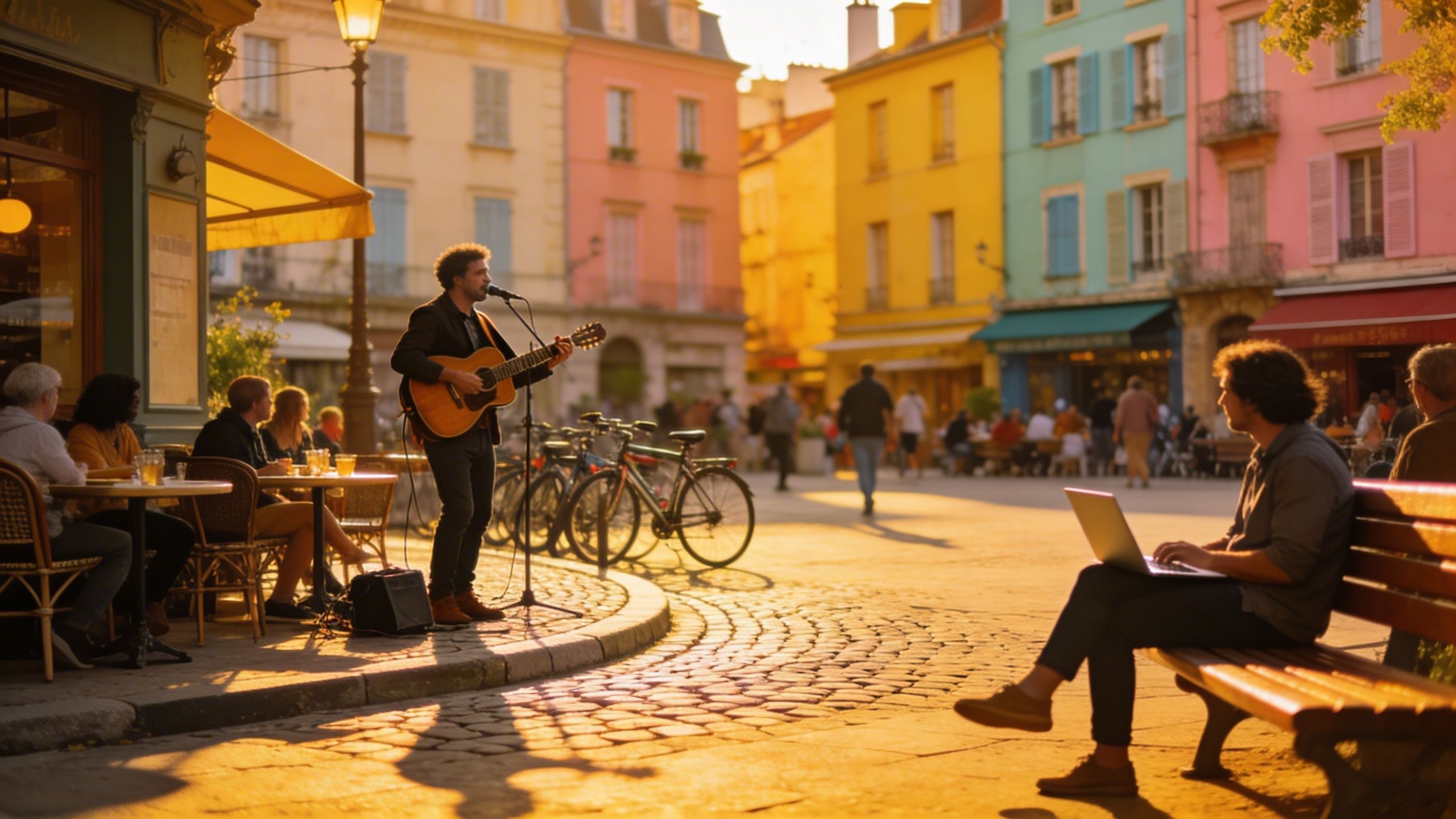
Imagine waking up to a boulangerie scent on Rue des Martyrs, biking to a sunny courtyard café with your laptop, then signing an offer on a compact stone apartment framed by plane trees. That’s France: a mosaic of market towns, seaside terraces and compact city quarters where daily life is lived outdoors, slowly and deliciously. But the moment you fall in love with a street, the buying reality arrives—offers, notaires, neighborhood quirks. This guide keeps the romance in front and the closing checklist in your pocket so you can make offers that actually win, without losing the lifestyle you came for.
Living the France life — what you’re actually buying

France first sells a life: espresso at dawn, a market run by noon, a glass of rosé at sunset. Whether it’s a narrow rue in Le Marais, the pebble coves of Cassis, or the pastel facades of Biarritz, place determines routine. Expect slower rhythms in small towns, fierce cafe culture in cities, and real estate that wears its history—thick stone walls, sloping roofs, and narrow stairs that are part of the charm and the negotiation.
Paris pockets and provincial pulses
Paris is concentrated wealth: elegant arrondissements like the 6th or 7th bring prestige, predictable demand, and tough bidding. Outside Paris—Lyon’s Croix‑Rousse, Bordeaux’s Chartrons, or Montpellier’s Antigone—you find roomier apartments, different rhythms, and offers that behave differently. In many provincial towns, sellers value a quick notaire process and a buyer who understands local rhythms—marketed more on community fit than just price.
Food, markets and Friday nights that shape where you live
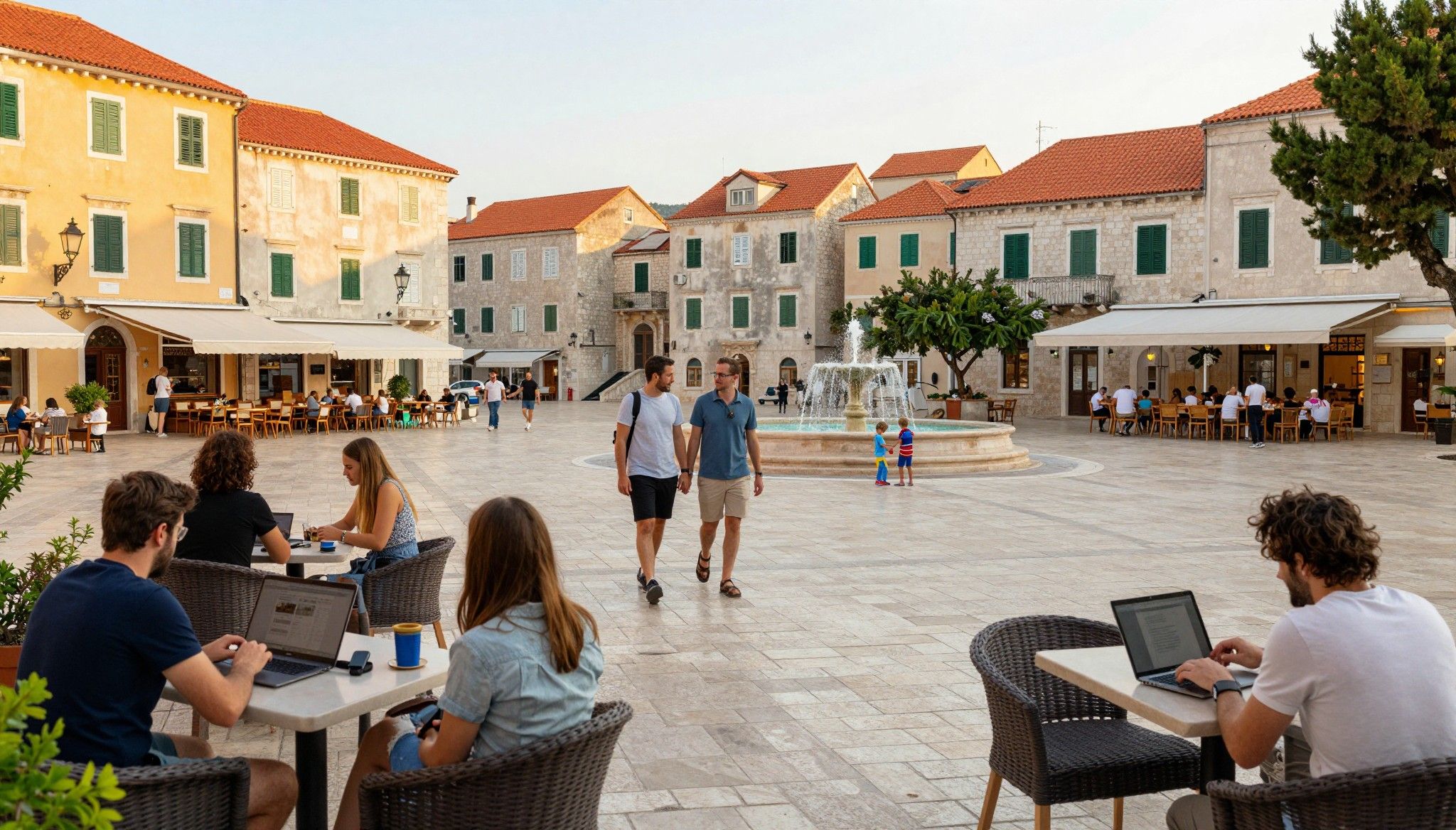
Markets like Marché d'Aligre in Paris, Cours Mirabeau’s cafés in Aix‑en‑Provence, and fishermen’s stalls in Le Grau‑du‑Roi dictate everyday routes. If you crave social life, buy near plazas or marché squares; if solitude and long walks matter, look for boulangeries on quieter lanes or coastal promenades. These lifestyle needs change offer strategy—sellers of market‑facing apartments often prize buyers who will keep the flat’s social energy alive.
Lifestyle highlights to weigh when you make an offer: Marché d'Aligre (Paris) for daily food runs; Canal Saint‑Martin terraces for evening drinks; Vieux‑Port in Marseille for seafood culture; Corniche paths in Nice for weekend runs; Place du Capitole in Toulouse for festivals; local boulangerie on Rue des Martyrs for morning ritual.
Making the move: offer strategy that matches French realities
Market data show a patchwork: national prices bounced back modestly in 2025, while transaction volumes started to rise again. That means timing matters: in hot pockets (central Paris, Côte d'Azur) you still face multiple offers and speed wins; in many provincial markets you can be measured and still competitive. Use data like the Notaires‑INSEE index to judge momentum in your target area before you craft an offer.
Property types and how they change your closing
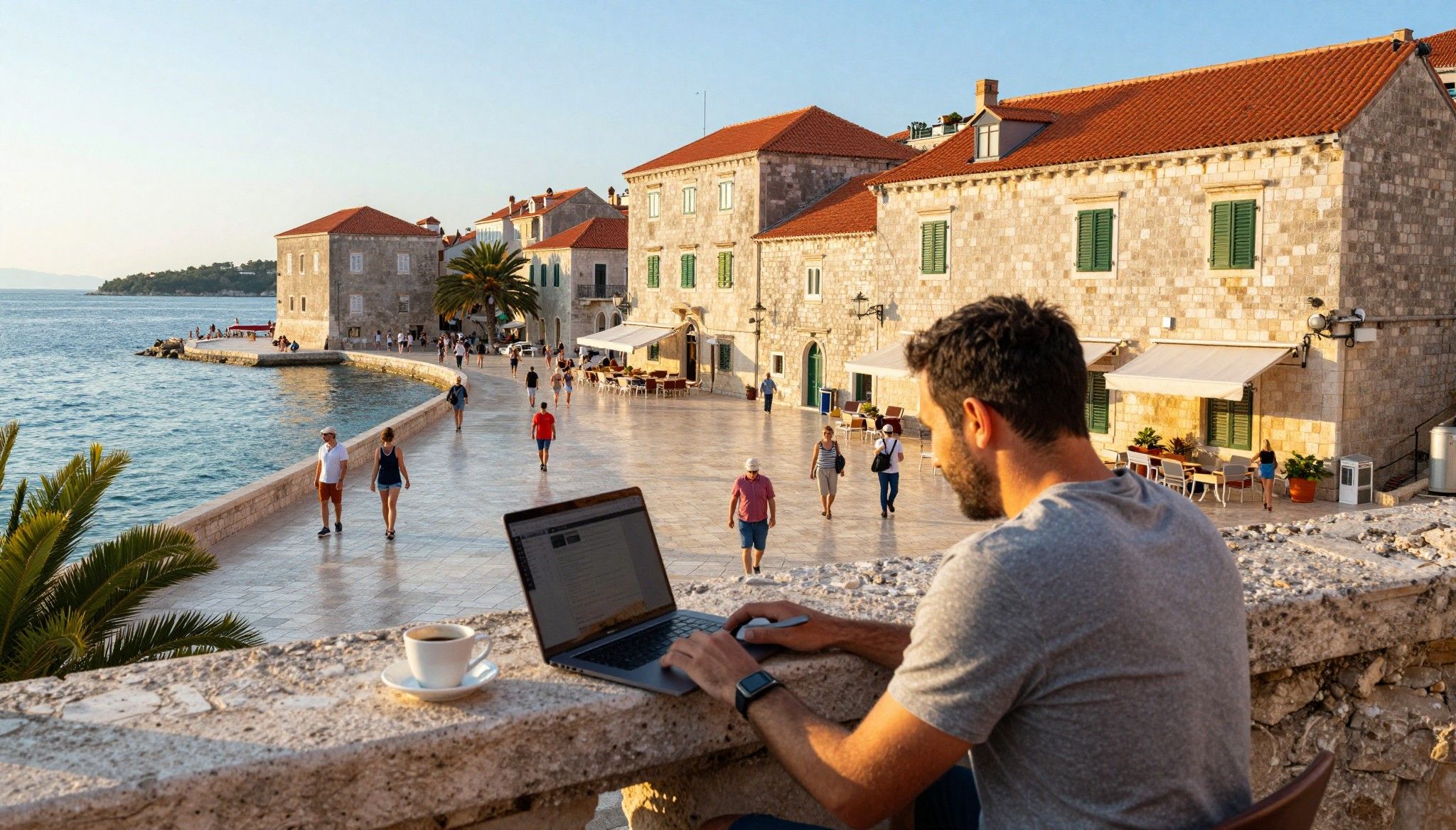
A Haussmann flat, a stone farmhouse, and a seaside villa require different bets. Historic apartments often need renovation and an offer that accounts for works, while new builds come with warranties and different closing timelines. Factor in fibre availability and workspace layout if you’ll be working remotely—sellers who understand you’re a long‑term resident may accept a lower price for a smoother, quicker sale.
How local experts tilt the odds in your favour
1) Hire a bilingual local agent who knows the quartier and seller habits; 2) Ask a notaire early for a timeline and title flags; 3) Get an estimate from a local builder if works are suspected; 4) Offer a clear closing date and realistic deposit—French sellers value certainty as much as price.
Insider knowledge: expat mistakes and contrarian moves that win offers
Expat buyers often make the same errors: they overbid emotionally, ignore neighbourhood rhythms, or treat French negotiations like an auction. A quieter, more successful contrarian move is to offer a shorter due‑diligence window with a fair deposit and a personal note about your plans for the property. Sellers respond to certainty and cultural fit—especially in smaller towns where community matters.
Cultural cues that influence deals
Sellers in France often expect formality and respect for neighborhood norms. A quick face‑to‑face meeting, a handwritten (or well‑written email) note about your intentions, and a realistic timeline will go further than aggressive lowballing. In regions where heritage matters, showing knowledge of local renovation norms signals you’re a serious, sympathetic buyer.
Longer term considerations before you close
Before you sign the acte authentique: confirm utilities, fibre, copropriété minutes, and local taxes. Check rental rules if you plan to rent (seasonal lets in coastal towns have extra regulations). Talk to local property managers about realistic rental income if investment matters. These small checks often determine whether your dream becomes a practical joy or a maintenance headache.
Red flags to watch during offer and closing: missing copropriété minutes; unclear boundaries or servitudes; lack of fibre for remote work; large special assessments announced in the last 3 years; seller pressure to waive inspections without justification.
A speedy checklist for offers that close in France
1) Pre‑approve financing and have a proof-of-funds; 2) Decide your max and a realistic first offer; 3) Draft an offer that includes a clear deposit and a short conditional period; 4) Line up a notaire and translator before signing the compromis; 5) Confirm handover details and utility transfers in the compromis and final acte.
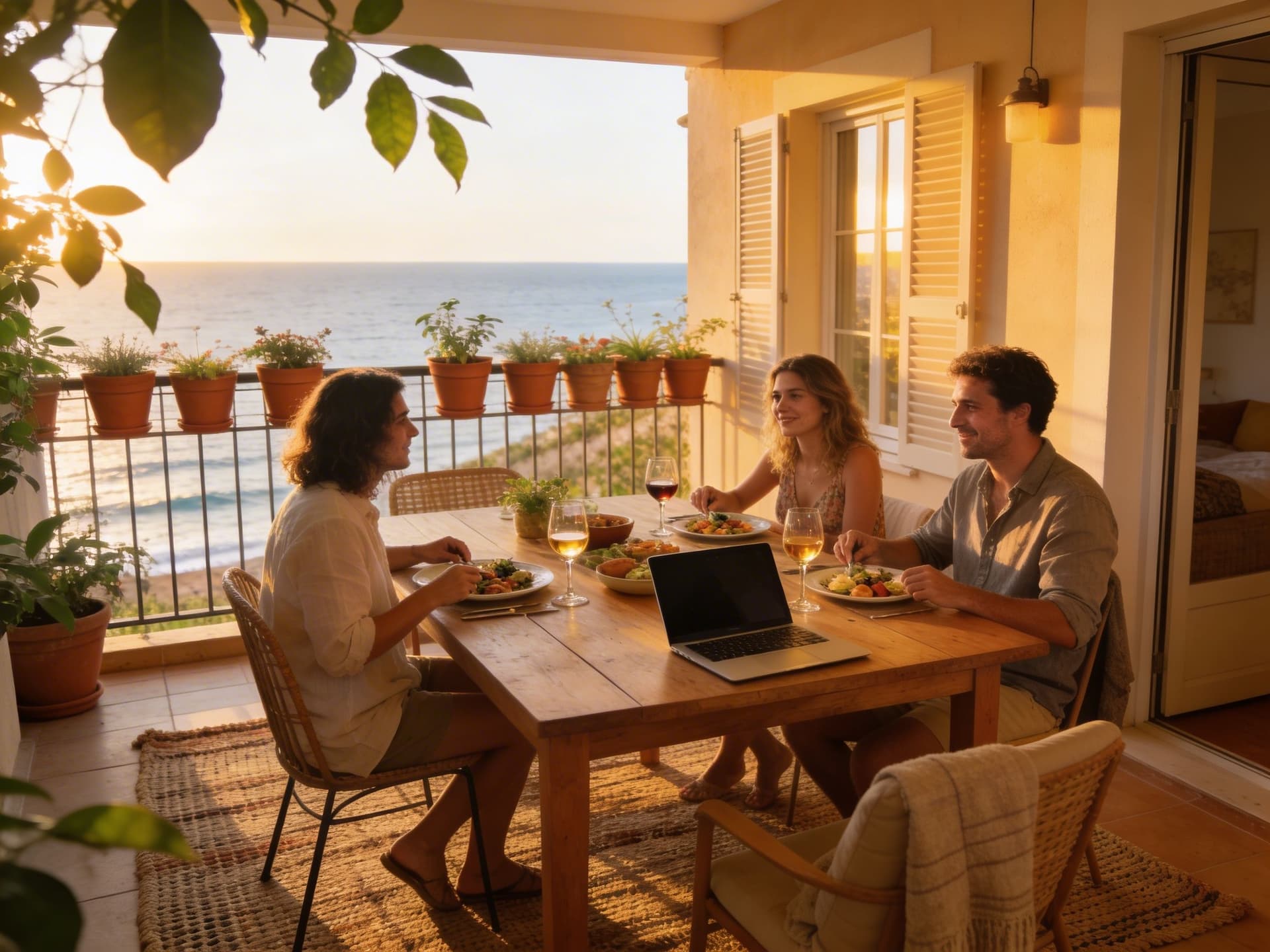
Buying in France is both sensory and procedural. You’re buying a rhythm—the cadence of markets, the corner café, the way sun falls on a balcony at 6pm. Approach the offer and closing phase as part of that rhythm: be courteous, be prepared, and match lifestyle promises with practical commitments. Work with agents and notaires who speak both your language and the language of the place, and you’ll close on a home that feels right and actually works.
Next step: shortlist three neighbourhoods that match your daily life, request local market snapshots from an agent, and prepare your financing. Then visit, taste, and listen—because in France, where you buy is how you’ll live.
Dutch investment strategist guiding buyers to Greece and Spain; practical financing, tax, and portfolio diversification.