Croatia: Love the Life, Check the Title
Fall for Croatia’s daily rhythms—but buy with clarity: verify land-registry entries, confirm permits, and budget transfer tax (commonly 3%) to secure the lifestyle you love.
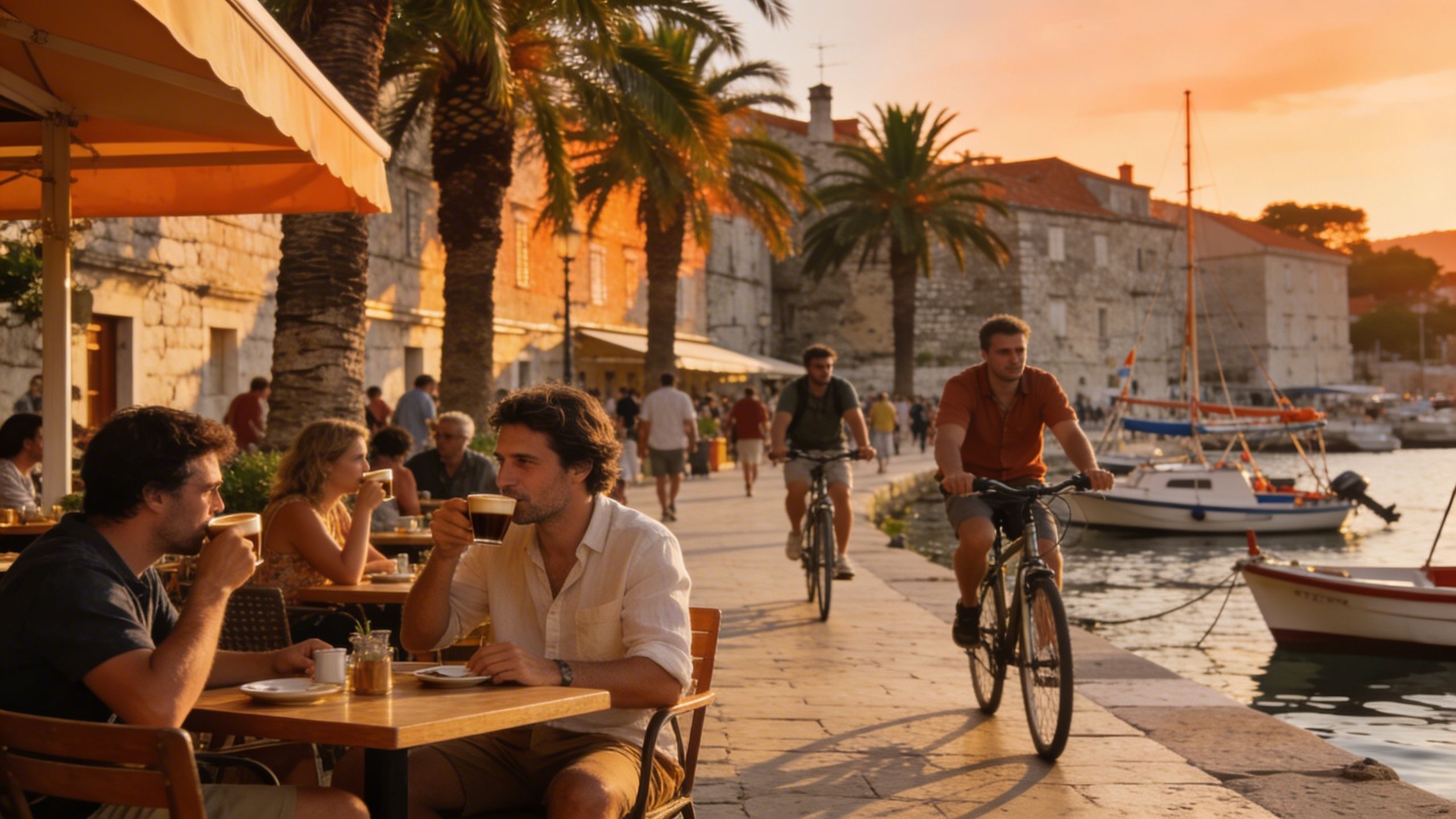
Imagine stepping out at dawn onto Split’s Riva with an espresso in hand, or biking narrow stone alleys in Rovinj as fishermen mend nets. Croatia feels like a summer movie most of the year — crystalline Adriatic light, olive groves, and late-night konobas — but life here has texture beyond tourist postcards. For international buyers, that texture is where joy meets paperwork: the lifestyle is irresistible, yet the legal and title checks are non-negotiable. This guide mixes the smell-of-sea moments with clear, research-backed due diligence steps so you buy the life and keep your peace of mind.
Living the Croatia lifestyle
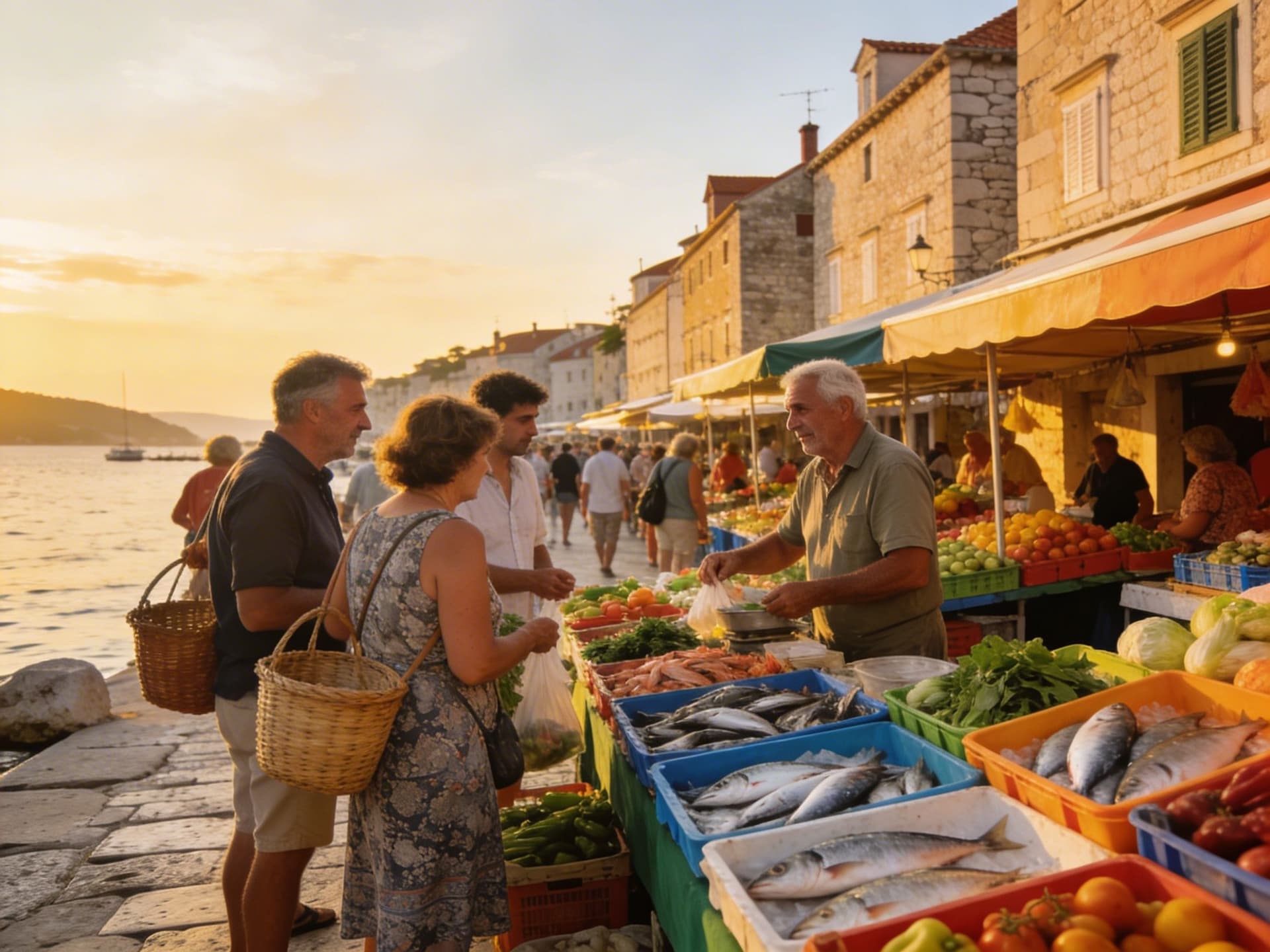
Croatia is a split personality: coastal towns pulse with seasonal energy while inland regions move at a calmer tempo. Mornings mean markets and cafés by the sea in Dubrovnik’s Ploče or Zadar’s old town; afternoons are for beach swims or remote work from a shaded terrace with reliable fibre in city hubs. Winters quiet down and reveal the daily life locals actually live — bakeries, family-run restaurants, and neighbourhood rituals that tourists miss. Understanding these rhythms helps you choose the right property type and street, not just the prettiest view.
Coast vs. Inland: Where your weekdays meet your weekends
If your life is built around sun, sea and a bustling summer social calendar, coastal towns — Split, Hvar, Rovinj — deliver spectacular summers and lively expat scenes. But if you want steadier year-round rhythms, consider Zagreb’s neighbourhoods like Maksimir or Lower Town with coworking, international schools and winter cafés. The tradeoff is simple: coastal properties can be seasonal rentals or vacation homes, while inland or city properties suit full-time living and predictable income streams. Think about how you’ll actually use the place across seasons before you fall for the terrace view.
Food, markets and the social pulse
Weekends in Croatia often revolve around the market: fish markets in Split, Pazar in Zadar, or the colourful Dolac market in Zagreb. Food culture shapes neighbourhood life — you’ll find morning groups at named cafes (try Caffe Bar Split’s waterfront spots or Rovinj’s Batana quarter cafés) and evening konoba gatherings where locals trade recipes. These micro-scenes matter when buying: proximity to a market, a favourite café, or a small harbour can transform daily life more than a sea view. Real estate that connects you to these routines usually appreciates in value as the neighbourhood’s social fabric strengthens.
- Daily-life highlights to weigh when choosing a street or block
- Morning market within a 10‑minute walk (Dolac Market, Zagreb; Split Fish Market)
- Evening dining street with local konobas (Riva promenade, Rovinj’s old port)
Making the move: practical considerations
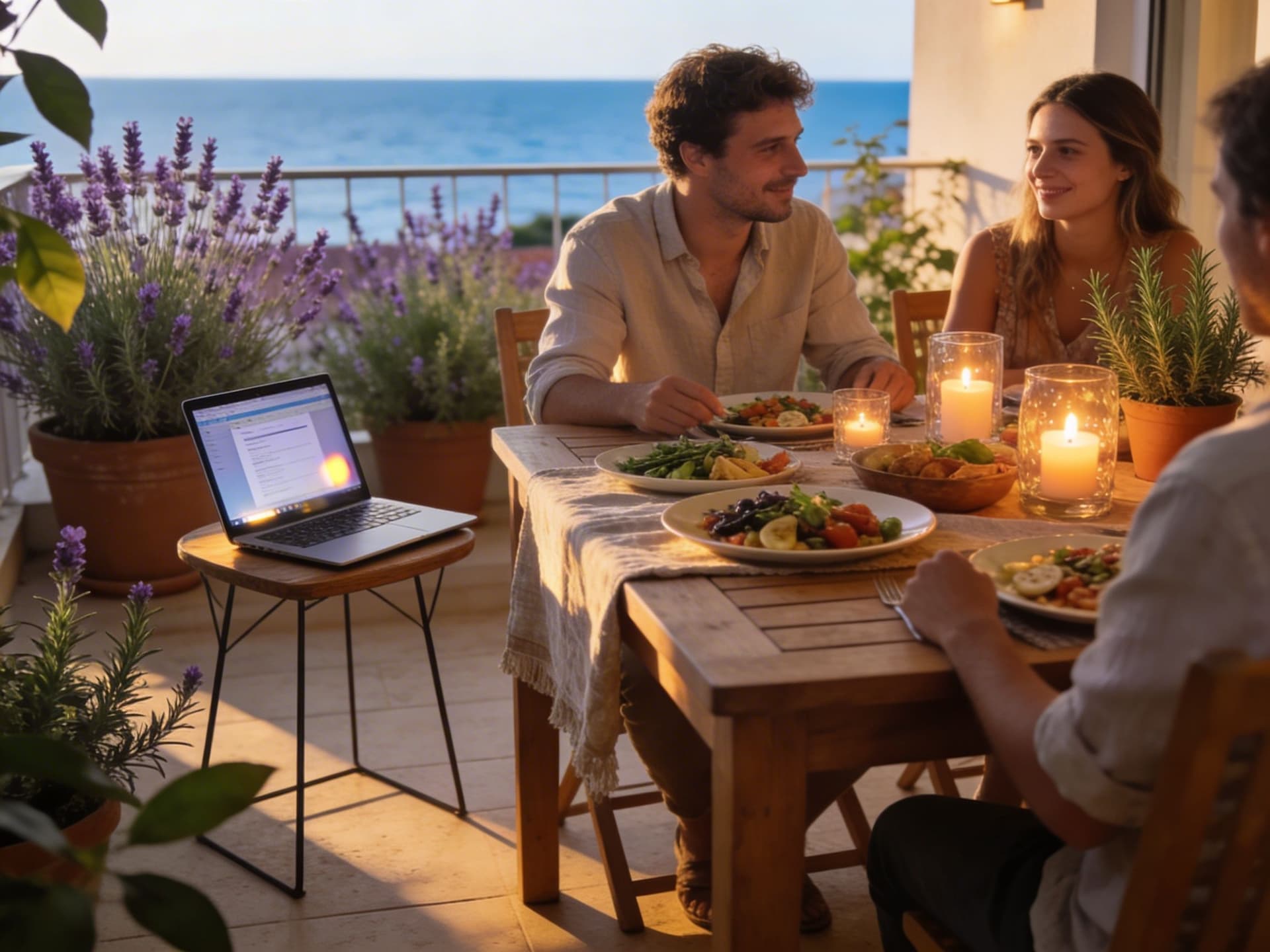
The paperwork rhythm in Croatia is straightforward if you respect local steps: notarised contract, tax filing, and entry in the land registry. The cadastral and land registers are central: they record property sheets (real estate, ownership, encumbrances) and are public — meaning title checks are transparent and essential. A notary usually triggers tax and registry actions, but you’ll want a lawyer or licensed agent to read older entries, easements, and any building permits tied to the plot. These checks are what turn a dreamy sea-view into secure ownership.
Property styles and how you’ll actually live in them
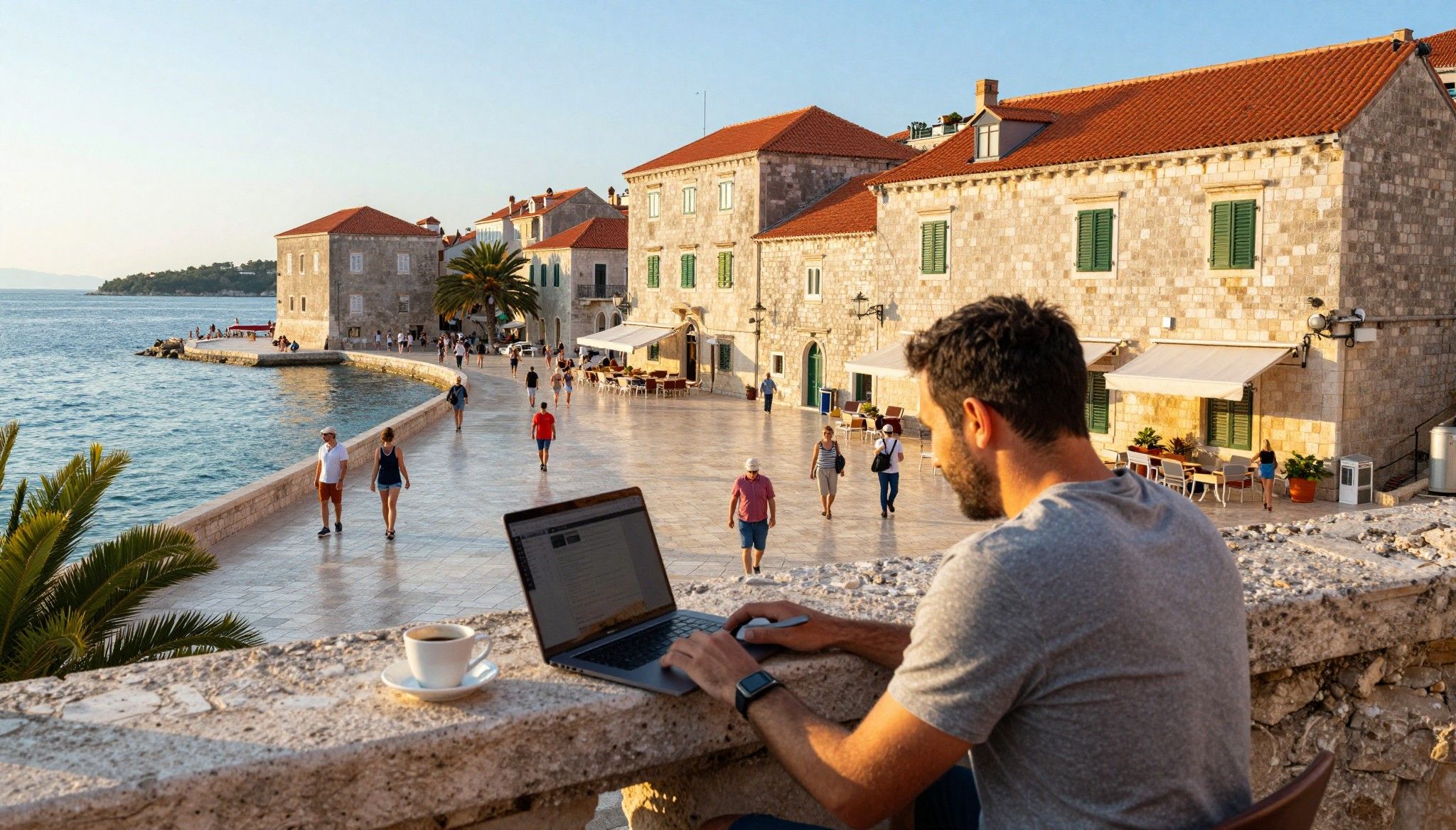
Stone houses in Dalmatia are romantic but often demand renovation and thermal upgrades for winter comfort; newer apartments in Zagreb or Rijeka are plug-and-play with faster internet and modern insulation. If remote work matters, prioritise reliable fibre availability, a quiet corner for a home office, and proximity to coworking hubs like Impact Hub Zagreb or local cafes with steady Wi‑Fi. Ask sellers for recent utility bills and internet providers for exact speeds at the address — lifestyle fit is won or lost by the day-to-day practicalities, not the Instagram shot.
Working with local experts who know both law and lifestyle
A bilingual lawyer plus a notary and a local agent should be your core team — each plays a cultural translator role, explaining clauses, local building customs, and which neighbourhood streets are quietly treasured by residents. Agencies simplify viewings and local logistics, but a lawyer protects title, verifies seller identity, and confirms encumbrances in the land register. Use professionals who have handled cross-border transactions before; they’ll know Ministry approvals required for some non‑EU buyers and how to lodge the correct documents with the registry.
- Step-by-step due diligence checklist before signing
- 1) Obtain a land registry excerpt and check sheets A–C for encumbrances; confirm seller’s title with the court registry.
- 2) Ask for building permits, occupancy/use permits and cadastral registration — verify with the State Geodetic Administration if the building is registered.
- 3) Confirm taxes: know whether the sale is transfer-taxed (3% typical) or VAT‑subject (25% on new builds sold by VAT-registered developers).
- 4) Run a technical and renovation check for hidden costs — request recent utility bills, structural reports, and a surveyor’s check of boundaries.
- 5) Use escrow or staged payment through a notary; confirm registration timeline and plan for Ministry approval if you are a non‑EU national.
Insider knowledge: what expats really wish they'd known
Expats often say they underestimated everyday bureaucracy and seasonal shifts. Summer rental income is real, but management and local tourism rules can clip returns if you don’t comply with short-term rental registration. Also, not every sea-view is equal: some waterfronts are in conservation zones that restrict renovation. Ask locals — a café owner, a property manager, a neighbour — for the street-level truth; that’s where value and headaches live.
Cultural cues that affect property choices
Croatians prize long-term family ownership and will often keep properties in families for generations; buying a place that fits into that social fabric—close to markets, with easy communal spaces—helps you integrate. Learn a few Croatian phrases, attend a local feast (fiesta) or a winter market, and you’ll see how neighbourhoods welcome newcomers who show respect for local rhythms. These cultural gestures can be just as important as a clean title when a neighbour’s opinion matters during renovations or disputes.
Long-term practicalities: taxes, registration and aftercare
Expect acquisition costs beyond the purchase price: transfer tax (commonly 3%), notary and registry fees, and agency commissions. Recent policy talks have proposed measures supporting first-time buyers and small refunds in some cases, so always check the current rules before budgeting. After purchase, register utilities, local residency if needed, and find a property manager if you plan to rent — local help is the difference between a headache and a smooth life abroad.
- Quick red flags to walk away from or investigate rigorously
- Seller unwilling to provide full land-registry excerpt or proof of paid utilities
- No building permit/occupancy certificate for additions or conversions
- Unclear access rights (private road, shared driveway) or unregistered terraces
Conclusion: live the life, protect the buy
Croatia sells a story — sea-sprayed mornings, markets full of life, and neighbourhoods that stick with you — but good ownership begins with methodical checks. Start with the land registry and notary, add a bilingual lawyer, and test the day-to-day (internet, transport, market runs) before committing. When you pair the sensory love of place with solid due diligence you don’t just buy a property; you buy a transformed life. Ready to see a street you could call home? Local agents and lawyers are your backstage pass — and now you know which questions to ask first.
Norwegian who has helped 200+ families relocate from Oslo to Spain; expert in relocation services and community integration.