Malta: Live the Island, Buy with Data
Fall in love with Malta's seaside rhythm while using recent RPPI and local insights to pick a neighborhood, test connectivity, and buy with confidence.
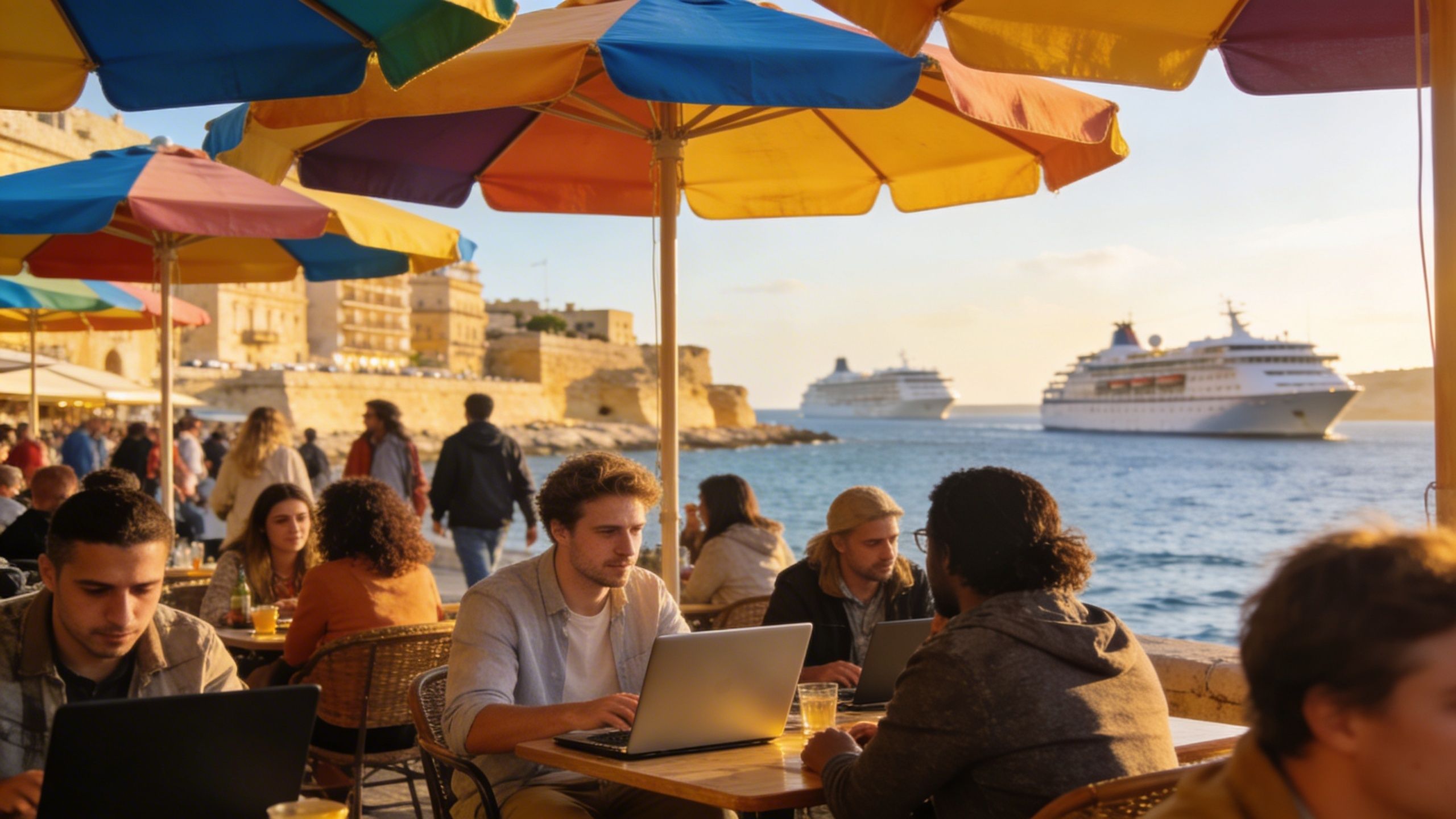
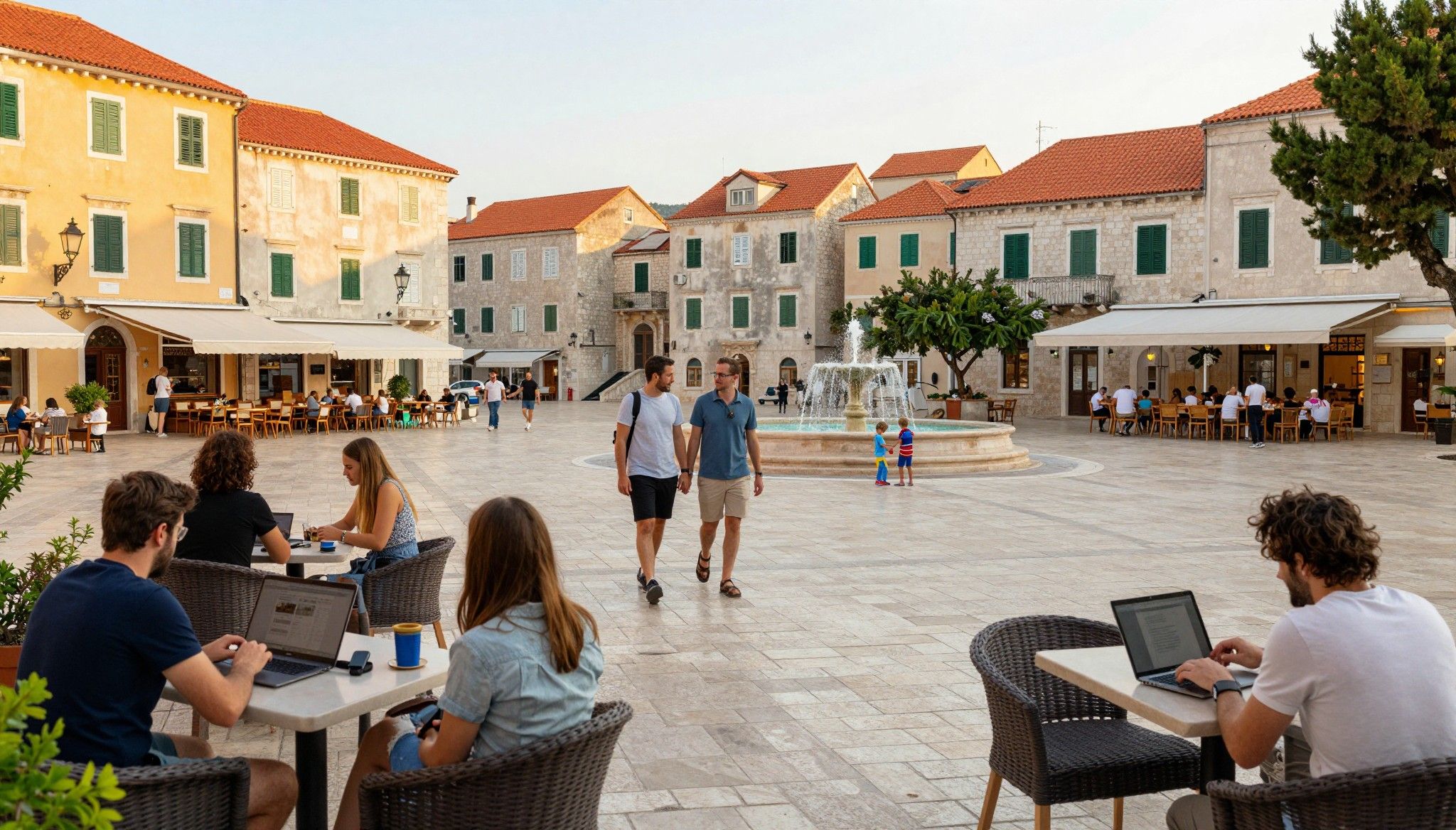
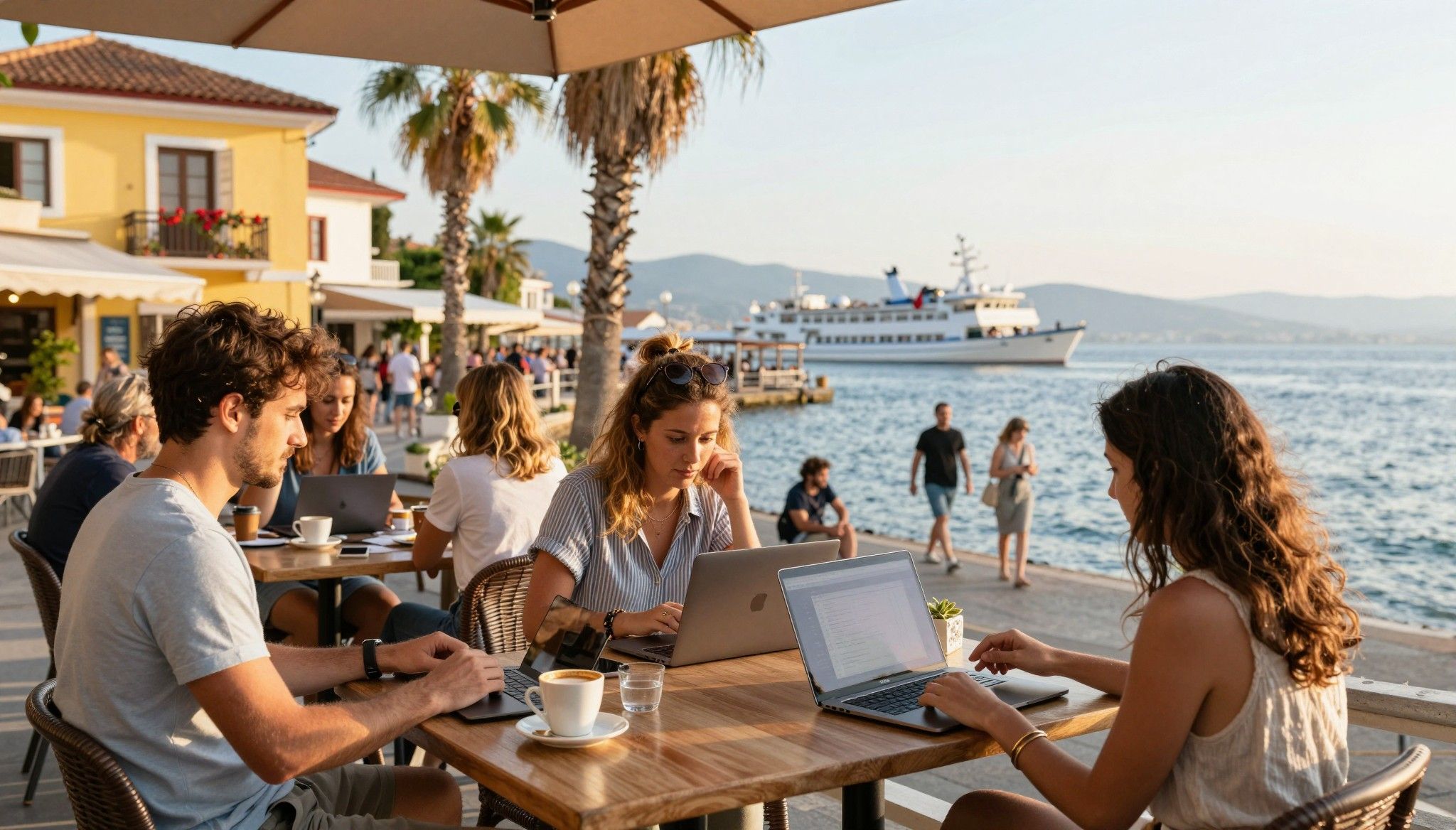
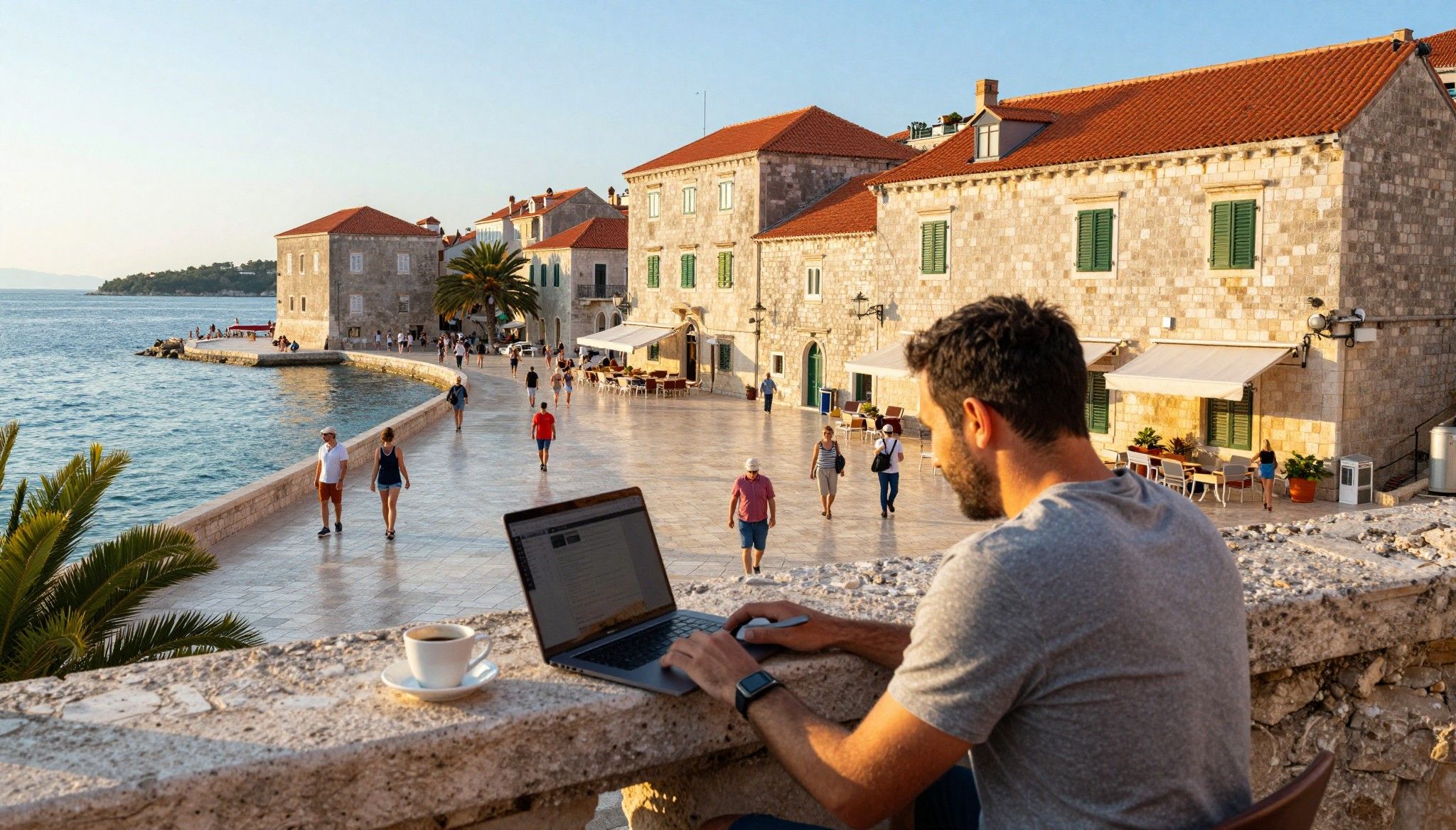
Imagine this: a Saturday morning in Valletta — espresso steam, limestone sun warming narrow streets, fishermen hauling boxes at the Grand Harbour while remote workers set up laptops on cafe terraces. That tight, alive mix of history and modernity is Malta: compact, sunlit, and endlessly walkable. But behind the postcard is a market moving faster than many expect, and for nomads dreaming of a Mediterranean base, lifestyle romance needs to meet paperwork and price. This piece marries both — the salted-air life and the residency and market realities you'll want on your radar.
Living Malta: limestone mornings and sea‑side workdays
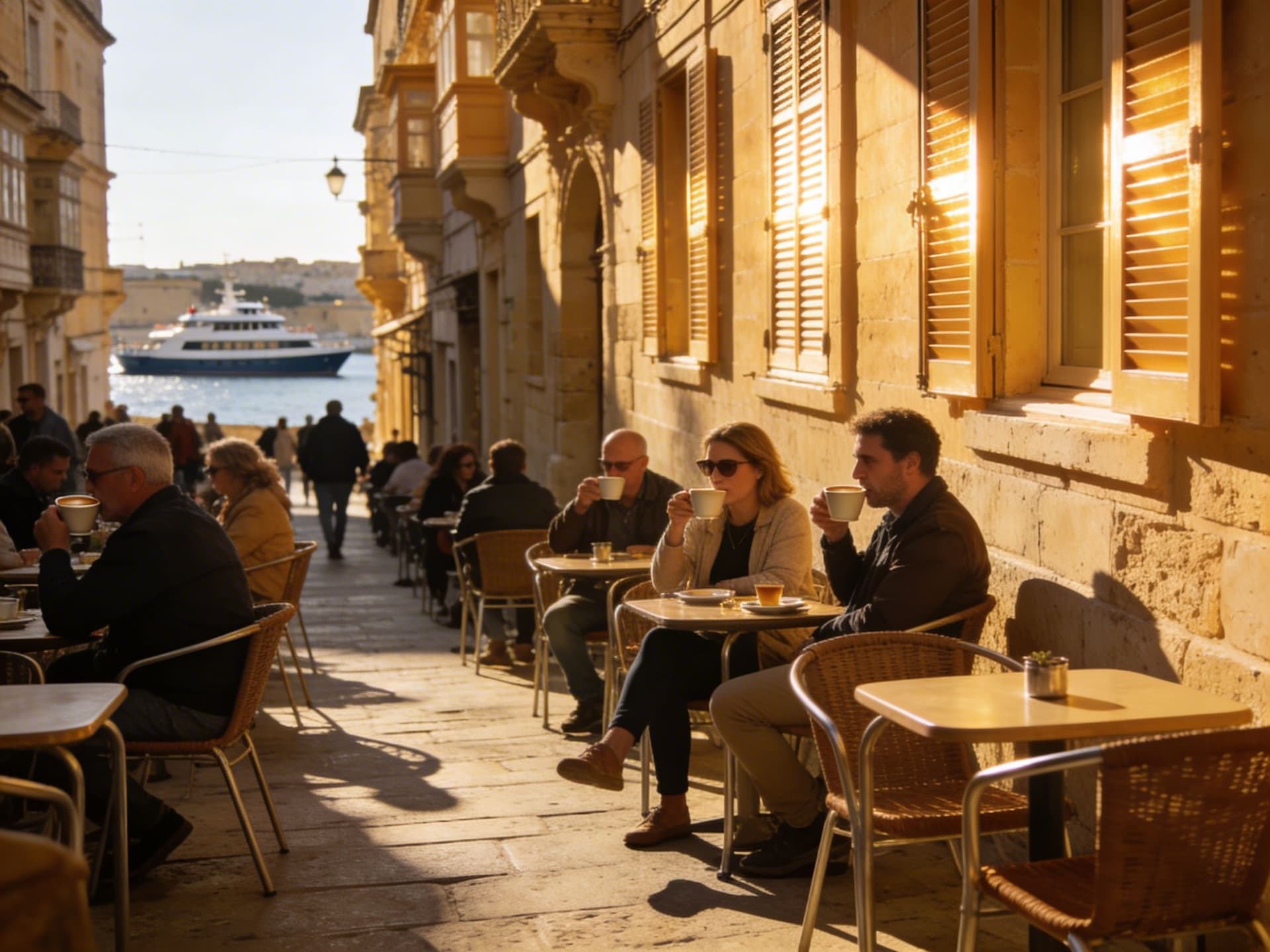
Life here moves in layers: church bells at nine, siesta rhythms in summer, aperitivo on the prom at sunset. You can base yourself in Valletta for museums and microliving, in Sliema for daily cafes and ferries, or in St Julian's for nightlife and coworking. For remote work, many nomads pick Sliema or St Julian's because fiber and cafes make day-to-day working easy — but the island-wide compactness means beaches, hikes and village life are always a short drive away. Note: prices are climbing — official RPPI data shows steady increases, so lifestyle choice and market timing matter.
Valletta & Cottonera: history as a doorstep
Picture morning runs along Republic Street, work sprints in a buzzy cafe near the Upper Barrakka, and evenings in tiny wine bars. Valletta's narrow houses have character — exposed stone, high ceilings, shuttered windows — but smaller floorplates and heritage rules affect renovation options and fibre upgrades. Cottonera (Birgu, Senglea) offers quieter harborside living with dramatic views of the Grand Harbour and increasing boutique hospitality, which attracts buyers wanting authenticity over trendy tourists.
Sliema & St Julian's: the nomad utility belt
For dependable internet, shared workspaces, and international coffee culture, Sliema and St Julian's are hard to beat. Think rooftop terraces, ferries to Valletta, and evening promenades. Coworking spaces and expat meetups cluster here — practical for building community fast. But expect higher asking prices and more competition for modern apartments with reliable fibre and balconies.
- Lifestyle highlights (places you'll actually use): - Morning espresso at Caffe Cordina (Valletta) and sunset aperitifs in Marsaxlokk - A weekend swim at Golden Bay, then lunch in Mellieħa - Coworking at central hubs in St Julian's and networking meetups in Sliema - Walkable grocery runs to Naxxar markets and rooftop sunsets in Mosta - Exploring quiet lanes of Birgu with a handheld pastizzi and a sea view
Making the move: lifestyle-led, paperwork-aware
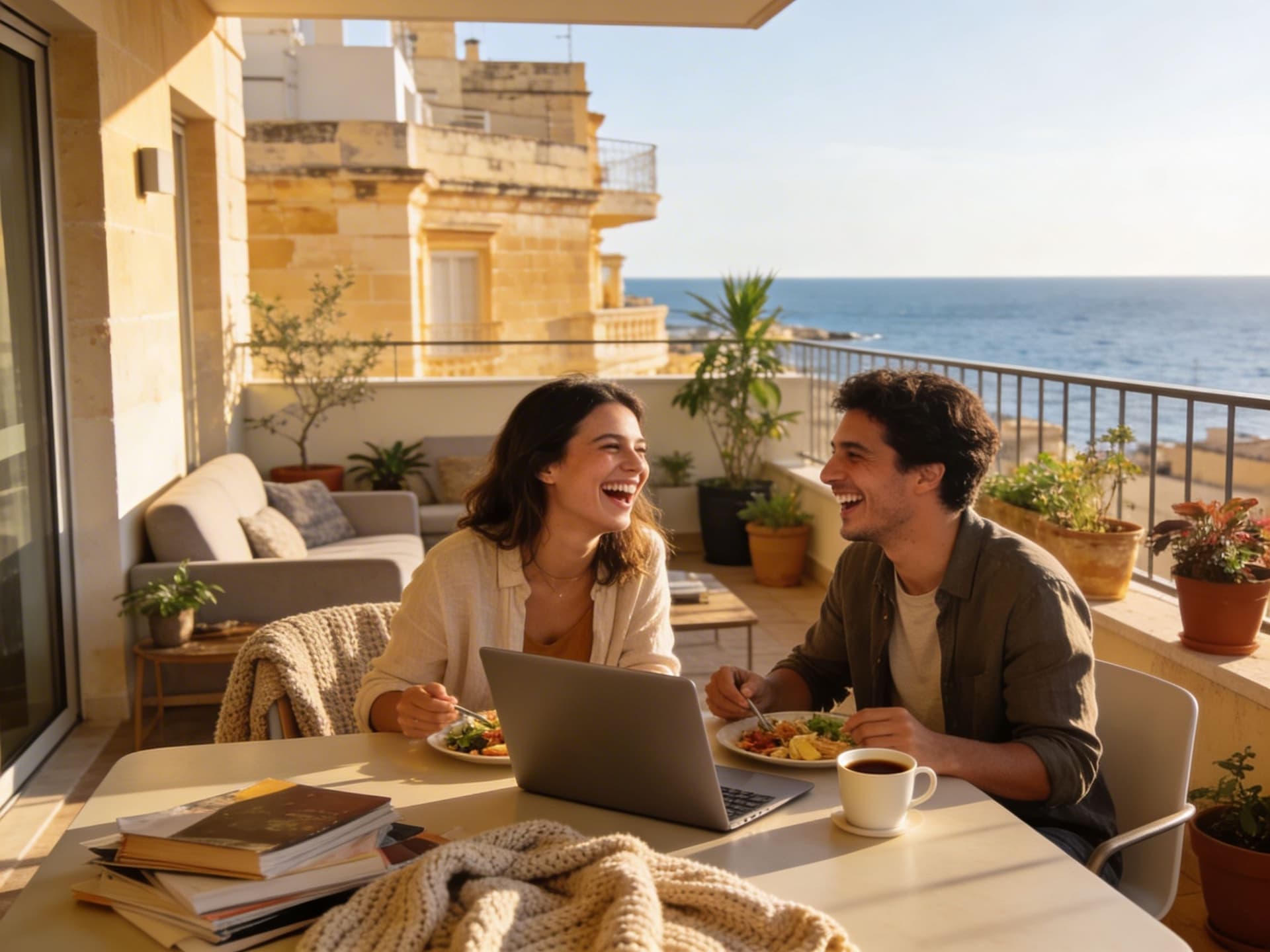
Your ideal flat might be a 200-year-old townhouse or a bright modern apartment with a balcony for laptop afternoons. Either way, you'll want to balance the dream with the facts: Malta's property indices have shown consistent increases in recent years, driven by demand and land scarcity. That affects buying windows and negotiation room — but it also means well-chosen properties hold value. Work with agents who understand both lifestyle fit and local restrictions on foreign ownership (especially outside designated development zones).
Property types and how they shape daily life
Apartments: most nomads choose apartments for location and services; expect compact kitchens and thoughtful use of terraces. Maisonettes: great for indoor-outdoor living — ideal if you entertain. Townhouses: character and space, but renovation rules and costs can be higher. When choosing, think about where you'll work (quiet bedroom vs separate study), whether fiber or 4G coverage is reliable, and how much outdoor space you need for social life.
Work with local experts who get nomad life
- Steps to blend lifestyle with safe buying: 1. Prioritize properties with confirmed fibre or easy mobile signal tests; schedule a speed check on site. 2. Ask agents for recent RPPI or comparable sale evidence for the street — prices move fast. Use official NSO reports to cross-check market claims. 3. Check ownership rights: foreign buyers often face restrictions outside Freehold/DPS zones. 4. Factor in short-term rental potential only after local rules; many buyers see tourist demand but regulation can change. 5. Meet neighbours and visit at different times — a Friday night in Paceville is not the same as a Tuesday morning.
Insider knowledge: what expats wish they'd known
Real talk from people who've moved here: small islands magnify small mistakes. Under-budgeting for renovation, ignoring heritage constraints, or buying in a party district because of low prices can turn a dream into a headache. Conversely, choosing a slightly pricier area with stable community life often pays off in quality-of-life and resale value. Official statistics show steady price rises, so timing and local knowledge matter.
Cultural and community notes
English is an official language and that makes practical life easy — but Maltese culture is close-knit. Neighbours matter; communal staircases and shared terraces are social spaces. Festivals, village feasts and Sunday family lunches shape rhythms — plan moves around these seasons if you want to integrate. For long-term happiness, pick a neighborhood whose weekly routines match yours.
Long-term lifestyle and investment thinking
If you're planning to stay for several years, prioritize properties with flexible layouts and reliable connectivity over short-term tourist cashflow. The market has seen multi-year growth, with apartments and maisonettes posting solid gains. That means well-chosen homes near steady demand (Sliema, St Julian's, select Valletta pockets) are likely to retain value — but always cross-check recent RPPI figures and ask local agencies for sold-price data before offering.
- Quick red flags and smart moves: - Red flag: Seller refuses to share recent comparable sales or title history. - Smart: Visit the property at morning and night to feel noise and light. - Red flag: Promises of ‘guaranteed rental income’ without written local permitting evidence. - Smart: Hire a local surveyor for heritage properties before sealing a deal. - Smart: Ask an agency about residency pathways tied to your purchase plans; the island has several visa/residency routes and you should match lifestyle to the right permit.
Malta is both irresistible and particular. The salt air, the pace, the cafe corners where deals and friendships form — it’s easy to fall in love. But fall in love with the right neighborhood for your life: match your work setup to a property with solid connectivity, choose community over flash, and use local agents who can translate lifestyle wants into legal, title-cleared purchases. When you do that, Malta stops being a vacation and becomes the place you actually live well.
- Next steps (quick action list): 1. Pull the latest RPPI and sold-price records for your target street from the NSO and local registries. 2. Book an in-person neighborhood sweep — morning, afternoon and evening. 3. Test internet speeds at the property and in the building. 4. Meet two local agents: one lifestyle-savvy, one legal/conveyancing-focused. 5. If residency is part of your plan, ask agencies about which permits align with your purchase (and get timelines in writing).
Ready to fall in love and be smart about it? Use lifestyle as your compass and local data as your map. Malta gives you a Mediterranean life compressed into short distances, friendly English-speaking communities, and a cultural rhythm that rewards curiosity. Bring an agent who values morning coffees as much as title deeds, and you'll find a home that feeds both your work and your wonder.
Dutch investment strategist guiding buyers to Greece and Spain; practical financing, tax, and portfolio diversification.