Elective Residency vs Digital‑Nomad: Italy’s Real Routes
Compare Italy's elective residency, digital-nomad and investor routes with lifestyle tradeoffs — market data and local tips to buy with confidence.
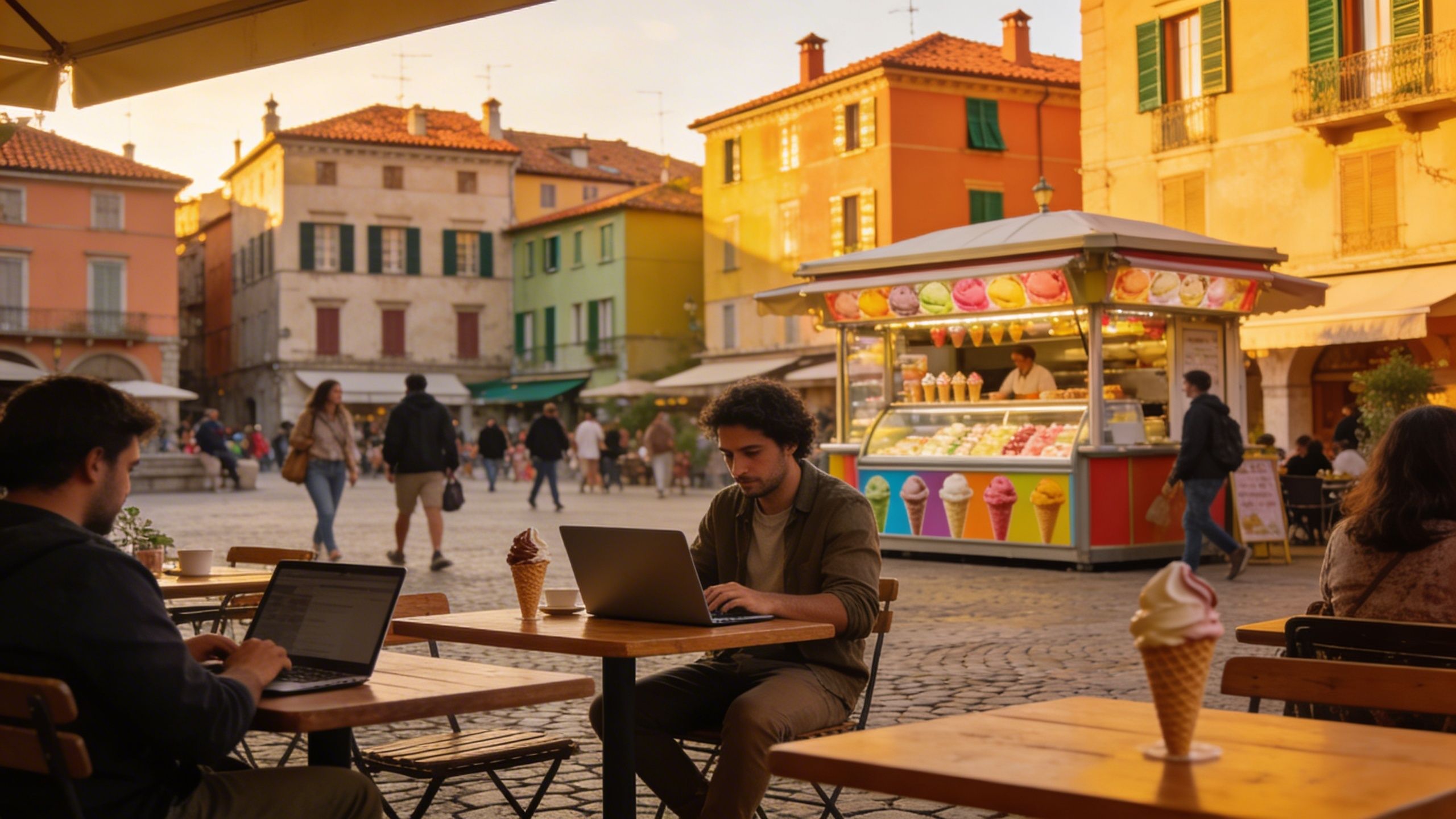
Imagine stepping out of a tram in Trastevere with a brioche in hand, then opening your laptop at a sunlit piazza table while the barista pours your second espresso. That mix of slow afternoons and efficient bureaucracy—yes, both—is why people fall for Italy. But before you fall head-first into piazzas and market stalls, it helps to match the romance with reality: visa rules, residency routes and changing house prices all shape how you actually live here. Recent market analysis shows housing trends are shifting; pairing that data with visa strategy lets you buy a life, not just a listing.
Living the Italy life — day-to-day scenes
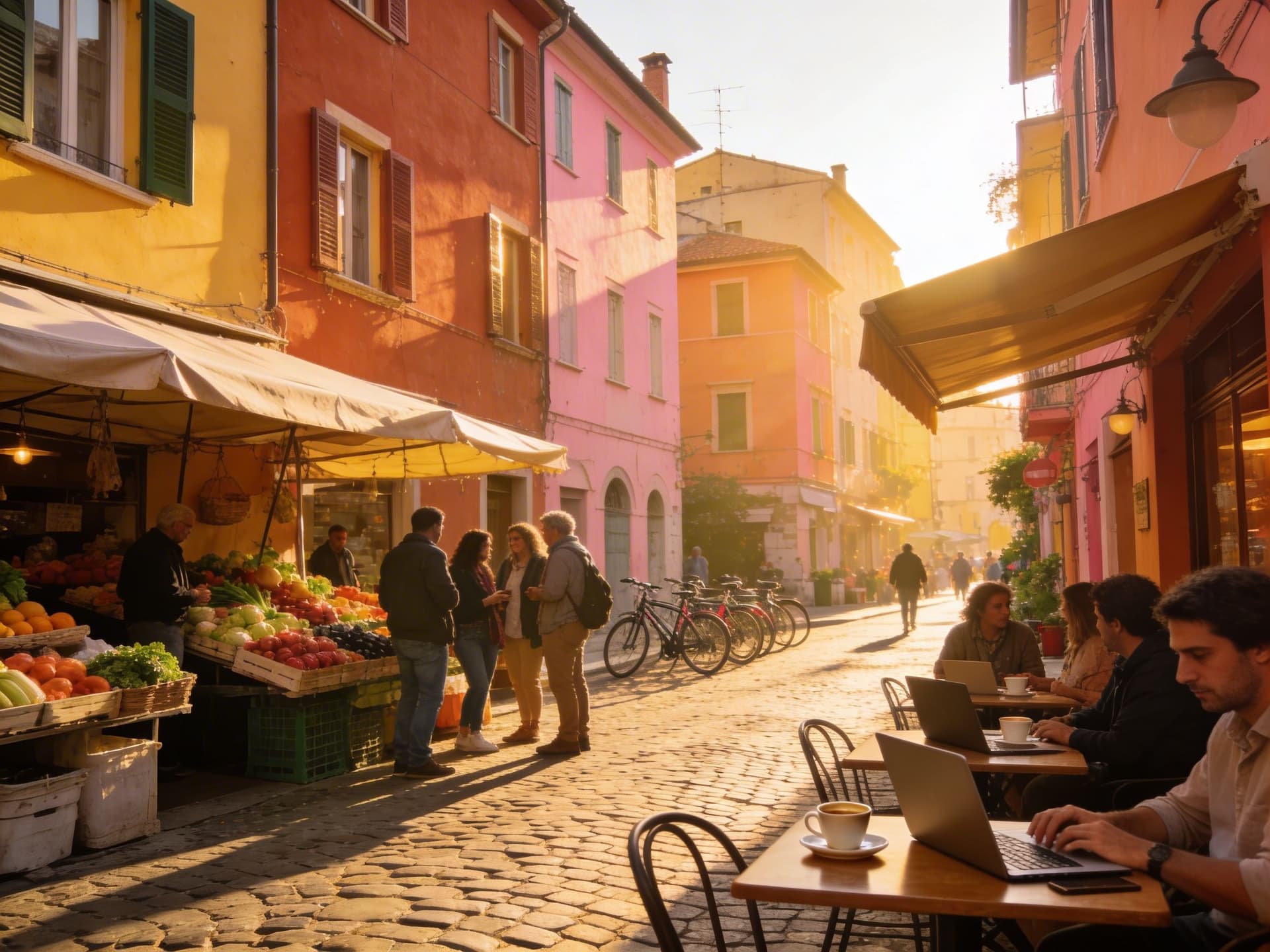
Italy isn’t one vibe — it’s dozens. Morning markets brim with figs and chiacchiere (chatter) in Palermo, while Milan hums with coworking coffee culture and late-night aperitivo crowds. Your weekday could be a quiet Tuscan lane where neighbors trade fresh bread, and your weekend a cliffside swim on the Amalfi Coast followed by a trattoria that remembers your order. For nomads, that means balancing walkable neighborhoods, reliable internet and access to community events — the trifecta that turns a pretty address into a real home.
Neighborhood snapshot: Trastevere, Navigli, and Le Marais of Italy (Centro Storico vs. Modern Hubs)
Pick your rhythm and Italy will match it. Trastevere (Rome) is cobbles, late dinners and small artisan shops — perfect for slow-living creatives who want daily market runs and piazza routines. Navigli in Milan pulses with canalside bars, coworking spaces and a younger crowd; it’s where freelancers trade Zoom calls for aperitivo brainstorms. In contrast, Bologna’s Santo Stefano offers student energy, food markets like Mercato di Mezzo, and quieter residential streets that still host buzzing night markets.
Food, rituals and seasons: what shapes daily life
- Mornings: espresso and a cornetto at a standing bar; Afternoons: sunny balconies or coworking hubs with reliable fibre in city centres; Evenings: aperitivo culture where neighbours meet over small plates; Weekends: weekly mercato runs for fresh produce and secondhand finds; Seasonal rituals: truffle hunts in autumn, seaside Sundays in summer.
Making the move: visas and the residency reality
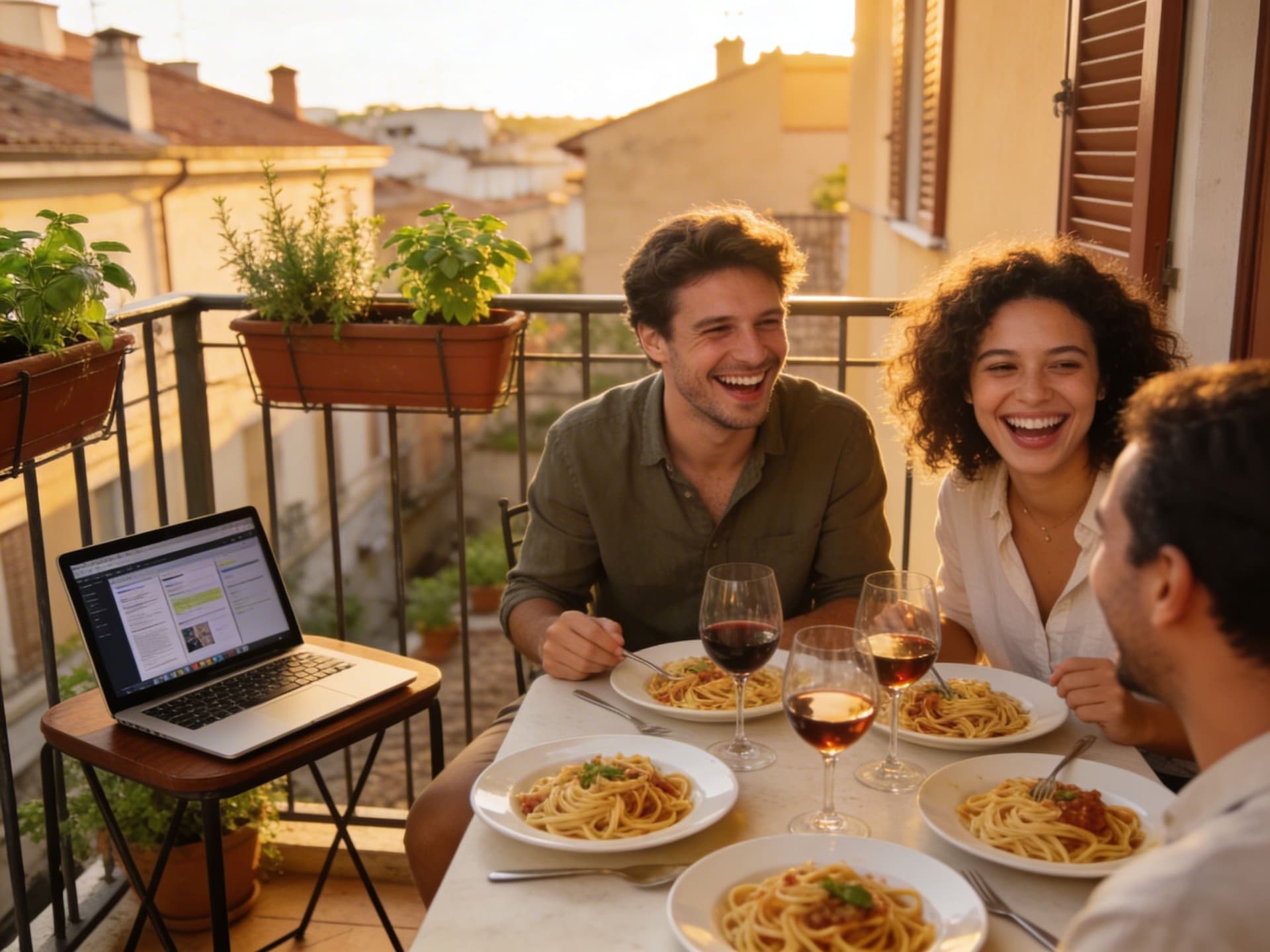
Italy offers several residency routes that change how and where you can buy. The Elective Residence visa suits those with steady passive income; the newer digital nomad framework targets qualified remote workers; investor and startup visas exist for different budgets and goals. Market data from government statistics shows housing price growth is uneven across regions, so your visa choice should line up with the type of property and lifestyle you want. These links explain the main routes and recent price trends so you can plan timing and budget.
Property styles and what they mean for life
Stone flats in historic centres deliver instant atmosphere but often come with shared staircases, old heating systems and a renovation bill. New builds on city edges give modern insulation, elevators and coworking-friendly floorplans — but you trade immediate charm for quieter streets. Country villas offer space, gardens and seasonal living (hello truffle season) yet demand maintenance and a car. Match the property to your daily life: if you’re a remote worker, prioritise fibre access and a quiet room that doubles as an office; if you crave nightlife, look for neighbourhoods with evening culture within walking distance.
How local experts turn lifestyle into a shortlist
- Work with agents who live the life they sell: 1) Ask for neighbourhood days — ask an agent to show you mornings, afternoons and evenings in 2–3 streets so you feel rhythms; 2) Request internet tests and coworking passes — get proof of fibre, mobile coverage and a trial at a local coworking space before committing; 3) Insist on renovation estimates — if a charming apartment needs work, get local contractor quotes to avoid shock costs; 4) Check transport and services — nearest pharmacy, train station, and a grocery market matter for daily flow.
Insider knowledge: cultural quirks, timing and the unexpected
Expats often say the biggest adjustment isn’t paperwork — it’s rhythm. Shopkeepers close for riposo (afternoon pause) in smaller towns, Festa patronale (local saint days) can shut entire villages, and winter heating costs vary wildly by building. Buy with that rhythm in mind: an apartment in a quiet centro might charm you in September but feel isolating in January if you crave daytime bustle. Timing matters too — look for house-hunting windows outside peak tourist months (late autumn and early spring) when sellers are more pragmatic.
Language, community and how to belong
Italian helps, but you don’t need fluency on day one. Learn key neighborhood phrases, attend language exchanges (tandem meetups are everywhere), and join local Facebook groups for apartment swaps and community events. Small rituals — bringing croissants to the building concierge, shopping weekly at the same market stall — build local ties faster than any app. Agencies that introduce you to neighbours or local artisans accelerate that integration and reduce the risk of a lonely, pretty apartment.
Long-term lifestyle checks — what to look for after year one
- Utility and condo fees trend after purchase; local schools and healthcare access if you plan to stay long-term; energy performance of the building (important for winters); community events and seasonality — will the neighbourhood empty out in winter?; resale and rental demand — some areas are tourist-heavy and good for short lets, others are steady for long-term renters.
If Italy feels like a romance, let the paperwork be the practical partner that keeps it real. Start with a visa path that fits your work and income, pick neighbourhoods that match your daily rhythm, and work with agencies that can show you the life behind the listing. Want a next step? Ask for a neighbourhood day, a fibre test, and a written renovation estimate before making an offer — they’re quick checks that save heartache and money.
Dutch investment strategist guiding buyers to Greece and Spain; practical financing, tax, and portfolio diversification.