How Much Living in France Really Costs
Practical, lifestyle-first budgeting for buying in France: map daily life to regional costs, factor 2–8% acquisition fees, and plan a 3‑month buffer.

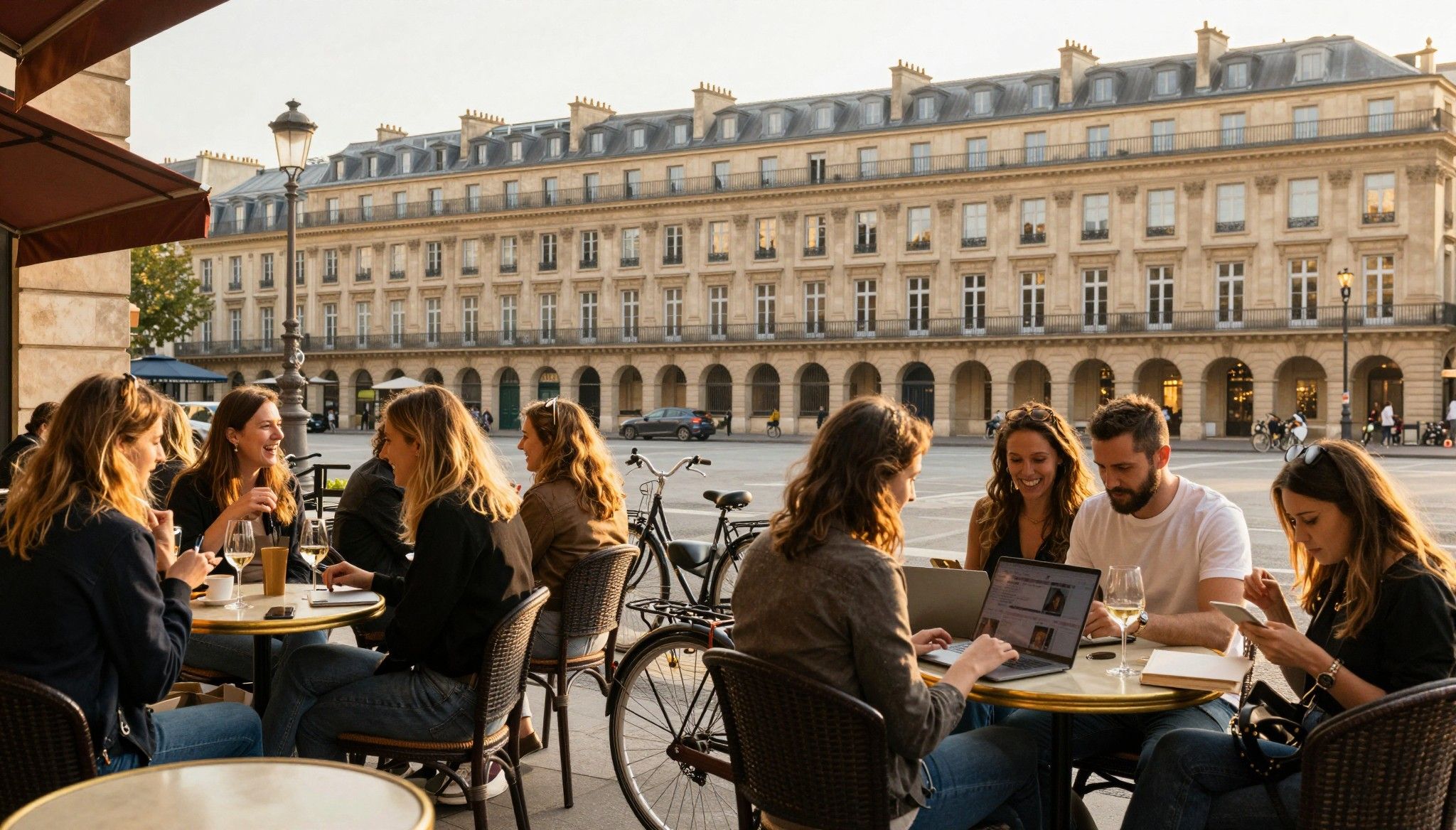
Imagine sipping an espresso at Café du Marché in Lyon, laptop open, then walking five minutes to a Saturday market overflowing with cheeses and flowers — and realising you can actually afford that life. France feels timeless and tactile: boulangeries at dawn, long weekday lunches, golden-light evenings on terraces. But loving the life and budgeting for it are different things. This piece pairs sensory streetside moments with the exact numbers and little-known costs international buyers often miss.
Living the French lifestyle (and what it costs)
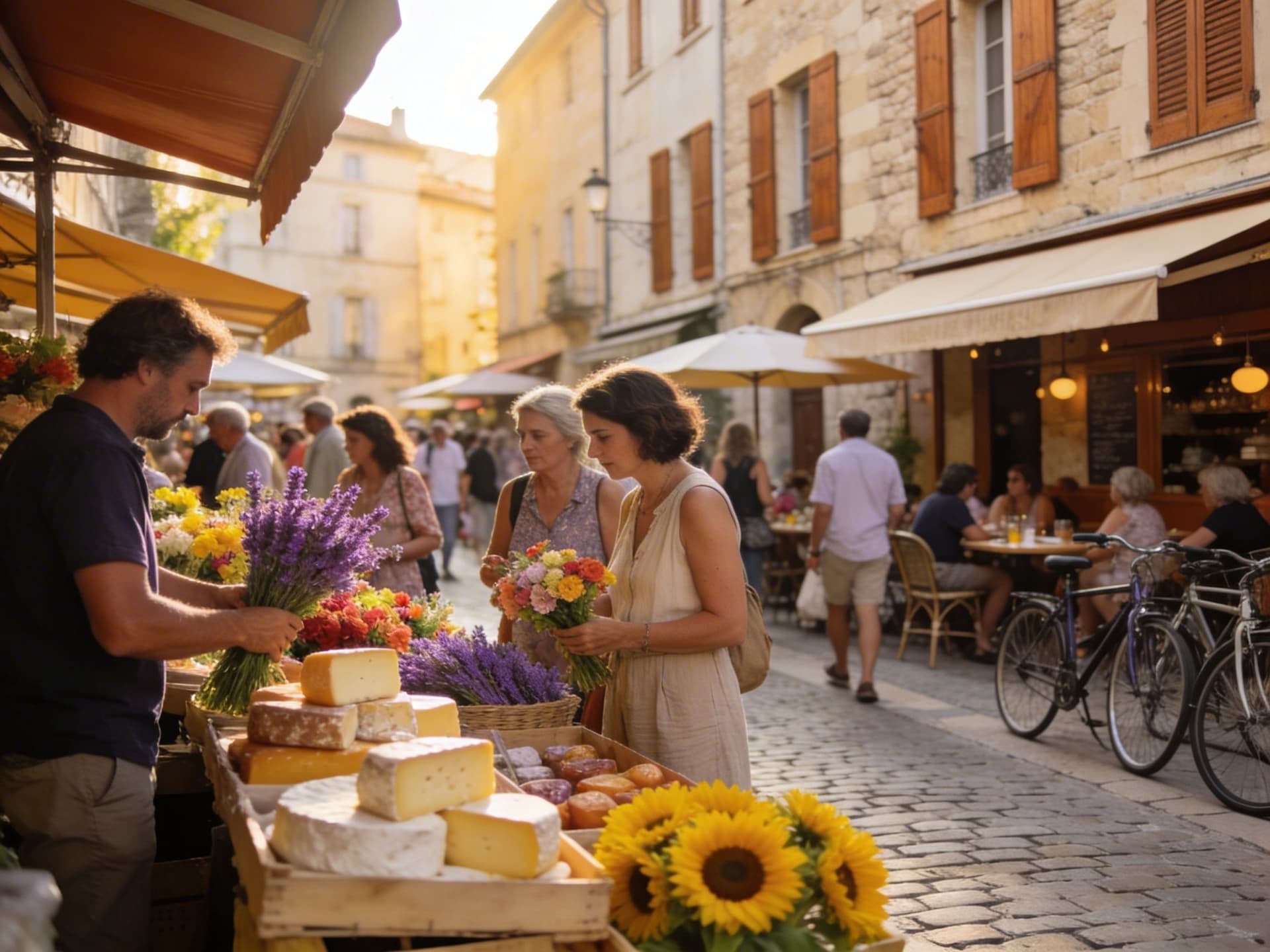
Daily life in France blends ritual and neighbourhood scale. From the sun-drowsed promenades of Nice to the narrow bookshop streets of Le Marais, lifestyle choices — café culture, local markets, proximity to a parc — shape your monthly budget as much as mortgage rates. Recent national data shows house prices began creeping up again in early 2025, so your buying power will depend on region and timing. Local costs vary wildly between Paris, Bordeaux, Corsica and rural villages. For anyone budgeting for life here, map the lifestyle you want to the region’s price rhythm. (Source: INSEE).
Neighbourhood spotlight: Marseille’s Cours Julien to Aix-en-Provence lanes
Picture mornings at La Caravelle coffee, afternoons at a coworking spot near Porte d’Aix, and weekends among Provençal markets in Aix. In Marseille, lean towards apartment living with terraces and shutters; in Aix, expect more stone townhouses and quieter squares. The trade-off is clear: Marseille offers a grittier, more affordable creative scene; Aix delivers polished cafés and higher per-square-metre prices. That texture matters when you’re choosing a mortgage size and renovation budget.
Food, markets and social life — the hidden line items
Eating out and buying local produce are joys that also shape monthly cashflow. Budget for weekly market runs, occasional bistro dinners, and seasonal treats (truffles in Périgord or rosé-fueled summers on the Côte d’Azur). Also remember transaction costs differ: buying new versus old changes acquisition fees (notaire-related costs) significantly, which directly affects how much you’ll outlay at closing. Notaires and official sources explain these differences in detail.
- Lifestyle highlights to budget for
- Weekly market staples (from cheese to charcuterie) — expect €50–€150 monthly depending on household size.
- Coworking membership in cities — €120–€350 per month for a flexible seat in Nantes, Lyon or Bordeaux.
- Utility seasonality — winter heating in rural stone houses can spike bills; budget a 10–25% seasonal buffer.
Making the move: practical budgeting steps
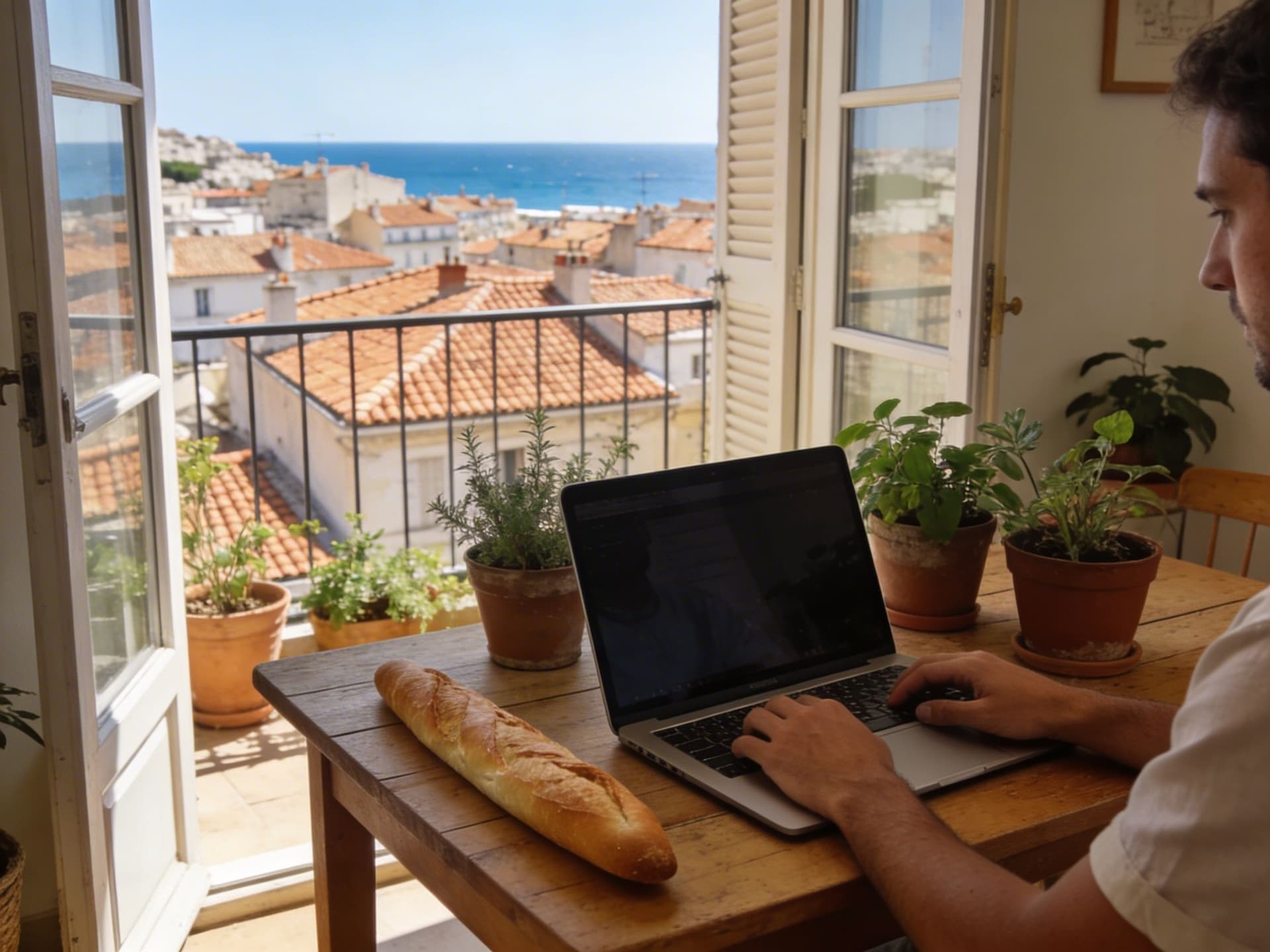
You can romanticise the morning baguette but don’t skip this: acquisition costs in France include taxes, notary fees and administrative charges that can add 2–8% to the purchase price depending on new vs. old property. From the buyer’s first offer to carrying keys, plan for upfront cash plus a 6–12 month living buffer while localising bank accounts, insurance and utilities. Official guidance from French ministries and service portals outlines these charges and recent updates that may affect totals.
Property styles and their true cost (renovation, upkeep, vibe)
Stone village homes charm with thick walls and shutters, but expect damp, older electricals and roofs that demand periodic work. Parisian apartments are expensive per square metre but often lower maintenance. New builds cost more upfront but save on initial works and attract reduced acquisition fees. Match property type to lifestyle: if you want a sunny terrace and fast fibre for work calls, prioritise those features even if it means a smaller footprint.
Working with experts who get nomad needs
- Find a bilingual agent who knows local neighbourhoods and coworking scenes; they’ll match commute times and fibre availability to your remote work hours.
- Hire a local architect or surveyor for any older property — a €1,000–€3,500 survey can save tens of thousands in surprises.
- Open a French bank account early; mortgage offers and notaires often require local payment channels.
- Budget for insurance (assurance habitation) and annual local taxes (taxe foncière or taxe d’habitation adjustments) — factor 0.5–1% of property value annually.
Insider knowledge: what expats wish they’d known
Here’s the candid bit from expats and long-term residents: the lifestyle is abundant, but small frictions matter. Language slips, understanding local repair trades, timing renovations around summer holidays (when builders vanish) — these affect both joy and wallet. Budget not just euros but time: delays and paperwork are part of the rhythm here. Plan for two to three months of administrative setup after purchase.
Cultural integration: daily routines that change how you spend
French social life often orbits the local boulangerie, Tuesday market and weekend table d’hôte. Investing in community — language classes, memberships at local associations, participating in market rituals — accelerates integration and reduces lifestyle friction. These small costs bring outsized social returns and make your new neighbourhood feel like home faster.
Long-term thinking: resale, inheritance and sustainability
France is resilient. Coastal and central city markets have outlasted short cycles. Still, think 5–10 years ahead: resale trends differ massively by city and arrondissement. If rental income matters, verify local demand and regulation. For inheritance planning, French succession rules are strict — talk to a notaire early to understand how estate laws may affect your legacy plans.
- Red flags to watch for before signing
- Absence of full diagnostic reports (termites, lead, energy performance) — insist on complete diagnostics.
- Unclear co‑ownership rules or rising copropriété charges — ask to see last three years’ accounts.
- Properties listed far below recent local comparable sales — could indicate hidden defects or legal constraints.
Conclusion: fall for the life, budget like a local. France rewards those who balance wonder with numbers. Start with a clear lifestyle map (which cafés, markets, coworking spots matter?), then add the hard costs — acquisition taxes, notary fees, surveys, and a three-month living buffer. Partner with a bilingual agent and a notaire you trust, and you’ll trade uncertainty for certainty without losing the delight of morning markets and seaside aperitifs.
Next steps: run numbers with a local mortgage broker, request full diagnostics before offers, and use official fee simulators to estimate closing costs. If you want, we’ll connect you to vetted bilingual agents who match nomad priorities — fast fibre, vibrant cafés, and walkable markets — so your budget buys the life you imagined.
Danish investor and relocation advisor focusing on Portugal and the Algarve; loves coworking culture and expat networks.