Cyprus Title Truths: Due‑Diligence Checklist
Fall for Cyprus’s cafes, coast and quiet villages — but insist on title‑deed checks, Land Registry searches and written developer guarantees before you buy. (Includes official links.)

Imagine sipping thick Cypriot coffee at a shaded table on Ledra Street, then walking five minutes to a sunlit apartment whose balcony looks over the glittering Mediterranean. Cyprus feels like slow, warm weekends, mezze that stretch for hours and village festivals that pull even strangers into the dance. But the island’s charm sits beside a unique legal landscape: title deeds, Council of Ministers permissions and Land Registry quirks that every buyer must respect. This guide blends those daily rhythms with the exact due-diligence moves that keep your Cyprus dream from becoming a legal headache.
Living the Cyprus life — streets, tastes and rhythms
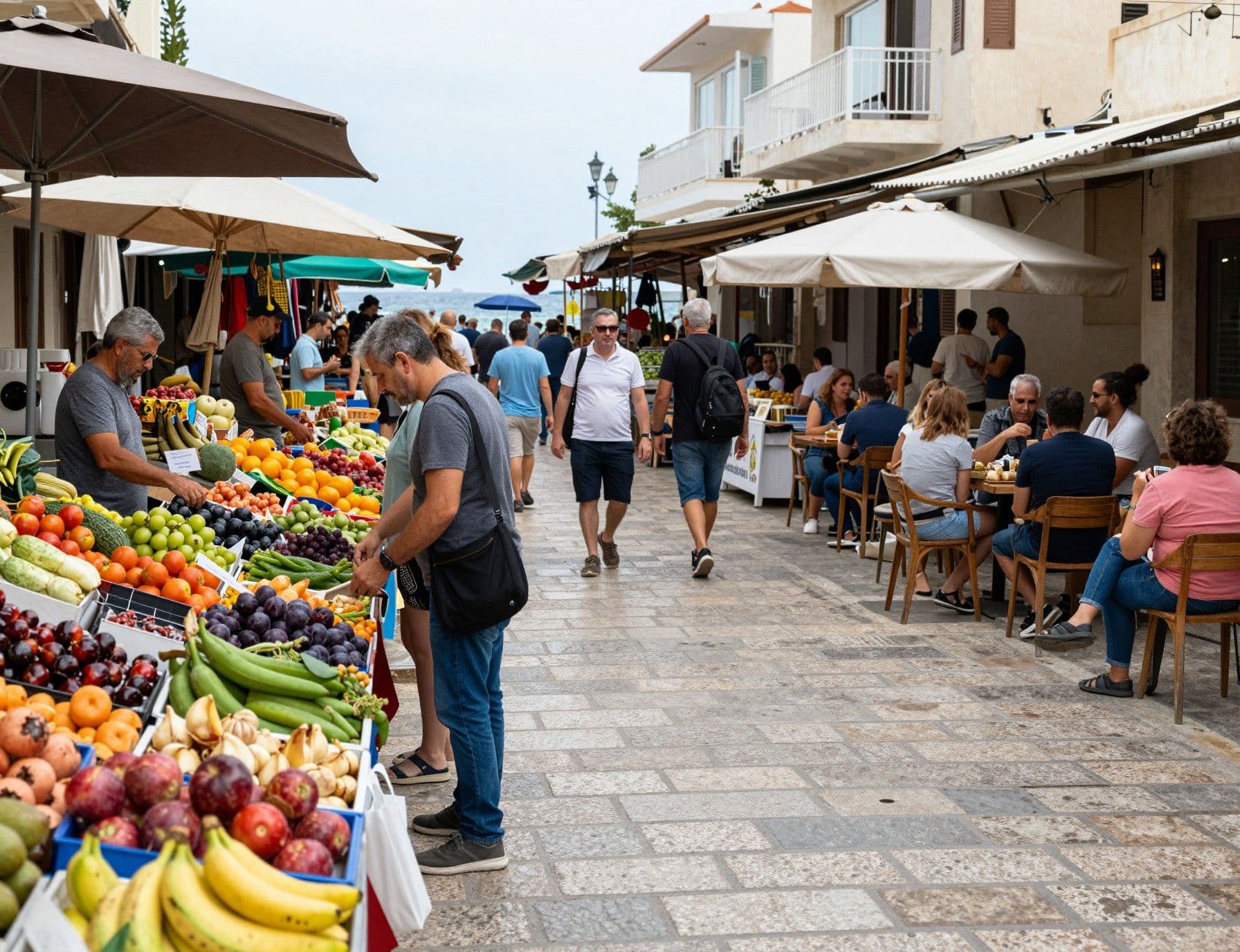
Daylight in Nicosia’s Old Town feels different from coastal Limassol mornings; each neighborhood writes its own tempo. You’ll find coworking hubs in Limassol and Larnaca, bohemian cafés in Paphos, and mountain villages like Omodos where Sunday mornings are an unhurried market of olives and gossip. For a nomad, that means choices: a seaside terrace for morning calls, a stone‑walled village home for slow weekends, or a modern flat when internet reliability matters most. Below, we spotlight real streets and places so you can picture life before you sign anything.
Limassol seafront & Molos: beach workdays and espresso runs
Picture starting your workday with a walk along Molos, laptop tucked in a café while the sea breeze keeps you cool. Limassol’s promenade plugs you into international restaurants, coworking spaces like Cube and The Office, and evening promenades that stretch into late-night meze. Properties here range from modern apartments with fibre internet to new developments promising concierge services — great if you want a plug‑and‑play life. When buying, prioritise verified utility connections and confirmed broadband speeds: lifestyle promises mean little if your meetings keep dropping.
Paphos old harbour & Kato Paphos: village charm with expat hubs
Kato Paphos mixes castle‑edge history with tavernas where owners know your name after two visits; the expat community gathers in English-speaking social groups and weekend markets. Streets like Apostolou Pavlou and the nearby coastal walk have flats popular with retirees and digital nomads who value slower evenings and affordable living. If you’re drawn to this pace, check building age, communal maintenance funds and flood‑risk maps — older buildings often mean character, but also unexpected repairs. Ask sellers for recent maintenance records and ask your lawyer for a structural‑condition clause in the contract.
- Mosaic of lifestyle highlights: real places you’ll love
- Limassol Molos promenade — morning runs, seaside cafés and coworking hubs
- Omodos village market — wine tastings, stone courtyards and slow Sundays
- Ledra Street, Nicosia — late‑night tavernas, galleries and city bustle
- Kato Paphos harbour — sunset walks, fishing boats and relaxed expat scenes
Making the move: practical checks that protect the lifestyle

Love alone won’t close a sale — good due diligence does. Cyprus’s market has grown steadily (the Statistical Service reported modest HPI increases into 2025), meaning demand is real but so are shortcuts by some sellers and developers. Before you bind yourself to any property, weave lifestyle needs (internet, commute to coworking, terrace exposure) into legal checks: title deed status, land registry searches and planning consents. Below are the property-style choices and why each needs different legal attention.
Property styles & the legal tradeoffs
New developments often glitter with showrooms and amenities — but check whether title deeds exist or are awaiting issuance. Older townhouses and village homes usually have clear title history, yet they can carry informal alterations or inheritance disputes. Apartments in coastal complexes may promise shared pools and gardens; make sure the management company is registered and that maintenance reserves are healthy. Your lifestyle choice should determine the checklist: developer‑backed smooth moves require developer warranties; vintage houses require probate and boundary checks.
Working with a Cyprus lawyer and a local agent shortens the learning curve and keeps your dream intact. A solicitor orders Land Registry searches, verifies title chains and checks for encumbrances; agents help locate properties that match your life — fibre access, proximity to markets, or quiet terraces. For non‑EU buyers, the Ministry of Interior permission process can affect timing: you can sign contracts and pay deposits while awaiting approval, but title transfer waits for clearance. Always get a written timeline for title deed issuance from the developer or seller before committing significant funds.
- Step-by-step due-diligence process (what to do, in order)
- 1. Reserve & contract: pay a small reservation fee and insist on a sale contract with a clear completion timetable and penalties for delay.
- 2. Lawyer orders land registry search: confirm ownership, mortgages, pending sales contracts and any court orders that affect the property.
- 3. Planning & utilities check: verify planning consent, separate title deeds (if applicable), building permits and functioning utility connections (water, electricity, broadband).
- 4. Title deed status & developer assurances: get written evidence of title deeds or a binding commitment with penalties; for off-plan, secure a bank guarantee or escrow for deposits.
Insider knowledge: what expats wish they’d known sooner
Here’s the real talk from people who lived it: don’t confuse ‘market momentum’ headlines with instant ownership. Reports show stable transaction volumes and steady values, but individual deals hinge on paperwork and local practices. Some buyers assumed a flashy development equalled fast title deeds — only to wait months. Others who bought village homes discovered communal access issues or informal annexes that complicated registration. Learn from those stories: ask for evidence, insist on protections and build time buffers into your plans.
Cultural and seasonal realities that affect deals
Property markets in Cyprus slow around August (summer holidays) and Christmas; public offices and courts run reduced hours and transactions can be delayed. Sellers sometimes time launches for high tourist seasons when properties look their most attractive — but that’s not always the best time to buy. Also, village customs matter: neighbours expect communication about renovations, and informal access paths can be taken for granted. Respect local norms early — it saves legal headaches and builds goodwill during inspections and surveys.
- Red flags to walk away from (real examples)
- Seller can’t produce an original title deed or shows only a photocopy — demand verified Land Registry proof.
- Property under dispute (inheritance, pending court case) — insist the seller resolves it before any transfer.
- Promised amenities with no legal easements or management company in place — get written, binding guarantees.
After the purchase: practical next steps to protect lifestyle & investment
Once the title is in your name, keep living priorities aligned with property care: register with local municipality for waste/taxes, confirm broadband provider contracts and join expat groups or local associations to plug into community life. For rental income or long‑term value, register with the tax office and hire a local property manager who understands seasonal demand and cleaning/maintenance cycles. If you plan renovations, obtain permits first — unpermitted changes can block future sales or title transfers.
Conclusion: love the life, protect the investment
Cyprus gives you outdoor breakfasts, late markets and a coastline that feels tailor-made for remote work breaks. But that lifestyle is worth protecting with concrete, local checks: Land Registry searches, planning consent verification, written title‑deed timelines and trusted legal counsel. Start with small, practical steps — reserve with a clear contract, get a lawyer to run searches, and insist on developer or seller guarantees — and you’ll turn the island romance into a secure, long-term home. When you’re ready, a local agent who understands nomad needs will connect your lifestyle wishlist to watertight paperwork.
Norwegian who has helped 200+ families relocate from Oslo to Spain; expert in relocation services and community integration.