Budgeting France: 5 Hidden Costs That Shape Your Move
Fall for France’s markets, then budget like a local: factor 7–8% acquisition costs, department tax changes, and seasonal lifestyle spends into your purchase plan.
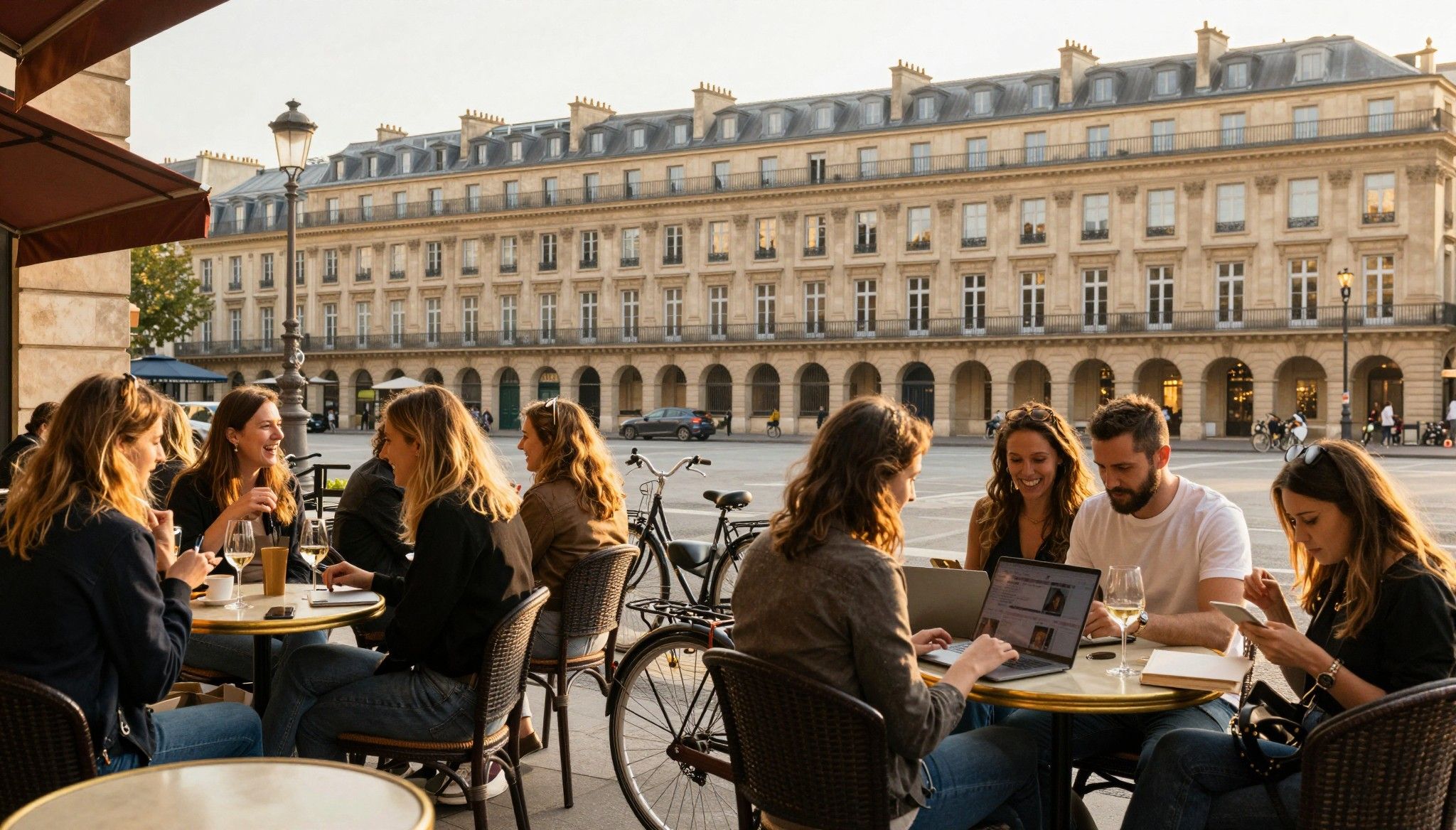
Imagine sitting at a sunlit terrace on Rue Cler, espresso steaming, a boulangerie scent mixing with sea salt from the Mediterranean — and suddenly realising your dream French life needs a spreadsheet. The magic of France—cobblestone mornings in Lyon, coastal afternoons on the Côte d’Azur, vineyard weekends in Provence—comes with predictable pleasures and surprise costs. This guide pairs that lived-in feeling with a hard-headed budgeting plan so you can fall in love without breaking the bank.
Living the France life: senses, streets and seasons
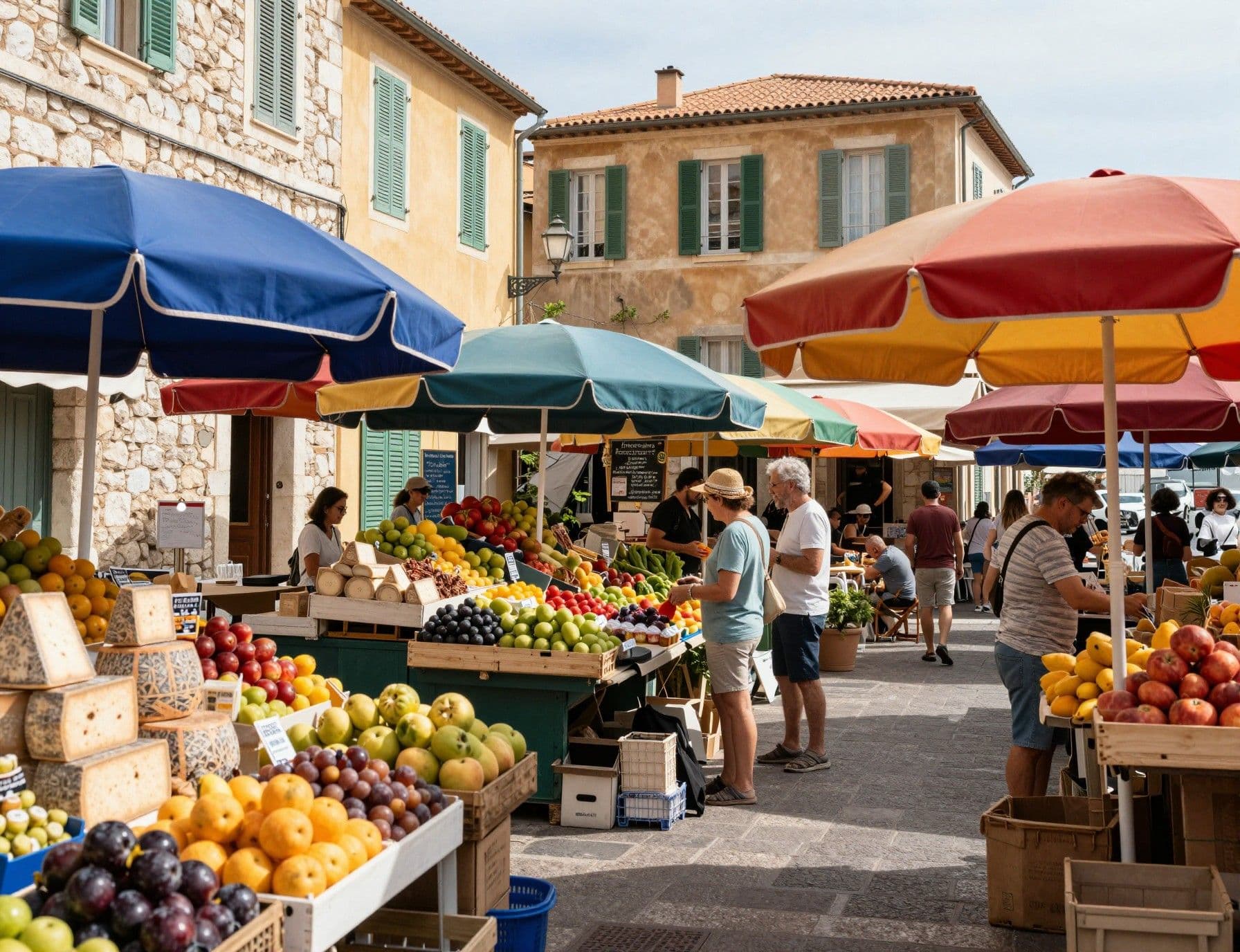
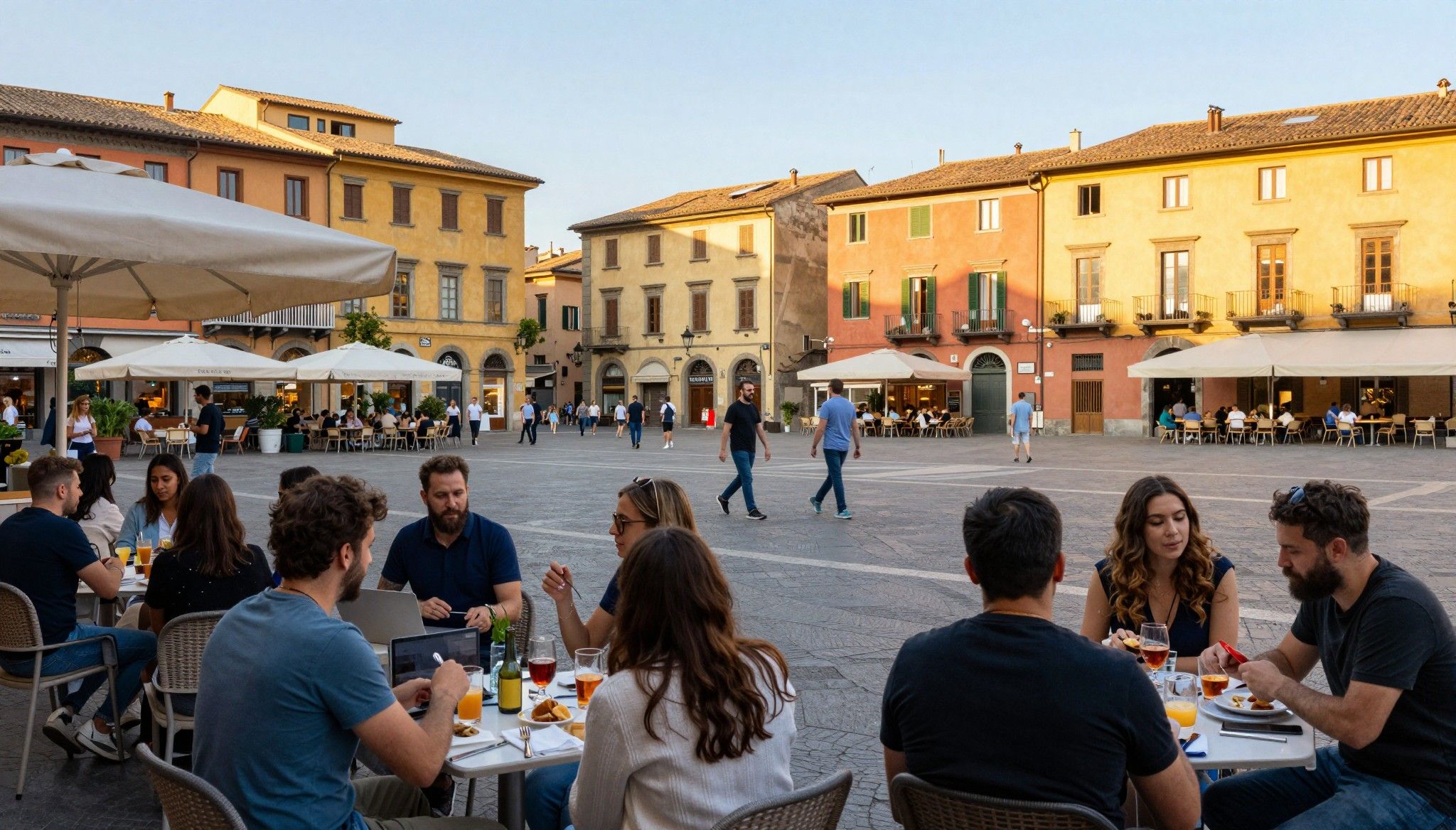
France isn’t a single rhythm — it’s a playlist. Paris hums with café laptop culture and late-night bistros; Bordeaux breathes vineyard rhythms and weekend markets; Biarritz moves to Atlantic surf and seafood. Picture morning markets on Cours Saleya in Nice, weekly aperitifs on Place Sainte-Croix in Bordeaux, or quiet snow-lit lanes in Annecy. Those rhythms shape what you need from a property: balcony breakfasts in Nice, a warm cellar in the Alps, fast fibre in Lyon.
Neighbourhood snapshots that matter to nomads
If you want community and coworking, look to Croix-Rousse in Lyon or Canal Saint-Martin in Paris. Beach-life seekers check Vieux-Port in Marseille or Le Mourillon in Toulon. For quieter village charms with weekend markets, try Uzès or Saint-Rémy-de-Provence. Naming streets helps: cafés on Rue de Bretagne (Paris) or early-morning boulangeries on Rue Gambetta (Biarritz) tell you the life you’ll actually live — and the running costs you’ll face every month.
Food, markets and social life — the everyday budget
Daily life in France is delicious — and not always cheap. Weekly market runs, neighbourhood bistros, café habit, and seasonal produce shape living costs more than headline rent. If you’re counting euros, factor local habits: artisan bread three times a week, a biweekly marché splurge, and aperitif culture that keeps weekends social. These are recurring lifestyle lines in your budget that define whether a place feels affordable or aspirational.
- Lifestyle highlights to budget for
- Morning market coffee + pastry on market days (Rue Cler, Rue Mouffetard).
- Coworking pass or café habit near Canal Saint-Martin / La Défense.
- Seasonal costs: summer tourist surges on the Riviera, winter heating in alpine homes.
Making the move: practical budgeting you’ll actually use

Dreams meet deeds: when you love a neighbourhood you also need a realistic purchase plan. In France, acquisition costs (often called “frais de notaire”) are mostly taxes collected by the notaire on behalf of the state. Expect 7–8% on older properties, less on new builds. Recently, some department rates changed, so always check the department where you’re buying. These fees alone can reshape your budget faster than a summer renovation quote.
Property types and what they cost to live in
A Paris apartment gives culture and transport but often means higher maintenance charges and parking headaches. A Provençal mas offers space and gardens but can need investment in insulation and plumbing. Coastal apartments have sea-facing premiums and higher tourist-season management costs. Match the property type to the life you want — a small, well-connected flat for cafés and coworking, or a country house if you crave weekly market rituals and long-term projects.
Work with local experts who live the life you want
- Find an agent who knows the exact street culture (not just the price).
- Ask a notaire about department-specific transfer tax rates before you sign (rates changed in 2025).
- Get quotes for communal charges and historical maintenance costs from the syndic for apartments.
- Budget for immediate lifestyle upgrades (fast fibre, a good desk, blackout curtains) to make the place liveable from day one.
Insider knowledge: the red flags and hidden wins
Real talk: market momentum shifted after 2024. Cities that dipped are rebounding; prices in major metros are rising again. That means timing a purchase can be less about seasons and more about local market cycles. Look beyond headlines: a quiet coastal town might be booming because of short-term rentals, while an overlooked suburb could offer work-life balance and steady value.
Common red flags nomads miss
- Unreported condo debts carried by the syndic (ask for last three years of accounts).
- Poor heating/insulation costs in older homes — winter bills spike in alpine and rural properties.
- Seasonal rental pressure in tourist towns that inflates prices and complicates community life.
Hidden wins savvy buyers use
- Buying in rising-but-not-peak suburbs around Toulouse or Nantes where transport projects are planned.
- Targeting properties with rentable extra rooms near universities for steady incomes during school terms.
- Negotiating seller concessions for fast fibre installation or structural surveys as part of the sale price.
Step-by-step budget checklist before you sign
- Estimate purchase price + 7% (frais d’acquisition) for older property; adjust if new-build.
- Request syndic accounts, energy bills, and planned works for apartments.
- Get a notaire to confirm transfer taxes in the department and a French-speaking lawyer if you’re not fluent.
- Factor moving-in costs (fibre, small renovations, furniture) and a 6–12 month emergency fund.
Long-term: treat property in France as both a lifestyle and a legal commitment. The right local agent and notaire aren’t just transaction helpers — they’re translators of daily life into legal and financial realities. If you want a street where you can walk to a market every Saturday, make sure the property’s monthly charges and seasonal costs let you actually enjoy that life.
Conclusion — fall in love, then budget like a local. Start with the life you want: where you’ll sip coffee, who you’ll meet at the marché, where you’ll work. Then translate that into numbers: purchase price + notaire/taxes + running costs + immediate lifestyle upgrades. Book a walk-through, pull the syndic accounts, talk to a notaire, and pencil in a month of weekend living there before buying. That’s how you make a French dream a sustainable one.
Swedish, relocated to Marbella in 2018 to chase sun and property freedom. Focus on legal navigation and tax for Nordic buyers.