Italy: Fall for the Life, Check These Property Truths
Italy’s charm hides practical trade-offs. Match lifestyle must-haves (fibre, markets, balconies) to property types and use local experts to turn romance into a sustainable life.
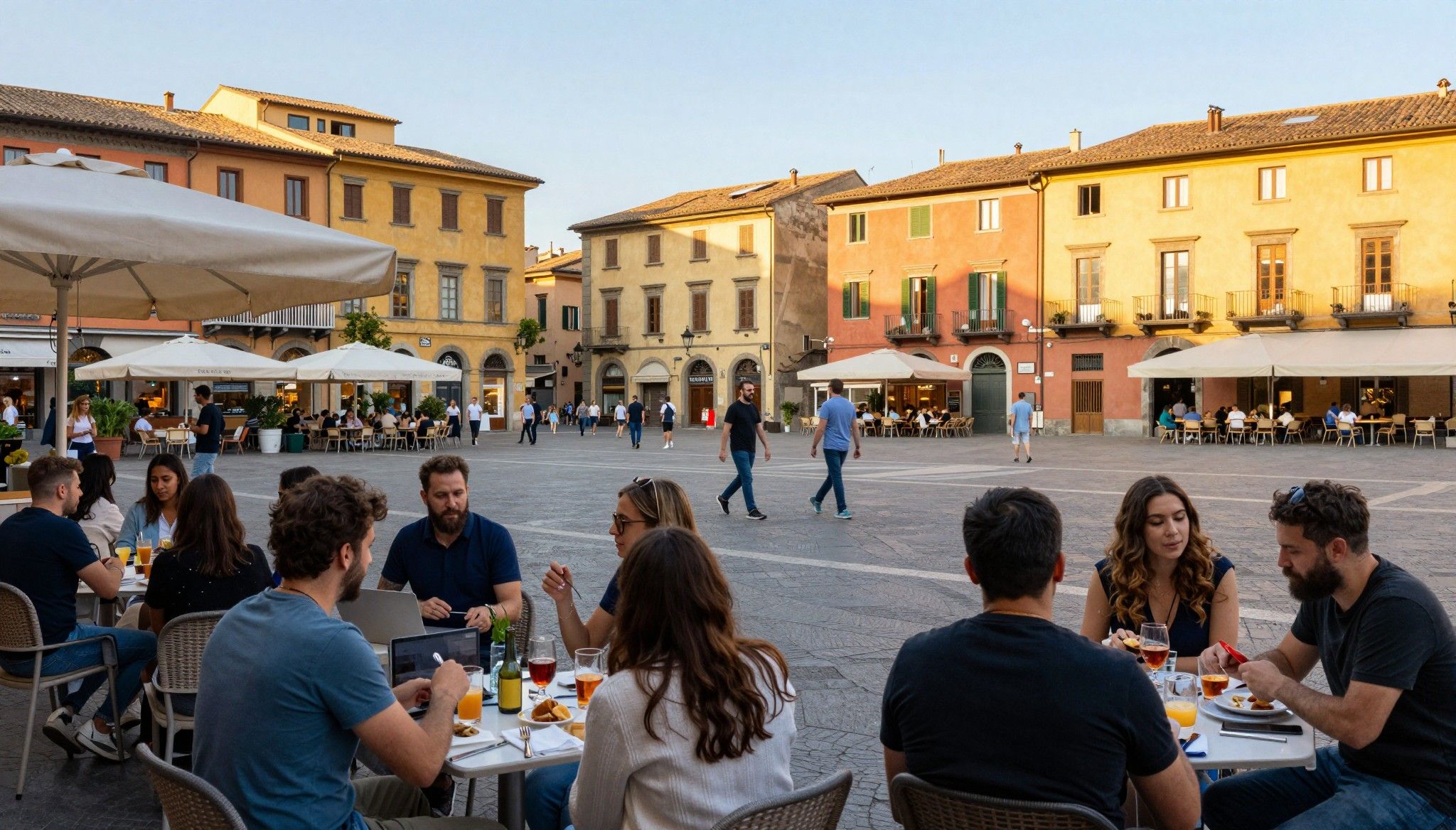
Imagine stepping out of a cobbled side street in Trastevere with a laptop tucked under your arm, then wandering to a sunlit piazza for espresso and a few hours of focused work. That picture — morning coffee, afternoon market runs, evening aperitivo — is why people fall for Italy. But the romantic image hides local rhythms that shape where and when you should buy. This piece blends the life you crave (neighborhood cafés, market-days, beach weekends) with the market reality (price pockets, seasonal quirks, and trusted local advisers).
Living the Italy lifestyle: more than views
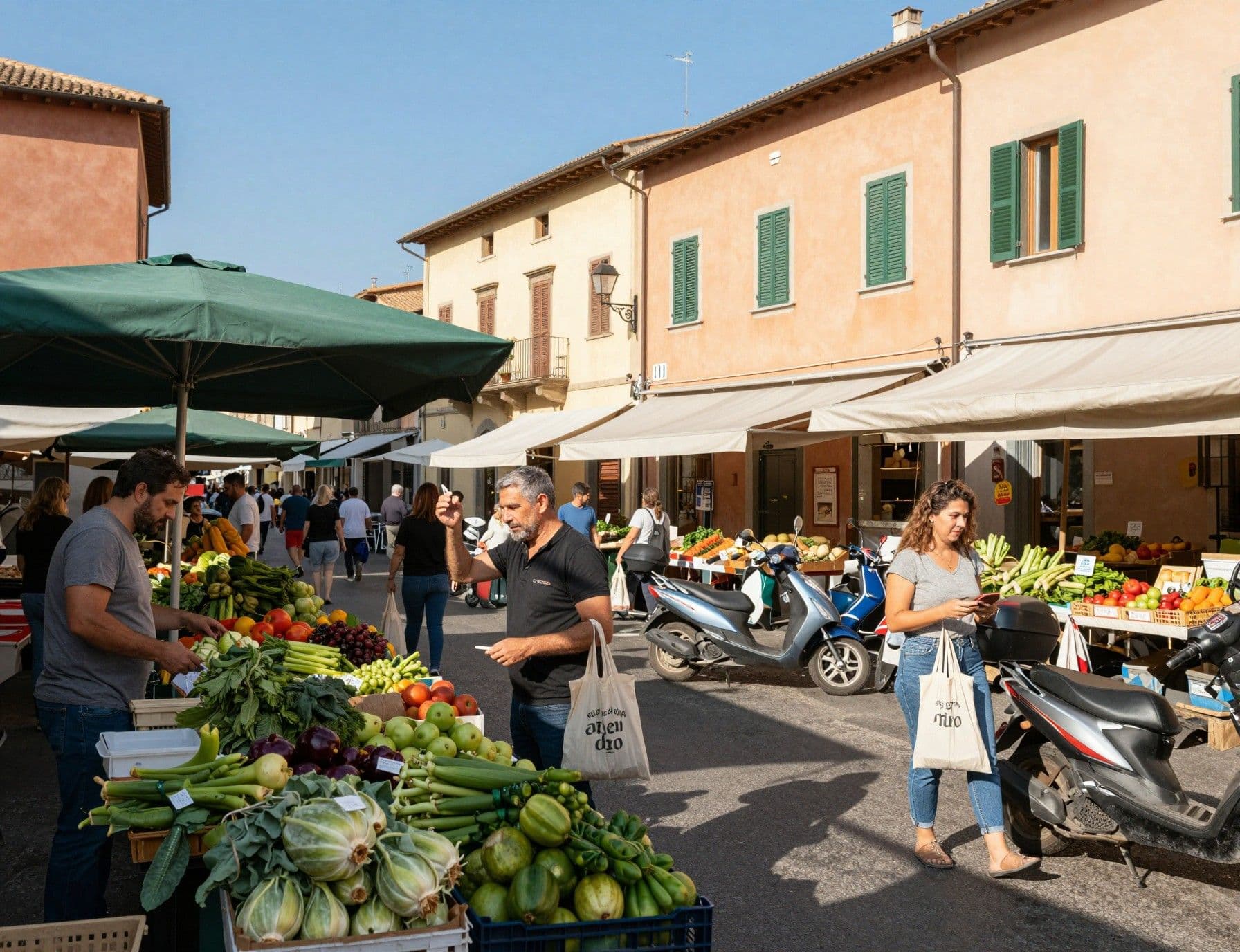
Italy isn’t a single mood — it’s dozens. From Venice’s canals to Palermo’s busted‑open markets and the olive-scented hills of Puglia, daily life is sensory. You’ll hear church bells and motorino traffic, smell baking focaccia and roasting coffee, and feel time slow on hot summer afternoons. Recent data show measured house-price growth across regions, but the everyday rhythm still dictates value: neighbourhoods with weekly markets, good cafés and reliable fibre often hold resale appeal. For international buyers, lifestyle and local services matter as much as headline price indexes.
Rome: historic mornings, modern workdays (Trastevere, Monti, Ostiense)
Picture Monti for vintage-shopping and espresso, then Ostiense for converted‑warehouse coworking and evening food halls. Trastevere gives that quintessential street-life while pockets near San Lorenzo offer cheaper rents and a student-fuelled energy. For remote work, confirm flat layouts with quiet corners, balconies or small terraces — they transform a city apartment into a year-round workspace. Look for properties on streets like Via del Boschetto or near Piazza Santa Maria for that lived-in Roman vibe.
Coastal and small‑town life: Amalfi, Sicily, Le Marche
Coastal towns sell the dream of sea‑front cafés and late-night passeggiatas, but many are seasonal. Amalfi and Positano are postcard-perfect yet tourist-heavy; towns like Tropea (Calabria) or Marzamemi (Sicily) offer similar charm with lower year-round crowds. In Le Marche, hill towns such as Ascoli Piceno blend market-days with solid local services. If you crave quiet winters and buzzing summers, prioritize good heating, insulation and year-round grocery/cafe options — not just a sea view.
- Neighborhood lifestyle highlights: Piazza San Lorenzo market (Florence), Testaccio food halls (Rome), Navigli aperitivo scene (Milan), Mercato di Ballarò (Palermo), Spiaggia dei Conigli access (Lampedusa), Via della Mostra d’Oltremare cafés (Naples).
Making the move: practical considerations that preserve the lifestyle
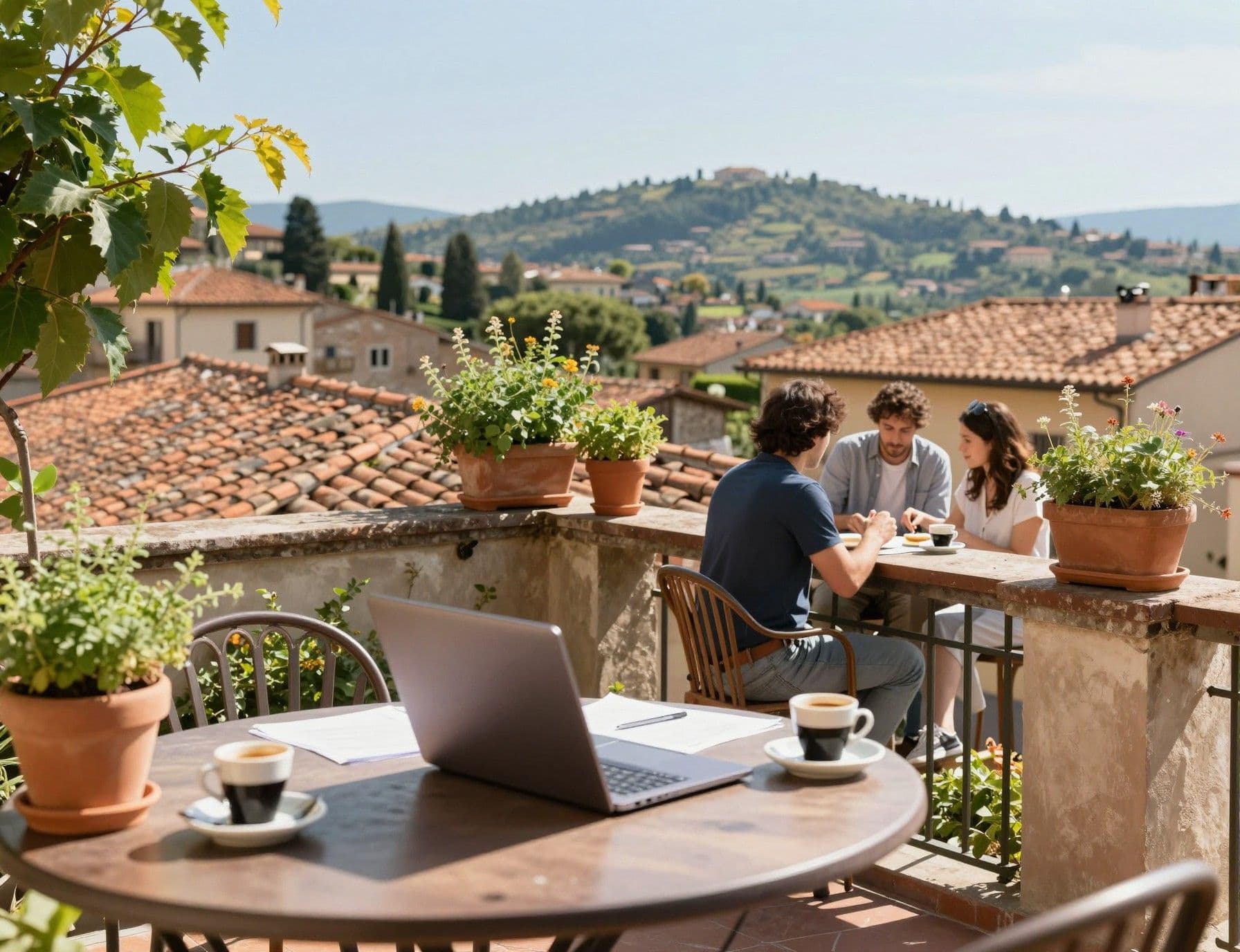
Buying in Italy is as much about matching lifestyle details to property features as it is about legal checks. Think broadband and quiet corners first if you work remotely; think proximity to markets and a baker that opens before you do if you want full immersion. National trends show steady but moderate growth — resilient prime pockets attract international buyers — yet your daily liveability checklist will determine long-term satisfaction more than city-level headlines.
Property styles and what they mean for daily living
Historic centro apartments win on character: high ceilings, shutters, central squares — but expect tricky layouts, thin walls and occasional damp. New builds and converted warehouses give light, dedicated work nooks and proper insulation. Villas and farmhouses offer outdoor life and privacy, but factor in maintenance and local services. Choose form over flair: a small balcony and reliable fibre often beat a glamorous view when you work and live full-time.
Work with local experts who value your lifestyle
- How local agents help: 1) Find streets with practical perks (markets, bakeries, coworking) rather than just views. 2) Source up-to-date fibre and utility checks; not all historical blocks have fast lines. 3) Introduce trusted notaries and surveyors who understand quirks in regional building codes. 4) Spot seasonal rental demand if you’re considering income while away. 5) Advise on renovation practices that preserve character but add modern comfort.
Insider knowledge: expat truths and seasonal reality checks
Here’s the real talk: Italy’s romance is real, but so are the chores. Bureaucracy, slow municipal processes and seasonal business hours show up in everyday life. Expat communities cluster where services are reliable — Florence, Bologna, Milan and pockets of Rome — and those areas often command premiums. The clever move is to pick a neighborhood that feeds your social life and practical needs, then use a local agency that knows the rhythms, not just the listings.
Cultural integration and making community
Learn a few phrases, attend a mercato, join a local language or cooking class — those small moves open doors. Italians value reciprocity and face-to-face connections; showing up at neighborhood events earns trust faster than email introductions. Local churches, sport clubs and volunteer groups are surprisingly effective social channels. For nomads, coworking and meetup groups accelerate belonging — check hubs like Talent Garden (Milan/Rome) or independent spaces in Bologna and Palermo.
Long-term lifestyle checks buyers forget
- Things to verify before signing: reliable winter heating and insulation, municipal garbage schedules, proximity to an active GP/hospital, local school options if planning family time, and seasonal business patterns that affect grocery and services.
Italy offers a rare combination: daily rituals (market, cafe, aperitivo) that feed the soul, and a housing market grounded in regional diversity. Use lifestyle criteria — fibre, morning coffee options, weekend escapes — as filters in your property search. Then engage a local agent who knows the streets, not only the prices. If you want, start by listing three non-negotiables (e.g., 100 Mbps fibre, a weekly market nearby, and an outdoor space) and ask an agent to only show properties that match them. That’s how the dream becomes a lived life.
Danish investor and relocation advisor focusing on Portugal and the Algarve; loves coworking culture and expat networks.