Why Malta’s 'Expensive' Label Hides Nomad Value
Malta’s price tag depends on where and how you want to live. Match neighbourhood vibe to your nomad needs and use neighbourhood-first searches to find real value.
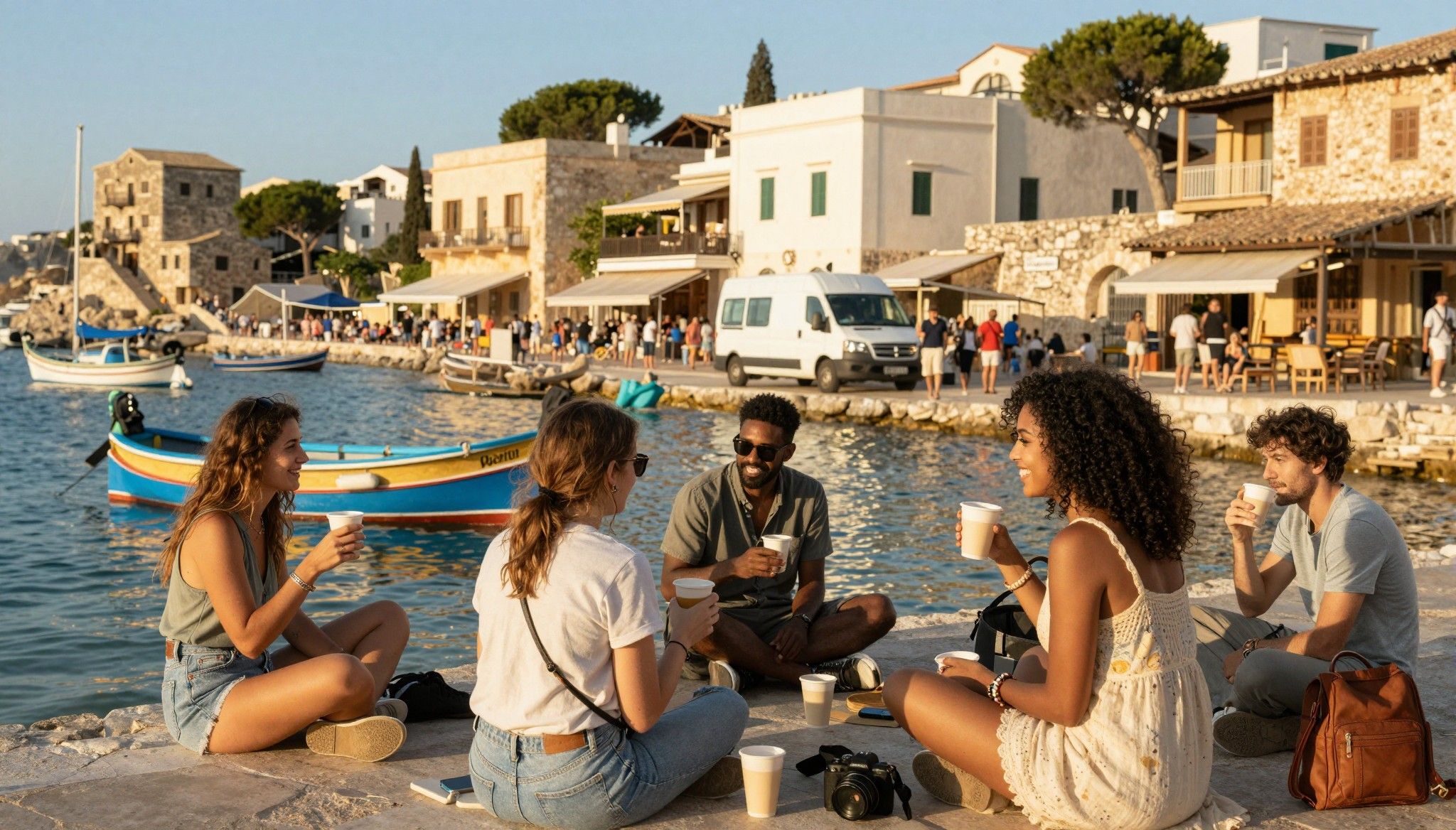
Imagine sipping an espresso on Sliema’s Tower Road at 8am, laptop open, sea breeze nudging a busy coworking day into a sundowner at Spinola Bay. Malta feels small, bright and outrageously liveable — a place where medieval streets meet efficient fibre and fast ferries to Gozo. But many buyers arrive with one big assumption: Malta is too expensive. Let’s take that myth apart with neighbourhood nuance, current market signals and nomad-first living tradeoffs.
Living the Malta lifestyle
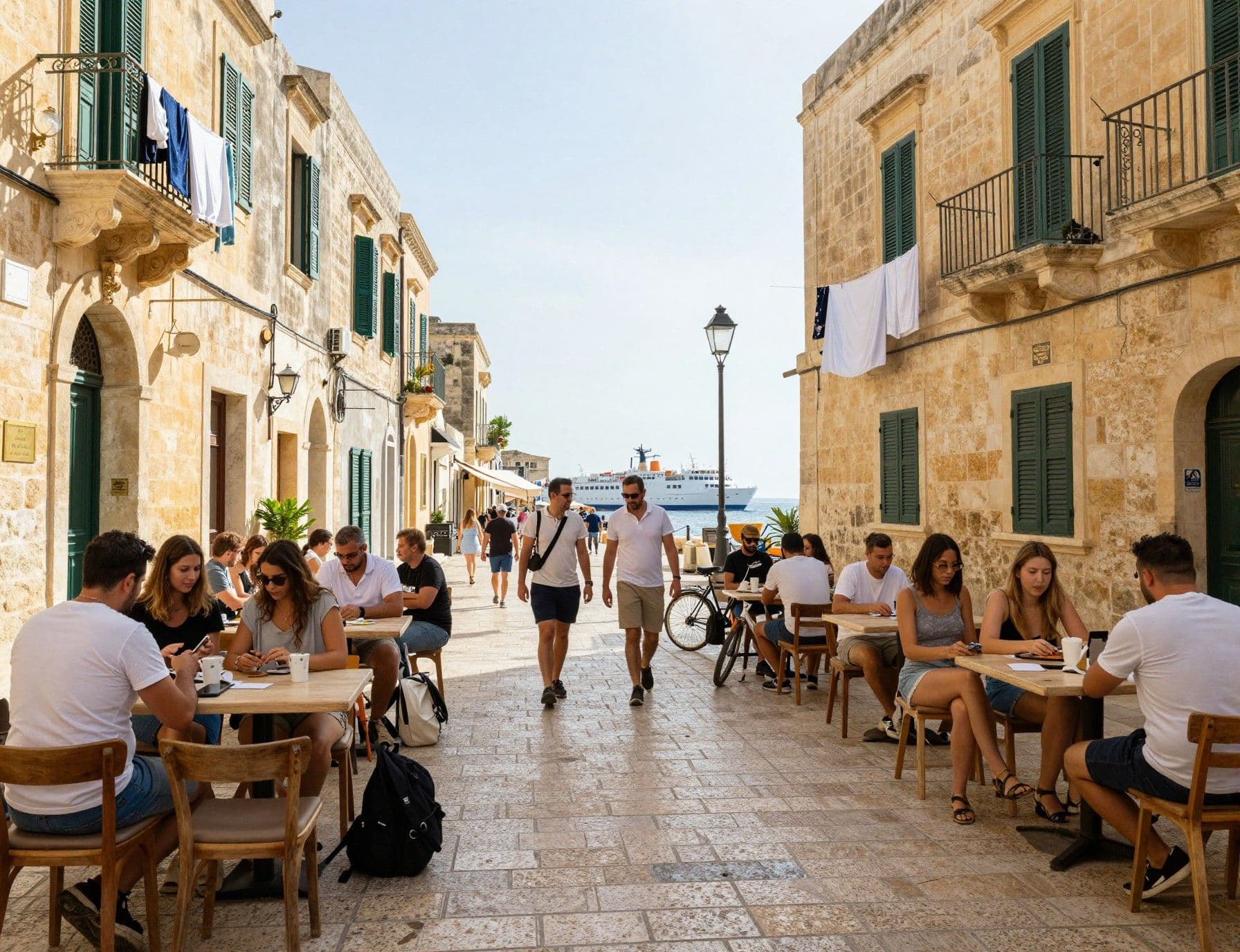
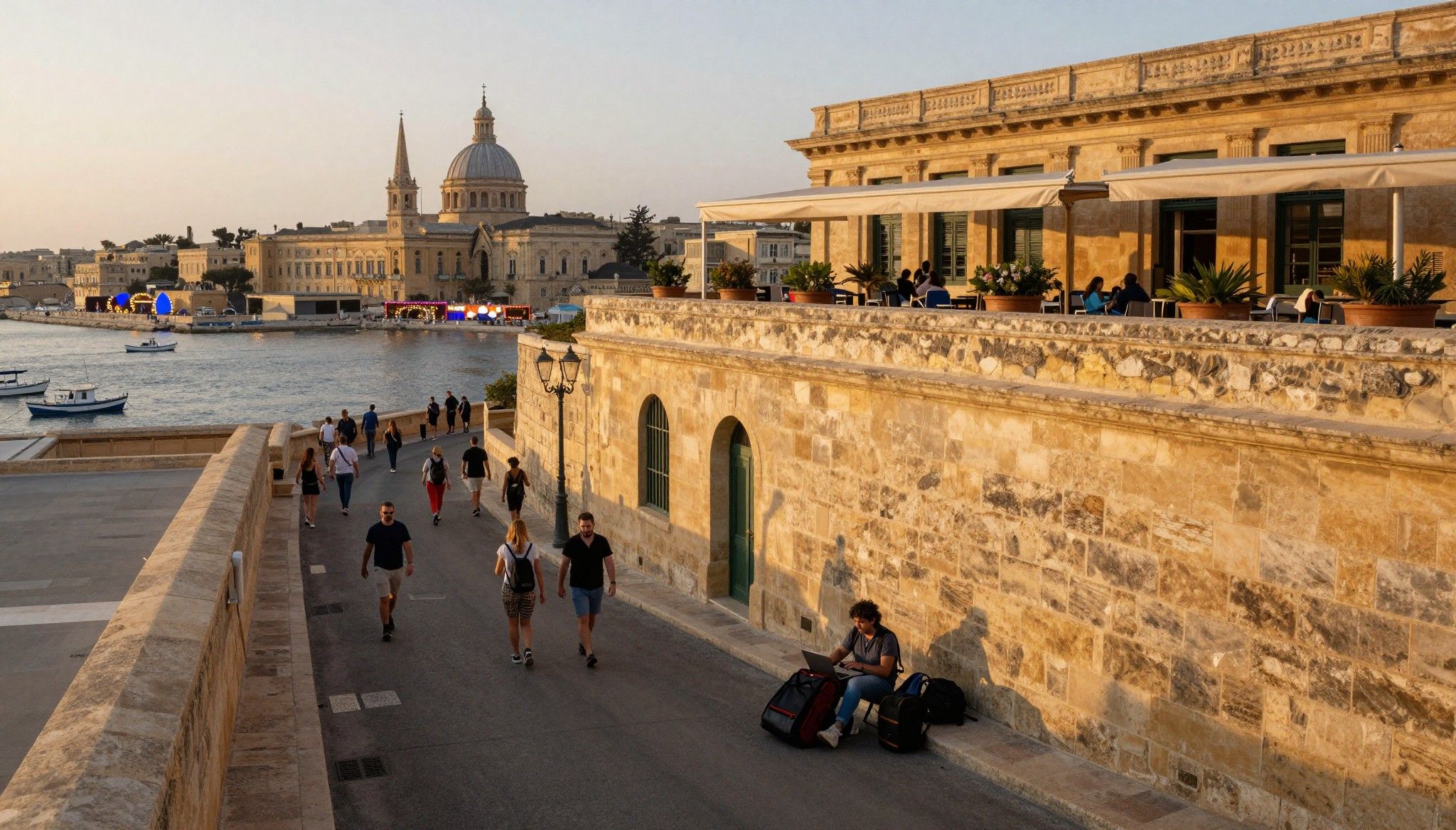
Life in Malta moves at a Mediterranean rhythm: mornings at markets, long lunches, and late evenings that still feel safe. Valletta’s stone canyons host quiet galleries and buzzy cafes; St Julian’s and Sliema pulse with young professionals, beach bars and coworking; Mellieħa and Marsaxlokk trade nightlife for wide sand and fishing-boat calm. For remote workers this means you can choose a historic apartment a five-minute walk from a cafe with reliable Wi‑Fi or a coastal maisonette with a rooftop office.
Valletta, Sliema & St Julian’s — concentrated choices
Valletta is small and dramatic: narrow streets, theatre nights and a skyline of limestone terraces. If you love walking everywhere, museums and post-work aperitifs on bastions, this is home. Sliema and St Julian’s are the modern heartbeat — cafes that double as workspaces, frequent flights of stairs up to terraces, and a dense expat and digital-nomad community that makes meetups, gyms and English-language services easy to find.
North coast & Gozo — space and quiet
Head north and life slows: Mellieħa’s sandy beaches and Gozo’s village squares give you elbow room and a calmer pace. These areas are brilliant if you want an outdoor lifestyle — diving, hiking, sunrise swims — but expect longer commutes to central coworking hubs and fewer late-night dining options. For families or buyers after rental income, quieter towns can offer better square‑metre value and a different quality of life.
- Lifestyle highlights: sunrise swim at St George’s Bay, espresso at Pjazza Teatru Rjal (Valletta), sushi by Spinola Bay, Sunday fish market in Marsaxlokk, rooftop terrace sunsets in Gżira, weekend ferry to Gozo for hiking.
Making the move: practical considerations
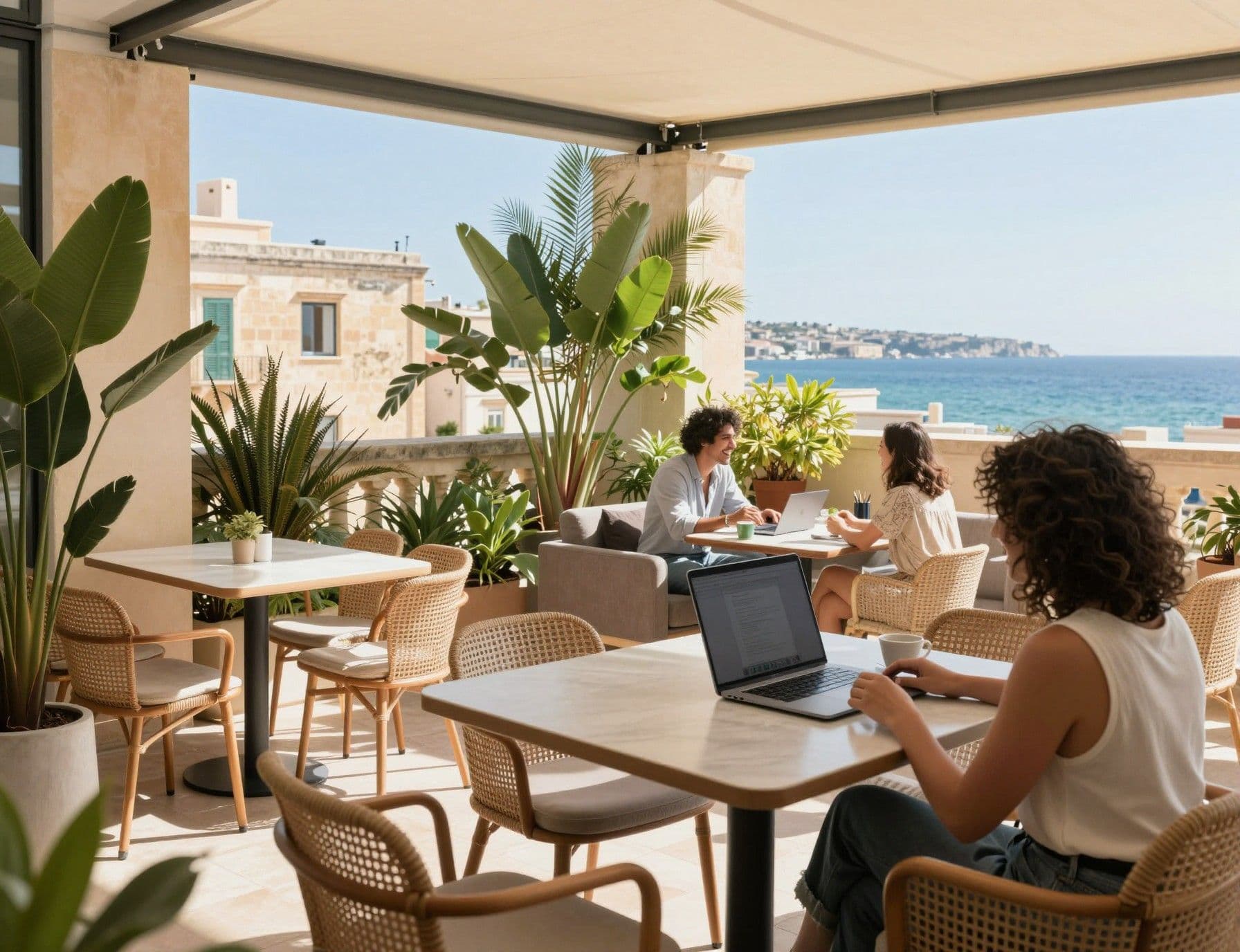
Dreams meet contracts here — and the data shows steady price growth rather than a sudden luxury bubble. Malta’s Residential Property Price Index rose through 2024–2025, driven by apartment demand and a lively rental market. That matters because ‘expensive’ depends on what you compare Malta with: central London or coastal Sicily are very different benchmarks. For nomads the key is matching neighbourhood vibe to actual cost drivers like short‑let demand, proximity to services, and build type.
Property styles & how you’ll live
Malta’s housing stock is a collage: converted townhouses, modern apartment blocks, and seasonal maisonettes with terraces. Apartments in Sliema offer walkable daily life and predictable rental demand; a maisonette in Rabat or a house of character in Mdina offers space but can need renovation. If you work remotely, prioritise fibre availability, a sunlit corner for a home office and outdoor space for calls — these often matter more than a sea view when it comes to daily happiness.
Working with local experts who match lifestyle to listings
- Use agents who know these lifestyle signals: 1) ask for neighbourhood walk‑through videos showing morning routines and Wi‑Fi speed tests; 2) request rental comparables if you plan to let while away; 3) confirm water and cooling solutions for summer heat; 4) insist on a survey for houses of character to check damp and insulation; 5) verify planning permissions for rooftop terraces or conversions.
Insider knowledge: expat truths and seasonal realities
A few things expats wish they’d known: summer is loud and busy in tourist hotspots, energy bills spike in August, and old buildings can be charming — and draughty. English is an official language, which flattens many everyday frictions, but local customs matter: festival seasons, band-club culture and small-community networks influence where you’ll feel at home. These cultural layers shape not only your daily mood but also rental demand and resale desirability.
Integration, community and making friends
Find groups around interests, not nationality: surf clubs in Golden Bay, language exchanges in Valletta, and startup meetups in Gżira. Cafes double as social hubs; a regular barista becomes an instant connector. For families, international schools cluster around the northern corridor — factor commute time, not just price, when assessing neighbourhood fit.
Long-term lifestyle and investment signals
Price growth has been consistent but not runaway — that creates a sweet spot for buyers who value lifestyle over speculation. Short‑let regulation changes have nudged the market, so check local rules if you plan holiday rentals. Agencies with strong local networks and after‑sale property management can turn a property from a weekend base into a reliable income stream while you travel.
- Red flags to spot before you buy: unclear planning permissions for balconies or roof conversions, absent fibre in listing descriptions, unresolved communal maintenance issues, over‑optimistic short‑let income forecasts, and undervalued renovation costs in older stone properties.
- Practical next steps for nomads: 1) shortlist two neighbourhoods by lifestyle (one lively, one calm); 2) visit during shoulder season to test everyday life; 3) ask agents for Wi‑Fi speed and utility records; 4) get a pre‑purchase survey focused on water, insulation and electrical upgrades; 5) secure a local property manager before you leave.
Malta’s reputation for being ‘expensive’ is a blunt label. The truth: costs reflect location, property type and lifestyle choices. If you prioritise a vibrant seaside coworking scene, budget for it — but if you choose north-coast calm or a house of character inland, you’ll find value and space. Start with the life you want, then tune the property search to match it. Local agents who respect lifestyle signals will save you time, money and regret.
Norwegian who has helped 200+ families relocate from Oslo to Spain; expert in relocation services and community integration.