Malta: Neighbourhood Vibes, Lifestyle Tradeoffs
Malta is a compact island of cafés, festas and steep‑stone charm — a nomad’s dream that needs local market smarts: timing, fibre, residency rules and trusted agents.

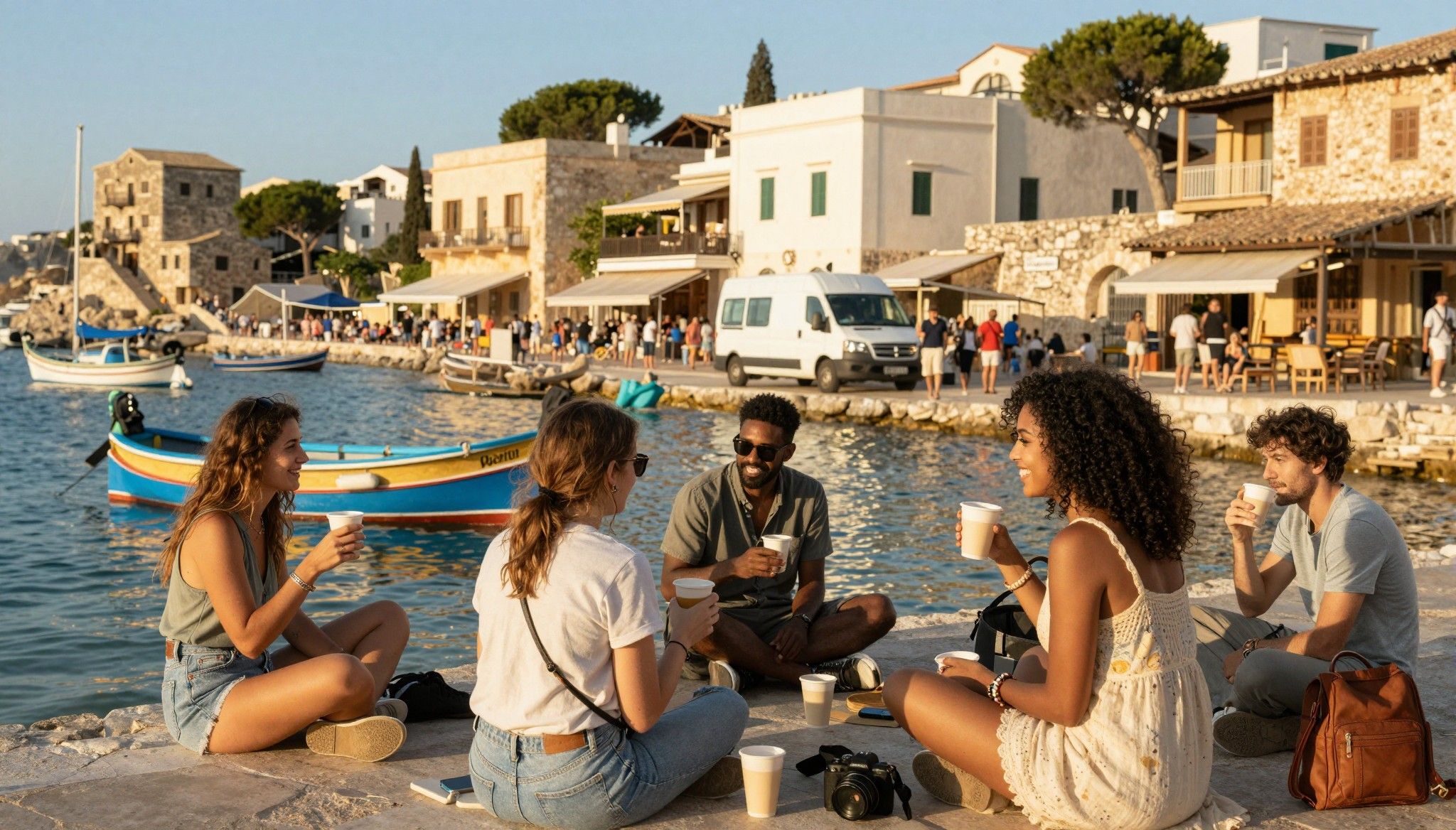
Imagine sipping espresso on Merchants Street in Valletta at 8am, then closing your laptop from a rooftop terrace in Sliema by golden hour. Malta moves at a Mediterranean rhythm: loud market mornings, breezy sea-side afternoons and long evenings that spill into piazzas. For nomads who want sun, community and compact convenience, Malta feels like a village folded into a capital — but property choices here demand local know-how and market awareness.
Living the Malta lifestyle
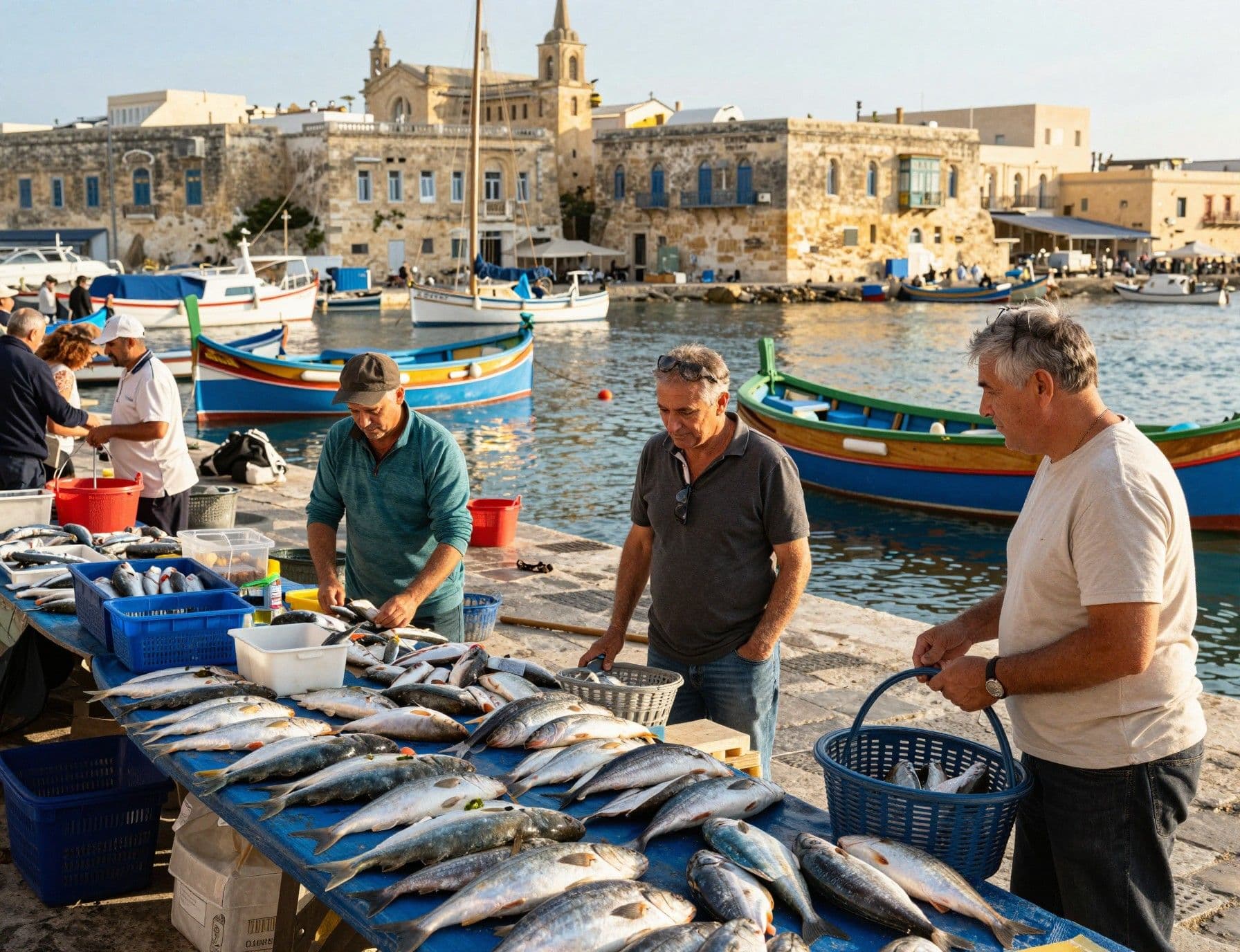
Malta is built for walking, espresso culture and a ‘work-where-you-want’ life. Streets are narrow, sunlight ricochets off limestone façades, and weekends are for beach swims at Għajn Tuffieħa or long lunches in Marsaxlokk. English is an official language, which lowers friction for nomads, but the real charm is how intensely local life mixes with expat enclaves — think local fish markets beside coworking meetups.
Valletta — a UNESCO jewel — is for people who want history on tap. Picture Ottoman‑era balconies, tiny cafés on Strait Street and sunset cocktails over the Grand Harbour. Living here means steep stairs, compact apartments and unmatched cultural access: theatres, museums and festivals at your doorstep. If you crave walkability, café offices and a constant hum, Valletta nails it.
Sliema and St Julian’s are the island’s social engines: modern seafront promenades, coworking hubs, and restaurants that run late. They’re livelier and pricier than inland towns, with better direct ferry links and fast fibre in many buildings. For beach‑and‑bar balance, Pembroke and Balluta Bay offer quieter mornings and easy commutes to central coworking spaces.
Food, markets and local rhythms
Weekends here mean the Marsaxlokk Sunday fish market and long dinners built around local lampuki and gbejniet (Maltese cheese). Coffee culture is serious: cafés in Gzira double as daytime offices. Culture appears in festas (village feasts) where streets fill with music and fireworks — time your visits and viewings to experience the real social calendar.
- Lifestyle highlights: Valletta theatre nights; Marsaxlokk fish market Sundays; Għajn Tuffieħa swims; Sliema promenade morning runs; Strait Street café offices; local festas in summer.
Making the move: practical considerations

The dream is sunny terraces and short commutes; the reality is a tight market with rising prices and specific legal steps. Malta’s Residential Property Price Index has climbed steadily in recent years and transaction volumes remain strong, so timing and local advice matter. Work with agents who understand neighbourhood micro-prices and the paperwork — it will save time and likely money.
Property styles and daily life
Expect limestone townhouses with timber balconies, modern seafront apartments and converted palazzos with thick walls and high ceilings. Terraced houses give outdoor space but need upkeep; new builds offer amenities and easier fibre installation for remote work. Choose by how you live: a small Valletta flat is perfect for evening culture; a Sliema apartment is better if your day needs cafés, coworking and easy ferries.
Working with local experts who know both lifestyle and legal routes matters — especially if you plan to use residency schemes. Malta’s Global Residence and other residence options have property‑related requirements and location classifications that affect eligibility. A good agency will match your lifestyle brief to residency rules, suggest neighbourhoods that qualify, and flag properties that meet minimum standards.
- Steps that blend lifestyle and logistics: 1) List daily non-negotiables (fast fibre, balcony, 30‑minute walk to coworking). 2) Shortlist neighbourhoods by vibe (Valletta, Sliema, Marsaxlokk). 3) Check residency rules for property requirements. 4) Book viewings across times of day to feel daily rhythms. 5) Ask agencies for local service contacts (plumbers, electricians, fibre installers).
Insider knowledge: what expats wish they'd known
Expats often arrive picturing endless sea‑views and low hassle, then discover Malta’s quirks: old buildings need hands-on maintenance, parking is scarce, and short‑lets shape neighbourhood availability. Locals value community ties and seasonal rhythms — integrate by attending a festa or two. Those who succeed treat agency relationships as long‑term: your agent becomes a translator, fixer and social introducer.
Cultural integration and daily social life
Maltese people are warm, direct and fond of rituals — coffee, family dinners and festas. English eases everyday life, but learning a few Maltese phrases opens doors. For friends and work, join coworking meetups in St Julian’s or community groups in Sliema; volunteering at a festa or market stall is an instant introduction to neighbours.
Long‑term lifestyle realities
Over five years, buyers see neighbourhoods evolve — new cafes, coworking spaces and upgraded fibre arrive, but so do higher asking prices. If you plan to stay, factor maintenance, seasonal tourism impacts and community rhythms into your budget. Many expats pivot from investing to living once they understand how lifestyle quality often beats speculative gains in such a compact market.
- Insider tips: Visit at different seasons (festa season vs winter); test internet speeds at midday; ask about previous maintenance and structural works; prefer buildings with clear owners’ associations; check short‑let density if you value quiet.
Practical red flags and how to handle them
Watch for over‑marketing (photos of staged terraces that don’t exist), unclear common‑area ownership, and properties listed without promise‑of‑sale clarity. Always request recent structural reports, confirm permitted uses with the Planning Authority, and get a local lawyer to review contracts. These steps protect both your lifestyle expectations and your wallet.
- Practical steps before signing: 1) Get a local surveyor for structural checks. 2) Confirm fibre/ISP availability and speeds. 3) Verify parking and waste collection schedules. 4) Run the property’s planning history with the Planning Authority. 5) Hire a Maltese solicitor experienced with expat purchases.
Wrapping up: imagine living here — then make it real
Malta sells a lifestyle first: late lunches, fast ferry hops, rooftop sunsets and an easy English‑friendly start. Pair that with careful local research and an agency that knows streets, festas and fibre installers and you’ll turn the dream into a day‑to‑day reality. Start by shortlisting neighbourhoods by vibe, booking viewings across times of day, and asking agents for recent transaction comparables — then let the island decide whether it feels like home.
Norwegian who has helped 200+ families relocate from Oslo to Spain; expert in relocation services and community integration.