Offer Smarter in France: Lifestyle‑First Closing Moves
A lifestyle-first offer strategy for buying in France: match daily rhythms to property type, prepare a decisive dossier, and close with cultural empathy backed by notaire-led checks.

Imagine sipping a café au lait at sunrise on Rue des Martyrs, then closing your laptop on a sunlit balcony overlooking the Seine at golden hour. That contrast — slow, savored mornings and fiercely efficient afternoons — is the rhythm of life in France. For international buyers the dream is obvious: culture on the doorstep and neighbourhoods that keep giving. But turning that dream into a winning offer requires a lifestyle-first strategy that respects local pacing, paperwork and market signals.
Living the France lifestyle — what you actually move into
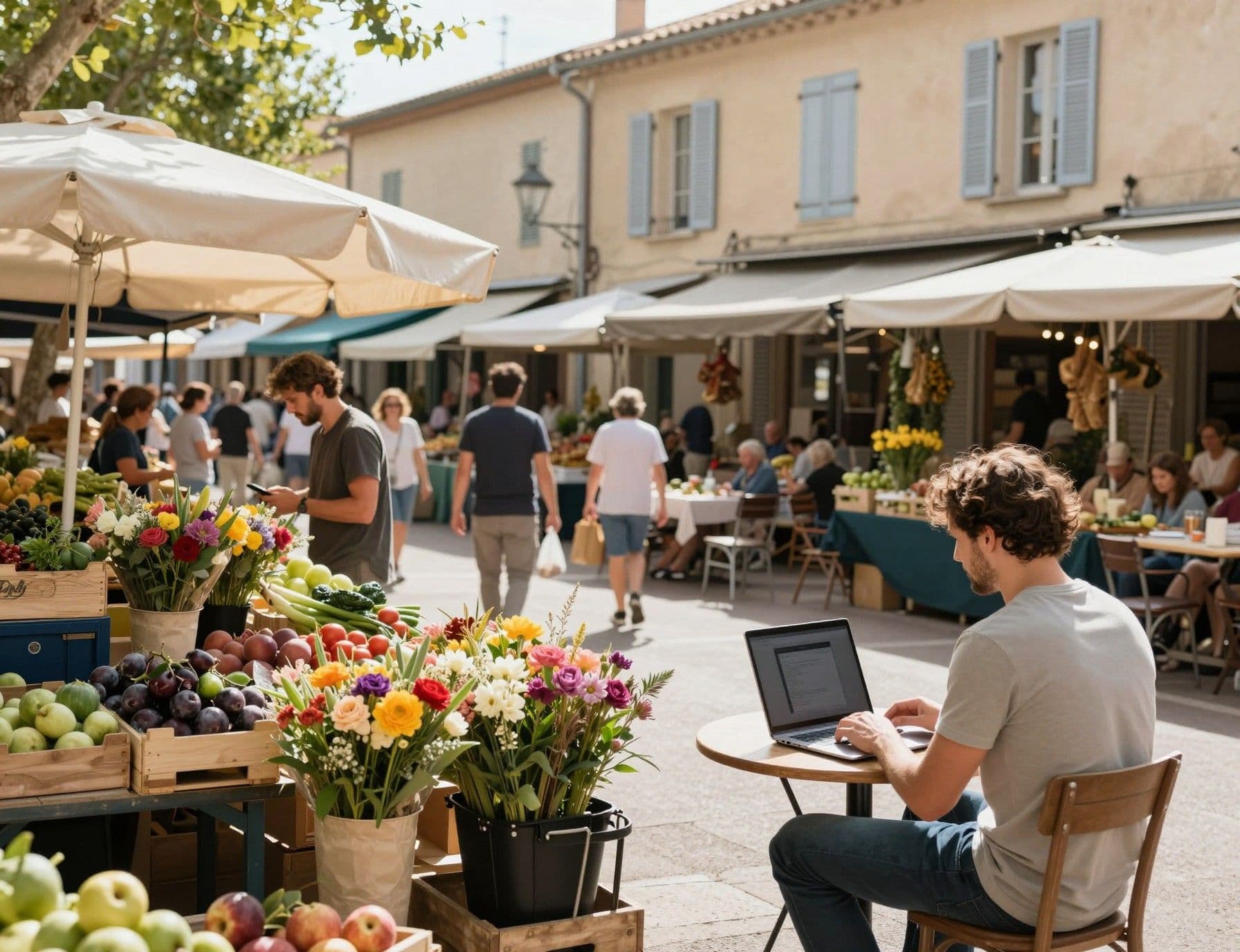
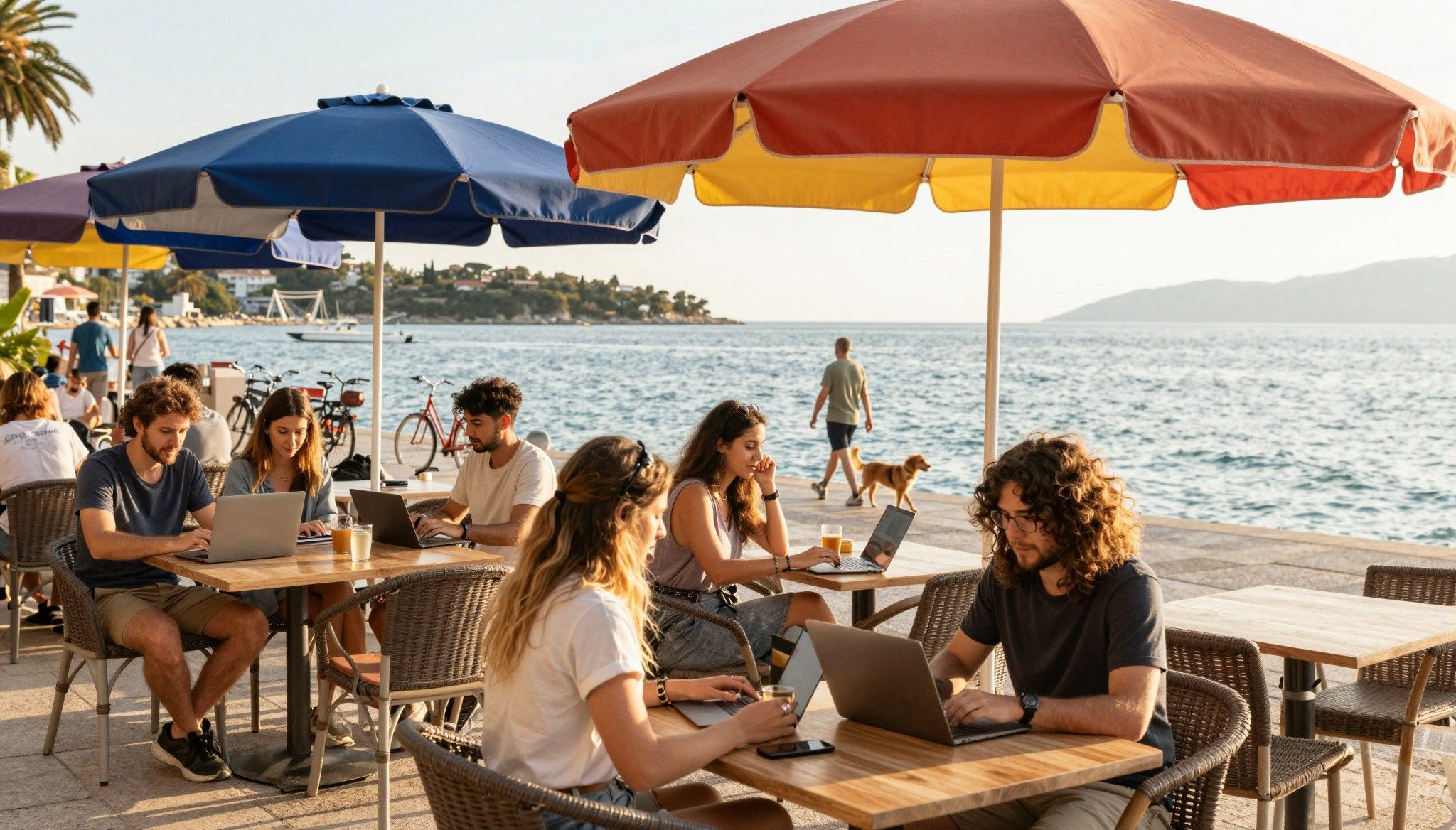
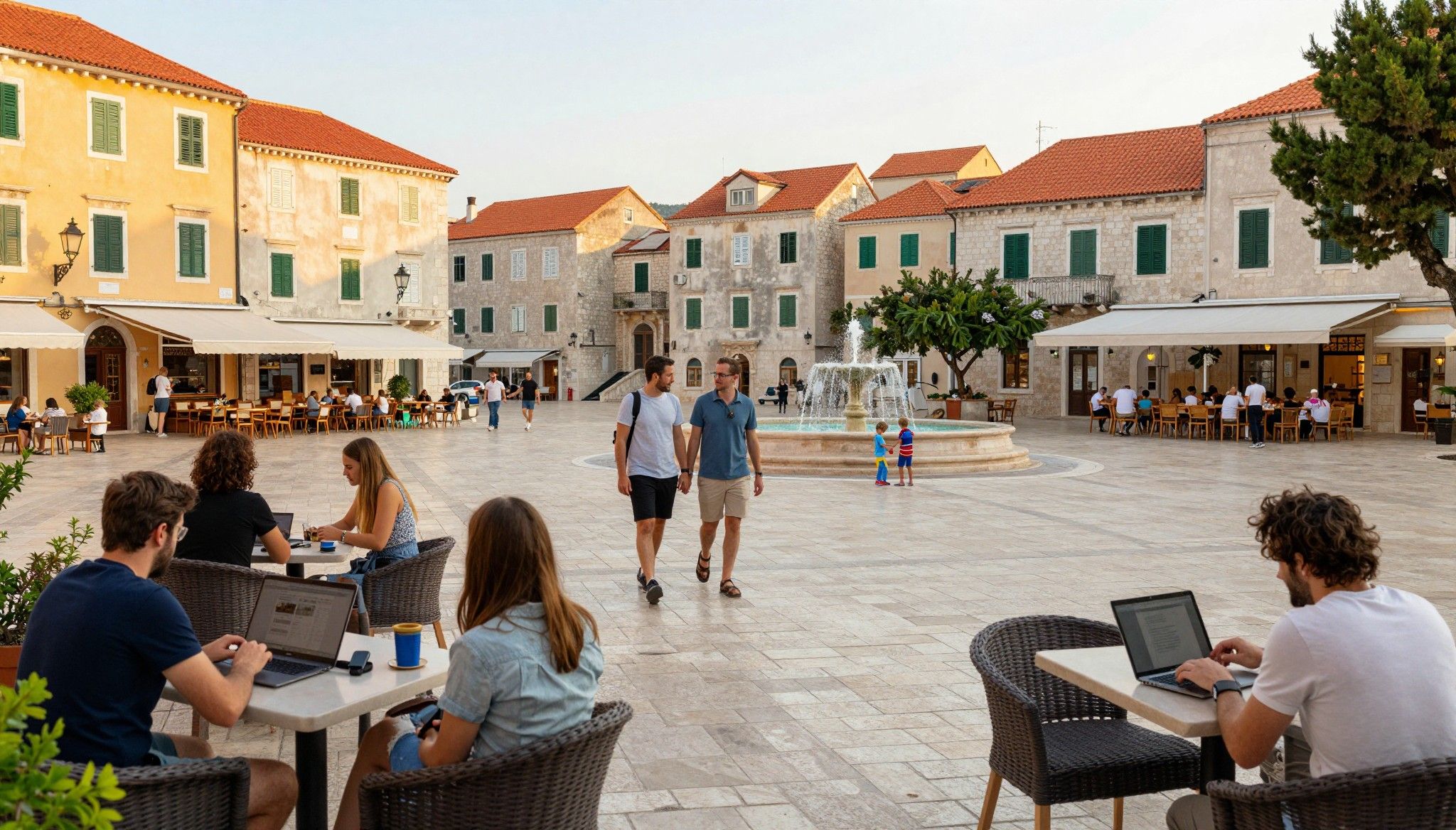
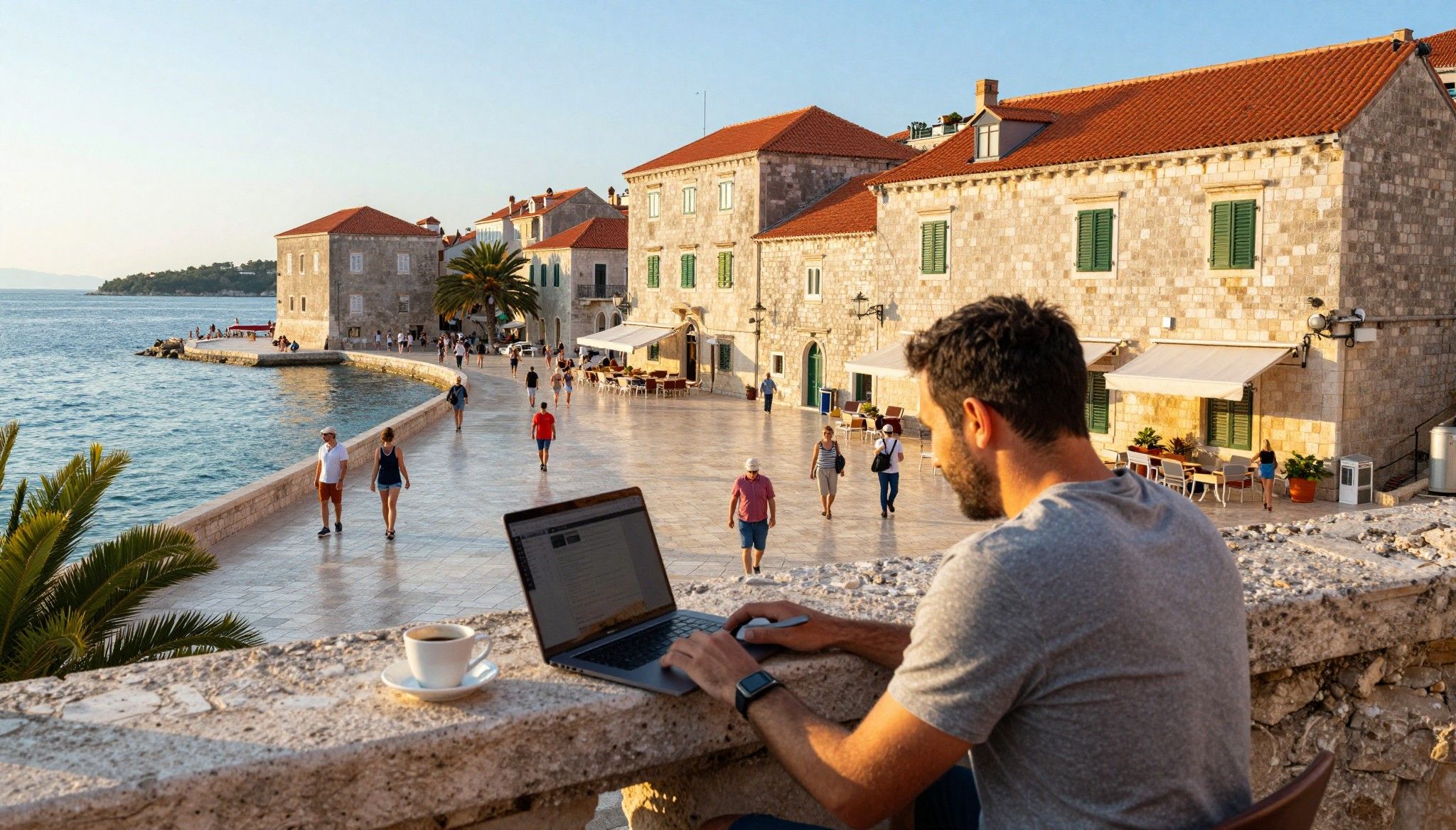
France is many Frances: medieval lanes in Le Marais, slow coastal mornings in Biarritz, Provençal market bustle in Aix-en-Provence, and small-town calm in Brittany. Each place sets your day — boulangeries at dawn, marchés mid-morning, aperitivo-style soirées in the square — and those daily patterns shape what you need from a home. Think about noise at 8am, a sunny terrace for noon siestas, and a reliable fibre line for afternoon calls: lifestyle drives technical must-haves.
Paris: walkable rituals and micro-neighborhood character
Paris rewards curiosity — stroll from Canal Saint‑Martin coffee scenes to the covered passages near Grands Boulevards and you'll meet the city's daily rituals. Neighbourhoods are hyper-specific: Goutte‑d'Or hums with markets and immigrant-owned bakeries, Saint‑Germain hosts long-table lunches and antiquarian shops, and Belleville blends street art with rooftop views. For buyers that means prioritising walkability, morning light and a nearby épicerie over square metres alone.
Coast and countryside: seasons shape life and price
The French coast wears two faces: sun-soaked riviera summers and whisper-quiet winters that reveal true neighbourhoods. In Normandy and Brittany, weekend markets and oyster shacks define life; in Provence, lavender season floods towns with visitors who change rental economics. If you want year‑round community, choose places where locals live off-season — those streets stay alive after tourist tents come down.
- Lifestyle highlights to anchor your search:
- Morning cafés with fast Wi‑Fi (e.g., Café Charlot in Le Marais) so you can work before meetings
- Weekly marché schedules — choose a neighbourhood with at least two markets per week for fresh food and social ties
- Green pockets and bike lanes for weekend escapes — Parc des Buttes‑Chaumont or Canal du Midi access matters
Making the move: how lifestyle shapes offer strategy
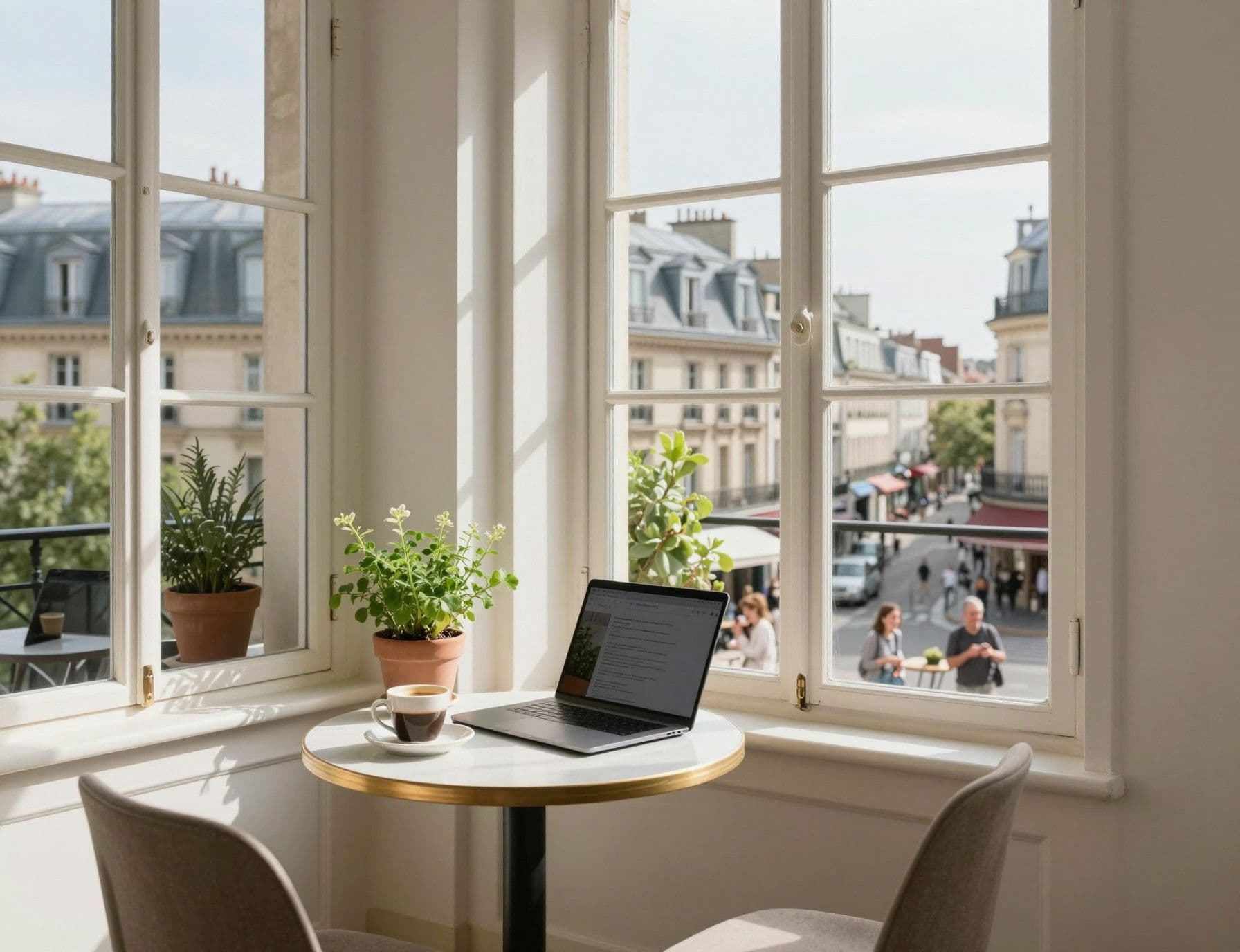
You don't make an offer in France like you do in the U.S. or UK. Offers are concise, often time-limited, and typically channelled through an agent or notaire. That means your offer must communicate certainty and cultural fit: a clean dossier, a realistic timeline, and a clear move-in plan signal you respect local norms — and sellers respond to that clarity.
Property styles and what they mean for daily life
Stone townhouses with attics, Haussmannian flats with tall windows, and Provencal mas each demand different upkeep and offer different rhythms. A Haussmann flat gives morning light and proximity but may have no outdoor space; a mas offers gardens but needs maintenance and insulation work. Match the property type to how you want to live every day, not just the weekend postcard moment.
Work with local experts who speak lifestyle, law and logistics
Hire a local agent who actually uses the neighbourhood cafés and knows the council's renovation rules. Pair them with a bilingual notaire and an accountant for cross-border tax clarity. The right team helps craft offers that sell the lifestyle: a proposed closing date that respects local timelines, contingencies that keep you protected, and a deposit that signals seriousness without overreaching.
- Offer & closing checklist — a lifestyle-first step sequence:
- Prepare a dossier: passport, proof of funds, pre‑approval or bank statement, and a one‑page letter about how you’ll use the home (seasonal rental? primary residence?).
- Make a time‑sensitive, realistic offer: include a clear validity period (7–14 days), a proposed notaire, and a preferred closing window that matches the seller’s timeline.
- Negotiate tangible extras, not just price: request a swift inventory, seller agreement on included fixtures, or a short rent‑back that preserves the lifestyle continuity sellers want.
Insider knowledge: myths, red flags and what expats wish they’d known
Myth: French deals are always slow and bureaucratic. Reality: rules are strict, yes, but decisive buyers who present clean dossiers often close faster than expected. Market data show pricing stabilising and even small rebounds in major cities in late 2025 and early 2026, so timing matters. The real red flags are thin documentation, missing building diagnostics, or sellers who resist a single notaire — these slow closings and erode lifestyle plans.
Cultural quirks that change the offer game
French sellers prize local knowledge. An offer that mentions neighbours, nearby marché days, or a local architect (even casually) reads as empathetic and serious. Language matters: a short French greeting or note attached to your offer humanises you. And remember: small courtesies — punctual viewings, clear communication — tip negotiations in your favour.
Long-term lifestyle checks before you sign
Ask the notaire for recent utility bills, co‑ownership minutes, and renovation permits. Check internet options at the exact address (fibre vs ADSL) and local services like healthcare, schools, and waste collection schedules. These details determine whether the neighbourhood fits day-to-day life or is just a weekend fantasy.
- Common red flags to walk away from:
- Missing diagnostics (amiante, plomb, état des risques) or evasive seller answers about them
- Co‑propriété minutes showing unresolved major works without a clear reserve fund
- Poor internet options for remote work — a charming terrace won’t help if Zoom drops every call
Conclusion: fall in love first, close smart second. Use the sensory map of your ideal day in France to prioritise features in your offer. Build a small, local-savvy team, present a tidy dossier, and let cultural empathy guide negotiation tone. That combination helps you not just buy property in France, but arrive there — laptop open, café steaming, neighborhood greeting you by name.
Dutch investment strategist guiding buyers to Greece and Spain; practical financing, tax, and portfolio diversification.