Why Malta’s Compact Size Is Your Buying Advantage
Malta’s small scale is an advantage: discover neighborhood micro-lifestyles, permit rules for non-residents, and season-savvy buying tips backed by NSO market trends.
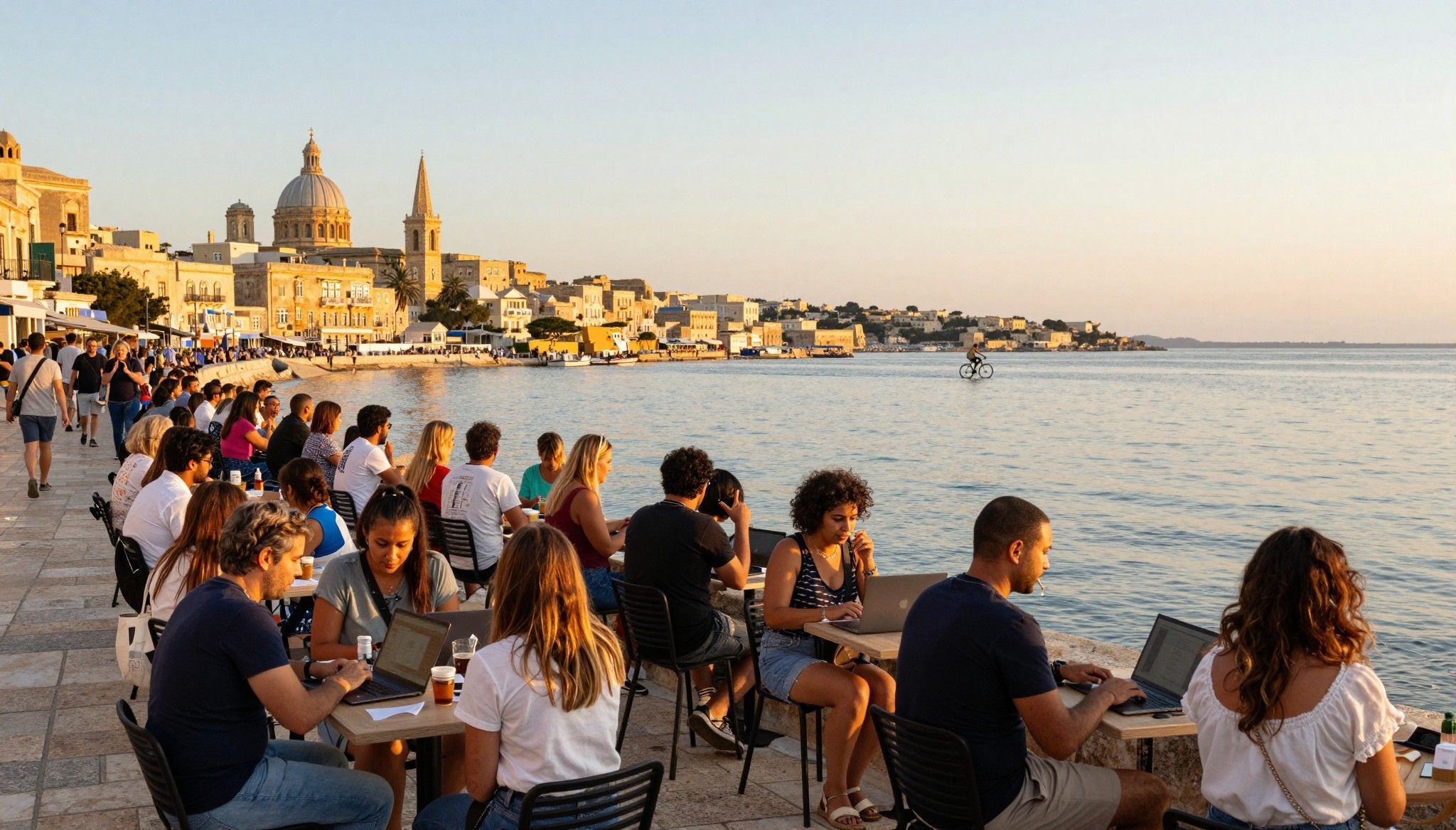
Imagine finishing a work call, stepping out onto a limestone balcony, and choosing between a seaside promenade walk in Sliema or an espresso in a narrow Valletta piazza — all within a 20–30 minute drive. That compactness is Malta's secret: everything feels close, lived-in and immediate. For international buyers who want Mediterranean sun with efficient daily rhythms, Malta’s size is less a limit and more an advantage. Recent NSO data shows steady price growth and a dense rental market, but those numbers hide micro-opportunities for lifestyle-minded buyers. (Links below explain the market rules and buying permits.)
Living the Malta lifestyle
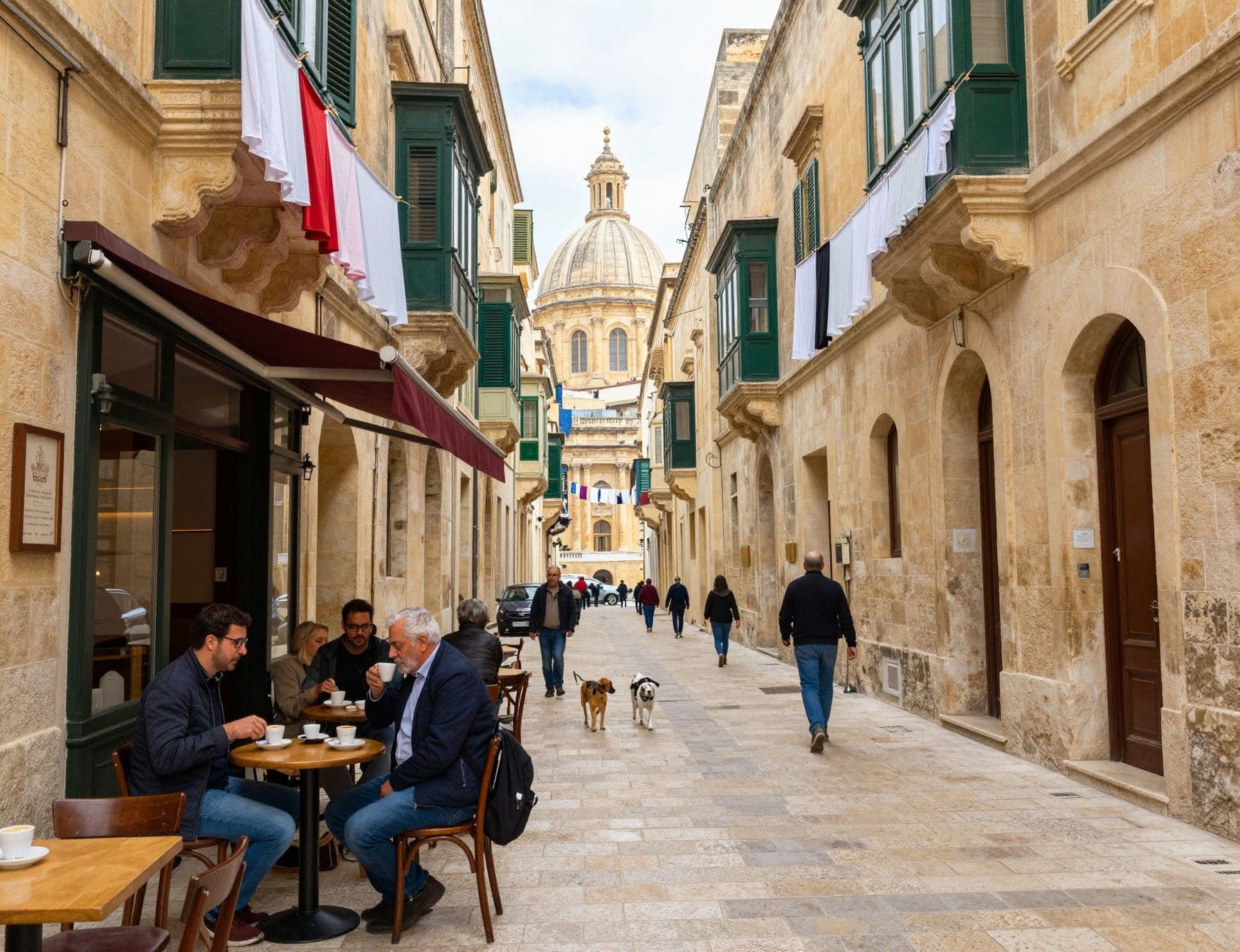
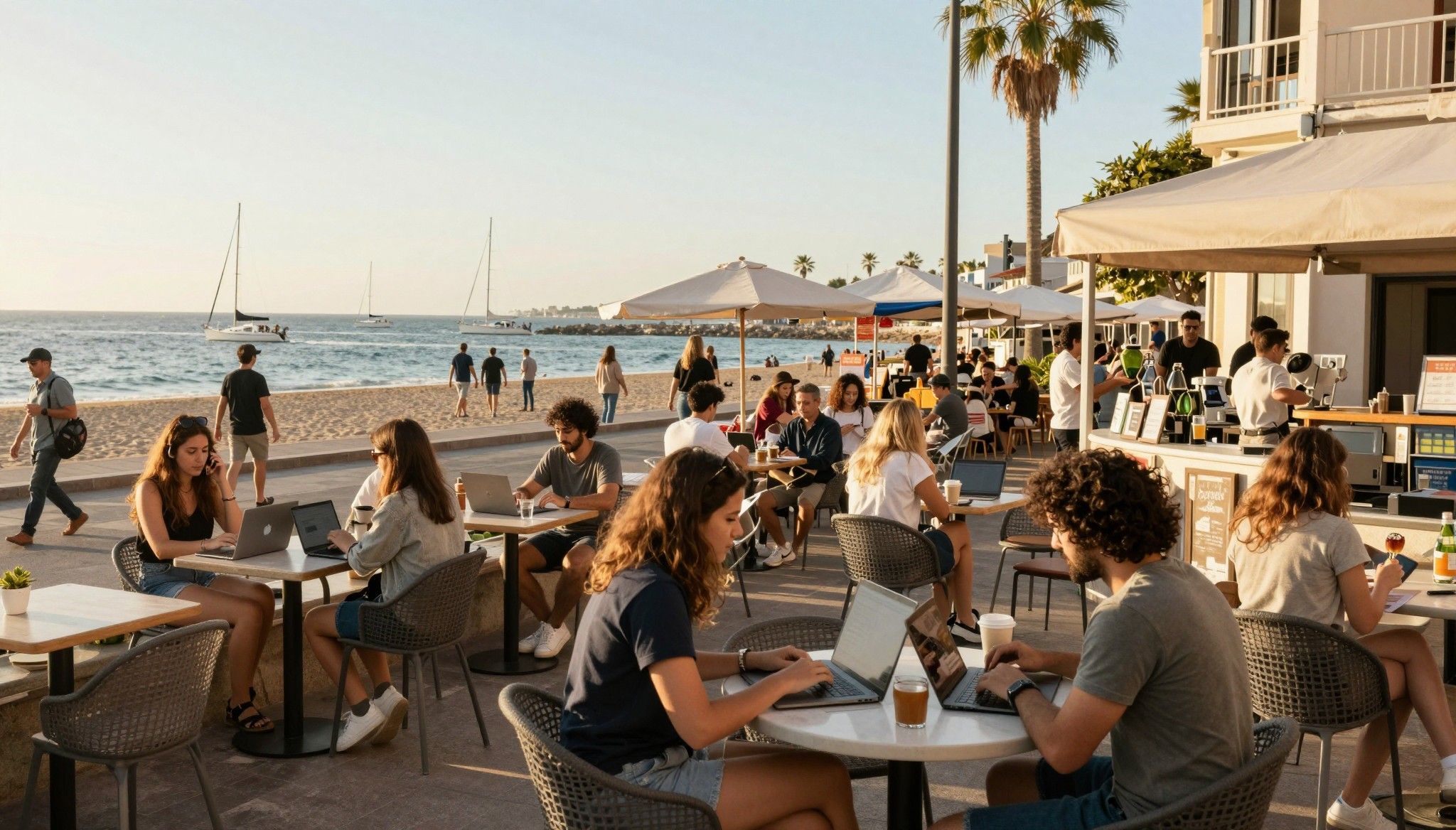
Start your day with a stroll along Sliema’s seafront, grab a slow espresso at Caffe Berry or Fontanella in nearby Mdina for panoramic views, and end it with a rooftop sundowner in St Julian’s. The island’s rhythm mixes seaside leisure, centuries-old streets, and a buzzing small-city nightlife. English is widely spoken, so everyday life — from bank queues to local meetups — happens without language friction for many expats.
Neighborhood spotlight — Valletta, Sliema & St Julian’s
Valletta: baroque streets, tiny cafés, UNESCO-protected corners and cultural institutions — great for history lovers who want a high-walkability, low-commute life. Sliema: the expatriate hub with a long promenade, ferries, and a sea-view apartment market that’s excellent for renting short-term. St Julian’s: nightlife, coworking-friendly cafés and international restaurants; pick neighborhoods like Paceville for social life or Spinola Bay for calmer evenings. Each area carries distinct vibes — Valletta for days, Sliema for balance, St Julian’s for nights.
Food, markets and the weekend ritual
Weekends are full of fish markets (Marsaxlokk), family lunches with rabbit stew (fenek) and late-afternoon gelato on Balluta Bay. Outdoor life dominates: sea-swims in St Peter’s Pool, cliff walks in Dingli, and sunset aperitifs at Sliema’s seafront. These rituals shape where you’ll want to live — proximity to a favorite caffè or bay often beats square meters when deciding a neighborhood.
- Lifestyle highlights to scout during visits:
- Morning espresso in Valletta’s Strait Street; co-working drop-in at Grand Central Valletta; sunset walk on Sliema promenade; Sunday fish-lunch in Marsaxlokk; a swim at Għajn Tuffieħa or Golden Bay for weekend escape.
Making the move: lifestyle meets property reality
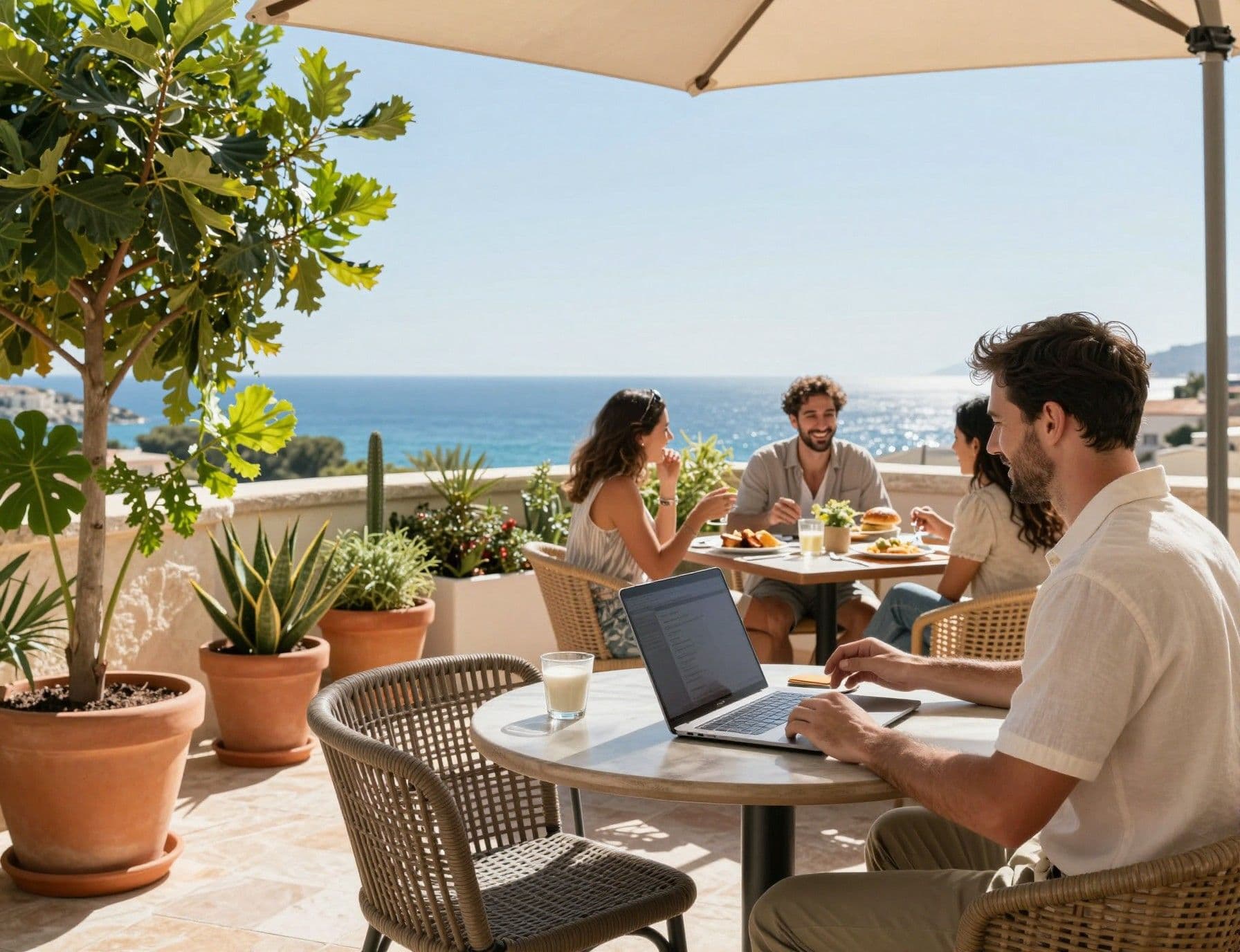
Your dream terrace or sea-view pied-à-terre needs to pass practical checks. Malta’s property market is compact and competitive: prices have risen steadily (NSO figures cited by market analysts show annual increases of around 4–6% in recent years), and non-resident buyers may require AIP permits in many cases. That means you should pair lifestyle scouting with early legal advice — especially on permit needs and planning constraints — so you don’t fall in love with a place you can’t buy.
Property styles and how they shape daily life
Choose a converted townhouse in Mdina or Valletta if you love stone, vaulted ceilings and walkability, but expect smaller rooms and renovation needs. Modern apartments in Sliema and Gżira deliver sea-views, lifts and easier remote-work setups (room for a desk, fast internet), while newer developments in smart suburbs offer larger terraces and parking. Think: do you want character at the cost of renovation time, or turnkey modern convenience closer to coworking hubs?
Work-with-local-experts: why lifestyle-savvy agents matter
An agent who knows which street has the neighborhood café you’ll love — and which building has constant damp issues — is worth their weight in euros. Look for brokers who specialise in the area’s lifestyle: Valletta restoration specialists, Sliema seafront listings, or St Julian’s short-let portfolios. They’ll advise on internet providers, typical renovation pitfalls, and which blocks attract long-term tenants versus holidaymakers.
- Steps to blend lifestyle and purchase practicality:
- 1) Visit in different seasons — check winter light, summer crowds and noise. 2) Request utility/internet speed checks and ask neighbors about connectivity. 3) Confirm AIP/permit needs early with a local lawyer. 4) Compare renovation costs for historic vs modern units. 5) Speak to local expats about school options, healthcare access and social life.
Insider knowledge: what expats wish they’d known
Real talk: Malta is social and compact, so noise, building renovations and tourism seasonality matter. Summer brings vibrancy — and crowds. Winter brings calm, and it’s when bargains and quieter renovation windows appear. Digital nomads love Malta for its coworking density (Valletta, Sliema, St Julian’s) and English ease-of-life, but many underestimate vehicle scarcity and parking frustrations in older neighborhoods.
Cultural integration & daily rhythms
Maltese hospitality makes it easy to form local friendships — join a festa, a language exchange, or a co-working meetup. Expect close-knit neighborhoods where shopkeepers remember names and community councils remain active. Learning a few Maltese phrases is appreciated but not required; English handles most official and social interactions.
Long-term considerations: sustainability and resale
Think beyond the first five years: areas near international schools and business clusters (Sliema/Gżira/St Julian’s) generally hold value well. Consider energy upgrades — Malta’s climate makes cooling costs significant — and check building maintenance funds in apartment blocks. If you intend to rent, research local short-let regulations and demand seasonality.
- Red flags to watch for during viewings:
- Consistent damp or salt-stained walls; missing Title Deeds or unclear ownership; unusually low condo fees that indicate deferred maintenance; proximity to busy nightlife streets if you value quiet; advertised “sea-view” that’s blocked by new development plans.
Conclusion — how to turn love into a confident purchase: fall in love with the daily life first, then lock down the practicals. Spend time in the neighborhoods at different hours, get a local lawyer to confirm permit requirements (AIP if needed), and partner with a lifestyle-savvy agent who understands internet, coworking access and renovation realities. Malta’s compactness gives you more weekend adventures for less time in the car — use that to test whether the neighborhood fits the life you want. Ready to explore options? Start by mapping your work-day (wifi, desk, café) and your weekend (beach, market, walk) — then ask agencies for properties that match both maps.
Danish investor and relocation advisor focusing on Portugal and the Algarve; loves coworking culture and expat networks.