Croatia: Budget Myths, Real Costs & the Lifestyle Payoff
Fall in love with Croatian mornings while budgeting smart: include transfer tax vs VAT, internet, maintenance and a renovation buffer to buy confidently.

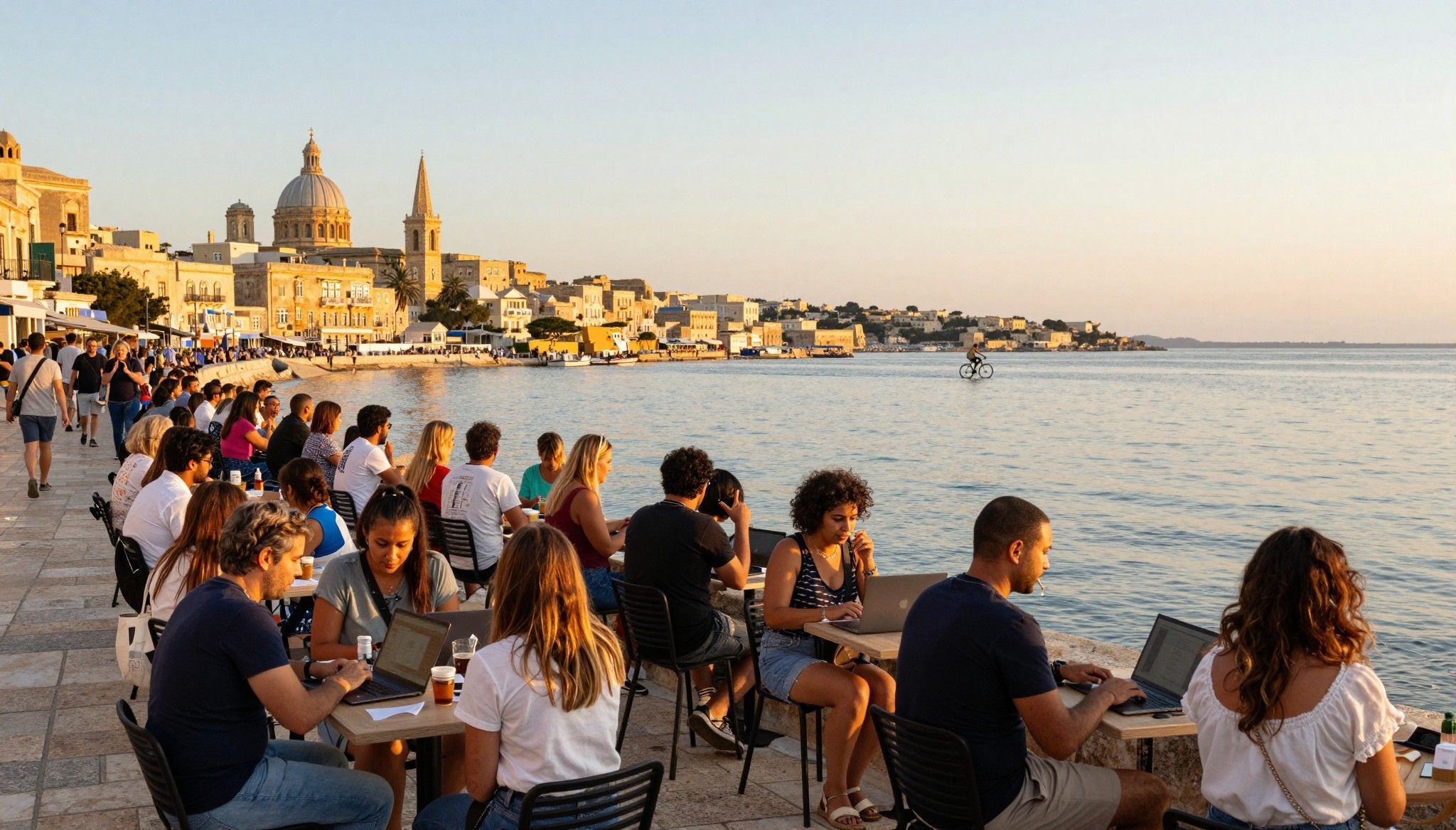
Imagine starting your day with an espresso on Split’s Riva, then opening your laptop in a sunlit apartment where the sea is your background noise. That image is what draws many of us to Croatia: medieval streets, island ferries, kafanas brimming with conversation and an easy rhythm to life. But falling in love with a place and budgeting for it are two different things. This guide blends the sensory pull of Croatian life with real budgeting clarity so you can buy with confidence and still live the dream.
Living the Croatia lifestyle
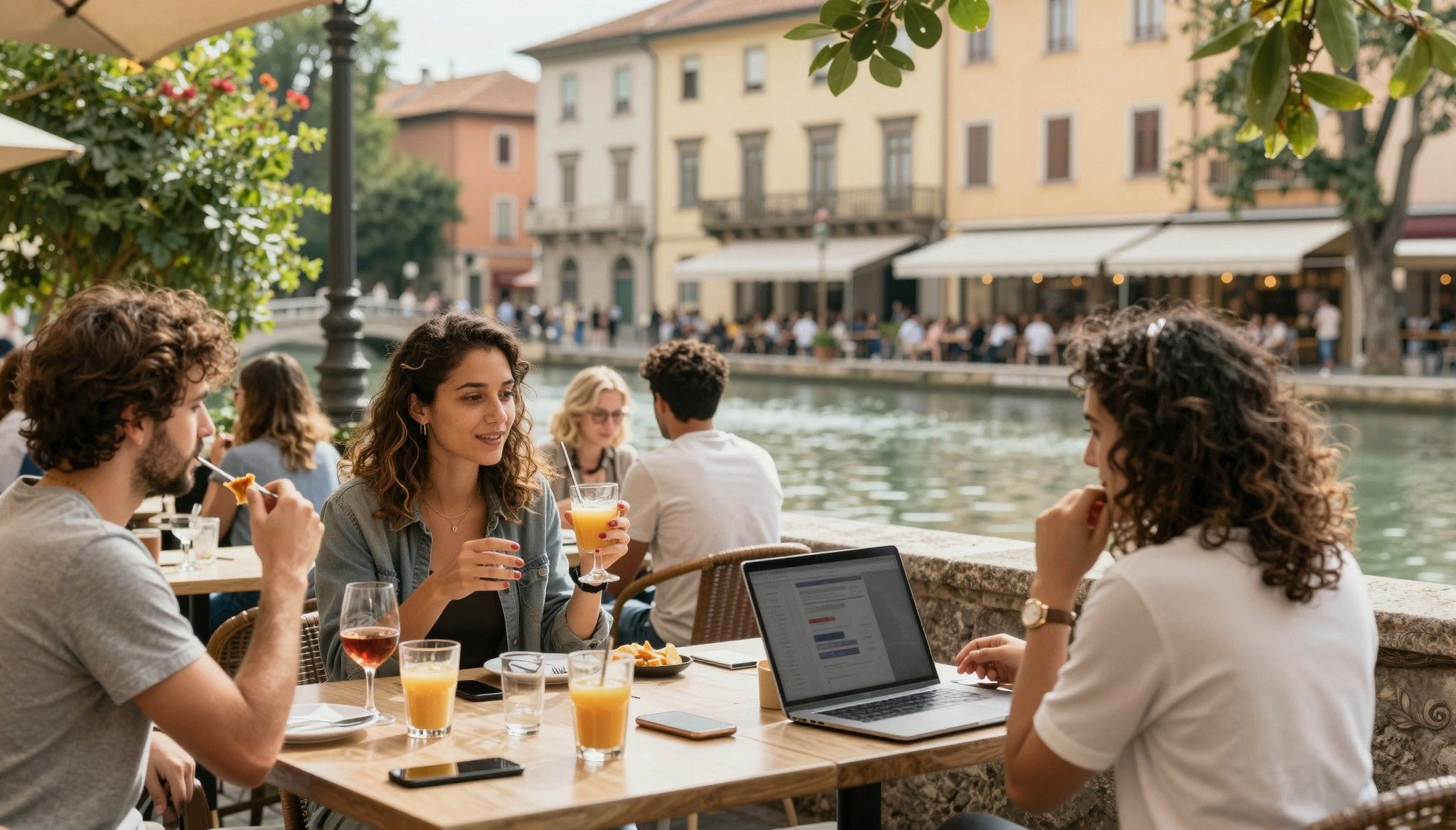
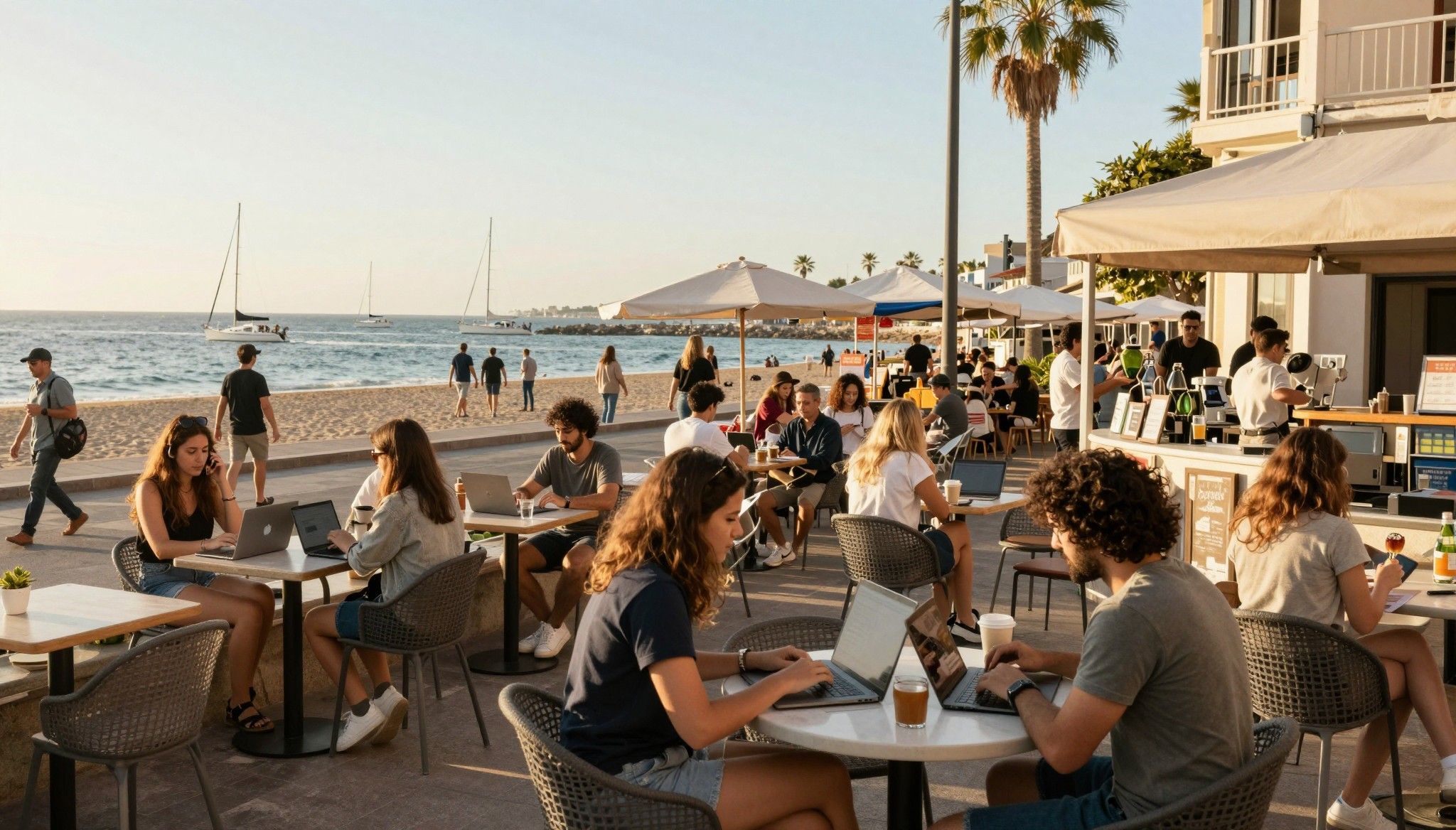
Croatia moves at a Mediterranean tempo—bright mornings at bakeries, afternoon dips at pebbly beaches, evenings stretched over slow meals. Cities like Zagreb hum with cafes, coworking spaces and tram-lined streets; the Dalmatian coast rewards you with island-hopping weekends and late-night konobas; Istria feels like Italy and the Kvarner Gulf hides small towns where everyone knows your name. For nomads, the appeal is practical as well as poetic: reliable cafes with strong espresso, improving fiber in city centers, and a growing network of expat meetups that make integration easy. Knowing where you’ll spend mornings, work hours and weekends will shape every line of your budget.
Zagreb, Split, Dubrovnik — three very different mornings
Zagreb is a four-season city with leafy neighborhoods like Maksimir and the hipster pockets of Tkalčićeva, perfect for year-round remote work and stable rental markets. Split’s Old Town and neighborhoods like Varoš put you a short walk from cafes and the ferry terminal, but expect tourist-season noise and seasonal price spikes. Dubrovnik’s walls are cinematic, but living inside or adjacent to the Old Town is pricier and more tourist-driven; neighborhoods like Lapad give a quieter, more residential option. Match the town to your rhythm—Zagreb for winter productivity, the Dalmatian coast for summer life—and your budget will follow more predictably.
Food, markets and weekend rituals
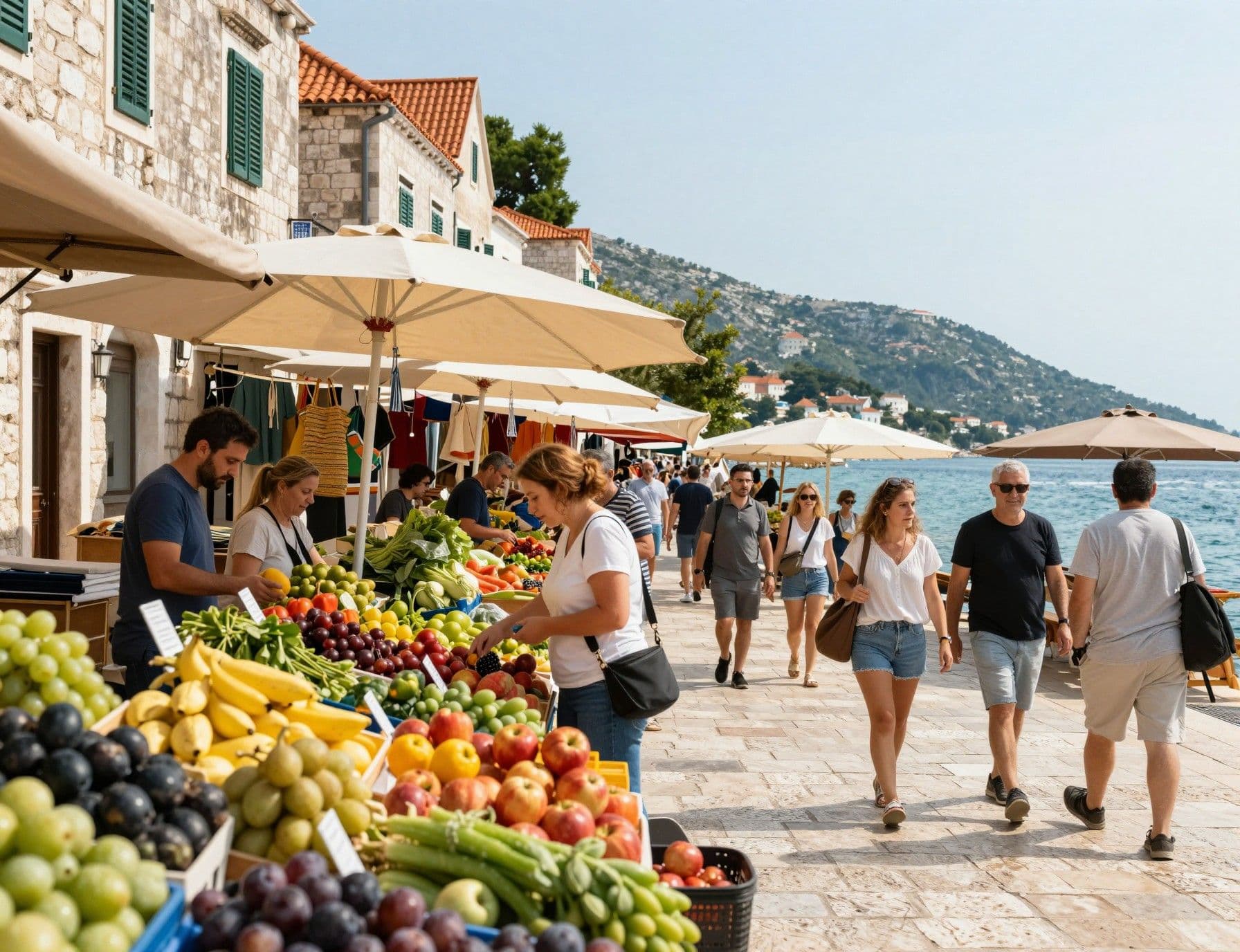
Markets are a heartbeat here: Dolac in Zagreb, Pazar in Split, and lively island markets where fishermen sell the morning catch. Weekends are for family feasts, truffle hunts in Istria, and coastal hikes followed by grilled fish and local wine. For a nomad, that means your grocery budget can stay modest if you learn the market rhythm, while dining out becomes a social investment — and a key to feeling local fast. Factor seasonal produce, island ferry costs and tourist-season prices into your food and transport line items.
Making the move: practical considerations

Dreams meet numbers here. Croatia’s housing market has seen strong growth in recent years, driven by coastal demand and rising interest from EU and non‑EU buyers alike. Expect to include transfer taxes, possible VAT on new builds, notary fees and agent costs in your budget. Official sources confirm the standard real estate transfer tax sits at 3%, while new-build purchases from VAT-registered developers often include 25% VAT instead of the transfer tax—this can dramatically change your upfront cost if you choose a brand-new apartment. Plan for these contingencies from day one so your lifestyle choices don’t blow the math.
Property types and how they shape monthly life
Stone houses on islands come with charm—and insulation quirks. New-build apartments in cities often have modern heating, elevators and guaranteed fiber, which matters for winter comfort and reliable work hours. If you value a balcony workspace, look for properties with shade and AC; if you dream of a rustic Istrian villa, budget for renovation and recurring maintenance. Think beyond the purchase price: utilities, building maintenance, seasonal cleaning, and internet upgrades are monthly realities that define whether a place is livable for remote work year-round.
Steps to budget realistically (numbered)
1) Start with price + 6–8% for resale or ~27–29% for new builds (VAT can push costs higher). 2) Verify transfer tax vs VAT with your lawyer or agent before signing. 3) Get a local utility and internet estimate—fiber is common in cities; islands may need higher mobile data costs. 4) Build a 10–15% renovation/contingency fund for older stone properties. 5) Factor annual costs: property tax, insurance, and maintenance. 6) Convert all estimates into your home currency and include a buffer for exchange-rate swings.
Insider knowledge: expat truths and budget surprises
Here are the things expats wish they’d known before signing on the dotted line. Tourist-season rents and prices spike in coastal hotspots—so the 'perfect apartment with a sea view' often costs more in both purchase price and living hassle. Many buyers are surprised by transaction timing; registry checks, municipal approvals and notary bookings can stretch your closing timeline by weeks. Also, Croatia’s digital nomad visa and improving internet infrastructure make living here practical, but confirm speeds and backup connectivity if you rely on stable uplinks for work.
Cultural nuances that affect budgets
Croatians value relationships; a trusted local agent, notary and builder can save you money and headaches. Expect to pay slightly higher rates for trusted tradespeople during summer when demand surges. Language barriers exist, but many agents and younger professionals speak English; still, budget for translation or legal counsel when reviewing contracts. Finally, community integration—joining local clubs, markets, or church events—won’t cost much but will pay dividends in lived experience and practical advice from neighbors.
Budgeting checklist (bullet points)
Local transfer tax (3%) or VAT on new builds (25%).
Notary and registration fees — usually modest but must be scheduled.
Agent commissions and possible broker fees — agree rates in writing.
Renovation, seasonal maintenance, and island ferry costs if applicable.
Monthly living costs: utilities, internet upgrades, waste, and local taxes.
Working with local experts without losing control
Hire a Croatian lawyer early. They’ll confirm whether VAT or transfer tax applies, run land-registry checks, and advise on permissions if you’re non‑EU. Use agents who know neighborhoods (ask for listings in Maksimir, Varoš, Lapad, or Rovinj depending on your vibe) and who can show you comparative monthly costs, not just price per square meter. Ask for spreadsheets: total purchase price, taxes, fees, and a three-year living-cost projection. Transparency is your budget’s best ally.
Long-term thinking: resale, rental potential and lifestyle durability
If you plan to rent when you travel, coastal properties perform well in high season but expect vacancy in winter unless marketed for off-season stays. City apartments near coworking hubs retain value for nomads seeking flexibility. Think of purchase decisions as lifestyle commitments: do you want low-maintenance living or a project that deepens your connection to place? Your financing and contingency budget should reflect that choice—projects require more cash, but they can return unique lifestyle dividends.
Croatia is a place you fall for slowly: a market stroll, a friendly kafana owner, a sunset from your new balcony. Budgeting well doesn’t make you less romantic—it makes your stay sustainable and joyful. Start with honest numbers (price + tax + 10–15% contingency), confirm internet and utilities, hire local legal help, and choose neighborhoods that match your daily life. When those boxes are checked, you’re not just buying property—you’re buying mornings, a local circle, and a new way to live.
Norwegian who has helped 200+ families relocate from Oslo to Spain; expert in relocation services and community integration.