Euro, Banks & French Mortgages: Counterintuitive Moves
Practical, lifestyle-first finance moves for buying property in France—how banks, mortgages and currency choices unlock the everyday life you want.
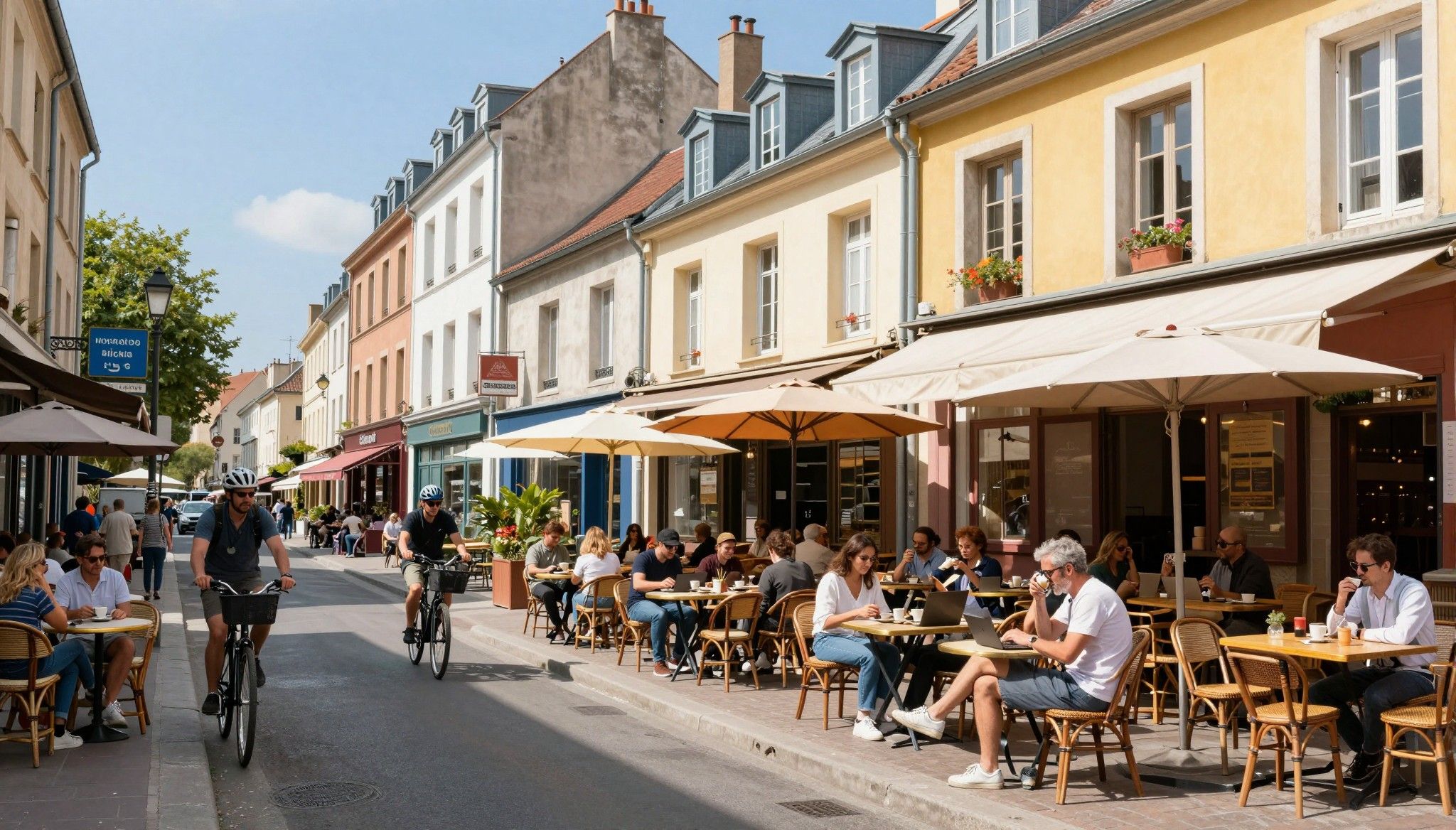
Imagine opening your apartment window in Lyon to the smell of fresh bread from the boulangerie below, then walking five minutes to a café with perfect Wi‑Fi where you work for a few hours before heading to a weekend marché. That slow, sensory rhythm—coffee, markets, architecture, small public squares—explains why people fall for France. But lifestyle and money are joined at the hip: the right bank move, mortgage tactic or currency play can turn a dreamy French life into an affordable one. This guide mixes neighborhood color with financing strategies that international buyers actually use when buying in France.
Living the France life — streets, smells, seasons
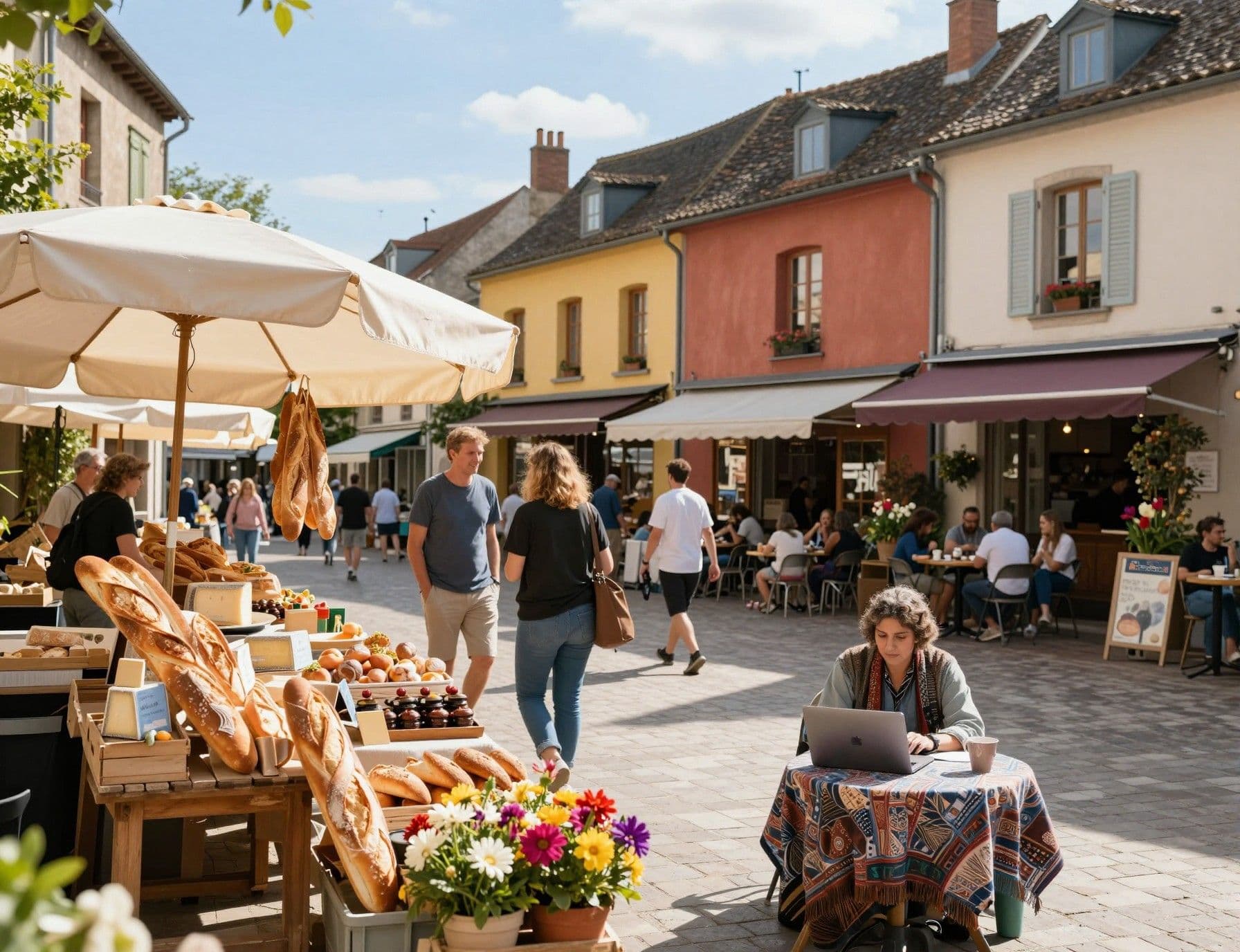
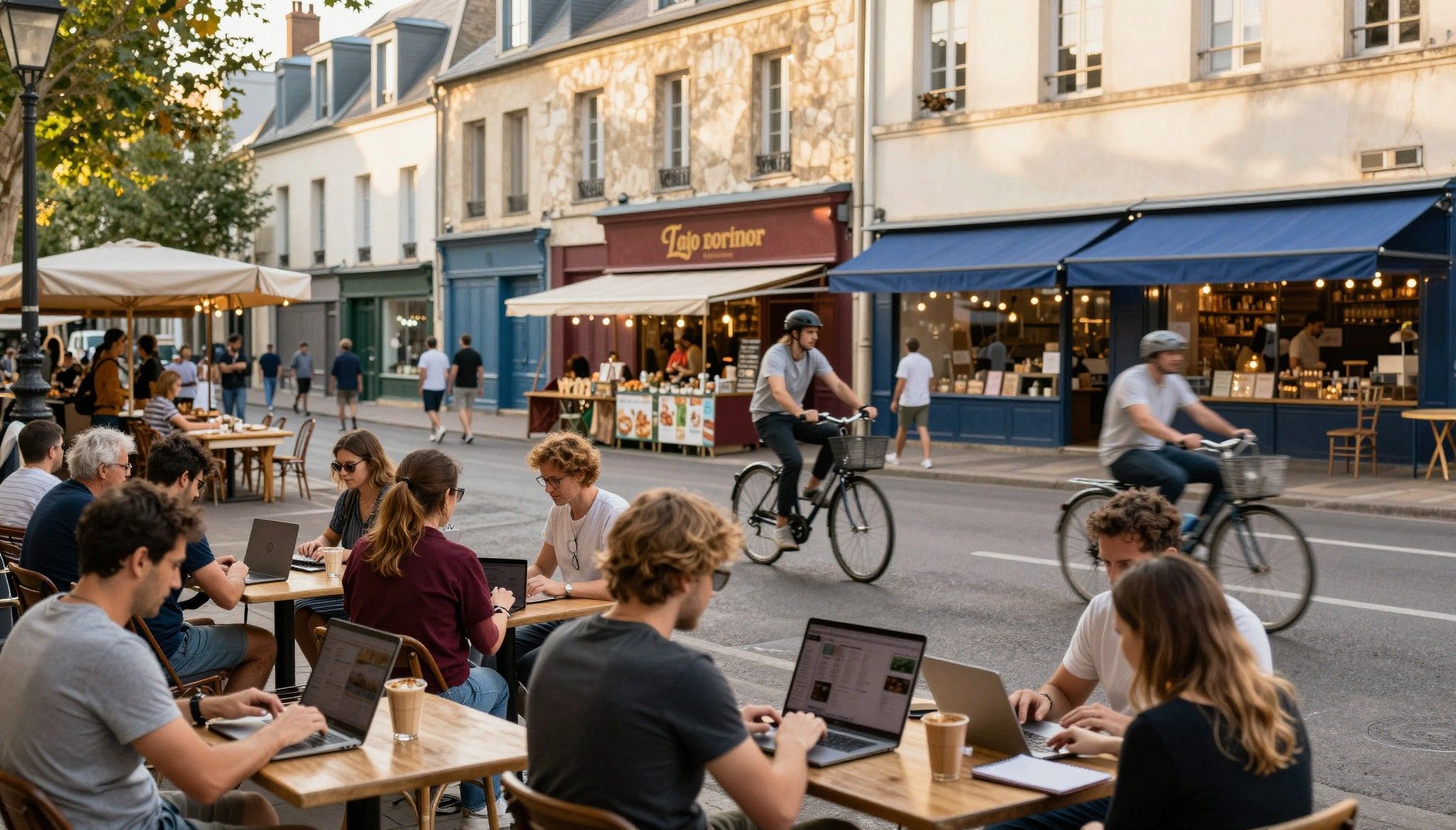
France is not one mood. Parisian mornings hum with metro announcements and espresso shots; coastal towns like Biarritz smell of surf and salted butter; the Luberon tastes of lavender and market cherries. For nomads, that means choices: cobbled historic centers with tiny windows and character, or light-filled suburban apartments with coworking nearby. Picture working from a terrace in Bordeaux and finishing the day with a stroll by the river—that everyday scene shapes what property features matter to you: reliable fibre, a quiet workspace, and storage for local groceries.
Neighborhood spotlight: Paris 10ème to Marseille Le Panier
Walk the 10ème in Paris and you’ll find micro‑cafés, bike lanes and a mix of start‑ups and artisans—perfect for nomads who want cafés with sockets and late‑night bodegas. Contrast that with Le Panier in Marseille: steep alleys, sea air and a village energy that makes evening aperitifs an everyday ritual. These differences aren't just romantic—each street affects resale, rental potential and the type of mortgage local banks prefer to underwrite. Agencies that know the micro‑rhythms of a quartier will match your work‑life rhythm to the building type.
Food, markets and the property tradeoff
Morning markets influence how you live: needing a kitchen and storage may push you to choose larger apartments outside the strictest historic centers. Coastal towns with seasonal tourists offer lively summers but quieter winters—great for work focus off‑season, but consider maintenance and short‑term rental rules. If you love a garden for weekend picnics in Provence, expect different wiring and renovation needs than an inner‑city flat. These lifestyle choices directly influence mortgage size, renovation budgets and currency exposure when transferring funds.
Making the move: practical financing that respects the lifestyle
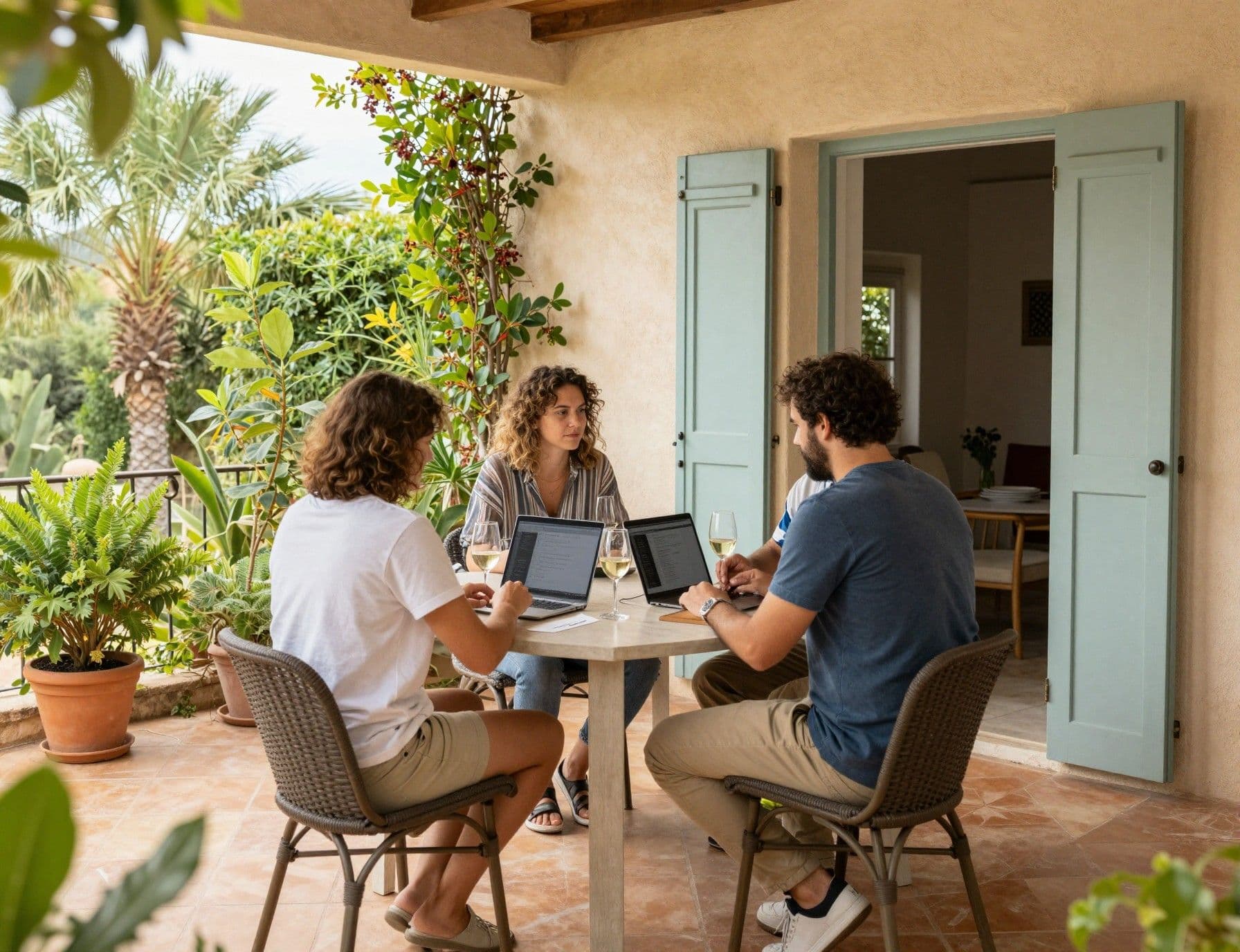
Dreams come first; the financing plan follows. French banks are conservative: they often cap borrower debt ratios at around 35% and expect documentation that proves steady income. Non‑residents can and do get mortgages, but mortgage‑to‑value (LTV) limits and required guarantees differ by bank. Before you fall for a sea‑view, line up realistic pre‑approval and a currency transfer plan—this keeps a renovation‑ready cottage from becoming a cashflow trainwreck.
Property styles and how they shape financing
A 17th‑century mews house needs different underwriting than a modern flat with elevator and fibre. Notaires' data shows regional price shifts—Paris remains pricey while many western and southern cities have seen renewed interest. For older buildings you should budget for surveys and structural contingencies; lenders may ask for higher collateral or lower LTVs on properties with major renovation needs. That means pairing your dream neighborhood with a mortgage product suited to renovation timelines and contingency reserves.
How local experts help you move with confidence
1) Local mortgage brokers: they shop French banks and present offers in FISE format so you compare apples to apples. 2) A French notaire: required for closing, they ensure title, taxes and pre‑emptive rights are checked. 3) A bilingual property manager: invaluable if you plan to rent when away—helps estimate net yields after taxe foncière and upkeep. 4) Currency specialist or international bank: saves thousands on large transfers and can set up scheduled payments for mortgage instalments.
Insider knowledge: contrarian moves that save money and stress
Here’s where readers usually blink: buying in France rarely requires perfect French, but it does reward local thinking. Contrarian move: avoid hunting only in summer—many sellers want to close before winter and you can negotiate harder in autumn. Another surprise: some regional banks offer better LTVs to buyers who can show foreign income if they open a local euro account—so opening a French account early is a practical lifestyle and financing step. And finally: timing currency transfers around predictable rate windows (not last‑minute panic) cuts thousands.
Practical red flags and how to handle them
• Missing diagnostics: insist on all diagnostics (amiante, plomb, termite, performance énergétique). • Vague renovation quotes: get three detailed bids and ask banks how they treat post‑purchase renovation loans. • Short‑term rental restrictions: check local mairie rules before budgeting rental income. • Exchange rate panic: use forward contracts or staged transfers to avoid spot volatility. • Overly rosy yield projections: ask for net yield after taxe foncière, syndic fees and seasonal vacancy.
Step-by-step next moves for the nomad buyer
1) Visit and live like a local for a week—work from cafés and test internet. 2) Open a euro account and speak with two mortgage brokers to get pre‑approval ranges. 3) Run a renovation and contingency budget (10–20% for older properties). 4) Lock a currency transfer plan for the deposit (use limit or forward orders). 5) Reserve a notaire early and request seller diagnostics before signing a promesse de vente.
Buying in France is more than paperwork—it's choosing the rhythm of your days: market mornings, bike rides, evening conversations. Finance and banking are the tools that let you live that rhythm without surprises. Pair lifestyle choices with the right local experts, protect yourself from currency and renovation shocks, and you'll not only buy a property—you'll buy into a new everyday. Ready to fall in love with a neighborhood and plan the money moves that make it real? Start with a local pre‑approval and one week living on the street you want to call home.
Dutch investment strategist guiding buyers to Greece and Spain; practical financing, tax, and portfolio diversification.