Malta’s Neighbourhoods: Seaside Rhythm, Micro‑Market Reality
Fall in love with Malta’s seaside rhythms, then pick the right micro‑market: practical tips, market data and neighbourhood secrets for nomads and families.
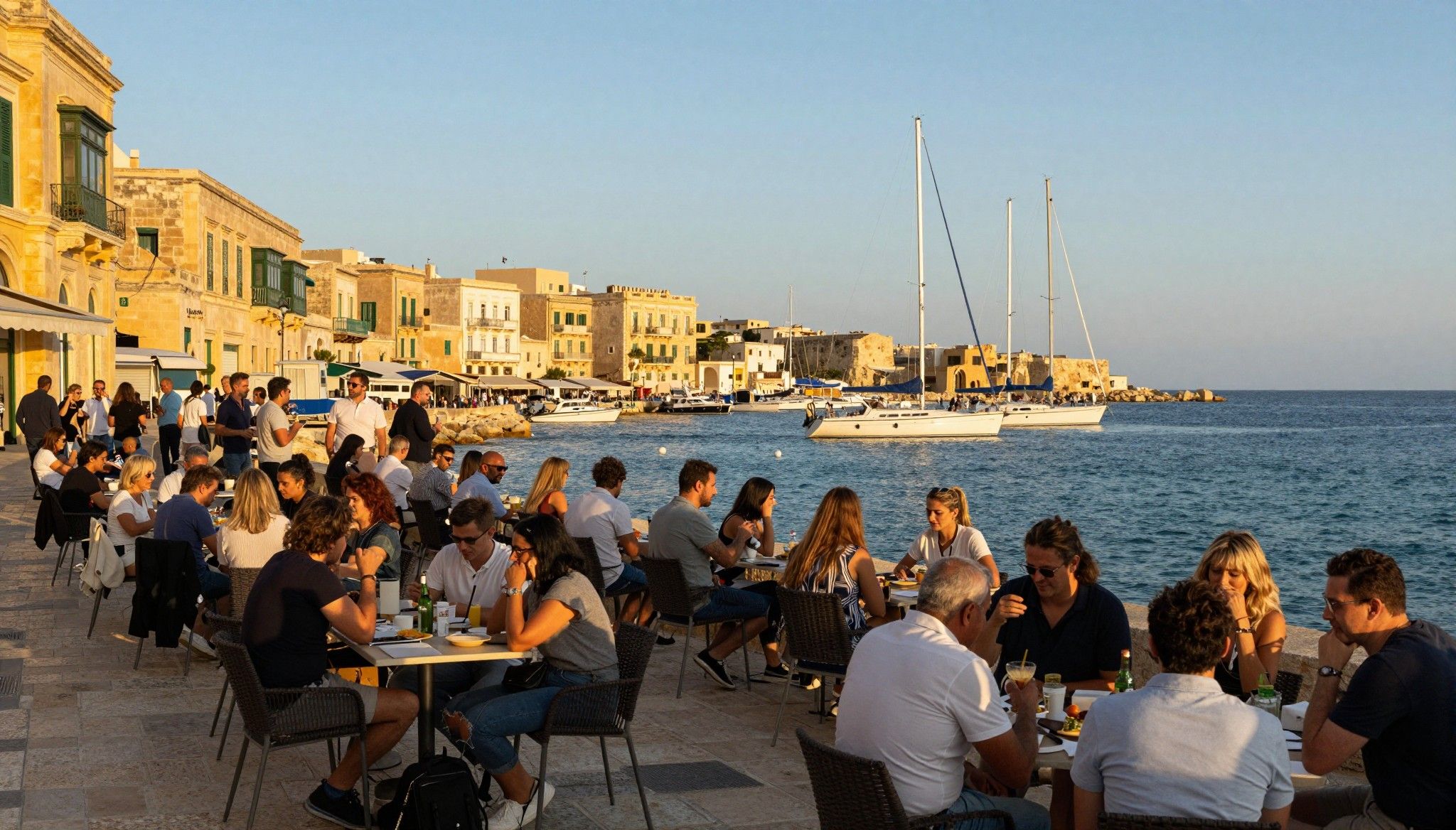
Imagine a late-afternoon stroll along Valletta’s narrow streets: sunlight slices between ochre limestone buildings, a cafe spills into the lane, and the fizz of conversation is punctuated by the sea breeze. That compact, social rhythm is Malta in a sentence — small distances, loud life, and a civic cadence that makes walking feel like a daily ritual. For international nomads and families alike, that feeling creates the real draw: life lived outdoors, within historic fabric that’s also surprisingly modern. But the romance and the reality meet at price trends, residency paperwork and neighbourhood tradeoffs — all covered below with local colour and practical citations.
Living the Malta Lifestyle
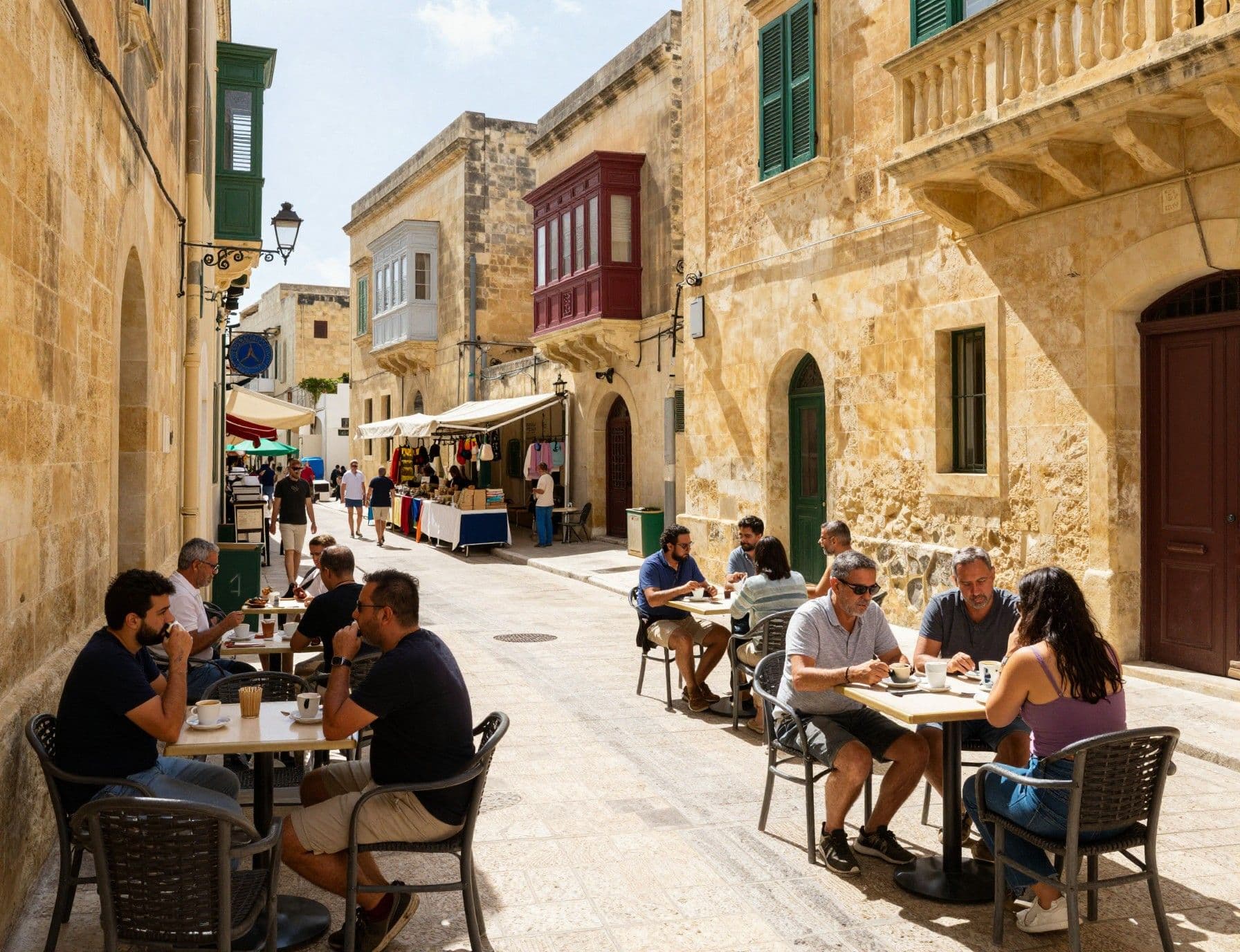
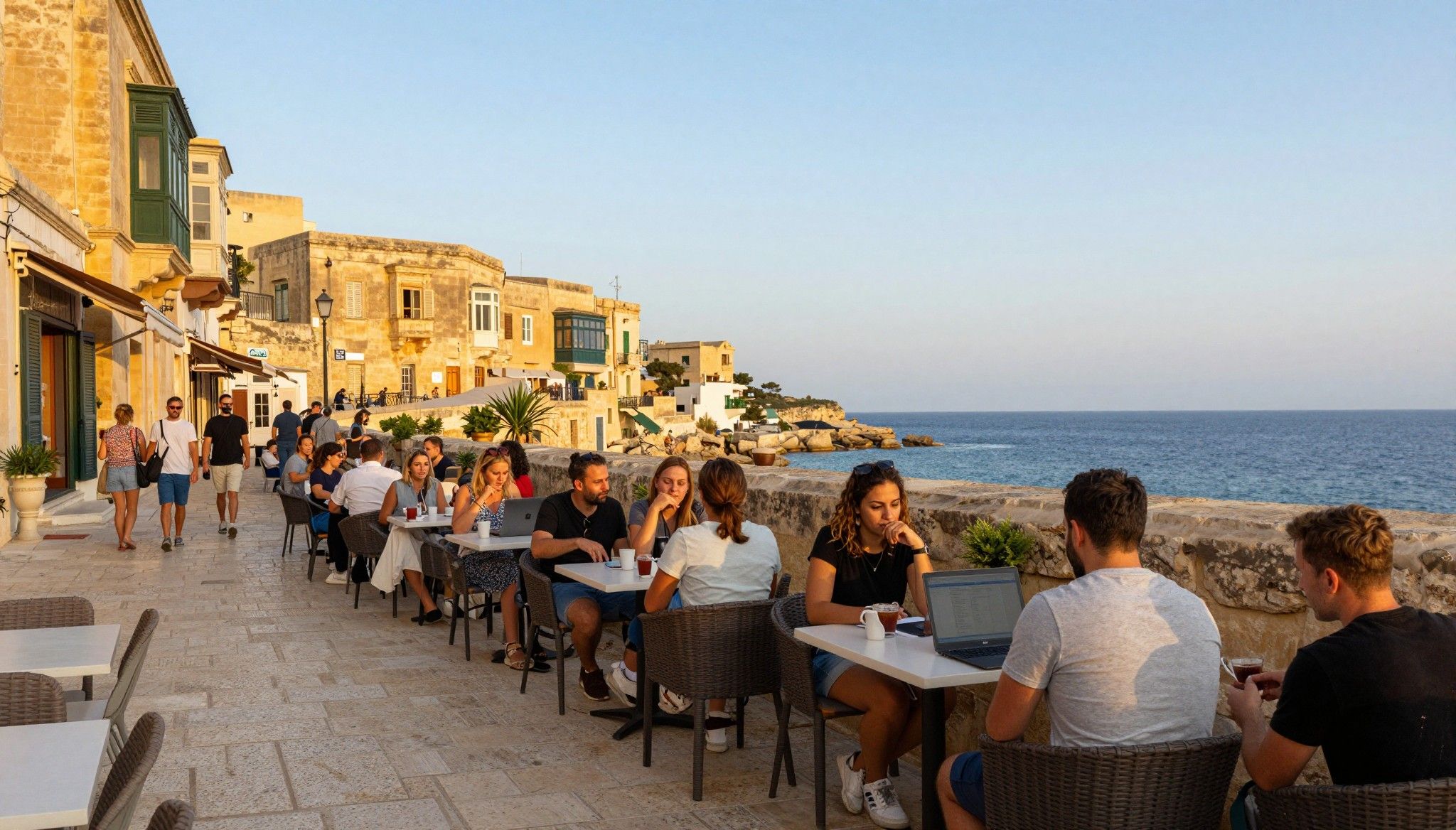
Start days with espresso on a sunlit balcony in Sliema, move to a quiet historic street in Valletta for an afternoon wander, then close the evening over seafood in Marsaxlokk. Malta’s daily life is layered: the old baroque capital sits cheek-by-jowl with seaside promenades, late-night bars, family-run bakeries and coworking hubs. English is an official language here, so the cultural friction many internationals expect is muted; instead you trade anonymity for a neighbourly island vibe that accelerates integration. That human warmth shapes which neighbourhood suits you as much as price or square metres do.
Valletta & The Three Cities — history as a lifestyle
Valletta is theatre: grand facades, museums, and tiny rooftop terraces with harbour views. It’s perfect if you want to be inside the cultural heartbeat — gallery openings, evening concerts and a short walk to government and legal services. But living here often means smaller floorplates and more restoration work; many buyers choose a pied-à-terre for the vibe and a larger apartment in Sliema or St. Julian’s for everyday comfort. Expect tourist flux in summer; the city hums differently across seasons and weekdays.
Sliema, St. Julian’s & Gzira — seafront routines
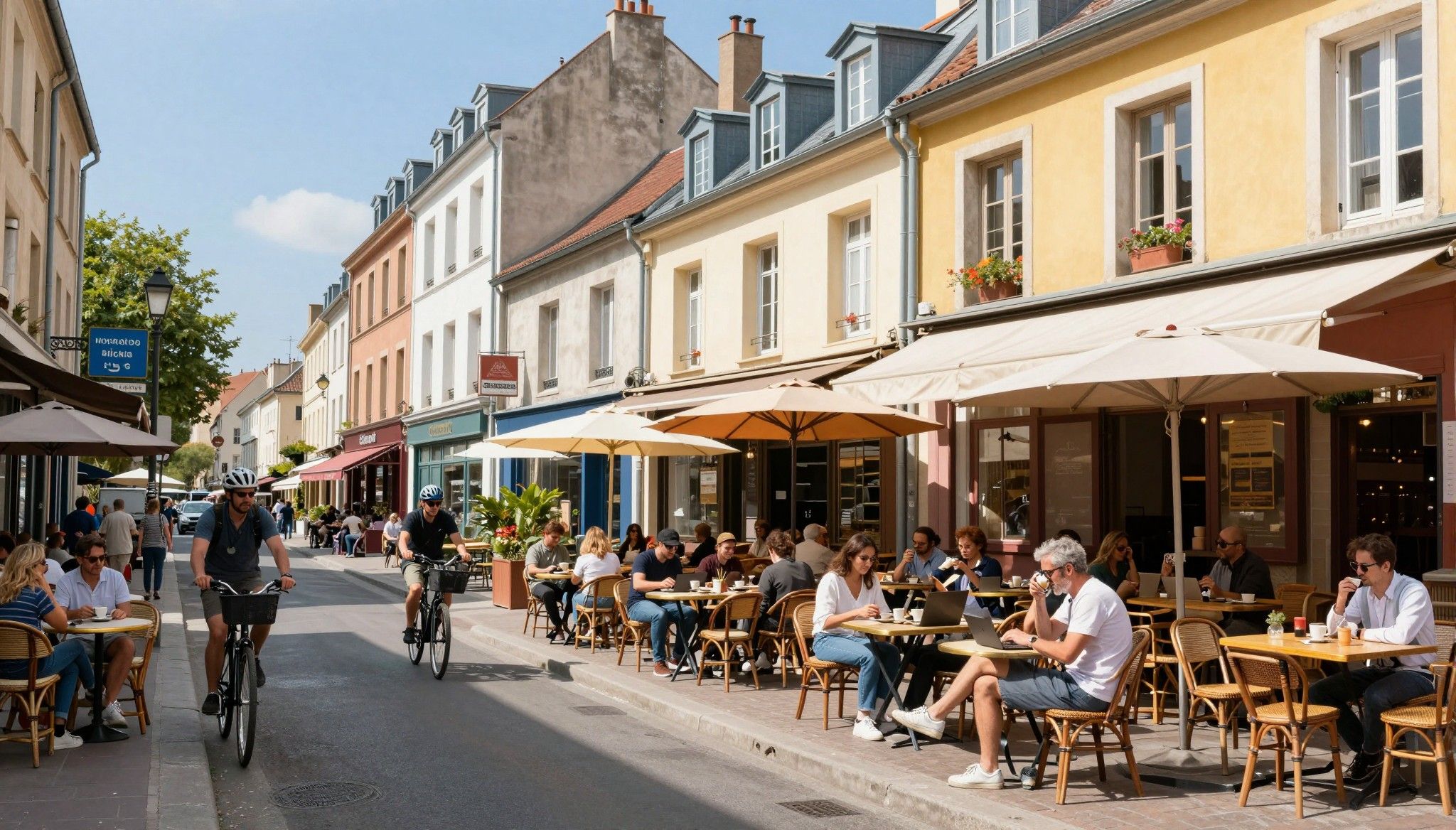
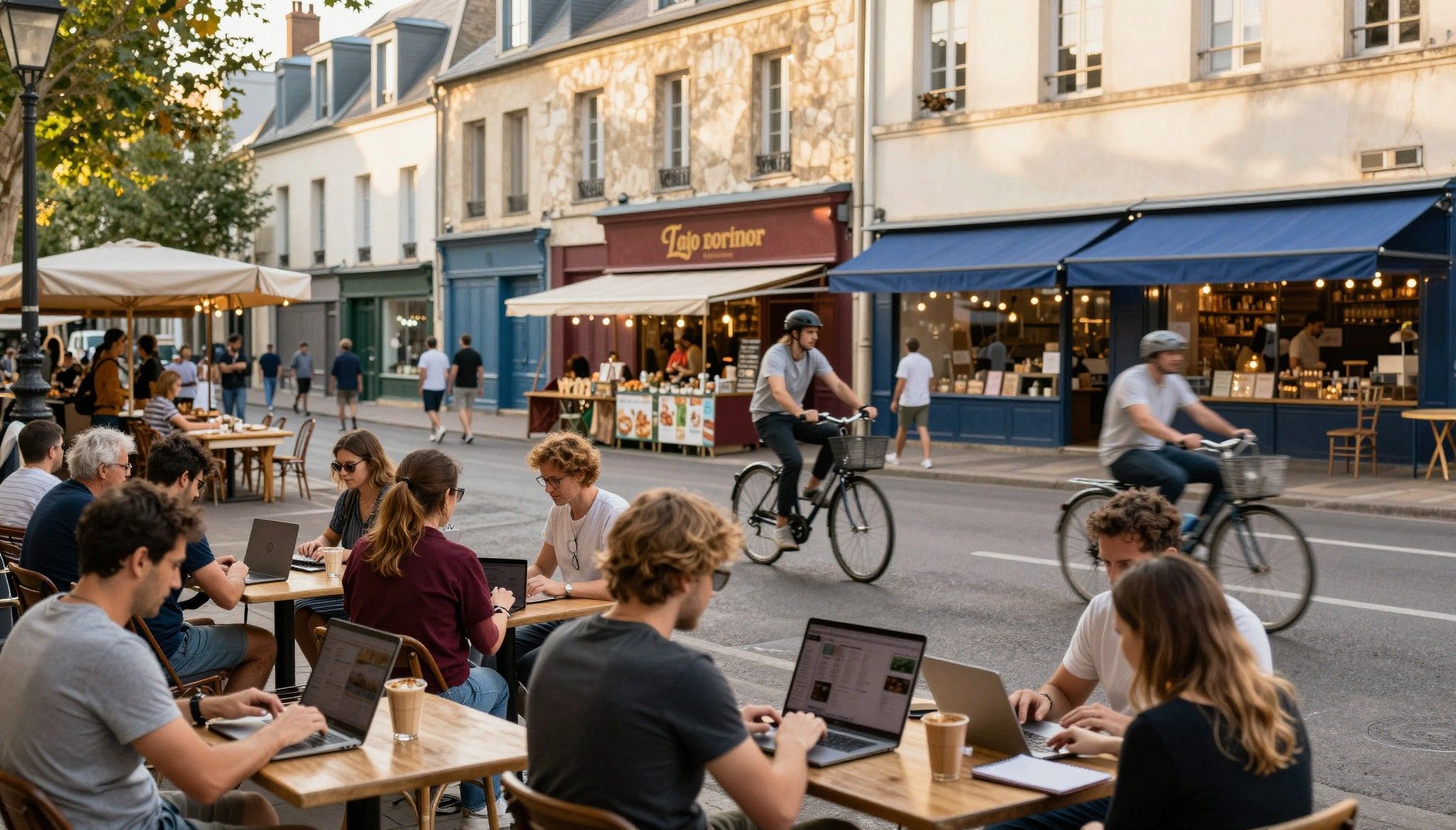
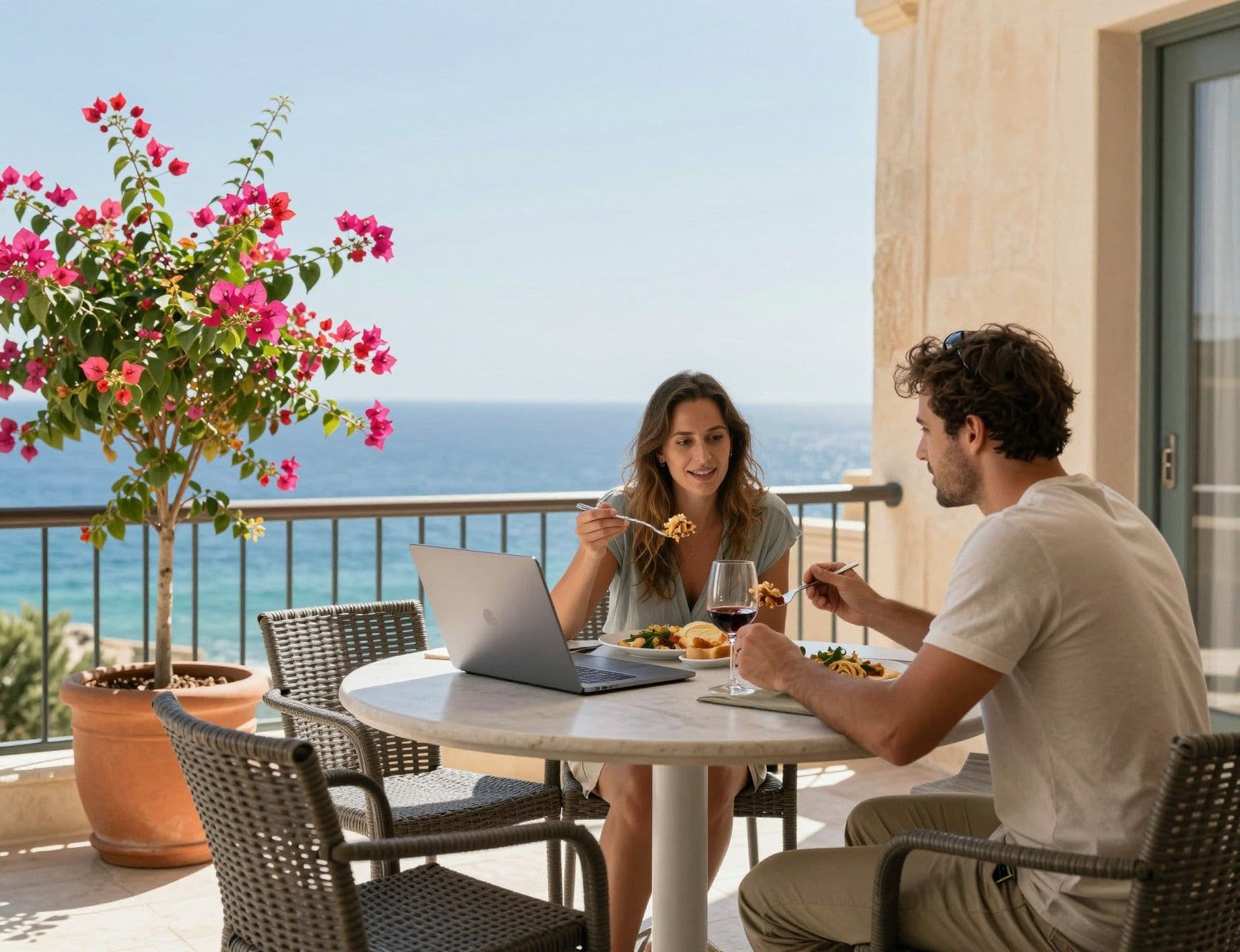
If your day starts with a laptop and a latte, Sliema and Gzira are practical favourites: long promenades, reliable cafes with good wifi, and quick ferry or bus links to Valletta. St. Julian’s trades serenity for nightlife and is the social magnet for internationals who like late dinners and meetups. Choose Sliema for calmer mornings and better schools; pick St. Julian’s if you prioritise coworking communities and evening events. All three put you near high-speed fibre and easy transport, which matters when work deadlines don’t respect island hours.
- Seaside lifestyle highlights: Valletta rooftop aperitifs; Sliema promenade runs and cafes; Spinola Bay dining in St. Julian’s; Marsaxlokk fish market Sundays; Gozo’s slower beach life and rural hikes.
Making the Move: Practical Considerations
Romance aside, Malta’s market has been rising steadily: the National Statistics Office’s Residential Property Price Index shows continued quarter-on-quarter gains into 2025, with apartment prices driving much of the activity. That means competition for well-located apartments is real and quick decisions often win deals. But the island’s small size also creates micro-markets — a central Valletta flat might behave very differently from a family maisonette in Mellieha or a farmhouse in Gozo. Match your lifestyle wish-list to the right micro-market before you fall in love with a façade.
Property styles — how architecture shapes your life
Malta’s common types — apartments, maisonettes, townhouses and converted historic houses — each come with tradeoffs. Apartments give walkability and lower maintenance but can be smaller and higher-priced in central areas; maisonettes often have private street access and terraces that extend living space outdoors, ideal for summer evenings. Renovated townhouses in older quarters deliver character and room to create a home office, but restoration can be costly and slow. Think about insulation, shutters and pergolas — features that make Mediterranean life comfortable year-round.
Work connectivity & local experts
- 1. Confirm fibre availability and speed (many Sliema and St. Julian's apartments support 1Gbps connections). 2. Choose an agent experienced with your target micro-market; local brokers know building histories and permit quirks. 3. Arrange an inspection at different times of day to test noise and sunlight. 4. Budget for refurbishment timelines and local tradespeople — historic buildings often need bespoke work. 5. Ask about short-term rental history if you plan to rent; high churn areas affect yields and neighbour relations.
Insider Knowledge: What Expats Wish They'd Known
Expat lessons are warm and blunt: neighbours matter on a small island, seasonal noise varies dramatically, and postal delays happen. The IMF and local analysts point to steady house-price appreciation; that’s great for capital growth but it also means renovations and rent expectations shift quickly. Many expats tell us they under-estimated the value of a local fixer — a neighbour who helps with a plumber or the community Facebook group that connects you to services. Those social scaffolds often decide whether a move feels effortless or exhausting.
Language, community and social rhythm
English and Maltese coexist; you’ll get by very fast in daily life with English, but learning a few Maltese phrases opens doors socially. Community life revolves around clubs, band clubs, and seasonal festas — join one and you’ve found instant local contacts. For families, local schools vary in style and language emphasis, so visit schools and playgrounds to sense where your kids will thrive. For solo nomads, coworking meetups and expat groups in St. Julian’s and Valletta are fast ways to build a network.
Long-term living: growth, resilience and lifestyle sustainability
If you plan to stay for years, consider energy upgrades, water management and ventilation — Mediterranean summers are getting hotter and these features improve comfort and resale. Track local planning permissions: regeneration projects in harbour areas can shift demand and create new neighbourhood nodes. Also, weigh lifestyle against liquidity: a quirky restored townhouse may feel like home but could be slower to sell than a modern apartment in a busy district.
- Quick red flags to watch for: incomplete permits on renovations; inconsistent internet in older stone buildings; properties with high short-term rental churn next door; unclear communal ownership rules; and flood/sea-spray exposure on low seafront ground floors.
Picture yourself six months in: morning coffee on a terrace shaded by native bougainvillea, a short bike ride to a co‑working day-pass in Gzira, and weekends on Gozo for slower pacing. That’s the promise Malta delivers — concentrated, walkable life with Mediterranean rhythms and surprisingly modern infrastructure. If the lifestyle fits, work with a local agency that understands both the paperwork and the neighbourhood pulse; they’ll help you match a street name to the life you want.
British expat who moved from Manchester to Mallorca in 2017. Specializes in market analysis and helping fellow Brit navigate local regulations.