Budgeting for France: Life Costs, Notaire Fees & Lifestyle
Think beyond sticker price: factor lifestyle costs, notaire fees (2–8%), and neighbourhood realities when budgeting to buy property in France.
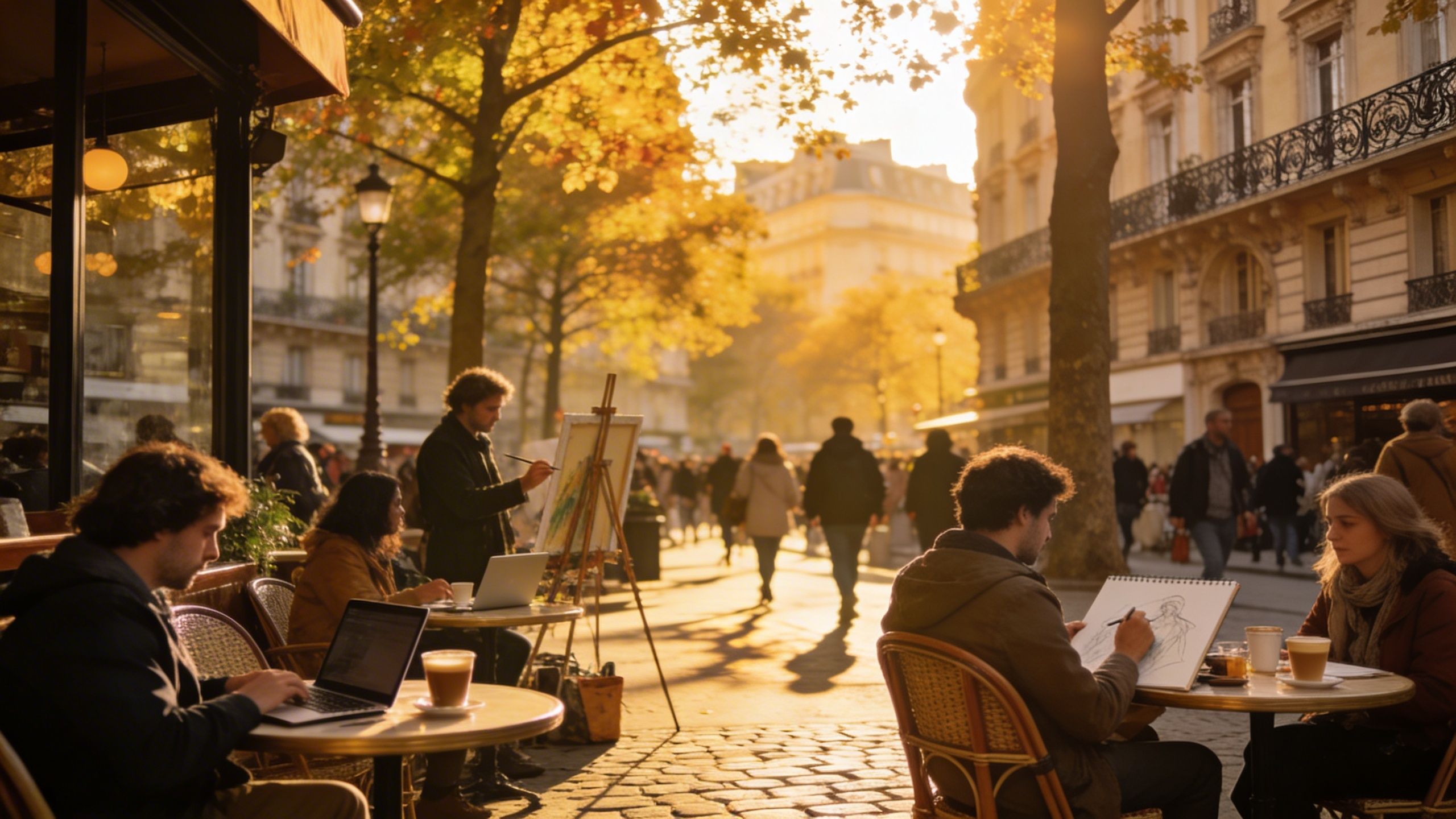
Imagine starting your morning in a tiny café on Rue des Rosiers in Paris, espresso in hand, then slipping into a quiet courtyard to join a late‑morning coworking session. Picture weekends spent at the marché, buying chèvre and baguettes, or driving to the lavender fields of Provence for a sunset picnic. France feels cinematic—layered streets, long lunches and a calm that reshapes how you budget for life here, not just the mortgage. That’s why the first numbers you write down should capture the life you want as much as the numbers the notaire will ask for.
Living the France lifestyle
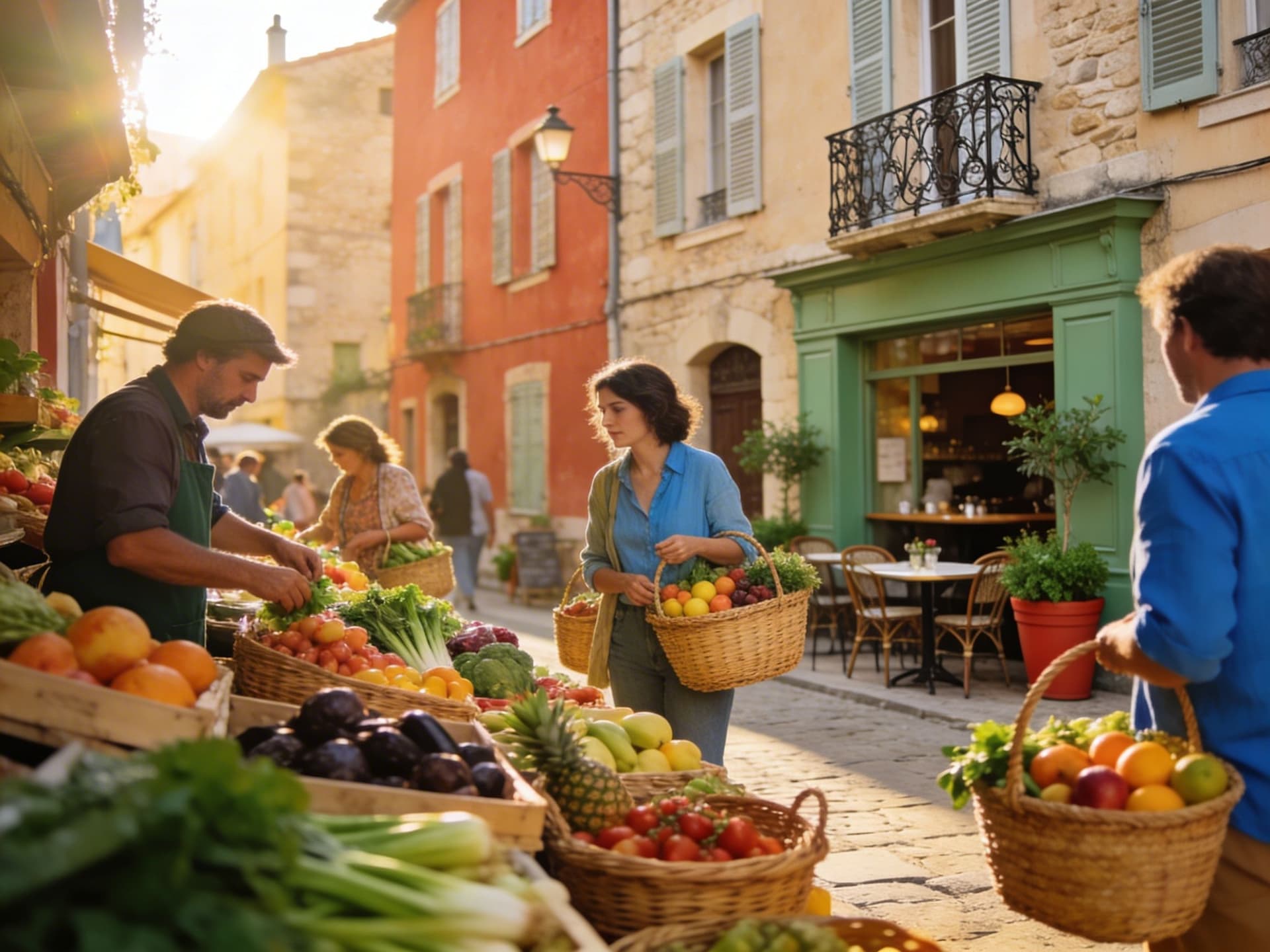
France is many countries in one: the beachy ease of Nice, the provincial calm of Dordogne villages, the urban pulse of Lyon and the bohemian pockets of Paris. Days are measured by cafés, marchés and the rhythm of local life—late breakfasts, lengthy aperitifs and rituals that turn a house into home. For an international buyer, this means properties aren’t just square metres; they’re access to a way of life. Practically, that lifestyle choice should shape your budget: proximity to markets, fast internet for remote work, and storage for seasonal gear all add cost in subtle ways.
Neighbourhoods that sell the dream
In Paris, consider the Marais for walkable streets and galleries, or calmer Canal Saint‑Martin for café life and coworking spots. On the Côte d’Azur, Antibes and Villefranche‑sur‑Mer offer seaside mornings and smaller town prices than Cannes. In the southwest, Bordeaux’s Chartrons mixes wine shops and river views with digital‑nomad friendly cafés. Each neighbourhood carries different hidden costs: parking in central Paris, sea‑salt maintenance on the Riviera, or renovation permits in historic districts—factor those into your initial budget.
Food, markets and why they matter to budgets
Weekly marchés are not only charming—they change how you cook, dine and spend. Living near a bustling market like Marché d’Aligre (Paris) or Cours Saleya (Nice) means you’ll spend more on fresh produce but less on dining out. It also influences property choice; homes with a good kitchen and pantry space become more valuable to the lifestyle you want. When setting your initial budget, add a line for food habits, weekly market runs and small recurring costs that keep life delightful.
- Lifestyle highlights to budget for
- Morning espresso in a local café (neighbourhood variable)
- Weekly marché and seasonal food shopping
- Coworking membership or fast home internet (100–500 Mbps recommended)
- Transport: car in rural areas, transit pass in cities
Making the move: practical considerations
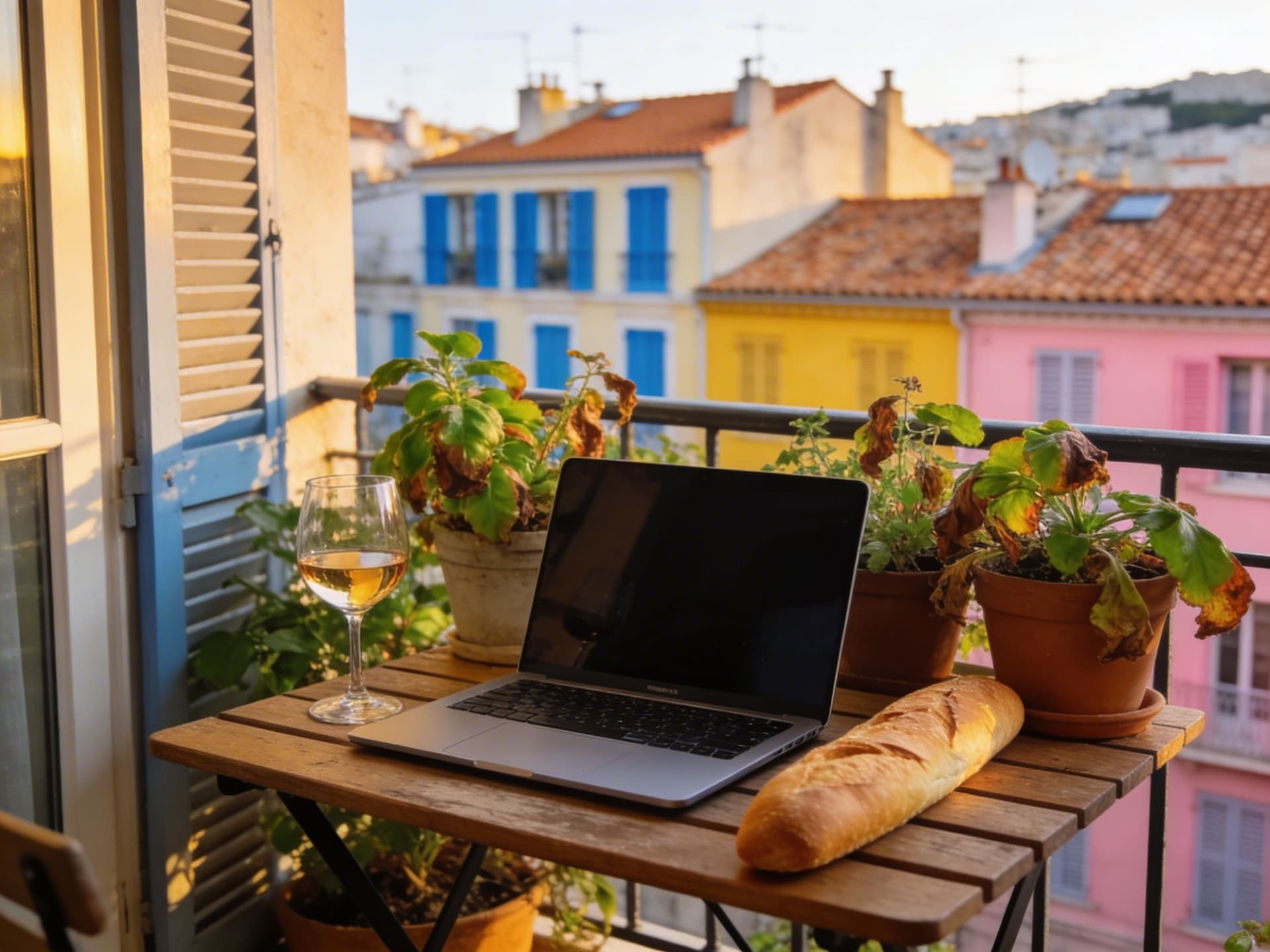
Dreams meet paperwork fast in France. The headline practical cost every buyer needs to know is acquisition costs—often called 'frais de notaire'—which typically add 2–8% to a purchase depending on whether a property is new or old and the department where you buy. Recent policy changes give departments the option to raise transfer taxes, so budgeting a realistic cushion now avoids frantic calls later. Use official guidance from notaires and recent reporting to estimate these fees for your exact target town.
Property styles and how they'll shape your budget
A Parisian Haussmann flat invites a different set of costs than a stone farmhouse in Dordogne. Historic apartments often need heating upgrades and insulation, while rural homes may require well and sewage work. New-builds cost less in transfer taxes but more up front in list price; they also carry VAT implications. Match property style to lifestyle first, then add realistic allowances for renovation, ongoing maintenance and seasonal wear (coastal properties need higher maintenance budgets).
Working with local experts who know the life
A good local agency does more than show houses; they translate lifestyle priorities into search filters. They’ll tell you where fast fibre is rolling out, which cafés double as day‑time workspaces, and where municipal rules restrict short‑term rentals. When you shortlist agents, ask for examples: a client who wanted weekend market access, or remote‑work friendly apartments with balconies. These practical questions save money: choosing a place that fits your day‑to‑day cuts hidden relocation costs like transport or coworking fees.
- 1. Ask for references of recent international buyers; 2. Request neighbourhood checklists (internet, transport, market); 3. Get an itemised closing cost estimate early; 4. Confirm maintenance and condominium charges.
Insider knowledge: what expats wish they'd known
Expat buyers often under‑estimate the tiny recurring costs that shape daily life here: building syndic fees in city co‑ops, higher energy bills in older homes and municipal taxes that vary by commune. Policy shifts in 2025 mean transfer costs can change by department, so a property that looks affordable on listing day can gain a few thousand euros at closing. The most useful advice from long‑time expats? Walk the neighbourhood at different times, ask locals about hidden costs, and keep a 5–8% buffer over the quoted acquisition costs.
Cultural integration, language and daily life
Learning French changes the budget equation: it shortens bureaucratic processes, helps when negotiating prices and opens second‑hand renovation markets. Join local associations, marché conversations and coworking meetups to speed integration. Living like a local—shopping markets, using local artisans—can save money and deepen your sense of home. Budget time for language learning as a line item; it’s as valuable as any renovation cost in helping your life land here.
How lifestyle choices evolve over time
The first year you’ll spend on discovery: markets, neighbourhood cafés and public transport routes. After two‑three years, priorities often shift to storage, school options or a quieter street. Factor these future shifts into initial budgeting—buying slightly larger or choosing a home with a flexible room saves costly moves later. Smart buyers plan a five‑year lifestyle budget that includes contingency for life changes and local tax shifts.
Ready to fall in love with a life in France? Start by writing down the three daily scenes you can’t live without: morning routine, weekend ritual and a work‑from‑home setup. Use that list to shape a budget that covers acquisition costs (estimate 2–8% depending on new vs old property and department rates), renovation and a 5–8% contingency for policy or departmental fee changes. Partner with an agent who knows your neighbourhood scenes, and plan a short exploratory trip to test life in person. Small, sensory steps now make the paperwork feel worth it later.
Norwegian who has helped 200+ families relocate from Oslo to Spain; expert in relocation services and community integration.