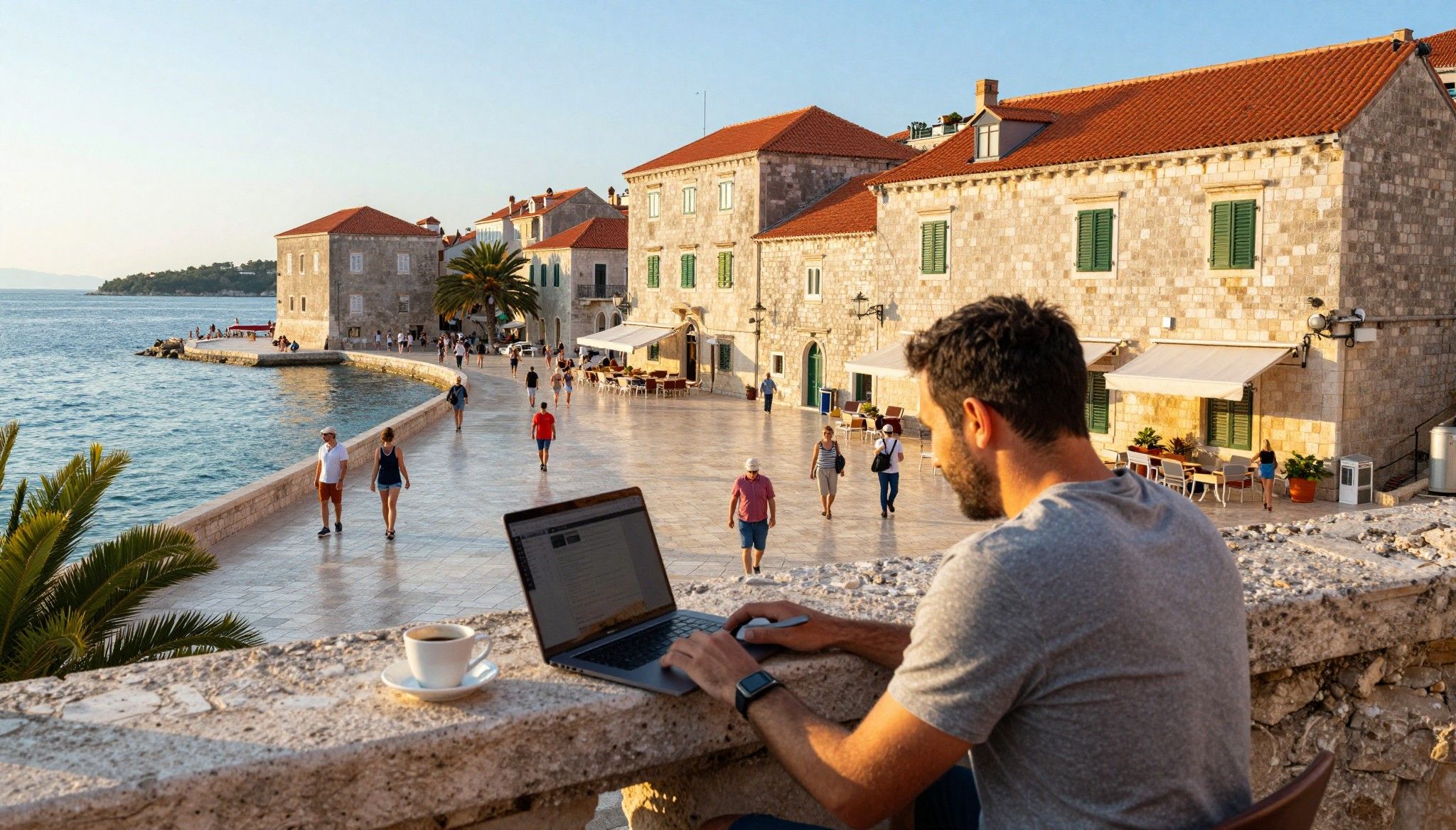
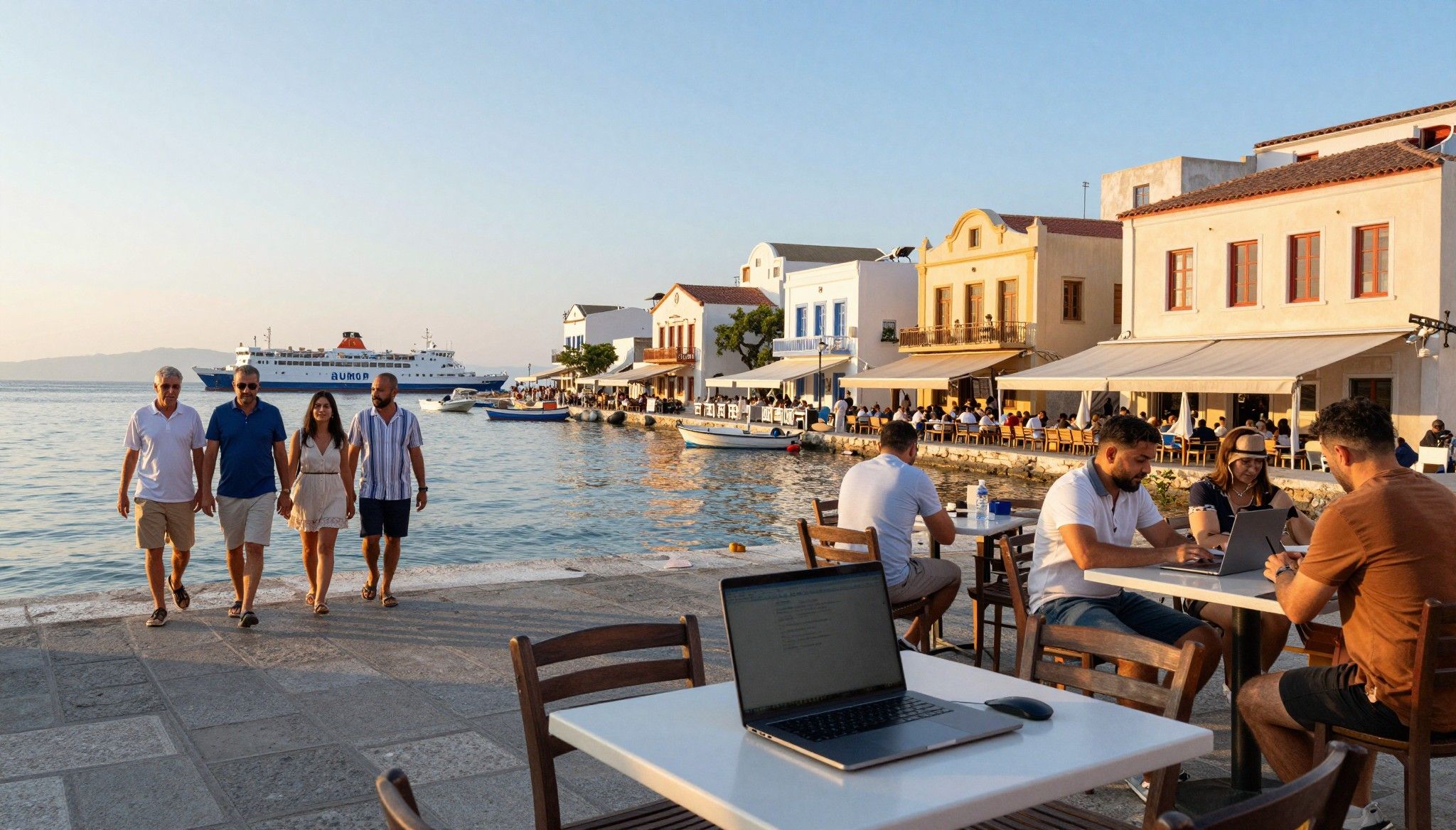
Offer Tactics to Close a Home in Croatia
Practical, lifestyle‑first tactics to make winning offers and close property in Croatia—balancing coastal romance with reciprocity rules, due diligence, and realistic timing.
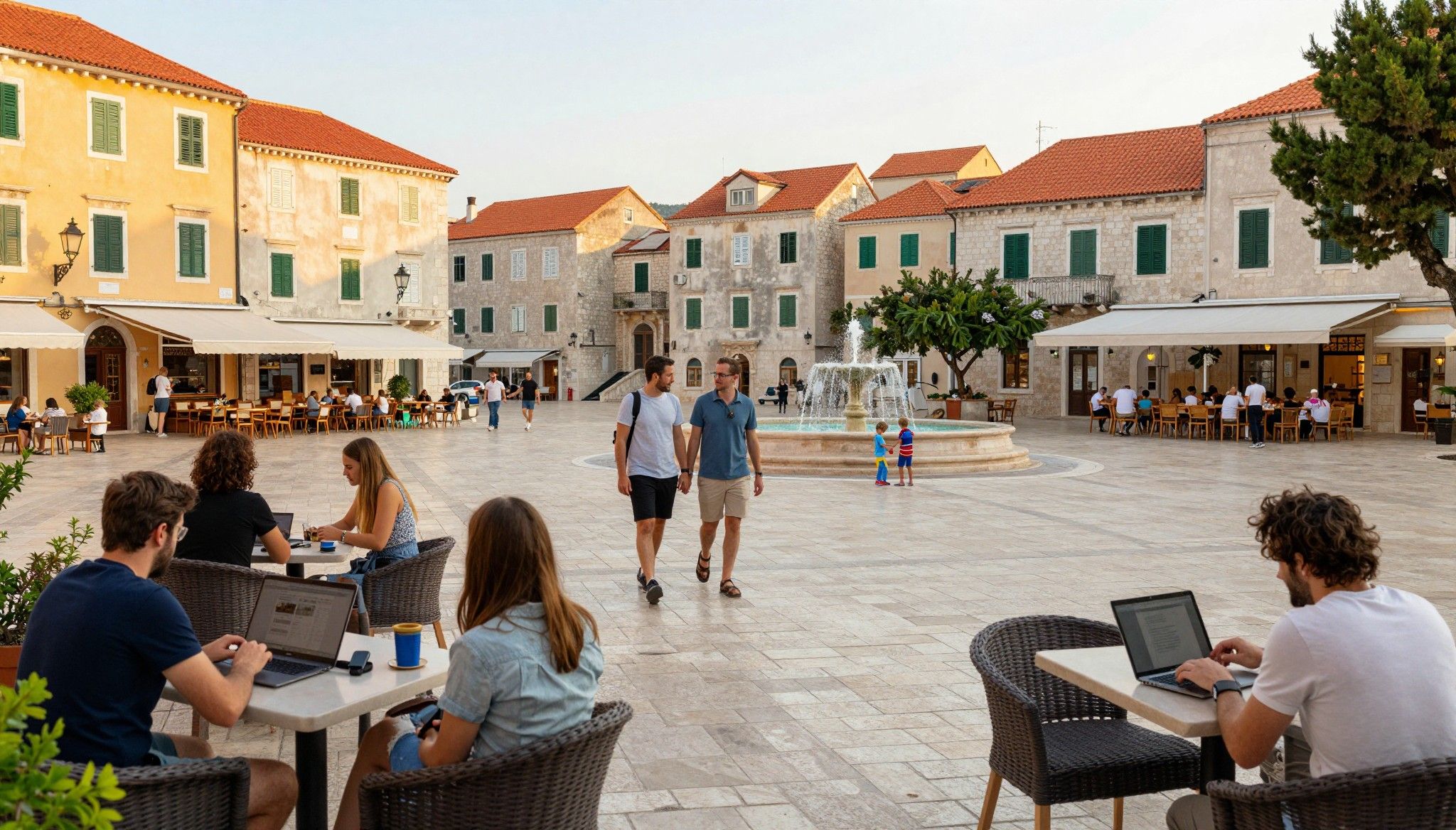
Imagine walking the peel‑thin streets of Šibenik at golden hour, espresso in hand, then turning down a lane where a stone townhouse waits with a sunny terrace above the sea. That sensory pull — light, food, neighborly banter — is why so many nomads fall for Croatia first and into property later. But romance meets paperwork at the offer stage: coastal competition, reciprocity rules for non‑EU buyers, and rising prices mean an emotional bid can quickly become costly. This guide blends the lived‑in pleasures of Croatian life with hard, practical offer and closing tactics that actually win deals.
Living the Croatia lifestyle
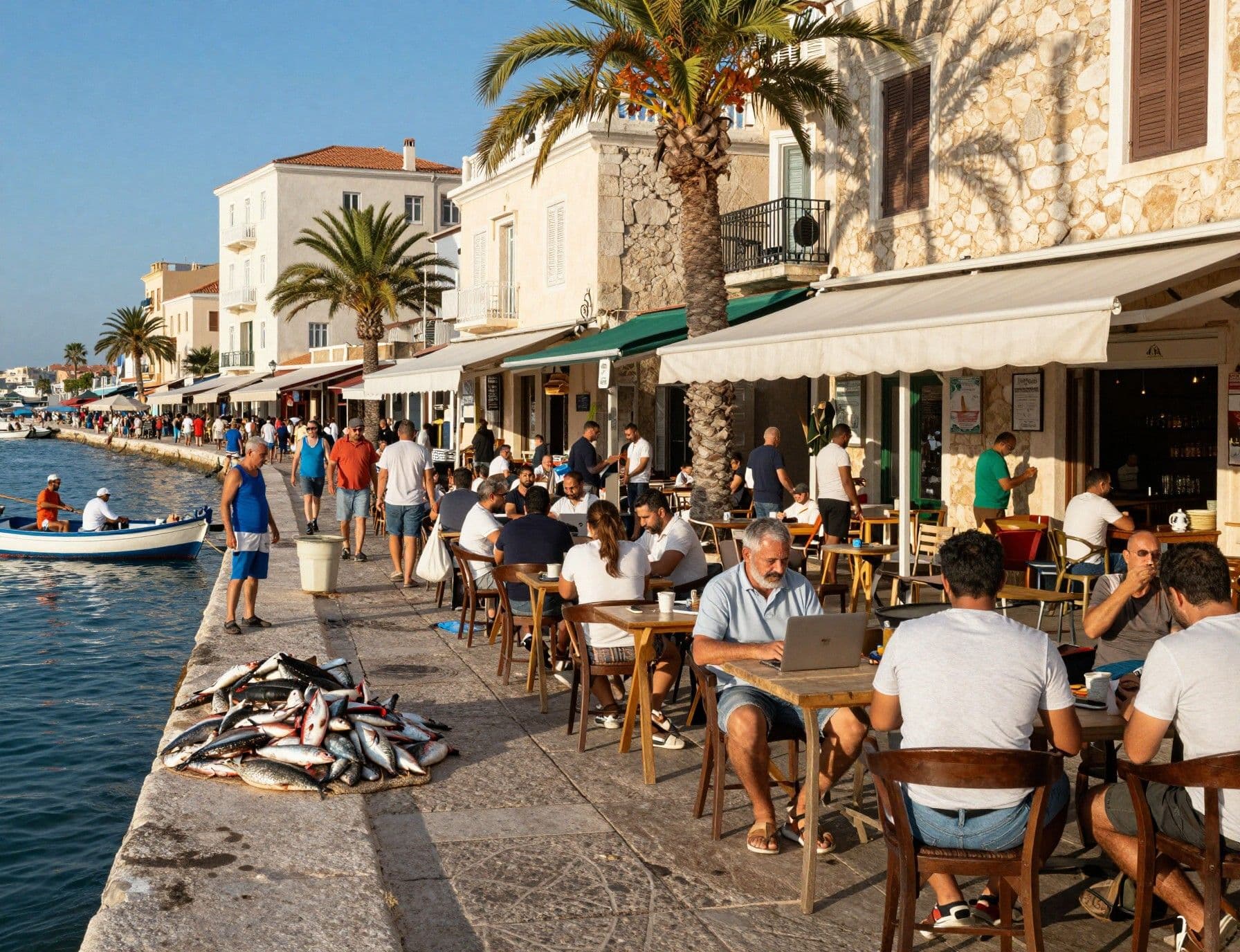
Croatia’s rhythm depends on place: Zagreb hums with cafés and coworking hubs, Split is an island‑city hybrid where morning markets spill fruit onto the Riva, and Dubrovnik’s Old Town is postcard compact and intensely social in summer. Weekends mean beaches and konobas (family taverns) on the coast, farmers’ markets inland, and festivals that transform small towns into music and film stages. For a nomad, this variety is gold: you can swap a seaside office for a hilltop villa and still clock high‑quality internet and community.
Neighborhood spotlight: Split’s Veli Varoš and Firule
Veli Varoš is the lunchtime heartbeat — narrow streets, small bakeries, fishermen hauling in the day’s catch — while Firule blends quieter residential streets with a baker’s dozen of cafes that stay open late. If you want a small terrace to work from in the mornings and a running route along the sea, these micro‑neighborhoods deliver. Properties here are mostly stone apartments with high ceilings and occasional rooftop views; expect competition from locals and foreigners who prize immediate walkability and sea access.
Food, festivals and why timing matters
Seasonal life shapes property experience: truffle season in Istria and summer festivals along the Dalmatian coast flood towns with visitors and push short‑term rental demand. That’s romantic for weekends but it distorts summer‑price perception for buyers who only visit in high season. If you want the real cost of living and neighborhood vibe, come outside July and August — you’ll meet the people who actually live there and assess noise, foot traffic, and utility reliability honestly.
- Lifestyle highlights - Morning espresso on Split’s Riva; late swims at Bačvice beach - Weekend markets in Dolac (Zagreb) and Pula’s food stalls - Istrian truffle weekends and family‑run konobas on Hvar - Coworking hubs in Zagreb and Split with reliable fibre options - Island hopping from a private terrace in Trogir or Korčula
Making the move: practical considerations
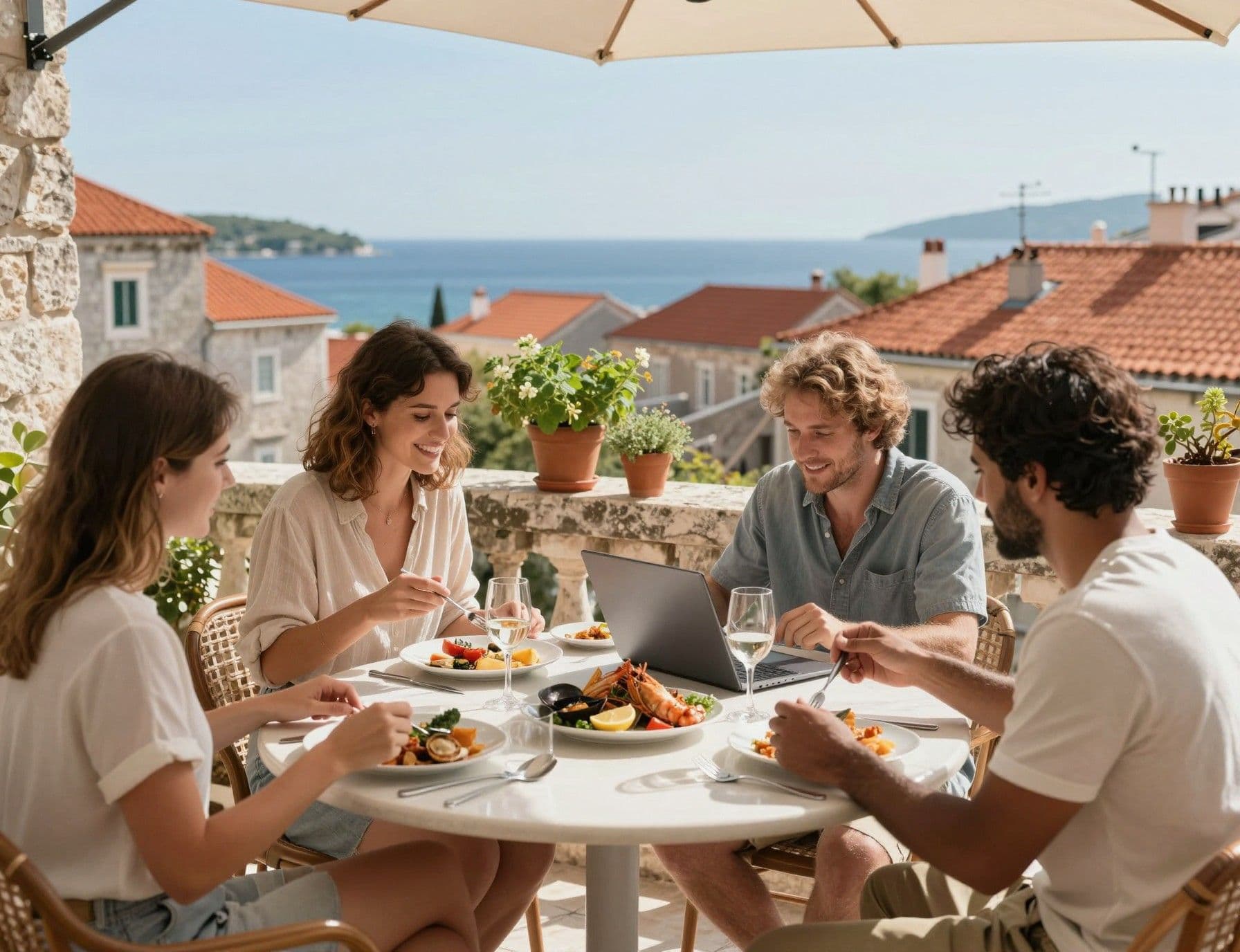
Dreaming aside, Croatia’s buying rules matter at offer time. EU/EEA/Swiss nationals usually buy under the same conditions as Croatians, while many non‑EU buyers need ministerial consent or rely on reciprocity rules — a process that can add weeks or months. Prices have been rising on average in recent years, especially along the coast, so an informed offer balances speed with proper checks: title, zoning, utility access and whether short‑term lets are popular (and regulated) in that area. Use official guidance early — it avoids emotional bids on properties you can’t actually own.
Property types and what they mean for offers
Croatia’s stock ranges from restored stone townhouses to modern seafront apartments and agricultural plots inland. A listed stone flat in a historic core often comes with renovation needs and complicated heritage rules — that can be negotiation leverage if you’re willing to take on work. New builds offer warranties and straightforward closing timelines but are often pricier per square metre. Know the category before you bid: it changes tax treatment, closing steps and the levers you can push in negotiation.
Working with agents, not just to find but to close
Local agencies are your shortcut to practical wins: they know which notaries move faster, which municipal offices process reciprocity requests, and which neighborhoods quietly forbid short‑term rentals. The best agents position offers with supporting documents (proof of funds, pre‑approval where applicable) and propose escrow or staged payments to shorten the seller’s risk window. Treat the agent as a negotiation coach: they translate local priorities into a bid that feels right to both sides.
- Offer steps that blend lifestyle and legal smarts 1. Confirm eligibility: check reciprocity or EU status and, for non‑EU buyers, begin ministerial consent early. 2. Proof of seriousness: supply bank statements, mortgage pre‑approval, or a refundable deposit to stand out. 3. Due diligence window: carve out 14–30 days for title, zoning, and connection checks — shorter where trust is high, longer for renovations. 4. Conditional vs unconditional offers: use conditional offers tied to clear checks unless market heat forces speed. 5. Closing logistics: agree on notary, timeline for money transfer, and who holds the tabular statement (land register slip) at completion.
Insider knowledge: what expats wish they'd known
Expats often report two surprises: first, that the neighborhood you love in August can feel empty and quiet in November; second, that small legal details — an old lien, undocumented renovations, or unclear access rights — derail otherwise perfect purchases. Locals understand these quirks and will tell you which streets have true community life year‑round. Your agent, not your heart, should confirm crucial facts before you sign.
Language, community and practical integration
Croatian is the local language, and while English works in tourist hubs and coworking spaces, learning a few phrases goes a long way at markets and with neighbors. Joining local groups — from beach cleanups to expat meetups in Split and Zagreb — speeds integration and reveals who actually uses the neighbourhood services year‑round. Practical integration also affects property choices: proximity to a year‑round grocery, reliable heating and solid internet matters more than a terrace that’s only enjoyable three months a year.
Longer term: rental, resale and neighborhood drift
If you plan to rent, note that summer demand inflates short‑term returns but adds volatility and regulatory attention. Long‑term value depends on infrastructure: fibre internet, ferry reliability for islands, and municipal investments. Watch for neighborhoods where renovation and lifestyle investors cluster — those areas often offer better resale but also faster price jumps that change community character. Think five years ahead: will your life need more calm, schools, or faster connections?
- Red flags to spot before you bid - No clear land registry extract or an extract older than six months - Seller resists a formal due‑diligence window or insists on cash-only, no escrow - Unclear access to utilities, or roads that become impassable in winter - Promises of permits or conversions “in process” without paperwork - Requests for large deposits without a notarised pre‑contract
Conclusion: fall for the life, close with confidence. Croatia gives you sunlit mornings, market breakfasts, and a neighbor who hands you homemade olive oil. But the best way to keep that life is to pair your heart with a clear offer strategy: confirm eligibility, present proof, use conditional timelines wisely, and lean on an agent who knows not only the paperwork but where the year‑round life really is. Ready to start? Gather your documents, pick two off‑season weeks to visit, and ask your agent for a local closing timeline — then make an offer that reflects both the dream and the rules.
Danish investor and relocation advisor focusing on Portugal and the Algarve; loves coworking culture and expat networks.