Why Greece’s Neighbourhood Rhythm Matters More Than Views
A lifestyle-first look at buying in Greece: where neighbourhood rhythm, internet reality and Golden Visa changes reshape which properties actually work for nomads.

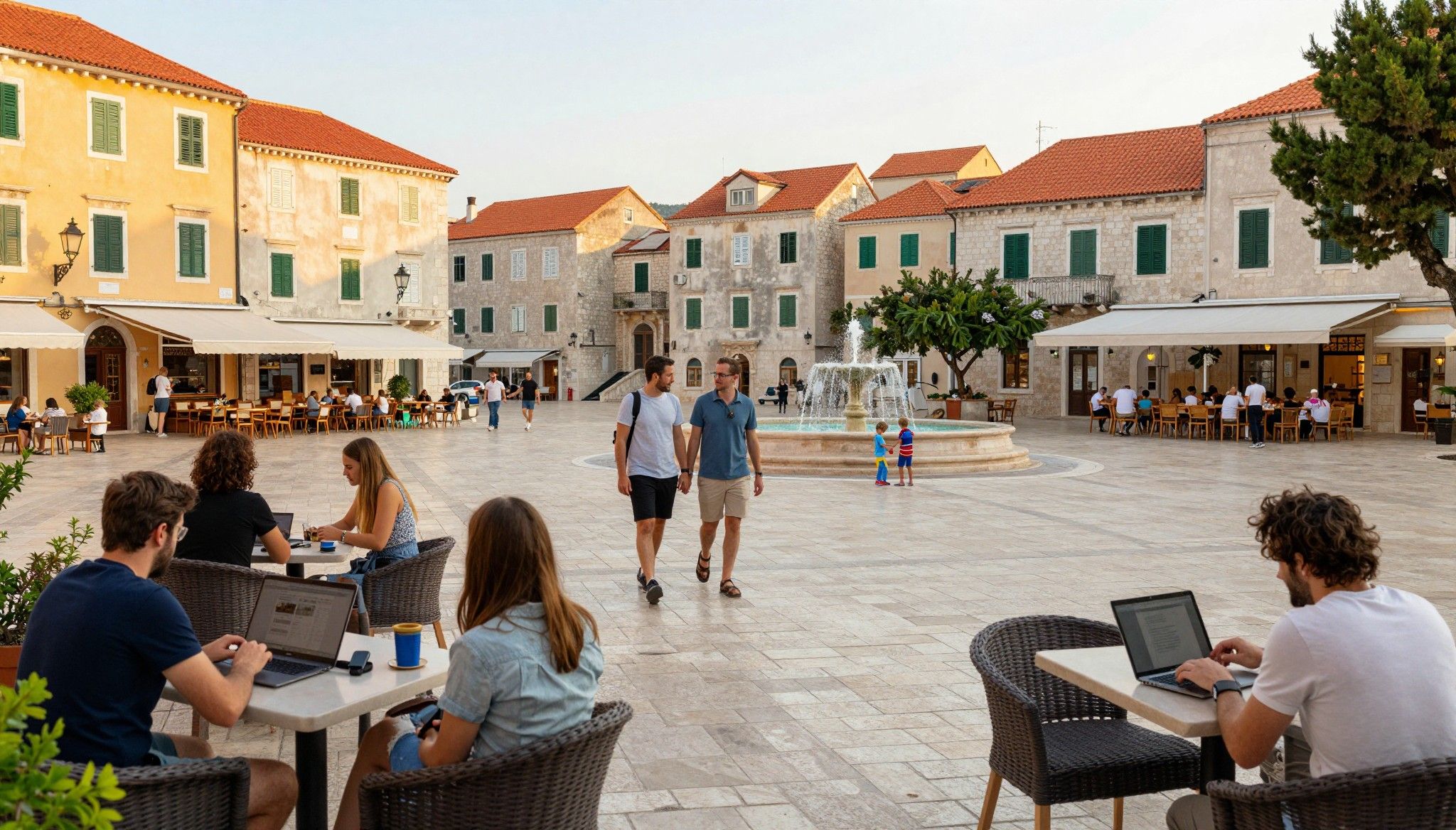
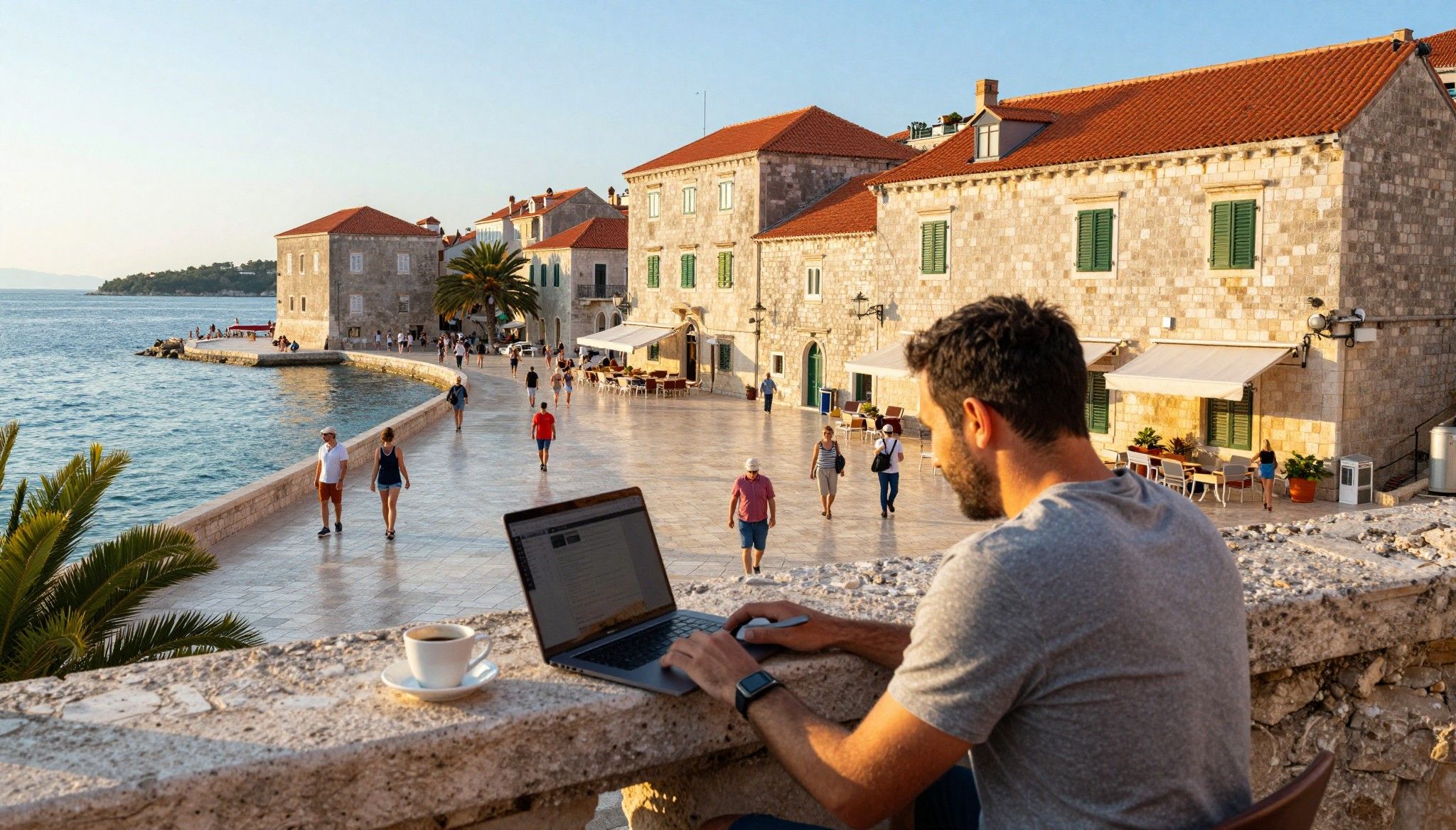
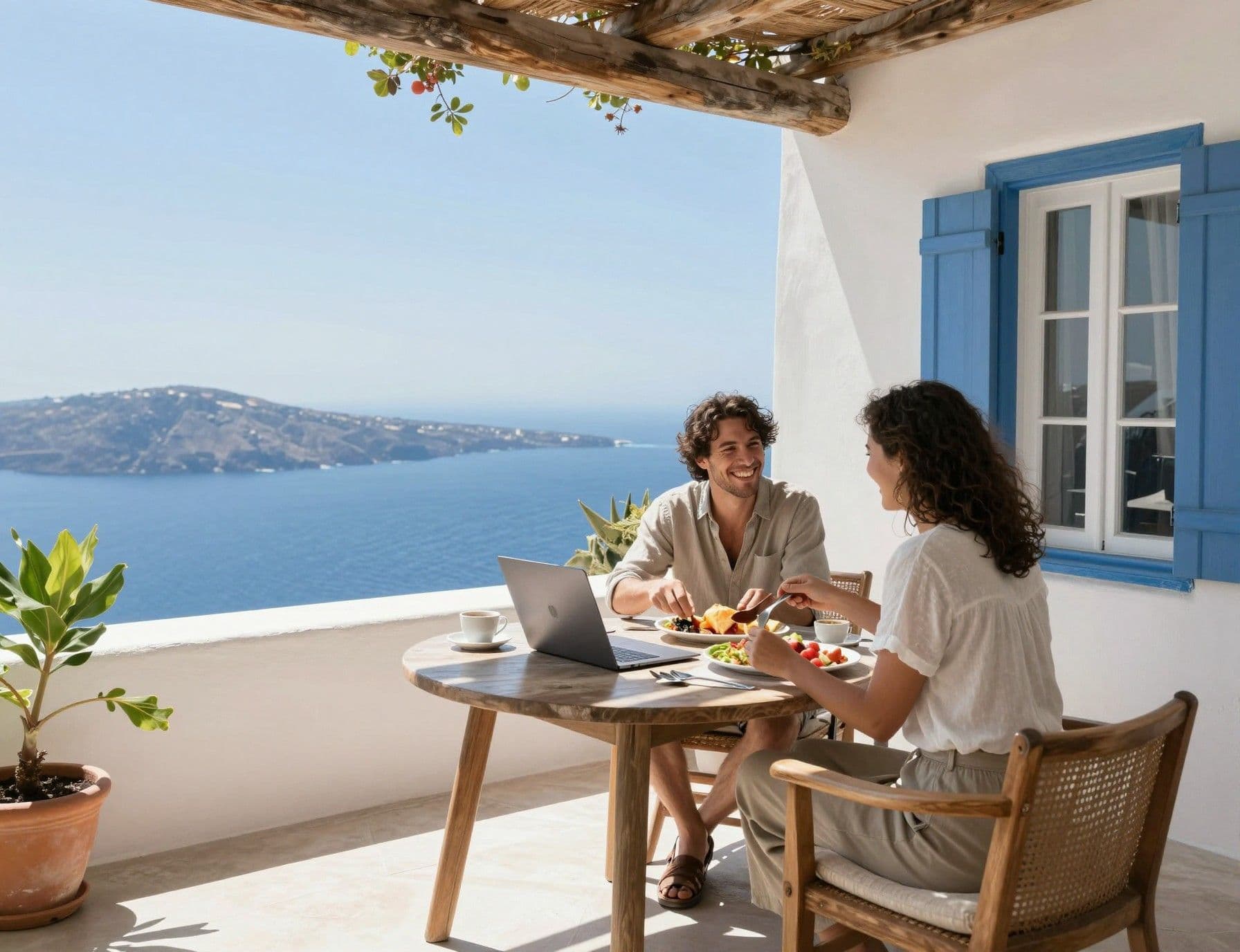
Imagine sipping an espresso on a sun-baked terrace in Plaka at 9am, opening your laptop, and choosing whether to head to a beachside coworking space in Glyfada or catch an evening ferry to Naxos. Greece feels like slow, luminous days stitched to lively nights — and that rhythm shapes where and how expats buy.
Living the Greek life: light, sea and neighbourhood rhythms
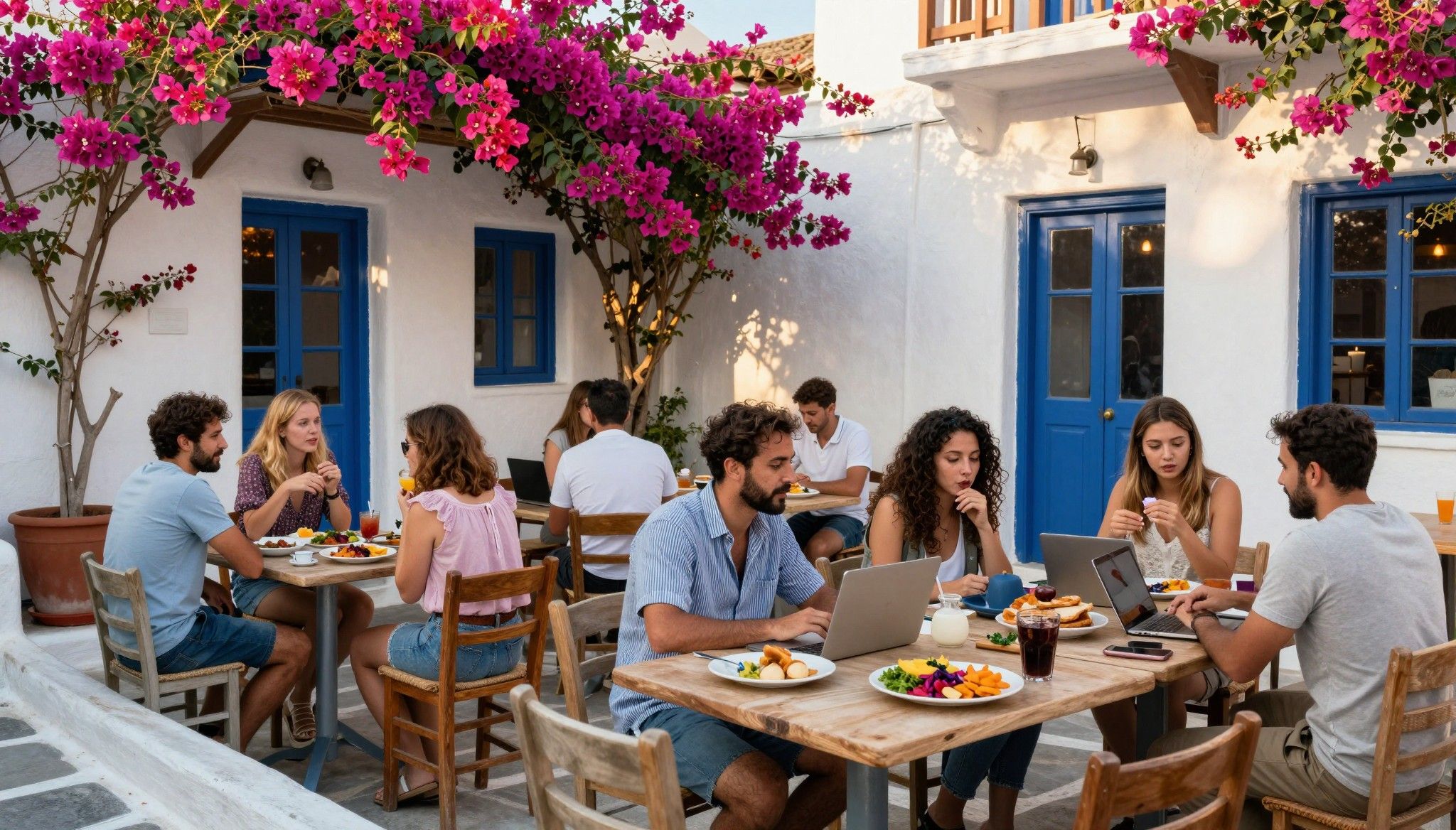
Greece is sensory: whitewashed streets that smell of baking bread, municipal squares where elders play backgammon, and coastal promenades dotted with tavernas. Cities pulse differently — Athens is pour‑over coffee and rooftop aperitifs; Chania is harbour-side markets; Mykonos and Santorini are island summers that stretch the calendar of visitors and owners alike.
Athens neighbourhoods that actually feel local
Walk from Koukaki’s narrow streets to the Acropolis park and you’ll find cafés full of architects and remote teams. Pangrati hums with evening tavernas and small galleries; Exarchia surprises with independent bookstores and a gritty creative scene. These pockets offer walkability, cafes with plug sockets, and short commutes to coworking hubs.
Islands versus mainland: different seasons of life
Island life is vivid in summer and intimate in winter. On Rhodes or Corfu, summers mean boat trips, cafés spilling into streets and a rental market that peaks sharply. On the mainland — think Pelion or Nafplio — winters are quiet and deeply local, good for buyers who want community year-round.
- Lifestyle highlights: dive into local routines and favourite spots
- Morning espresso: Kafenio terraces in Kolonaki and seaside cafes in Glyfada
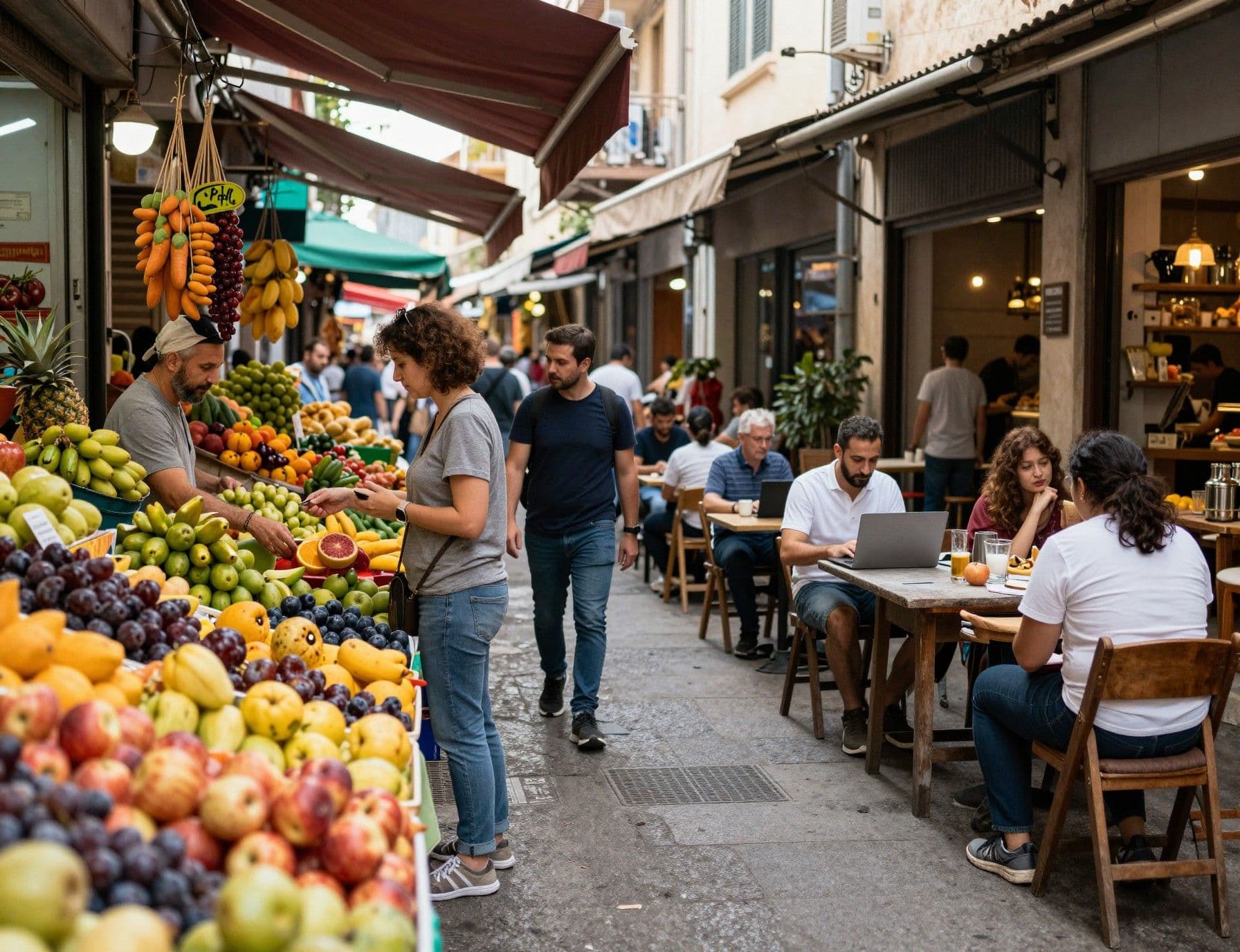
- Markets: Varvakios Market (Athens) for seafood, Chania municipal market for fresh produce
- Hidden beach: Vlychada (Santorini) or Agios Nikolaos coves on Kefalonia for quieter swims
Making the move: how lifestyle choices shape the property you need
Greece’s market has momentum — but it’s not a single story. Recent central-bank data shows foreign investment easing after policy changes, which affects where buyers find value. Match the micro‑market to how you want to live: hourly co‑working, summer rental income, or a quiet winter base.
Property styles and the life they enable
Stone-built village houses give you courtyards and year-round neighbours; Athenian apartments trade terraces for fibre broadband and café access. New builds often promise low-maintenance living and modern insulation — great for winter comfort — while historic renovations deliver character and higher renovation budgets.
Work-from-Greece checklist: what to prioritise
- 1) Reliable connection: confirm fixed broadband or Starlink availability; speeds vary widely between islands and cities.
- 2) Coworking access: scout spaces in Athens (e.g., The Cube, Stone Soup) or Thessaloniki before committing.
- 3) Commute and walkability: test morning routes to cafés and grocery markets — Greeks value local morning rituals.
- 4) Seasonal rental potential: check municipality rules and realistic occupancy rather than headline yields.
Insider knowledge: the local quirks expats learn slowly
Expats say the surprises aren’t legalese — they’re rhythms. Shops close mid‑afternoon. Building elevators in older blocks are often a community project. Seasonal tourism can make a lively summer feel like another city entirely. These realities affect monthly life more than a property’s square metres.
Language, community and daily life
Greek basics go a long way: learn ‘kalo apogevma’ (good afternoon) and you’ll be invited into neighbourhood rituals. Join local kafeneio mornings or a municipal festival — that’s how neighbours become friends. Expat meetups in Athens and island Facebook groups accelerate integration.
Longer-term lifestyle questions to ask yourself
If residency matters to you, note law changes reduced inexpensive Golden Visa routes and raised investment thresholds in hotspots like Attica, Thessaloniki, Mykonos and Santorini. That reshapes which locations make sense if a residency permit is part of your plan.
- Red flags local agents will point out
- Unresolved change-of-use permits on island properties — ask for completion certificates.
- Properties marketed with projected yields but without local tourism-license proof.
- Promises of ‘fibre soon’ — verify current speeds (ISP receipts or speed tests).
- 1) Start local: rent for a month in the neighbourhood you love before buying.
- 2) Hire a local lawyer and ask them to attend municipality checks and title searches.
- 3) Get an on-site speed test and written confirmation of internet options for the property.
- 4) Consider islands with winter life if you want year-round community, not just summer rentals.
How agencies help protect the lifestyle you bought into
Good local agencies aren’t just sales teams. They’ll check seasonal running costs, confirm real occupancy levels, and introduce you to property managers who can handle tenants while you’re remote. Ask for references from buyers who planned the same lifestyle as you.
Picture signing papers, then stepping into a neighbourhood where the butcher knows your name, your favourite table at the taverna is saved, and your daytime office has a sea view. Greece can turn that imagining into daily life — with a few local-smart checks up front.
Dutch investment strategist guiding buyers to Greece and Spain; practical financing, tax, and portfolio diversification.