Croatia: A Nomad’s Finance Playbook
Discover Croatia’s lifestyle-led financing choices: how euro adoption, local banks, and coastal price dynamics shape smart purchase decisions for nomads.
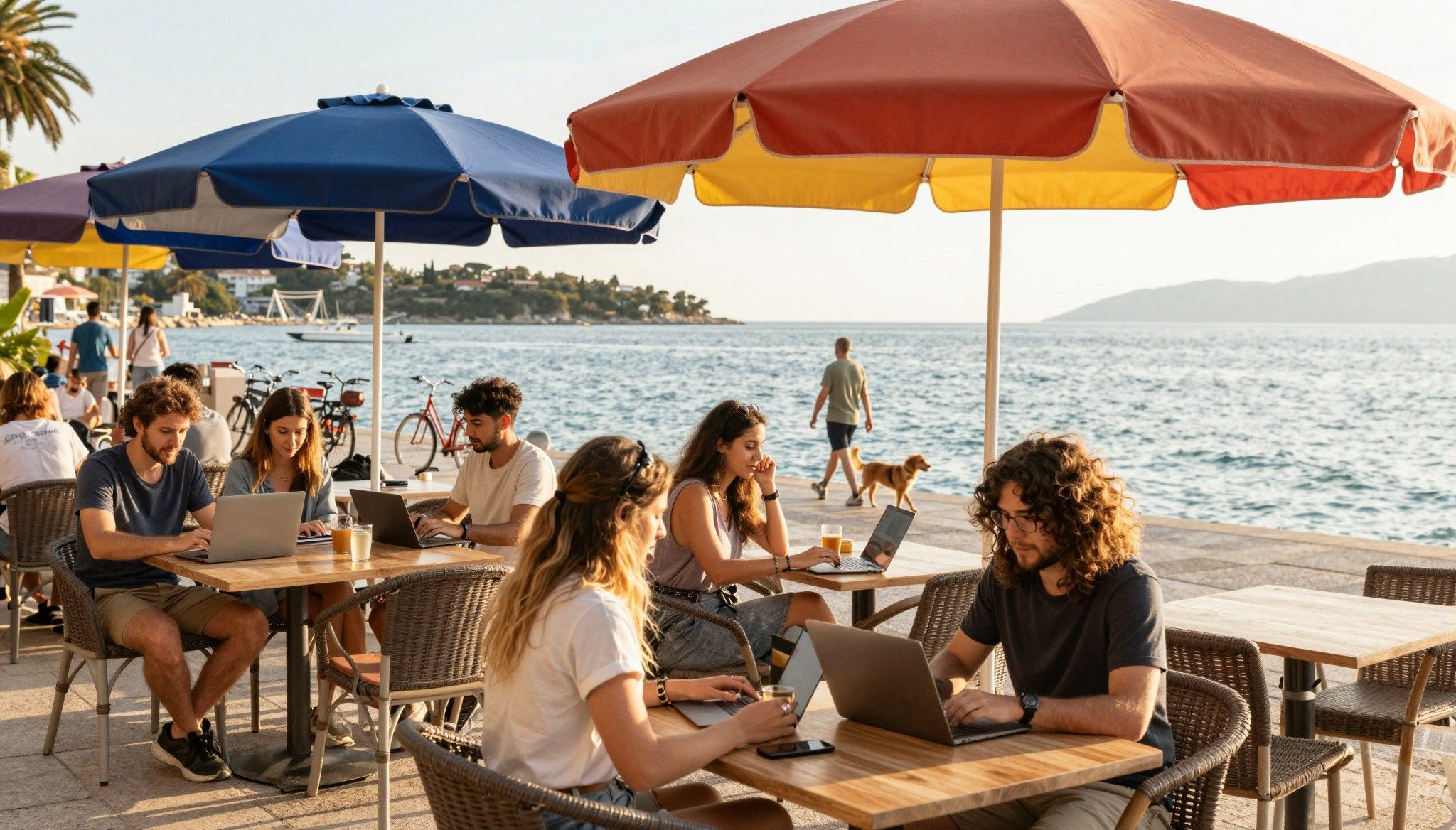
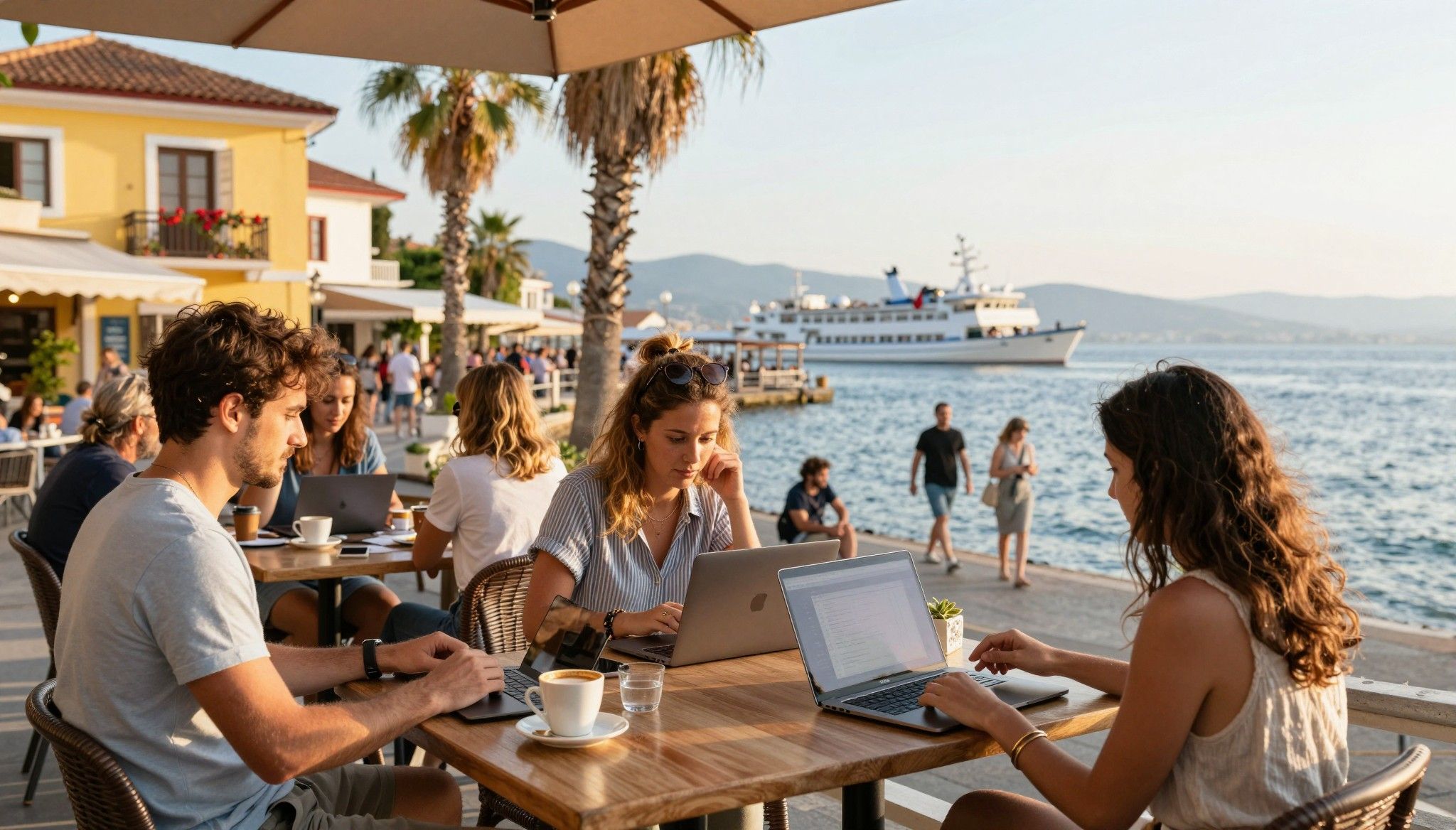
Imagine stepping out at dawn to pick sourdough from a sun-warmed bakery on Split’s Marmontova, then answering a few emails with the Adriatic spread below. Croatia smells of grilled fish, pine, and espresso; mornings move slowly, afternoons are for markets and siestas, and evenings belong to long conversations over local red wine. For many international buyers, that rhythm is the point — but the path from daydream to deed needs a map. According to recent market analysis, Croatia’s housing market has been growing fast and unevenly, especially along the Adriatic coast — a fact that should shape how you finance, bank, and buy.
Living the Croatia life
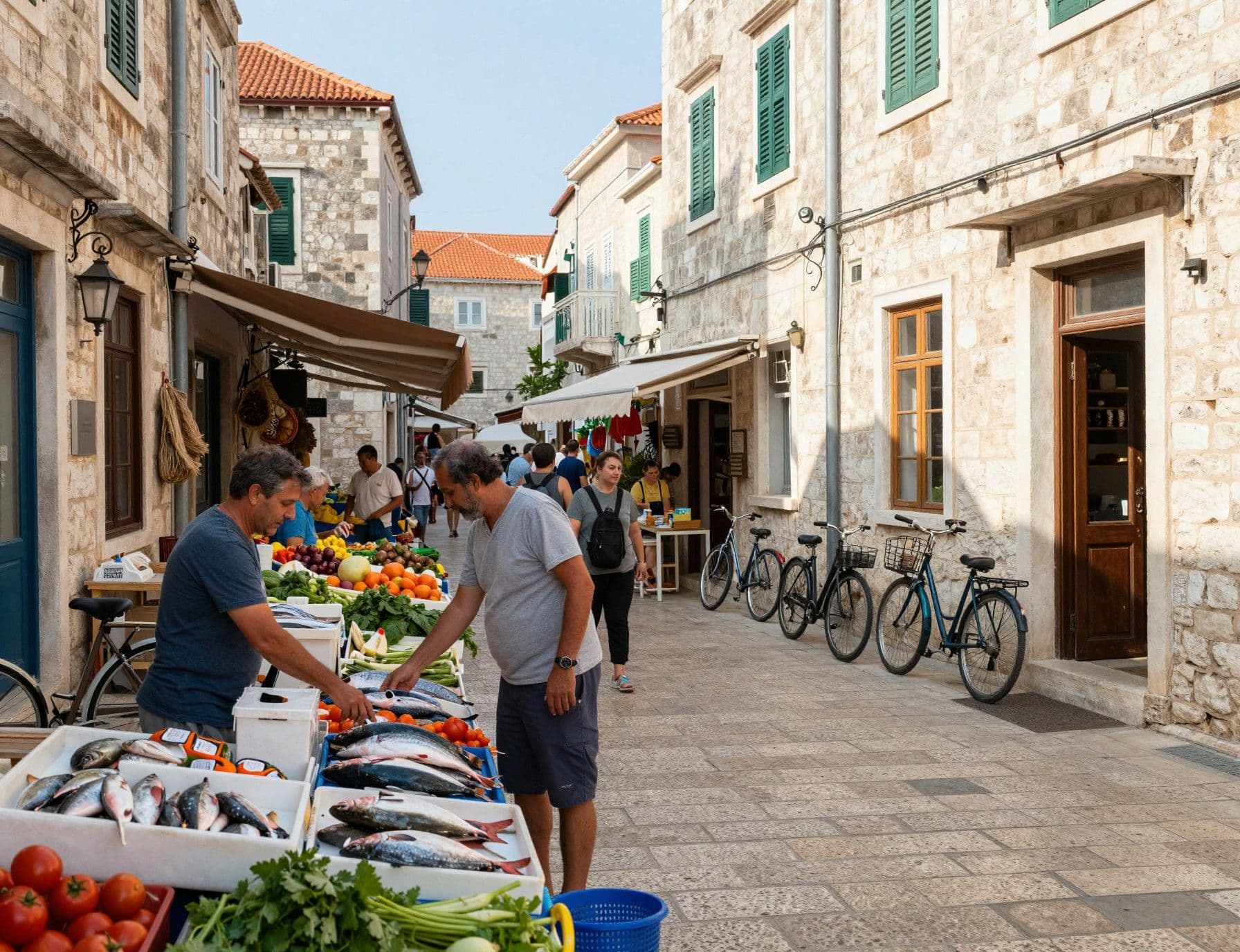
Croatia is both a compact, walkable capital and a scatter of island villages where life runs to tides and tourist seasons. In Zagreb you’ll find coworking hubs, tramlines, and bakeries open at dawn; on Hvar and Korčula mornings might mean a swim before lunch and cobbled streets filled with cafés. Official data shows price growth concentrated in Zagreb and the Adriatic coast, so lifestyle choices here also dictate budget and financing strategy.
City pulse: Zagreb & Rijeka
Zagreb mixes Austro-Hungarian boulevards with a lively cafe-and-coworking scene; neighborhoods like Gornji Grad and Jarun suit nomads who want wheels, green space, and reliable fibre. Rijeka feels rougher around the edges but is quietly reinventing itself with creative spaces and lower price-per-square-meter, a magnet for people who want city life minus the Adriatic premium.
Coastal rhythm: Dalmatia & Istria
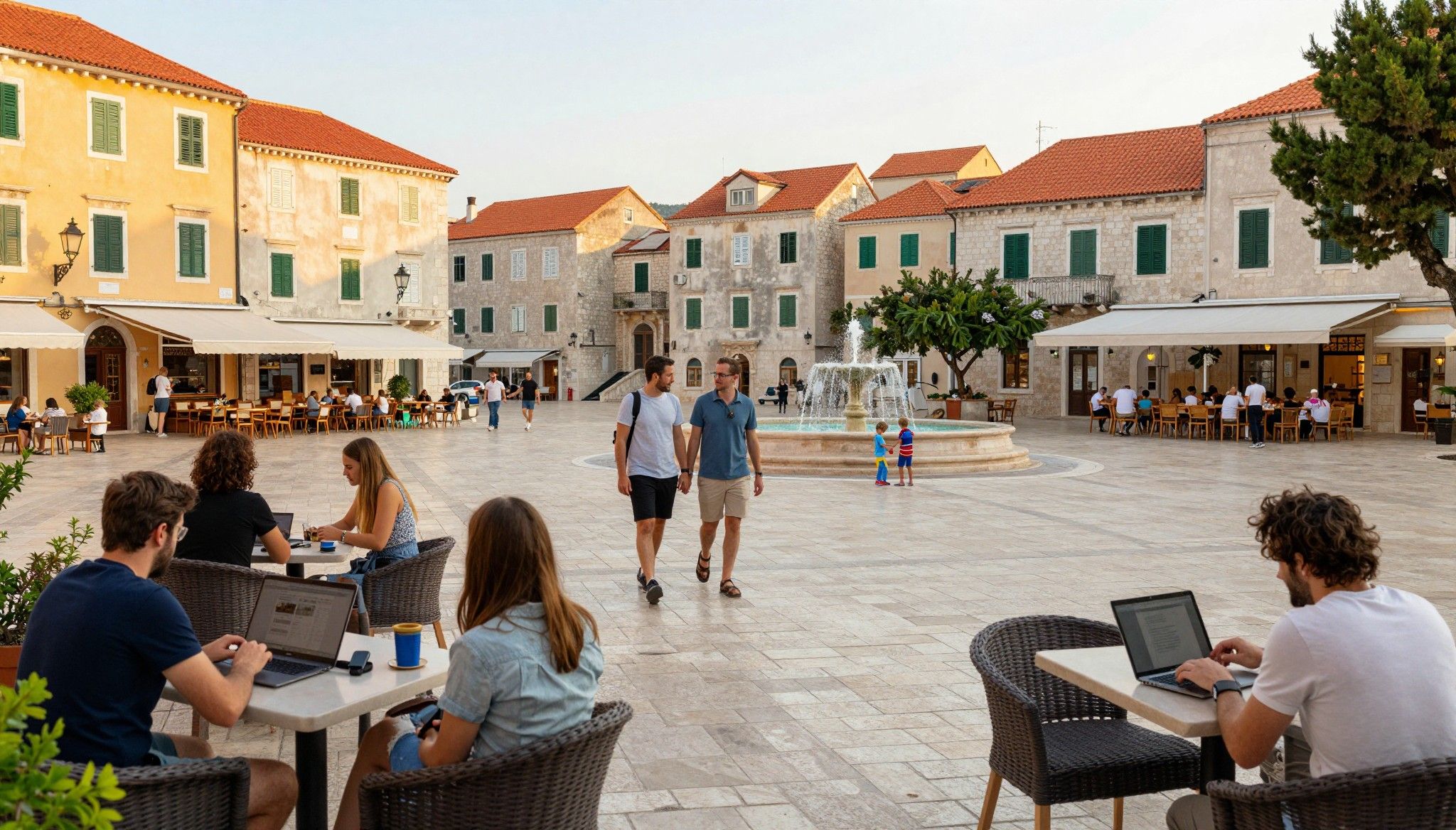
Dalmatian towns like Split, Zadar and the islands offer that postcard life — terraces, boat rentals, konobas (tavernas) and summer festivals. Expect higher prices near marinas and UNESCO old towns. Istria (Rovinj, Pula) blends Italianate cuisine with quieter year-round communities; it’s a favorite for buyers seeking a slower pace but steady amenities. Coastal properties are lifestyle-forward but often cost more to insure, maintain, and heat/cool outside of summer months.
- Morning espresso culture in coastal squares; island swims before work; weekly fish markets in Split; hidden coves around Vis; coworking spots and meetups in Zagreb.
Making the move: financing, banks and currency
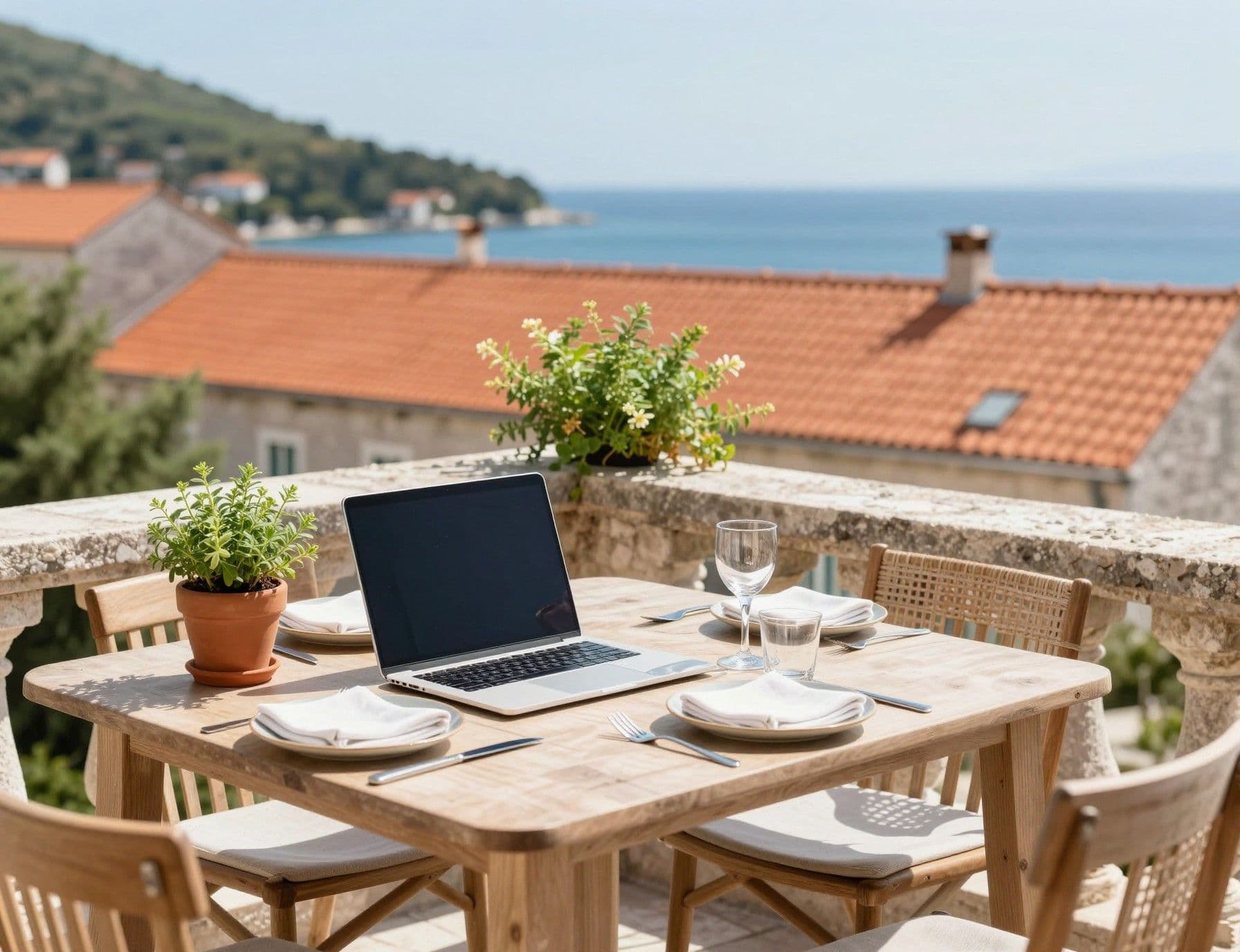
Dreams meet numbers here. Croatia uses the euro (since January 1, 2023), which simplifies currency exposure for many Europeans but still requires care for buyers paid in other currencies. Local banks will lend to foreigners, but loan conditions vary by residency, income source, and collateral. Understanding which bank products match your nomad income — freelance invoices, foreign payrolls, or mixed-currency savings — is crucial before you make an offer.
Mortgage realities for internationals
Some banks offer mortgages to non-residents but expect higher down payments (often 20–40%), stricter income verification, and slightly higher rates than for residents. If you have euro-denominated income or a residency permit, lenders are more flexible and rates can be competitive. Plan for extra paperwork: translated contracts, certified income proofs, and sometimes a Croatian tax number (OIB) before the bank starts underwriting.
Banking & opening an account
Opening a local account is straightforward and recommended for paying utilities, HOA fees, and local taxes. Major banks like Zagrebačka banka, Erste, and OTP offer English-language online banking and non-resident accounts. Use local accounts to avoid FX fees on recurring payments and to build a relationship with a bank that may later support a mortgage application.
- Steps to align financing with your nomad income: 1) Get a preliminary affordability check from 2–3 Croatian banks. 2) Prepare translated income docs and OIB. 3) Consider a larger deposit to lower rates. 4) Ask about products for foreign currency earners (caps, conversion rules).
Insider knowledge: what expats wish they'd known
Expat buyers often fall for sea views and historic stone facades — and forget practicalities that shape day-to-day life. Expect seasonal spikes in tourist areas: summer rents and convivial streets, winter silence and service slow-downs. Many buyers also underestimate maintenance on older stone homes: humidity control, roof work, and access for contractors can add surprising costs and headaches.
Language, community and daily life
Croatian is a melodious Slavic language and most young people in cities speak good English; learning basic phrases wins you warmth and access to local life. Join expat meetups in Split or coworking events in Zagreb to find networks fast. Be ready for slower bureaucratic rhythms — patience goes a long way when registering utilities or dealing with municipal paperwork.
Long-term cost realities
Recent listings data show coastal asking prices at a premium; inland and secondary cities remain more affordable. Factor in insurance, municipal waste fees, and seasonal utility swings — a once-gorgeous stone house can be costly to run off-season. For steady long-term living, prioritize properties with good insulation, modern heating/cooling, and reliable internet.
- Red flags and quick checks: unclear land category (agricultural vs residential); missing building permits; properties sold with unresolved communal debts; no documented access roads; unreliable internet or water pressure.
- A practical closing checklist: 1) Confirm land registry (katastar) and extract ownership. 2) Verify utility status and condominium debts. 3) Secure a notarised purchase contract with a lawyer experienced in foreign buyers. 4) Settle funds through a Croatian bank to meet local transfer reporting. 5) Register property and pay transfer taxes where applicable.
Here’s the contrarian bit many nomads love: buying off the main summer strip — a street or two inland from the promenade — often gets you authentic community, year-round services, and better value. You trade a few sea-view steps for quieter daily life, lower maintenance and stronger winter rental demand if you plan to let the place.
Working with local experts (and why it matters)
A local agent who understands nomad priorities — fibre, workspace layout, community vibe — is worth their weight in saved time. Lawyers versed in land registry, notaries who move quickly, and a trusted translator will keep your deal clean. Agencies that proactively check cadastral records and condominium debts can prevent the biggest surprises at closing.
How to pick the right local support
Look for agencies with English reviews, clear commission terms, and a portfolio that includes long-term rentals and off-market listings; these signs show they work with both residents and internationals. Ask for examples where they handled cross-border financing or helped clients open local bank accounts — those are the agencies that smooth the journey.
- Questions to ask any agency: Do you handle non-resident mortgages? Can you supply recent references? Do you use local lawyers experienced with foreign buyers? How do you verify building permits and communal debts?
Conclusion: Croatia isn’t just a purchase — it’s a change of daily life. If you prioritise community, reliable connectivity, and realistic budgeting for seasonality, you’ll find places where mornings become rituals and work blends with sea breezes. Start with a financing check, meet two banks, and shortlist neighborhoods that match the life you want. Then bring a sharp local agent and a Croatian lawyer along — they’ll turn the dream into an address.
Dutch investment strategist guiding buyers to Greece and Spain; practical financing, tax, and portfolio diversification.