Why Cyprus’ ‘Pricey’ Label Hides Nomad Value
Cyprus feels pricey on paper — but with neighbourhood choices, VAT vs. transfer-fee tactics and local agent know-how, nomads can buy a lifestyle that fits a sensible budget.

Imagine sipping an espresso on Agiou Andreou in Limassol as afternoon light warms limestone facades — but your budget calculator still insists Cyprus is "too expensive." Hold that thought. Recent market data shows steady price growth, but local life still delivers bargainable lifestyle returns for nomads and remote workers who plan differently.
Living Cyprus: sunlit routines and real streets
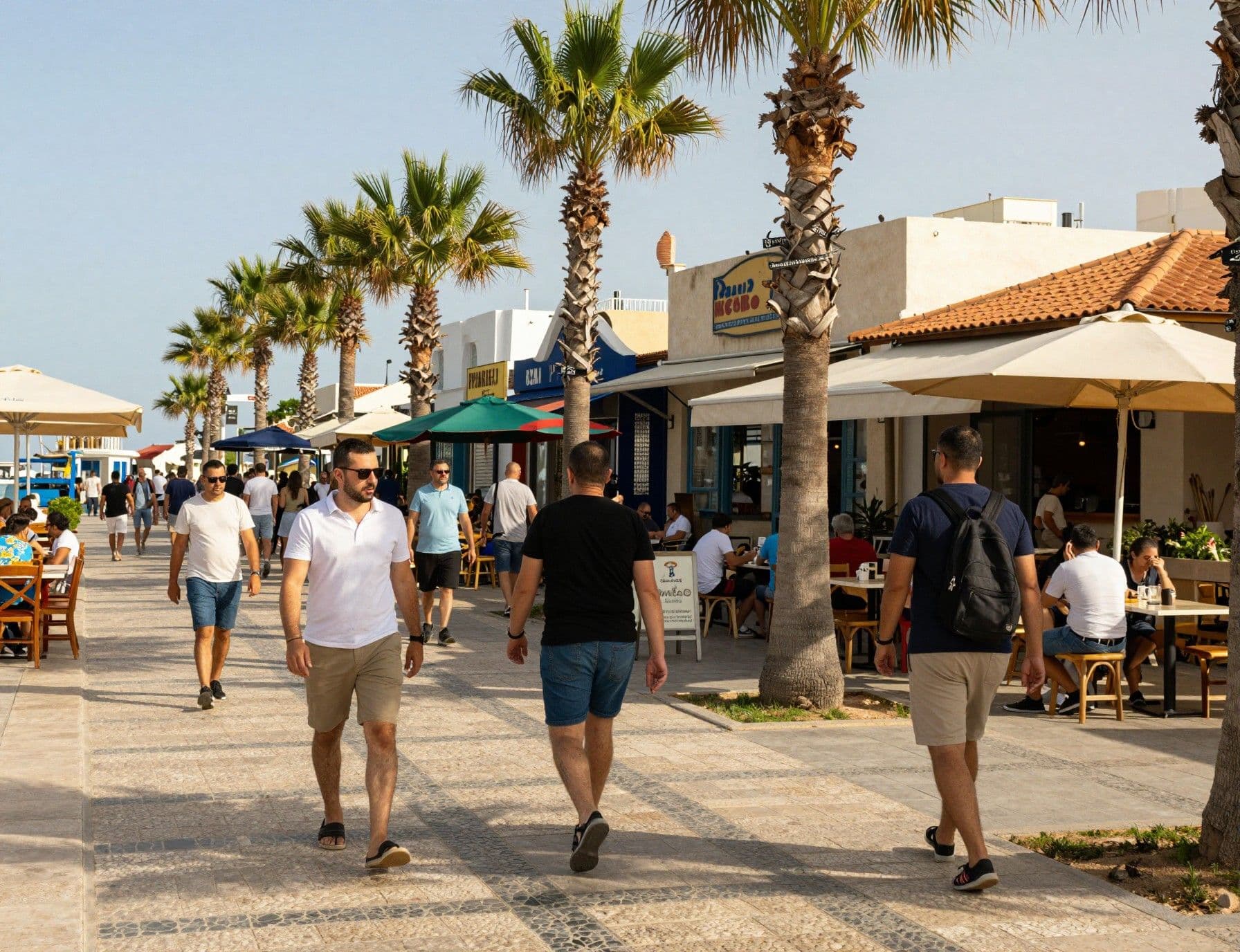
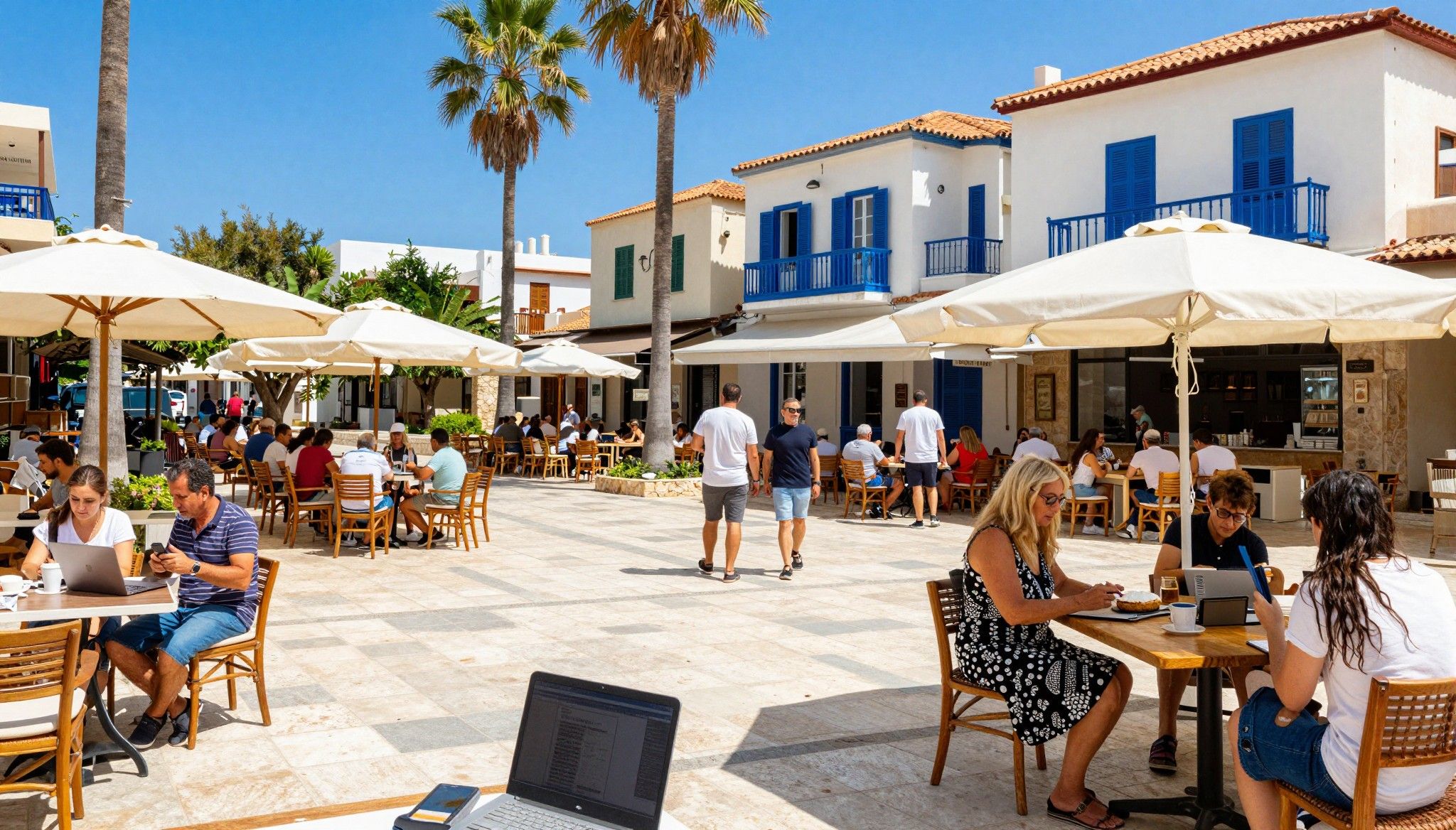
Cyprus is loud with color and slow with time. Mornings mean bakeries in Paphos and Greek‑style coffee in Nicosia squares; afternoons drift to beachside cafés in Larnaca; evenings are for mezze, laughter and long seaside walks. The island’s district-by-district prices vary widely — Limassol commands higher per-square‑metre rates while Larnaca and parts of Paphos remain comparatively affordable.
Limassol’s pulse vs. Paphos’ quiet charm
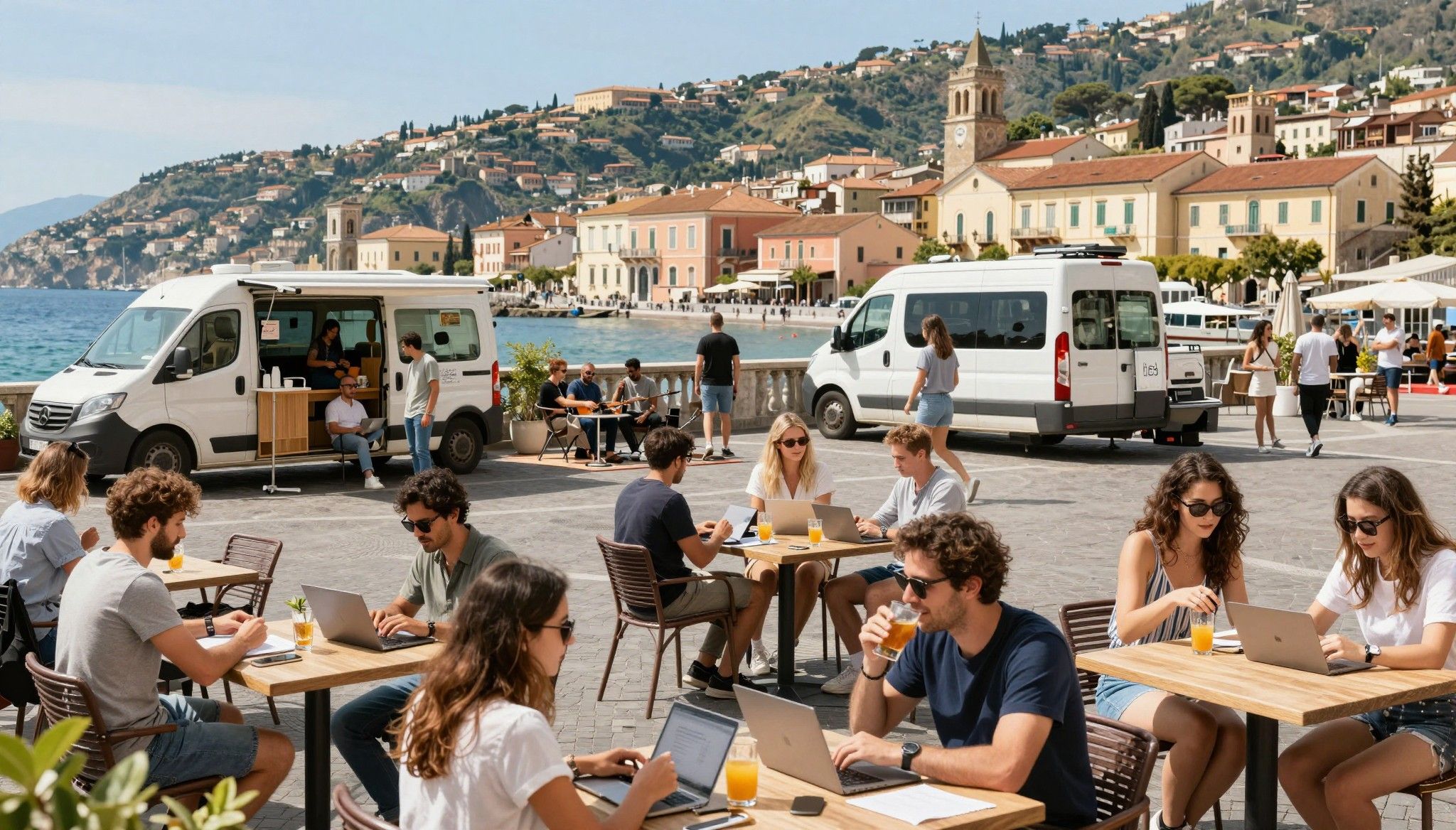
Limassol feels cosmopolitan: rooftop bars, coworking spots like Skhub, and a marina that attracts remote professionals. Paphos, by contrast, gives you village lanes, local tavernas and lower entry prices — great if you want sea and silence without paying city premiums. Both let you live a Mediterranean day-to-day; they just cost different monthly budgets.
Markets, beaches and cafés that make the day
Weekends are market days: fruit stalls in Larnaca, spice scents in Nicosia, and fish sellers in Polis at dawn. For nomads, that’s lifestyle ROI — lower grocery bills, alfresco workdays, and a warm community that offsets higher purchase prices in hotspot districts. The trick is matching the neighbourhood rhythm to your work and social needs.
- Lifestyle highlights: Agias Zoni market in Paphos; Finikoudes promenade in Larnaca; Molos boardwalk coworking in Limassol; Troodos village weekends; Aya Napa coastal trails.
Making the move: budget for life, not just the price

Here’s the practical pivot: rather than treat the purchase price as the whole story, budget for the lifestyle you want plus the transactional realities. Cyprus buyers typically face transfer fees, VAT on new builds, and legal fees — but first‑time buyer discounts, VAT exemptions on resales, and recent policy tweaks can change the math dramatically.
What to include in your initial budget
- 1) Purchase price and a 10–30% deposit on reservation; 2) Transfer fees (tiered: 3%/5%/8%) or VAT (19%) for new builds; 3) Legal fees (~€1,500–3,000) and notary costs; 4) Local agent and agency negotiation margin; 5) Moving, furnishing and short-term rental cover if you rent during renovation.
Hidden levers savvy buyers use
- Negotiate VAT treatment on new builds, check first‑time buyer transfer‑fee discounts, time contracts to avoid seasonal premium listings, and use a local valuation to contest overstated asking prices.
Insider knowledge: lessons from expats and agents
Expats repeatedly tell the same story: the house you fall in love with at first might not suit daily life. Narrow terraces, poor fiber, or long supermarket runs kill the honeymoon. Local agents who know where locals actually buy — quiet side‑streets in Larnaca or older blocks in Paphos — will save you money and headaches.
Culture, community and small practicalities
Learn a few Greek phrases, join a local meetup, and check fibre availability before signing. Many nomads find that a slightly smaller apartment in a lively neighbourhood (think old town Larnaca) gives better monthly happiness than a larger apartment isolated on the coast.
Steps to a confident budget (simple checklist)
- 1) Define the lifestyle: coworking, weekend escapes, social life; 2) Map neighbourhoods that deliver that lifestyle and get comparable prices; 3) Add 8–12% for resale purchases (or up to ~19% VAT for new builds) to your price target; 4) Reserve liquidity for renovations, utilities setup and 3 months’ living costs.
If you want a sea-facing cafe morning and a fast fiber line for afternoons, budget accordingly — but don’t assume “Cyprus = luxury prices.” The island is a mosaic: the right neighbourhood and a few negotiation tricks turn premium-feel living into an achievable plan.
- Practical negotiation tips: ask for appliance packages, date-based price adjustments, cover minor repairs in sale terms, and bring a local lawyer who can translate clauses and spot VAT triggers.
When to call an agent — and when to insist on market data
Call a bilingual local agent as early as your shortlist stage. Good agents save you weeks by pre-filtering properties with reliable fibre, clear title history and realistic price comps. But always insist on independent valuations and DLS or CBC data to anchor negotiations — don’t let charming staging replace hard numbers.
Picture this: you move in, host a rooftop dinner on your terrace in Limassol, and still have budget left for weekend escapes to Troodos. That balance — lifestyle first, costs second — is how Cyprus becomes not just a property buy but a new everyday life.
Ready to translate a dream into a realistic budget? Start with three things: pick the neighbourhood that fits your rhythm, add a realistic 8–15% transactional buffer, and book a local property lawyer to check VAT/transfer‑fee implications before you sign.
Dutch investment strategist guiding buyers to Greece and Spain; practical financing, tax, and portfolio diversification.