The Malta Neighborhood Tour I’d Buy In (And Why Now)
Malta’s charm hides a tight market: prices and transactions rose recently, but neighbourhood choices and remote‑work features unlock lifestyle value for nomads.
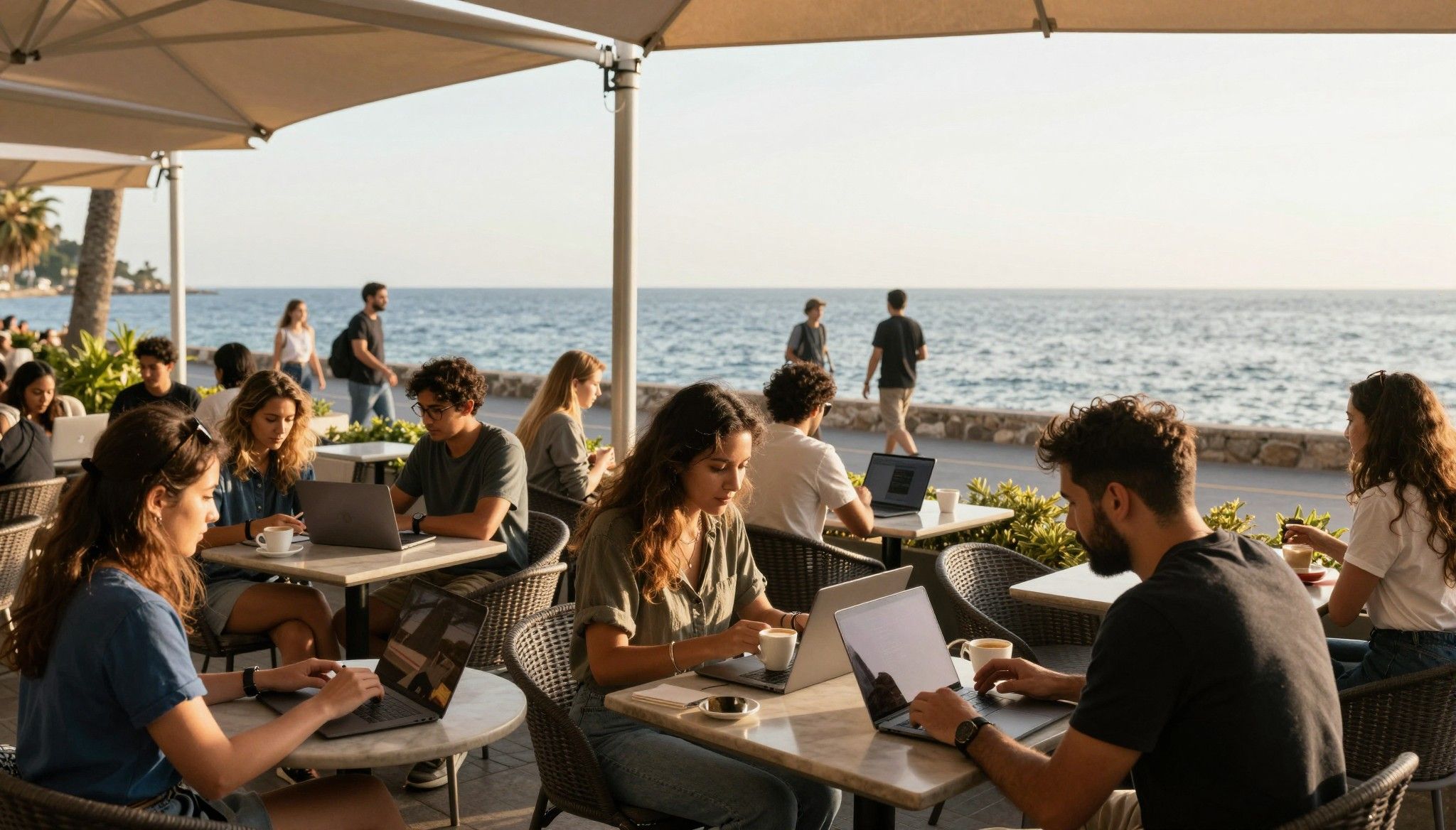
Imagine stepping out for espresso on Merchant Street in Valletta, then walking 10 minutes to your compact, sunlit home overlooking a honey‑coloured baroque roofline. Malta moves at Mediterranean pace — loud at festa time, quiet on a Tuesday morning — and it rewards the small‑home life with outsized public spaces, cafés that feel like offices, and neighbourhoods where you’ll learn three generations of shopkeepers’ names. Recent market analysis shows steady sales and constrained stock, so the island’s romance has a price — but that price hides a lot of practical value for nomads and remote workers.
Living the Malta lifestyle
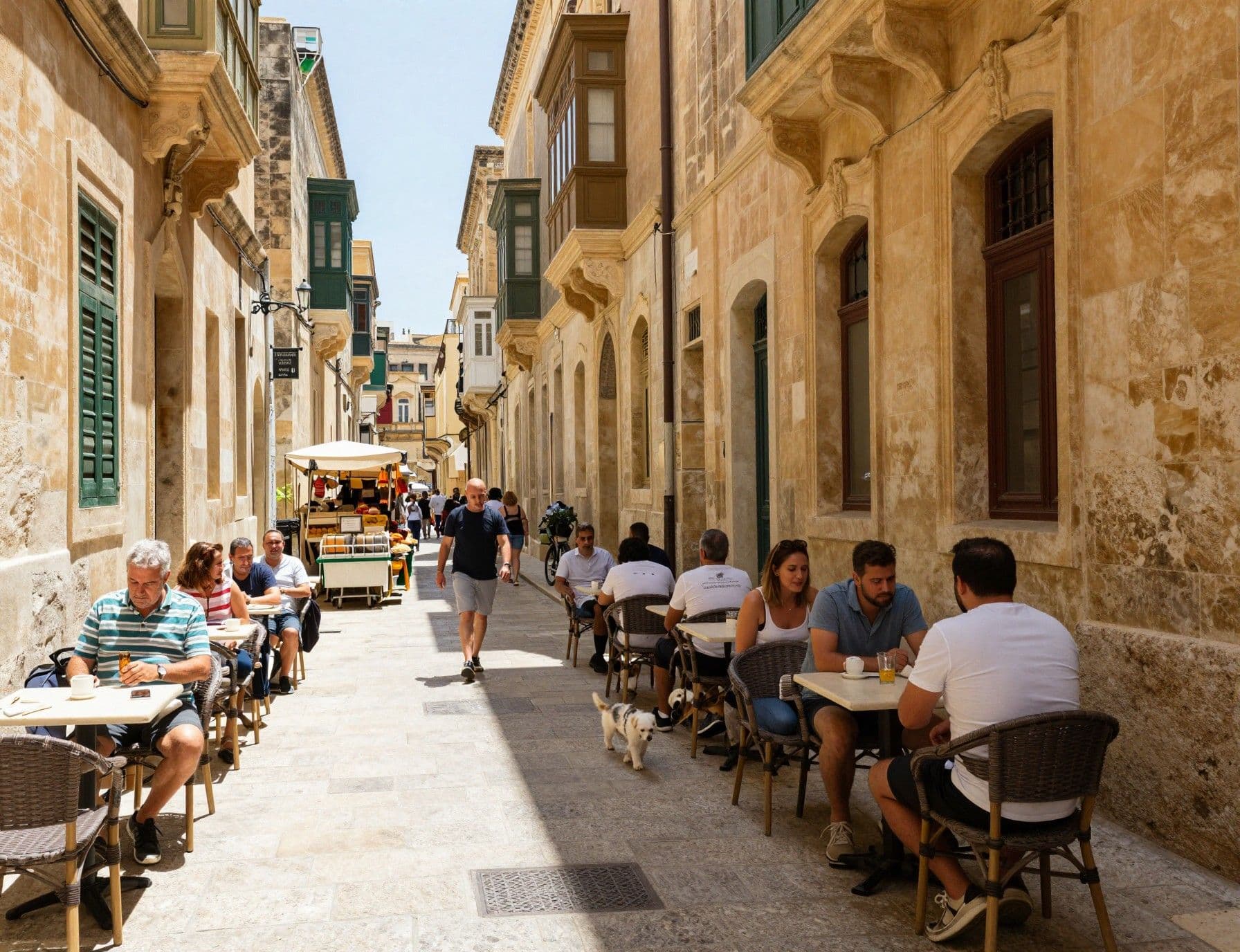
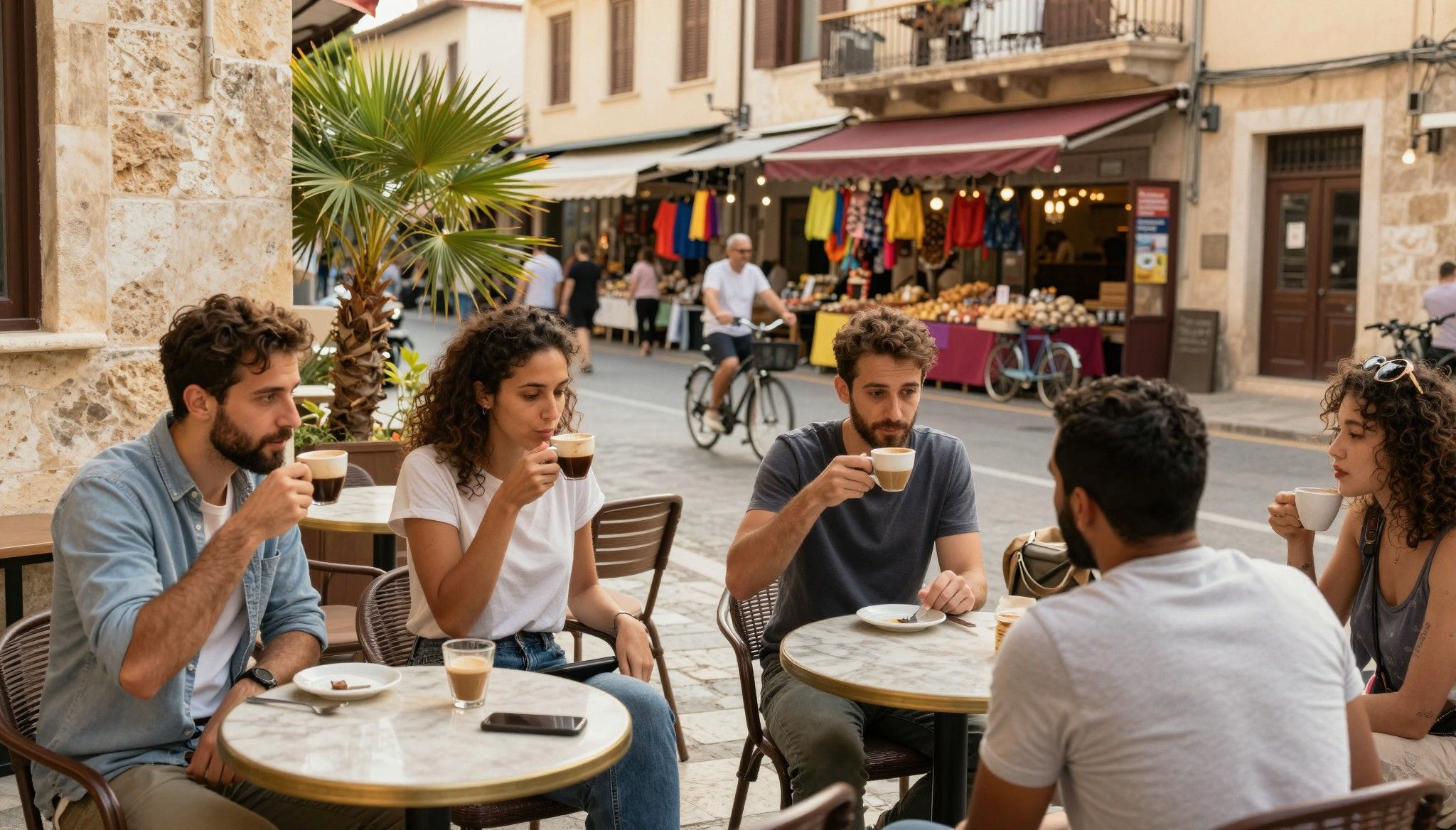
Malta is a compact mosaic of lanes, seaside promenades and pocket parks. Your day can be a mix of cathedral bells in Valletta, a lunchtime plate of lampuki near Marsaxlokk, and an afternoon sprint to a coworking space in Sliema. Weekends are market‑driven: craft stalls in Mdina, fresh fish at Marsaxlokk’s Sunday market, and sunset beers along St Julian’s Spinola Bay. The island’s English‑friendly culture makes integration fast — you’ll find meetups, cafés with solid Wi‑Fi, and an expat scene that’s informal and accessible.
Neighborhood spotlight: Valletta, Sliema, and the Three Villages
Valletta is a living museum — narrow streets, tiny cafés, rooftop terraces. It’s tiny (Valletta’s resident population is small) but globally connected; you can work from a boutique café and close clients on the same day. Sliema and St Julian’s offer seaside promenades, consistent coworking options and apartment blocks with balconies that open onto the sea. Outside the hub, the Three Villages (Zabbar, Marsaxlokk, and Birzebbuga) give slower rhythms, fishermen’s markets and lower prices for larger layouts.
Food, festivals and the small pleasures
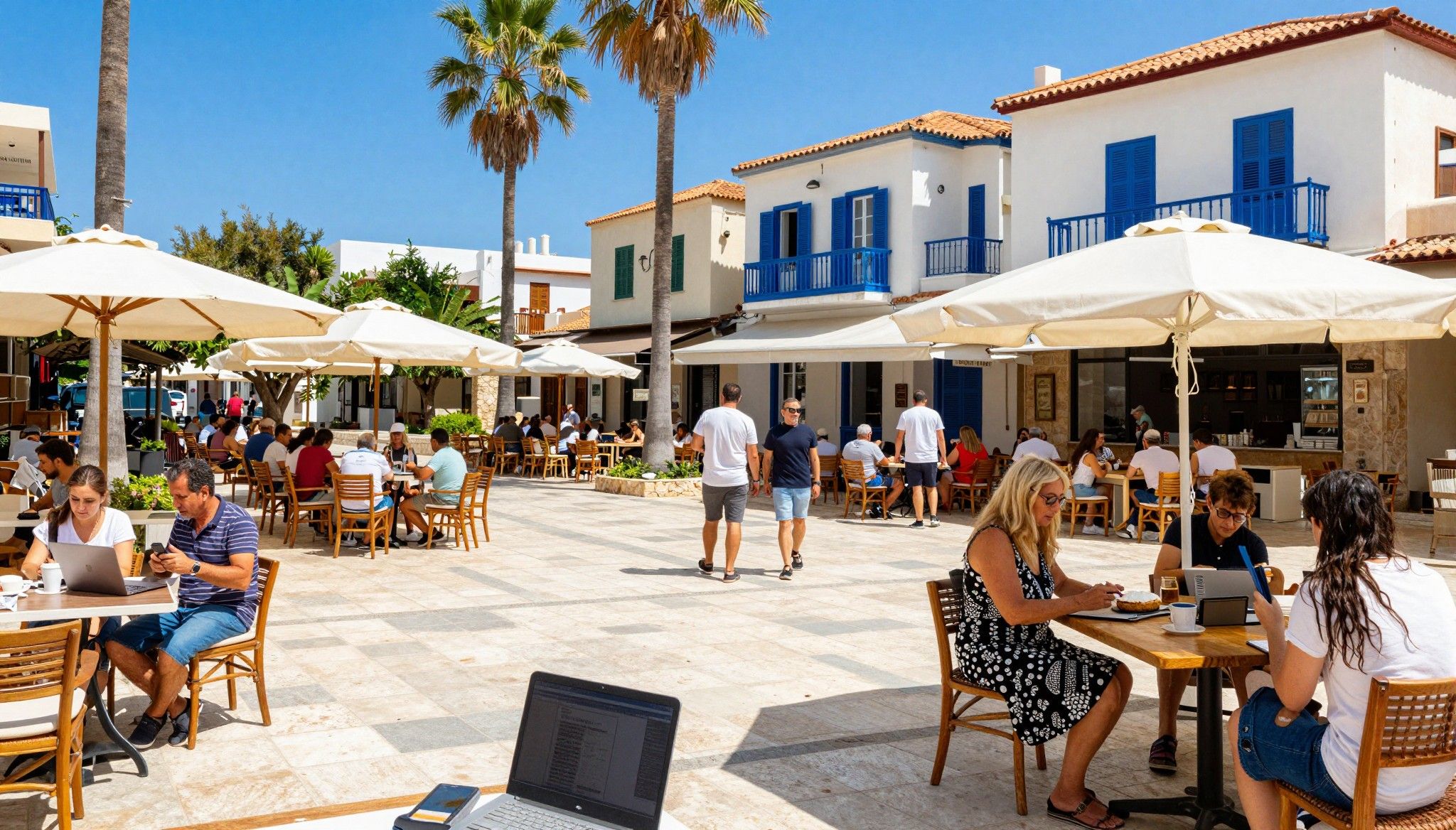
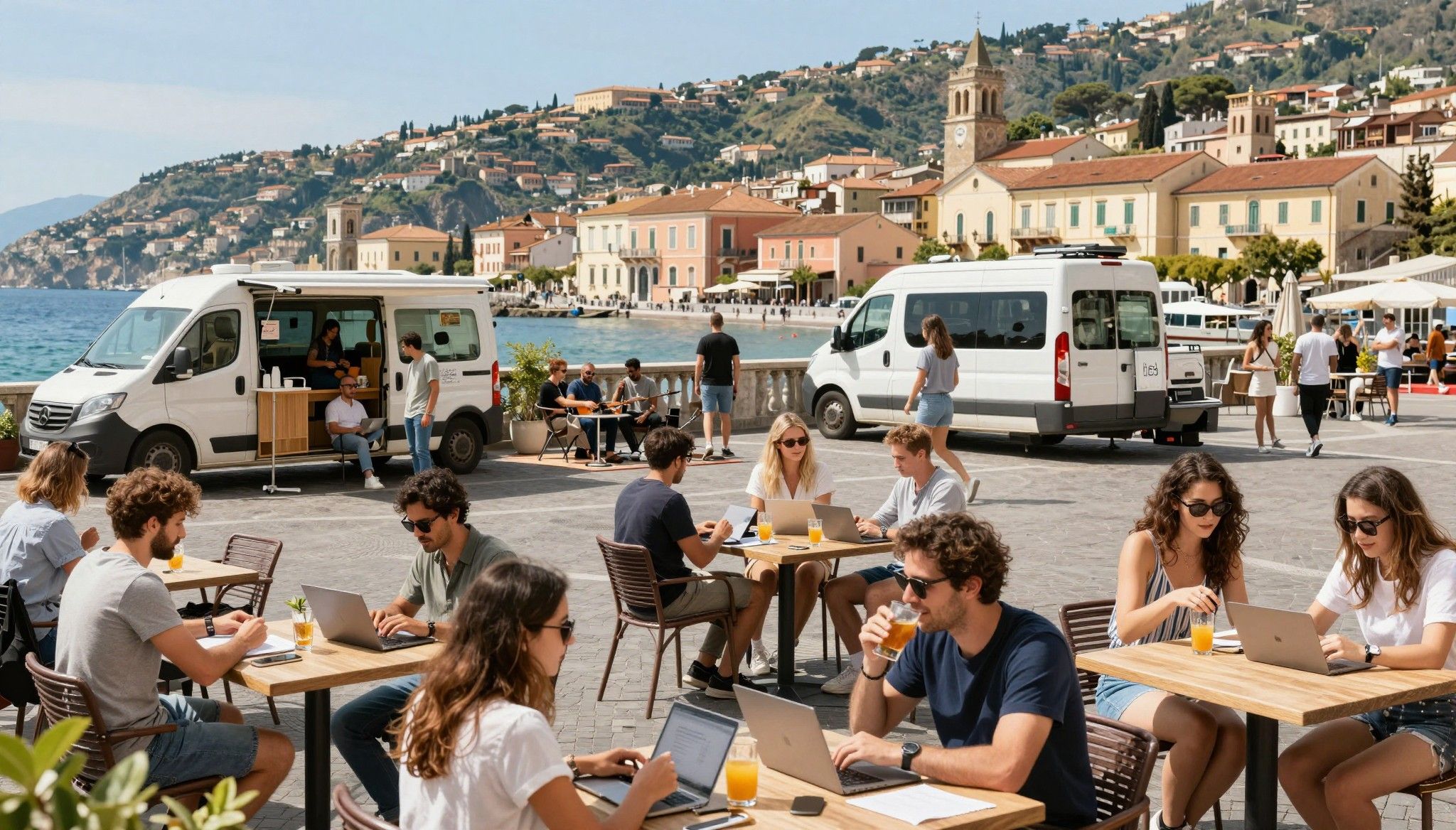
Food is how Malta socializes: ftira sandwiches, rabbit stew at family restaurants, and late‑night pastizzi raids with new friends. Festa season — blistering summer evenings with fireworks and parish stalls — lasts for weeks in different towns, and it’s where you’ll meet neighbours in a way a condominium never will. For remote workers, cafés in Gzira and coworking hubs in Swatar turn leisurely afternoons into productive sprints with reliable internet and people to trade referrals with.
- Lifestyle highlights to try next month
- Morning espresso at Caffe Cordina (Valletta) then a walk along the Upper Barrakka Gardens.
- Lunch of fresh lampuki at Marsaxlokk’s waterfront stalls, followed by an afternoon swim at St Peter’s Pool.
- Work block at a Sliema or Gzira coworking space with fast fibre and sea views.
Making the move: lifestyle meets reality
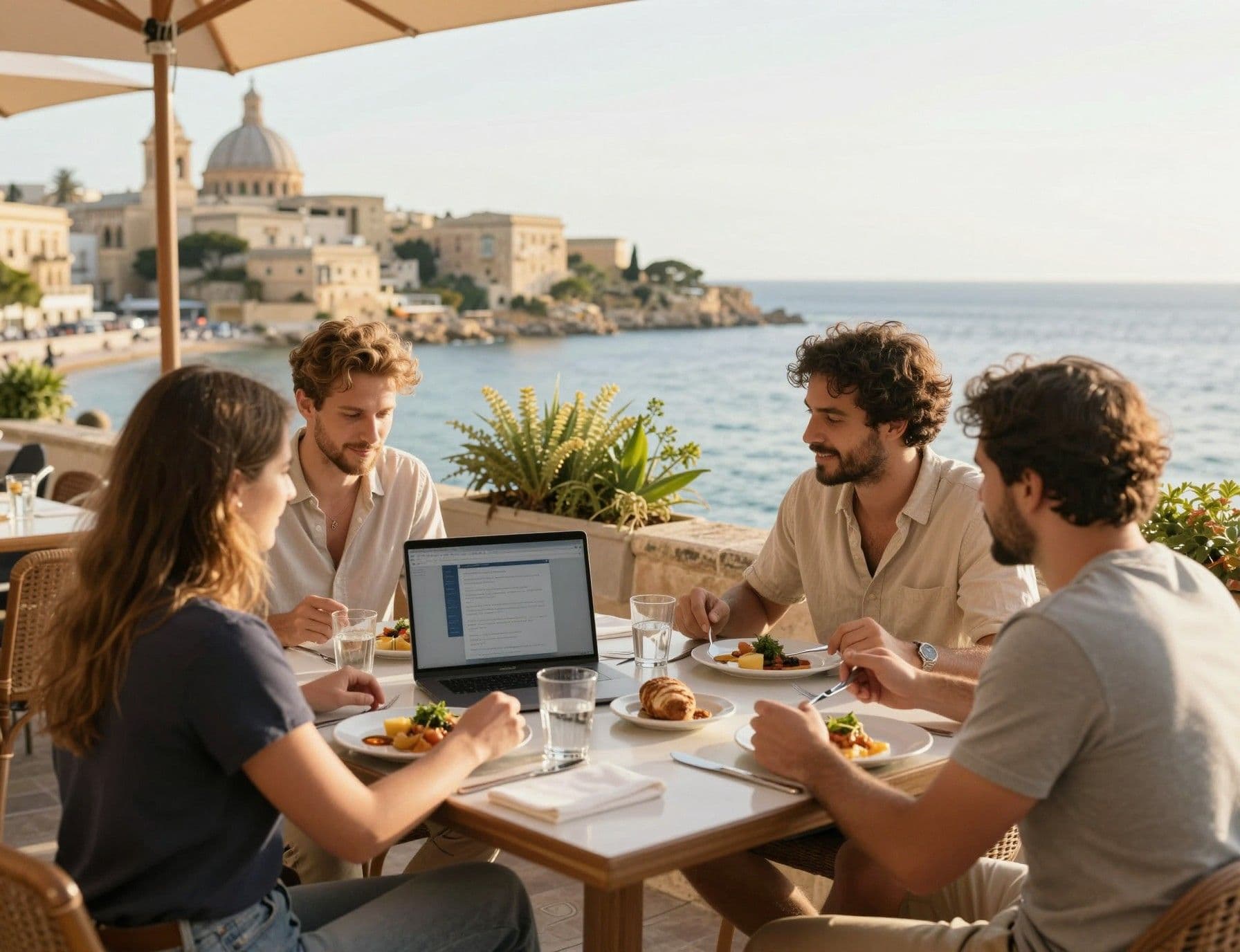
Here’s the thing: demand is real and stock is tight. Government and industry data show steady price growth and solid transaction volumes — over 12,000 transactions in 2024 with rising declared sale prices — so you’ll often be competing for well‑priced, well‑located stock. That dynamic changes how to plan: be nimble, know which neighbourhoods match your day‑to‑day needs, and prioritise features that enhance remote work life rather than chasing sea views alone.
Property styles that suit nomads
Historic maisonettes in Valletta feel romantic, but their layouts can be tricky for a home office — think mezzanines, narrow staircases and intermittent insulation. Modern apartments in Sliema or St Julian’s offer balconies, reliable heating/cooling and easier renovations for a desk nook. For long stays, maisonettes with rooftop terraces or small terrace houses in the Three Villages give outdoor space for office‑break sunrises and social dinners. Choose spaces that support predictable internet, a quiet corner for calls and a reliable power backup.
Working with local experts
A good local agent is the shortcut to lifestyle fit. They’ll know which streets have fast fibre, which blocks are quiet at 9am, and which owners are open to remote‑worker friendly upgrades. Ask agents for recent speed test results, examples of furnished short‑term lettings they manage, and references from other nomads. Agencies also help navigate the paperwork that feels mundane but matters: declared sales, recent transaction values and local municipal rules on renovations.
- Practical steps to marry lifestyle and purchase
- Map your workday: test cafés and coworking Wi‑Fi for a week before choosing a neighbourhood.
- Prioritise a dedicated desk area over a sea view — it pays back in productivity and resale appeal.
- Get local speed checks and ask for recent utility bills; small islands have quirks (seasonal load, water supply) that affect daily life.
Insider knowledge: what expats wish they'd known
Expats I know say the first six months are about rhythm: where you buy groceries, which bus route becomes your default, which barista learns your espresso order. Language is less of a barrier than you think; English is widely used in business and daily life, which flattens the learning curve. But cultural integration thrives when you join local clubs, volunteer at festa set‑ups, or simply share a tray of pastizzi with neighbours — these small rituals anchor you faster than a membership at an expat group.
Cultural quirks that affect living choices
Malta’s buildings are older and often stone‑built; that means great thermal mass but occasional condensation and trickier insulation. Banding your expectations around stone walls, small kitchens and sunny terraces saves disappointment. Also, festa noise and church bells are part of the soundtrack — if quiet evenings are essential, avoid parish centres and pick a coastal suburb instead.
Longer‑term life: how your Malta years evolve
Many nomads start with a one‑year plan, then extend via Malta’s Nomad Residence Permit or longer residency routes. The permit system supports remote work while letting you travel Schengen‑area short stays. Over time, you'll trade tourist hotspots for the quiet bakery around the corner, swap coworking weeks for hybrid island routines, and find that property choices made with lifestyle in mind pay off in day‑to‑day happiness.
- Red flags local buyers watch for
- Unexplained recent price drops on a block (ask for transaction history).
- Buildings without ventilation or recent damp remediation (stone buildings need checks).
- Listings that advertise ‘fast sale’ without comparable recent deeds — insist on deed references.
Conclusion: buy the life, then check the ledger. Malta sells a lifestyle — Mediterranean routines, English‑friendly streets, festivals that knit communities — but the market data confirms it’s a sought‑after one with limited supply. Start with neighbourhood visits, test work rhythms for a week, and work with an agent who measures fibre speeds and recent deed values as seriously as they sell terraces. When you pair the right street with practical checks, Malta stops being a vacation and starts being a beautifully functional home.
British expat who moved from Manchester to Mallorca in 2017. Specializes in market analysis and helping fellow Brit navigate local regulations.