Italy: Lifestyle-First Visa Choices That Work
How to pair Italy’s irresistible daily life — markets, cafes, neighbourhood rhythms — with the right visa route and property choices for nomads and international buyers.
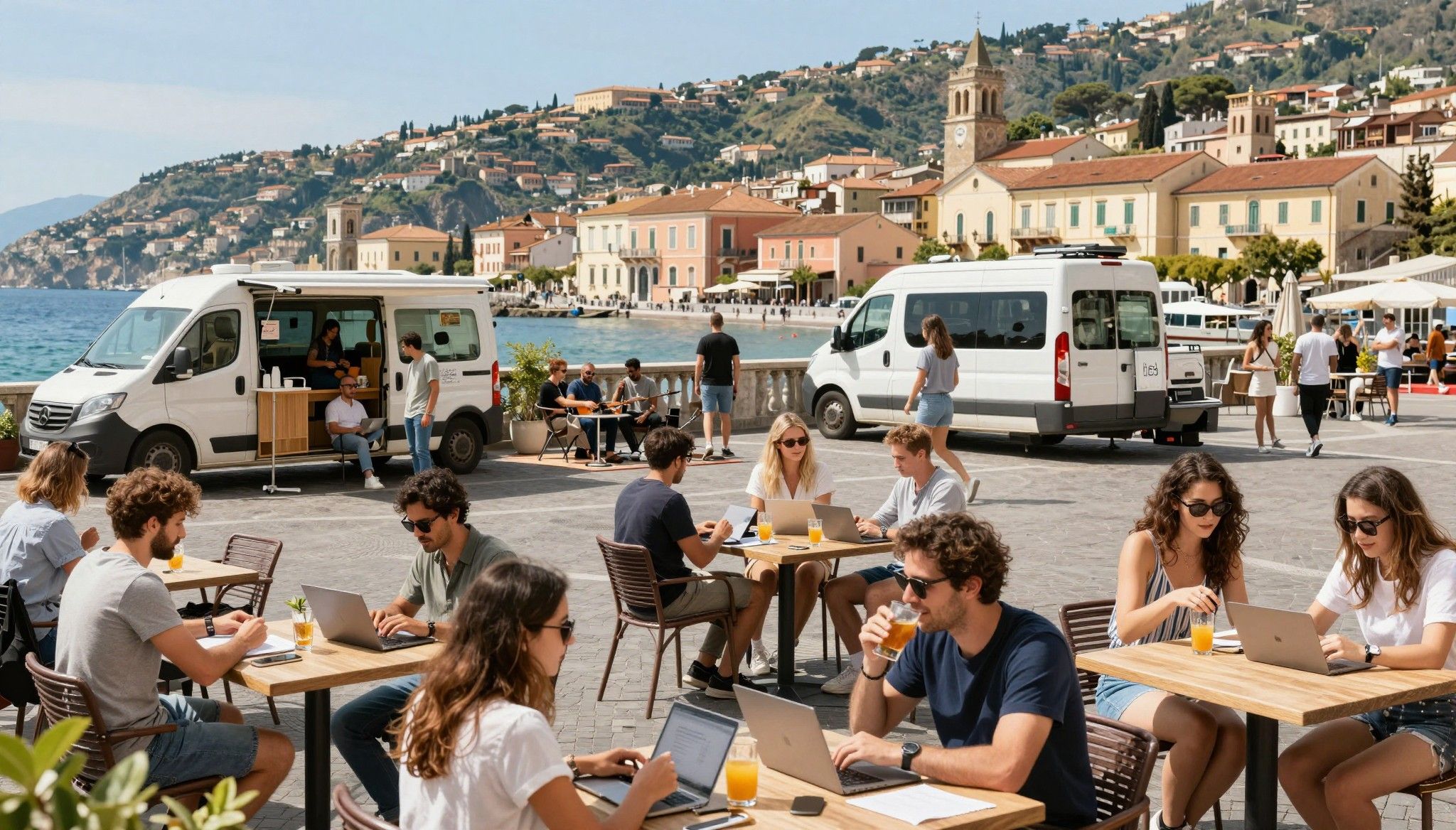
Imagine stepping out of a sun-warmed palazzo in Florence, espresso in hand, then walking five minutes to a coworking space where colleagues are from three different countries. Picture weekend road trips through rolling Chianti vineyards, Sunday markets piled with burrata and seasonal fruit, and an apartment whose terrace catches golden light until sunset. Italy sells itself on moments like these — food, neighborhood rhythms, and an easy, social pace — but for international buyers the question is practical as much as poetic: which residency route or visa makes that life possible?
Living the Italy lifestyle
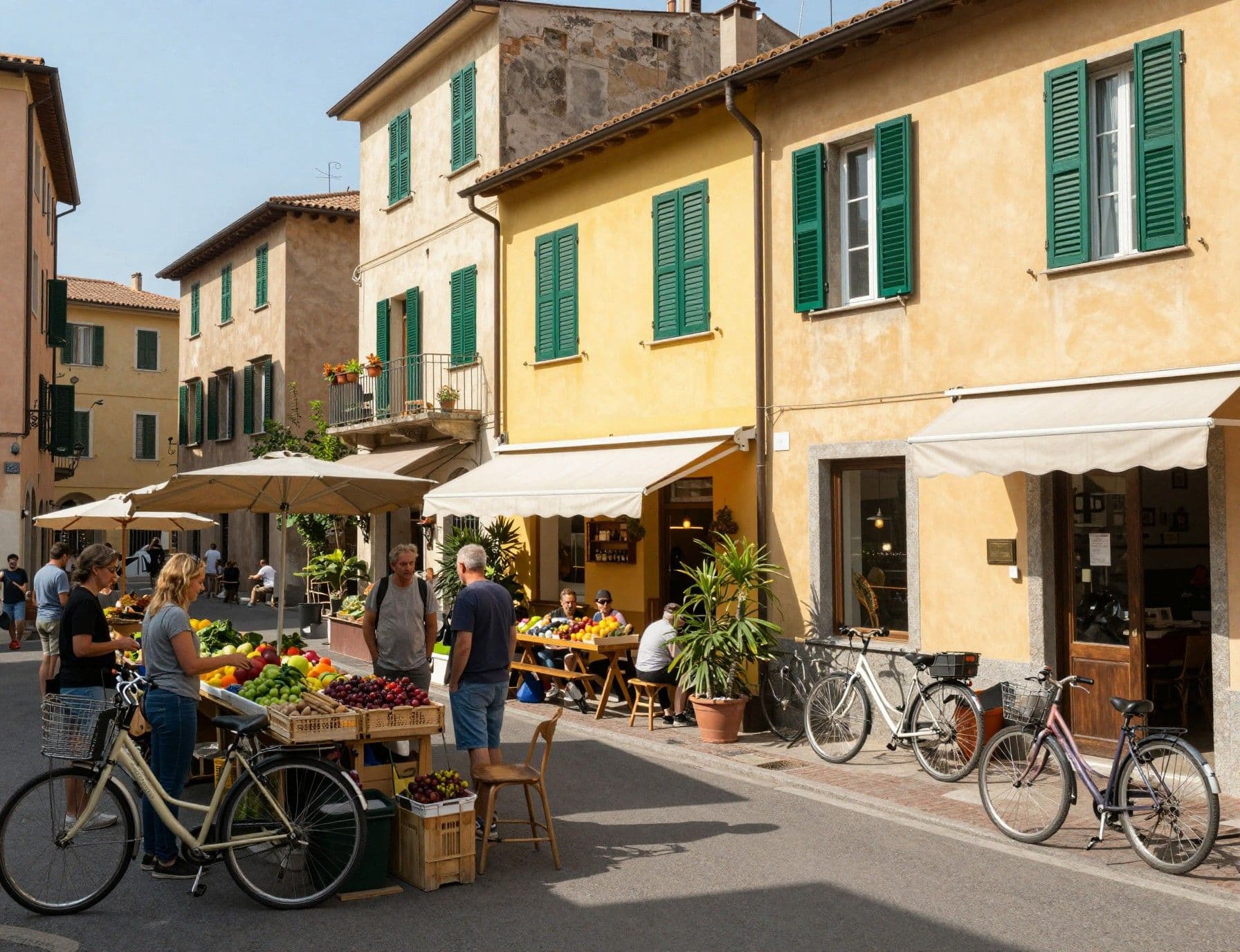
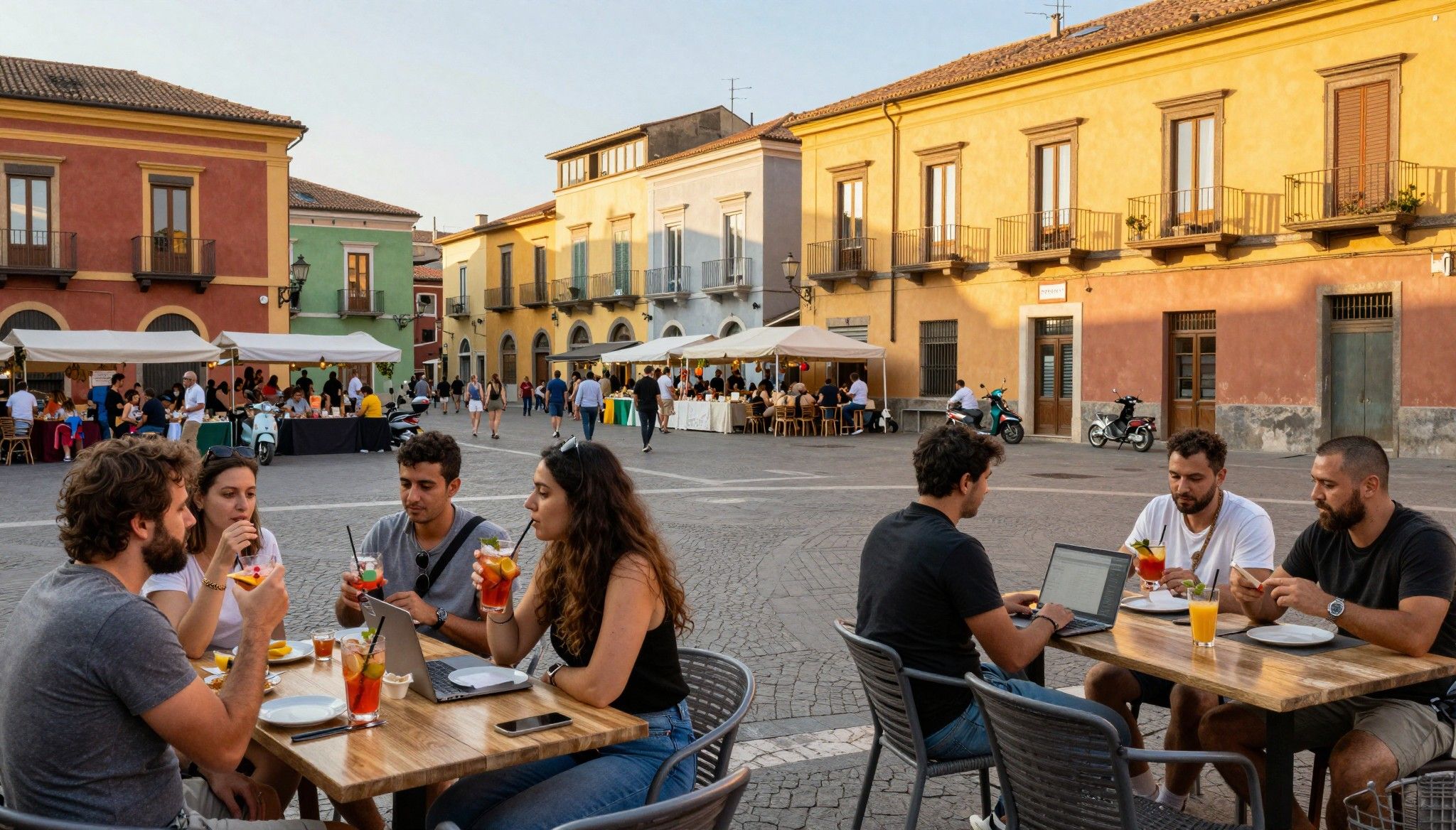
Daily life in Italy is sensory and social. Streets in Naples smell of tomato sauce and sea air; Milan hums with design and brisk coffee runs; Siena slows down for a weekly market where neighbors catch up for an hour. Expect narrow streets, storefront butchers who know your name, and piazzas that fill with laughter after work. For nomads, the best Italian days mix reliable connectivity with the small rituals of local life: a morning barista greeting, a neighborhood aperitivo, and the ability to hop a regional train on a whim.
Neighborhood spotlights that actually matter
Look past the postcards. In Rome, try Monti near Via Urbana for terraced cafes and vintage shops rather than the tourist-clogged Centro Storico. In Milan, Porta Romana offers quieter streets, excellent coworking spaces and green pockets like Giardini Pubblici. On the Amalfi Coast, stay inland around Ravello for cooler summers and more year-round life than Positano’s vertical tourism. These are the pockets where locals live, cafés stay open year-round and you’ll find a community that sustains a nomad lifestyle.
Food, markets and the rhythm of the week
Food shapes life in Italy: morning cornetti, midday markets, evening aperitivo. Neighborhood markets — think Mercato Centrale in Florence or Mercato di Testaccio in Rome — are community anchors where you’ll meet neighbors and source ingredients. Seasons are key: truffle hunts in Piedmont, cherry season in Emilia, and the late-summer melons in southern markets change where you shop and what you cook. For buyers, proximity to weekly markets and a lively street-scene often matters more than a sea view when it comes to everyday joy.
- Walkable neighbourhood cafés, a reliable local market, a nearby coworking space with fast fibre, frequent regional trains, an evening aperitivo spot filled with locals, seasonal festivals (palio, sagre, harvest fairs).
Making the move: practical considerations

Your lifestyle vision should steer the visa route. Italy’s Investor Visa (often called the Golden Visa) is real and targeted at people who can make qualifying investments; it creates a faster residence path but requires capital and paperwork. The Elective Residence visa suits those with stable passive income who want to live in Italy long-term without working for an Italian employer. Each path has trade-offs for taxes, family reunification and how quickly you can integrate into local life. Always check official guidance early — requirements and processing details are held on government portals and change periodically.
Property styles and how you'll actually live in them
Historic centre flats deliver atmosphere but often lack private parking, modern wiring or space for a dedicated home office; you’ll trade charm for convenience. Newer apartments in suburbs or smaller towns give outdoor space and faster fibre, ideal for remote work and weekend gardening. A conversion villa in Umbria or Puglia offers long-term lifestyle upside — room for guests, storage for wine, and a garden for produce — but factor in maintenance, heating in winter and reliable contractors.
Working with local experts who know the lifestyle
- Find an agency that: 1) has on-the-ground knowledge of the neighbourhood’s year-round vibe; 2) understands residency routes and partners with immigration lawyers; 3) can introduce you to a local notary and tax advisor; 4) offers after-sale support for utilities, broadband setup and property managers.
Insider knowledge: expat truths and red flags
Here’s the kind of real talk you won’t get from brochure photos. First: seasons matter — coastal towns explode in summer and slow dramatically in winter, which affects rentals and services. Second: local bureaucracy moves slowly; registering with Comune, getting a Codice Fiscale and sorting healthcare takes time and patience. Third: fast fibre is uneven — always confirm actual speeds with a speed test, not just provider promises. These aren’t deal breakers, they’re part of the rhythm; plan for them.
Cultural integration, language and community
Learning basic Italian changes everything. Even a few phrases smooth interactions with local shopkeepers, help with contractors and unlock invitations to dinners. Join local groups — vineyard volunteers during harvest, language exchanges, or expat meetups in coworking spaces — to find friends fast. Respect local tempo: shops close midday, paperwork often requires in-person steps, and relationships predicated on trust pay off for property repairs and neighborhood connections.
Long-term lifestyle and practical sustainability
Think five years ahead: will you want rental income when you travel? Do you plan to naturalize eventually? Some visas require continuous residence to progress to permanent status. Factor in local healthcare access, international schooling if you have kids, and the availability of reliable property managers. A well-chosen neighbourhood keeps you connected, makes remote work seamless and preserves the lifestyle that made you fall for Italy in the first place.
- Red flags to watch for: no written proof of broadband speeds, unclear ownership/title issues, properties with chronic damp/mould, neighbourhoods that are seasonal-only, agents unwilling to share local references.
- Next steps: 1) clarify which visa matches your finances and lifestyle (investor vs elective vs digital-nomad routes); 2) shortlist neighbourhoods based on markets, fibre and community life; 3) arrange remote viewings and a short reconnaissance trip; 4) engage a bilingual lawyer and a local agent who lives in the neighbourhood.
Italy gives you cafe rhythms, neighbourly markets, and scenery that rewires your weekends. The practical side — visa choice, reliable broadband, a notary who speaks English — is how that romance lasts. Start with the life you want: which mornings, markets and social corners you can’t live without — then choose the visa and property that let you live them. Local agencies are the translators between dream and deed; pick one who knows where locals actually live, not just where postcards are taken.
Swedish, relocated to Marbella in 2018 to chase sun and property freedom. Focus on legal navigation and tax for Nordic buyers.