Italy: Where Lifestyle Beats Labels (Visa & Market Reality)
A sensory, practical comparison of Italy’s lifestyle flavours and visa routes — pairing neighbourhood romance with market data and visa links to help nomads buy wisely.
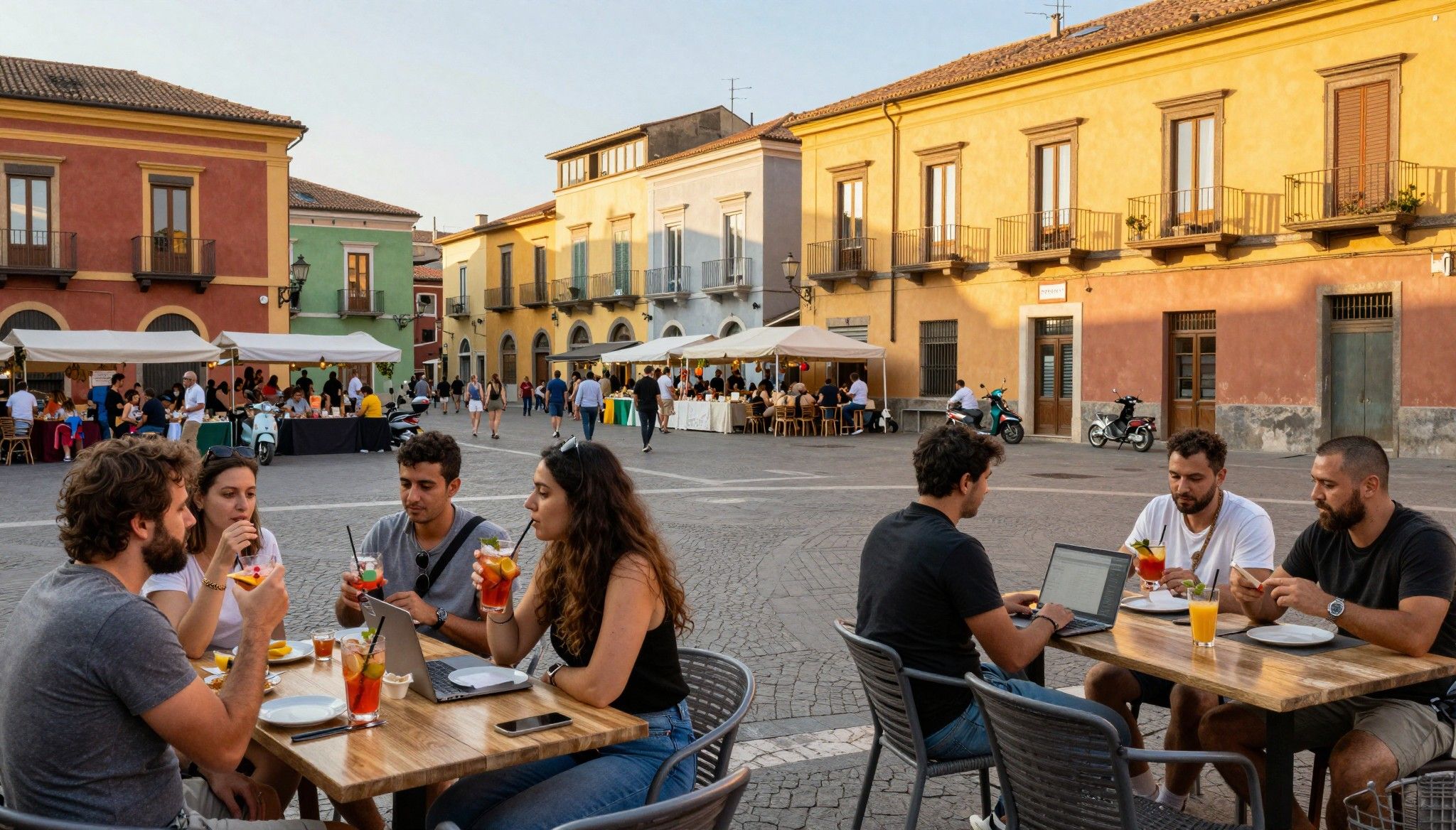
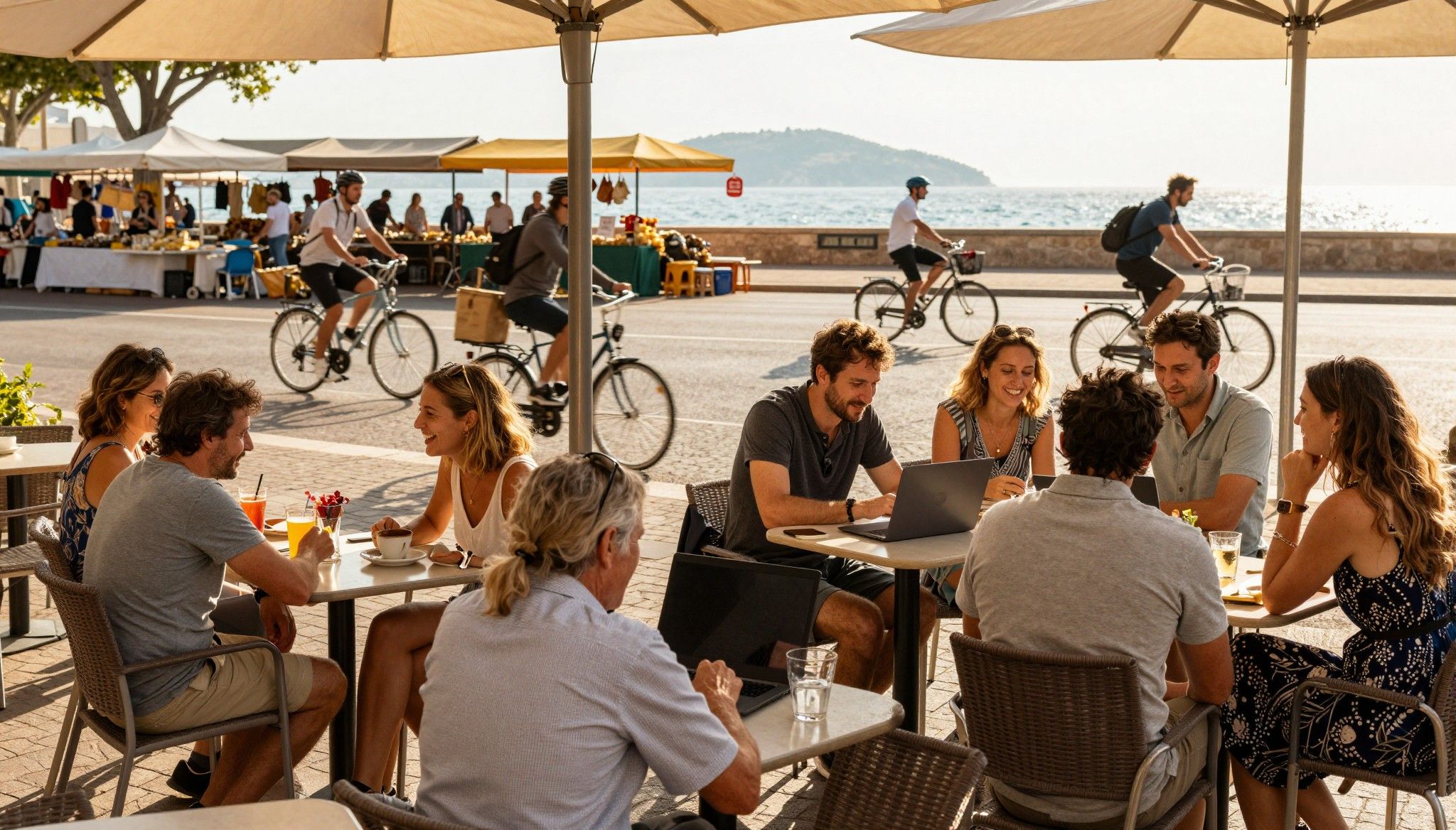
Imagine waking up to a narrow lane in Trastevere, the smell of espresso and baking bread drifting through your window, or opening your laptop on a sunlit terrace in Puglia with surfable beaches a short drive away. Italy feels like slow, beautiful motion: midday markets, aperitivo hours that bloom into dinner, and neighborhoods where strangers greet each other by name. For international nomads and remote workers, that rhythm is the point — but the path from dreaming to owning here needs local facts, visa clarity and a plan that honours the lifestyle you crave. This piece mixes vivid neighbourhood life with the visa routes and market signals you’ll actually use to make the move.
Living the Italy Lifestyle
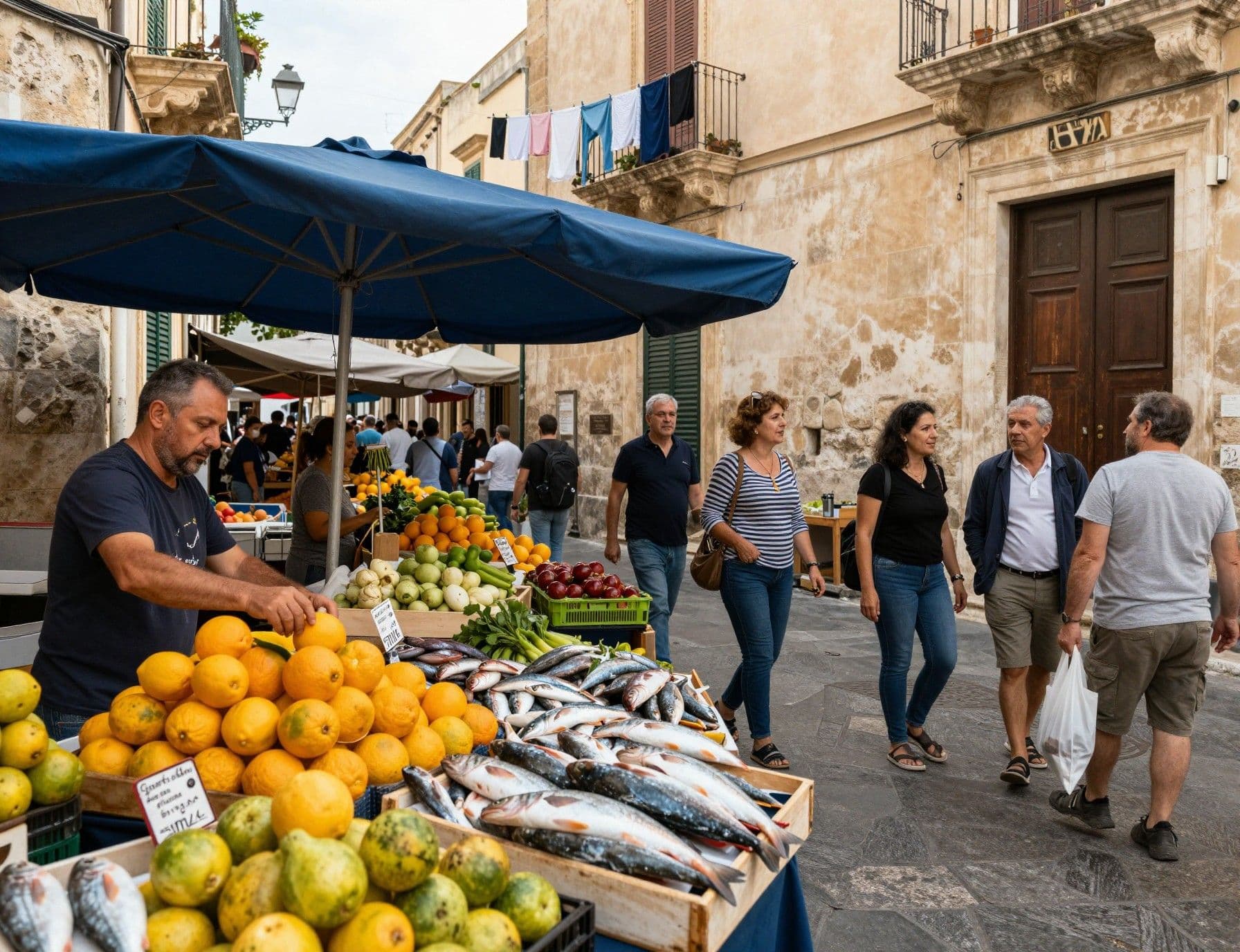
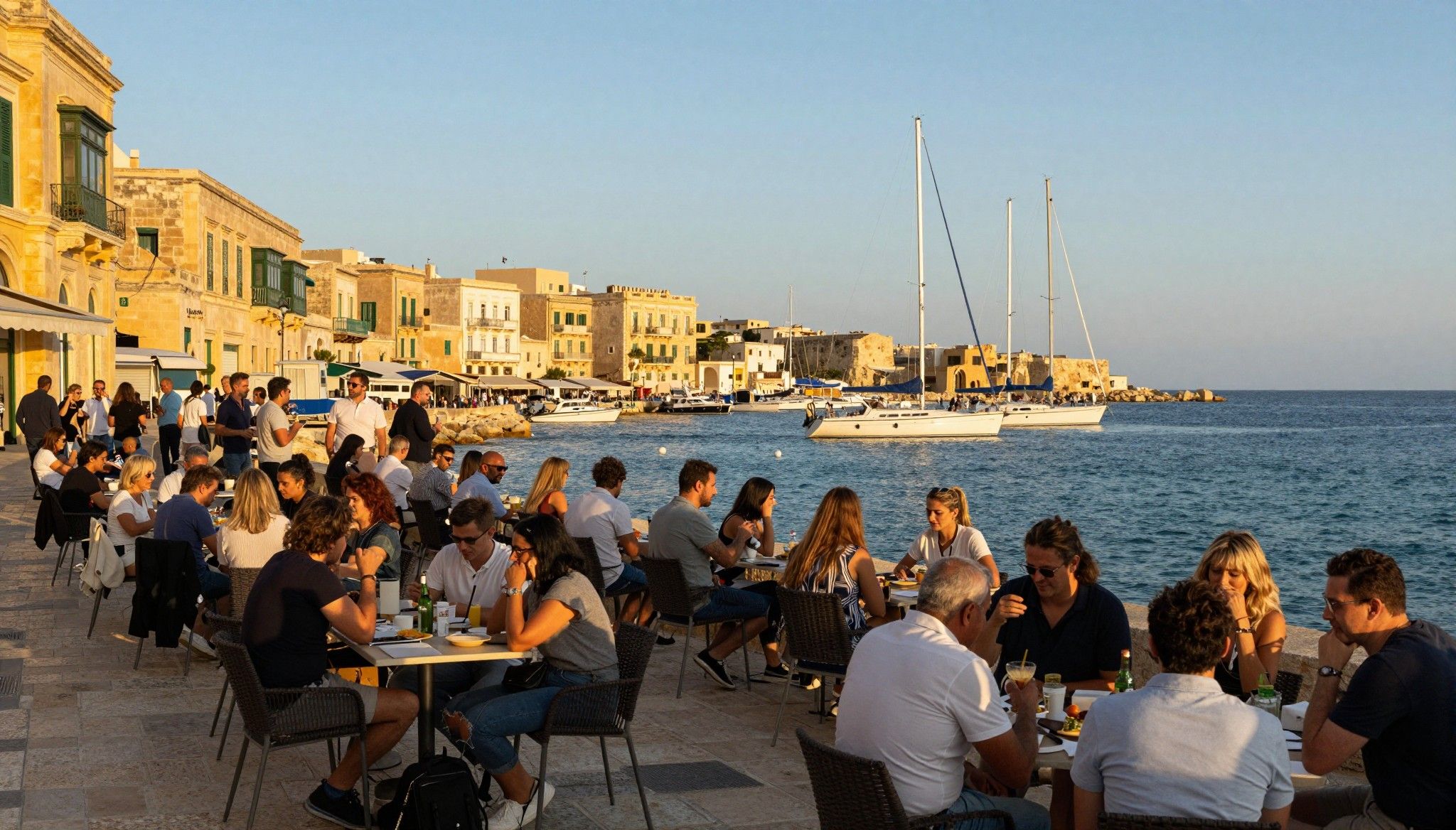
Life in Italy is sensory and social. Picture morning espressos at Bar La Cicala on Via Garibaldi in Bologna, lunchtime markets in Palermo’s Ballarò where fish sellers bark friendly banter, and golden-hour passeggiate on Naples’ Lungomare. Streets set your pace: historic centro apartments trade space for character, while small-town villas and masserie give you gardens and privacy. If you want coworking and fibre, cities deliver; if you want outdoor life and community rituals, regions from Emilia-Romagna to Sicily offer different flavours of belonging.
Neighborhood Spotlight: Trastevere, Milan Navigli & Bari Vecchia
Trastevere (Rome) is postcard-pretty but lived-in: cobbled alleys, osterie with nightly chatter, and a mix of students, artists and long-term locals. Milan’s Navigli and Isola balance design cafés, evening aperitivi and reliable coworking: good for nomads who want structure and networking. Down south, Bari Vecchia rewards slow mornings with fish markets and tight community life — cheaper prices, authentic social ties, and a coastline that reshapes your weekend routine. Each of these micro-areas defines how you'll spend time, not just where you sleep.
Food, Markets & Seasonal Rhythm
Seasonality runs Italy’s calendar: chestnut festivals in autumn, truffle markets in Alba, and coastal summers that empty cities for a few weeks. Your property choice should match that cycle — a tiny apartment in Florence looks different in August than November. Food anchors community: weekly mercato trips, neighbourhood trattorie and local producers make everyday life both delicious and social. If you plan to host meetups or run in-person workshops, pick neighbourhoods with lively squares and reliable transport links.
Lifestyle highlights
- Morning espresso at local bars (Trastevere’s Bar San Calisto; Milan’s Pavé)
- Weekend markets (Ballarò in Palermo; Mercato Centrale Florence)
- Coworking hubs and design cafés in Milan, Rome, Bologna
- Coastal escapes: Cinque Terre hikes, Salento beaches and Amalfi drives
Making the Move: Practical Considerations
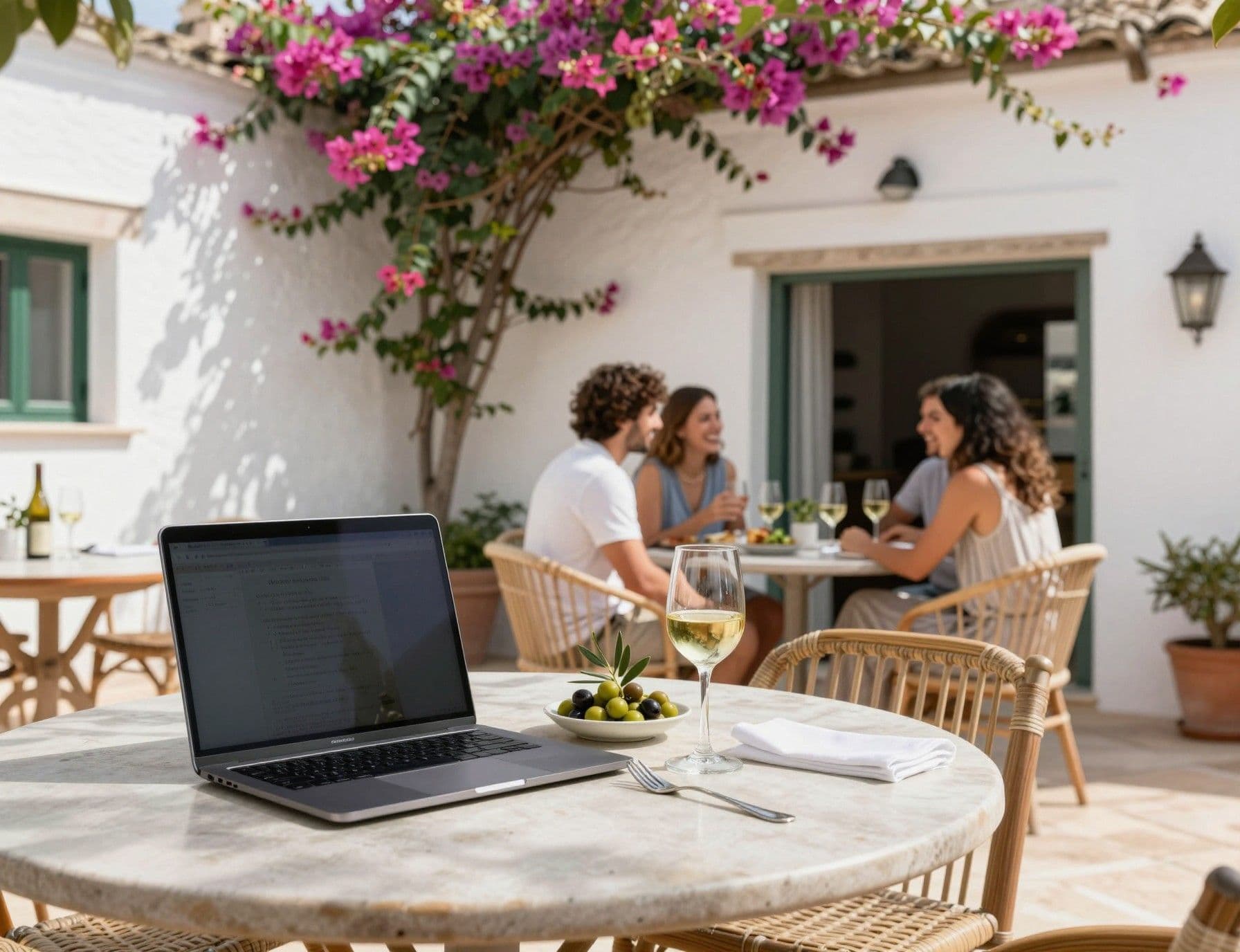
The romance meets reality when you look at prices, visas and connectivity. National price indices and portals show modest growth and strong demand in 2025–2026, especially in Milan and Rome, while smaller towns offer value if you're after space and slower pace. If visa access matters, Italy now has clear investor routes and traditional elective residency options — both require documented funds and paperwork, so plan months in advance rather than weeks. And if you work online, check local broadband: national averages have improved, but speeds still vary by city and neighbourhood.
Property types & how they match lifestyle
Historic centro apartments give instant atmosphere and walkability but often lack private outdoor space and require careful renovation work. Newer conversions and townhouses on city edges add room for a home office and better insulation. Country masserie and Puglian trulli offer land and sunlight — great for creatives and slow-lifers, but check transport and year-round services. Match the property type to weekly rhythms: if you host workshops, choose accessibility; if you crave solitude, look for rural parcels with reliable fibre options.
Working with local experts
Local agents and boutique firms are your culture bridge. Good agents know which streets have reliable fibre, which palazzos have smoke-free neighbours, and the quirks of local paperwork — saving you weeks. For visa-linked purchases (like investor visas), work with agents who have experience coordinating with lawyers and the consulate so your property timeline aligns with residency documents. Expect to hire a notaio (notary) for closing and a local accountant for tax residency questions — they’re standard steps, not gatekeepers.
- Steps that blend lifestyle and logistics
- Survey neighbourhoods in person (spend morning, afternoon and evening in your top picks).
- Confirm broadband and mobile coverage from providers in writing before making offers.
- Match visa timeline to purchase schedule (investor visa or elective residency require different proofs).
- Budget for renovation realities in historic buildings — permits and specialist crafts cost time and money.
Insider Knowledge: What Expats Wish They’d Known
Expats often underestimate the social wiring in Italian towns: a good butcher, the neighbourhood barista and the municipal clerk are your daily network. Language matters less for transactional steps if you’ve hired professionals, but it matters hugely for social integration — learn basic Italian and a few neighbourhood phrases. Expect bureaucracy to be slower and pride-filled; appointments and paperwork can take longer than you expect, so treat time as part of your relocation budget. Finally, rental demand has risen in recent years, so if you buy to rent, check local short-term rules and long-term tenant markets.
Cultural integration and day-to-day life
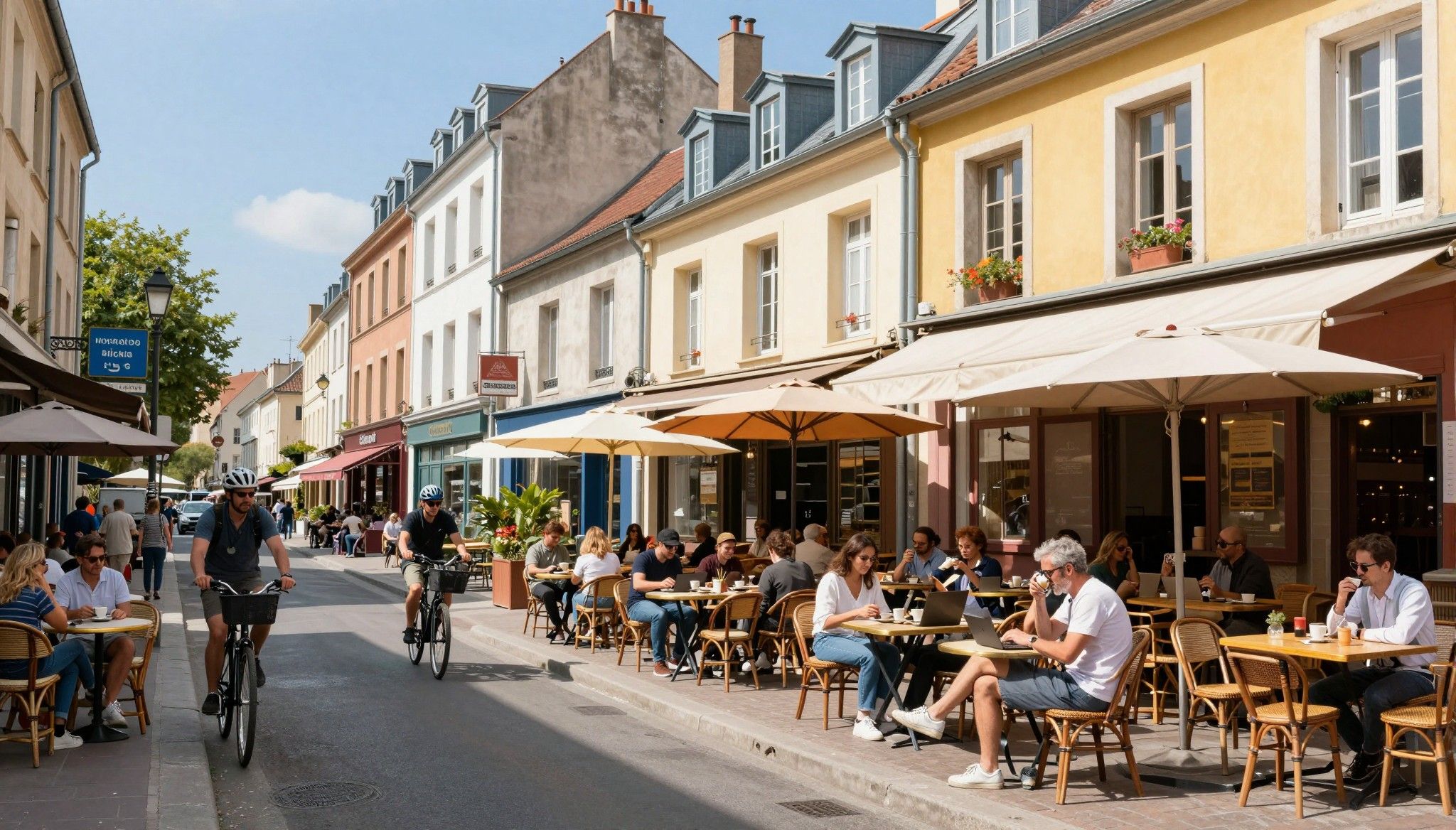
Join local classes — cooking, language exchanges, or cycling groups — and you’ll meet neighbours faster than through apps. Small gestures — buying from the local panettiere, learning local festival dates, or attending a parish festa — open doors that listings and contracts never will. Digital nomads find community in coworking events, while retirees often plug into slower volunteer rhythms; choose your neighbourhood based on where you want to belong, not just where you want to live.
Long-term lifestyle & practical considerations
- Key long-term factors: residency type (investor vs elective), local tax residency rules, maintenance and community levies, and reliable connectivity for work. National trends show continued price pressure in major cities while smaller towns offer space and lower entry prices — a tradeoff between capital growth and lifestyle space. If you plan seasonal living, think about services (medical, transport) that matter in winter months and how community density changes across seasons.
Conclusion: Live the life, plan the steps. Italy rewards curiosity: choose streets you’d love to wander, not just photos you’d love to post. Then match that lifestyle to visa timelines, agent expertise, and connectivity checks before you sign. If you’d like, we can compare local agencies that specialise in visas, historic restorations, or turnkey rentals so you find a partner who truly gets the life you want to build in Italy.
Danish investor and relocation advisor focusing on Portugal and the Algarve; loves coworking culture and expat networks.