Make an Offer in Croatia That Keeps the Life You Love
Fall in love with Croatia’s markets, sea and neighborhoods—then make offers that reflect off-season realities, title certainty, and lifestyle fit.

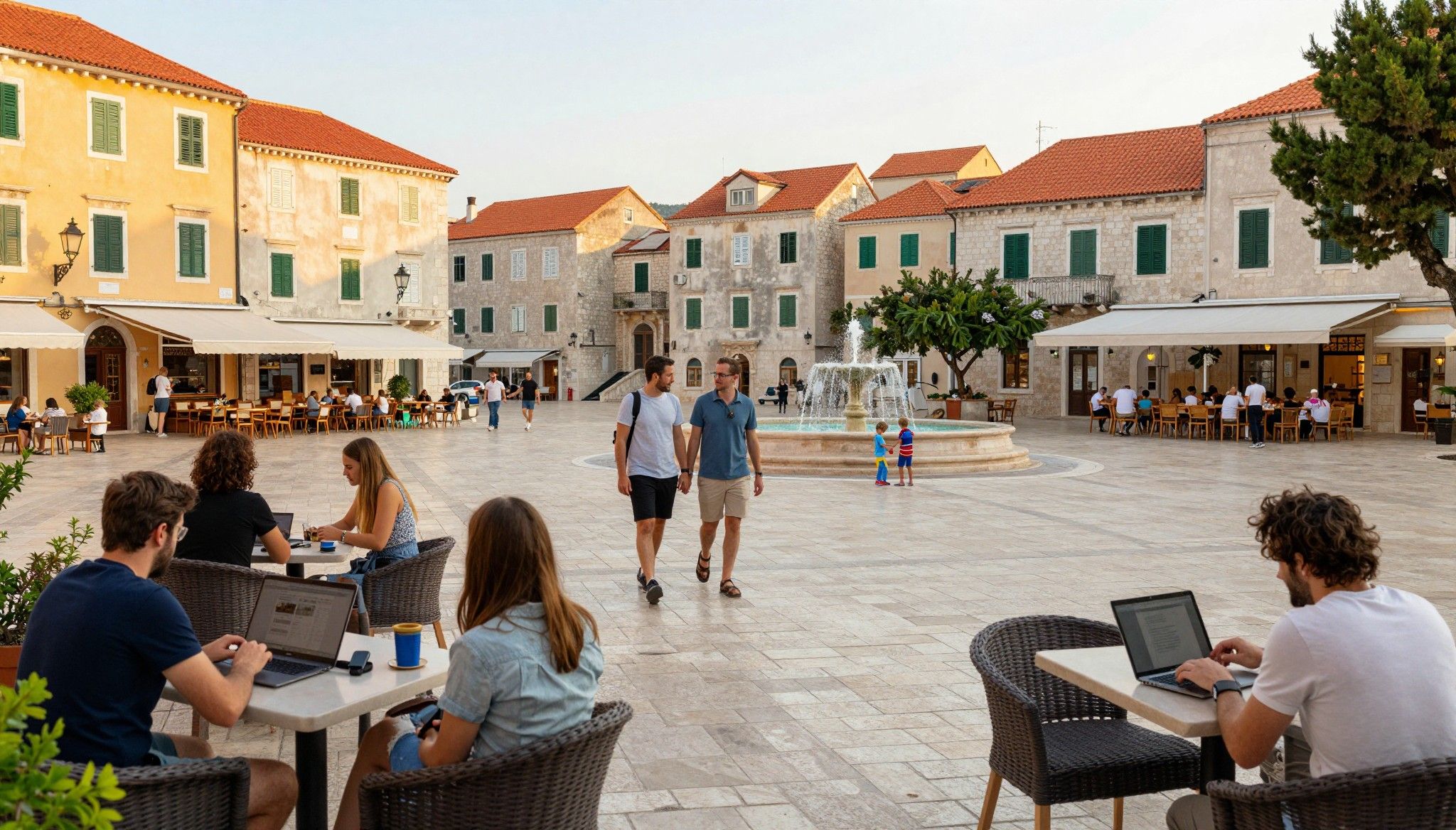
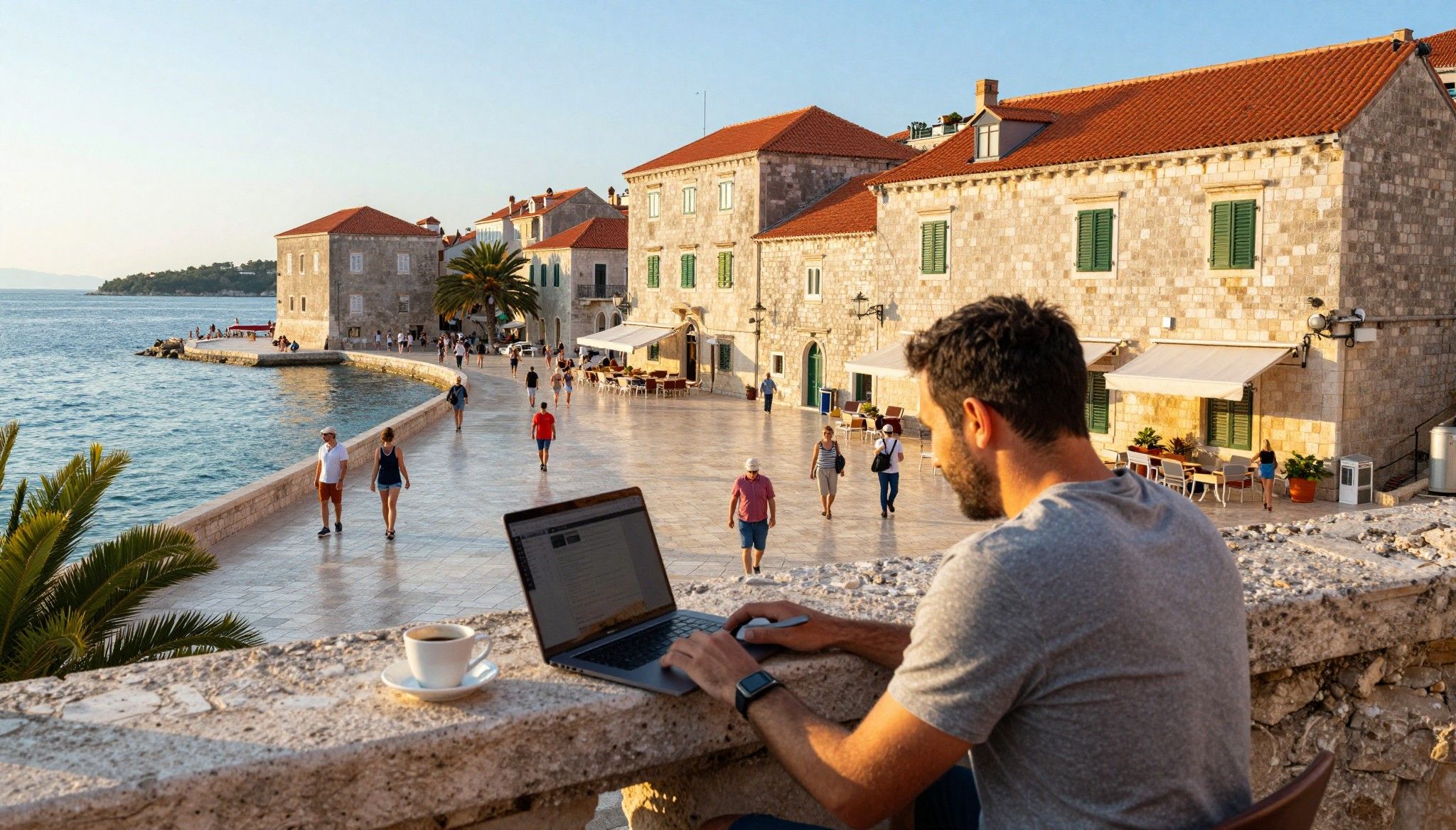
Imagine waking up to a breakfast of ricotta-filled burek, then taking your laptop to a sunlit cafe on Split’s Riva while local fishermen mend nets in the background. That slow, Mediterranean rhythm—sea air, weekend markets, aperitivi at dusk—frames why so many nomads and ex-pats fall for Croatia. But the dreamy lifestyle bumping up against fast-rising coastal prices is the real story when you move from holiday mode into offer-and-close mode. Read on for the part-romantic, part-practical playbook: how to make an offer that wins, avoid the tourist-season traps, and close a deal that keeps that seaside life intact.
Living Croatia: seaside mornings, market evenings
Croatia moves at two speeds: the coastal, sun-drenched tempo and the quieter inland cadence. In places like Dubrovnik’s Old Town or Hvar’s port, narrow stone lanes fill with chatter, espresso steam and clinking wine glasses; in Zagorje or Slavonia you’ll find rolling fields, slower Sundays and a cheaper cost of living. For nomads, that means real choices: do you want a compact apartment steps from a pebble beach and buzzing summer crowd, or a house with a garden in an inland town where community life is year-round? Either way, the country delivers Mediterranean food culture, strong safety, EU protections and a surprisingly modern digital infrastructure—reasons AdriOnika notes foreign buyers keep coming.
Neighborhood spotlight: Split’s Veli Varoš & the Riva
Picture Veli Varoš: terracotta roofs, tiny konobas (family taverns) and a fifteen-minute walk to Diocletian’s Palace. Mornings here mean fresh bread from local pekara and a latte at Kavana Gajeta before a work sprint at nearby coworking hubs. Living here is about walkability—you can run errands, surf, and attend a meetup without getting in a car. For buyers this neighborhood mixes historic charm with a high demand profile: small apartments close to the Riva move fast and carry a premium in summer months.
Food, markets and weekend rituals
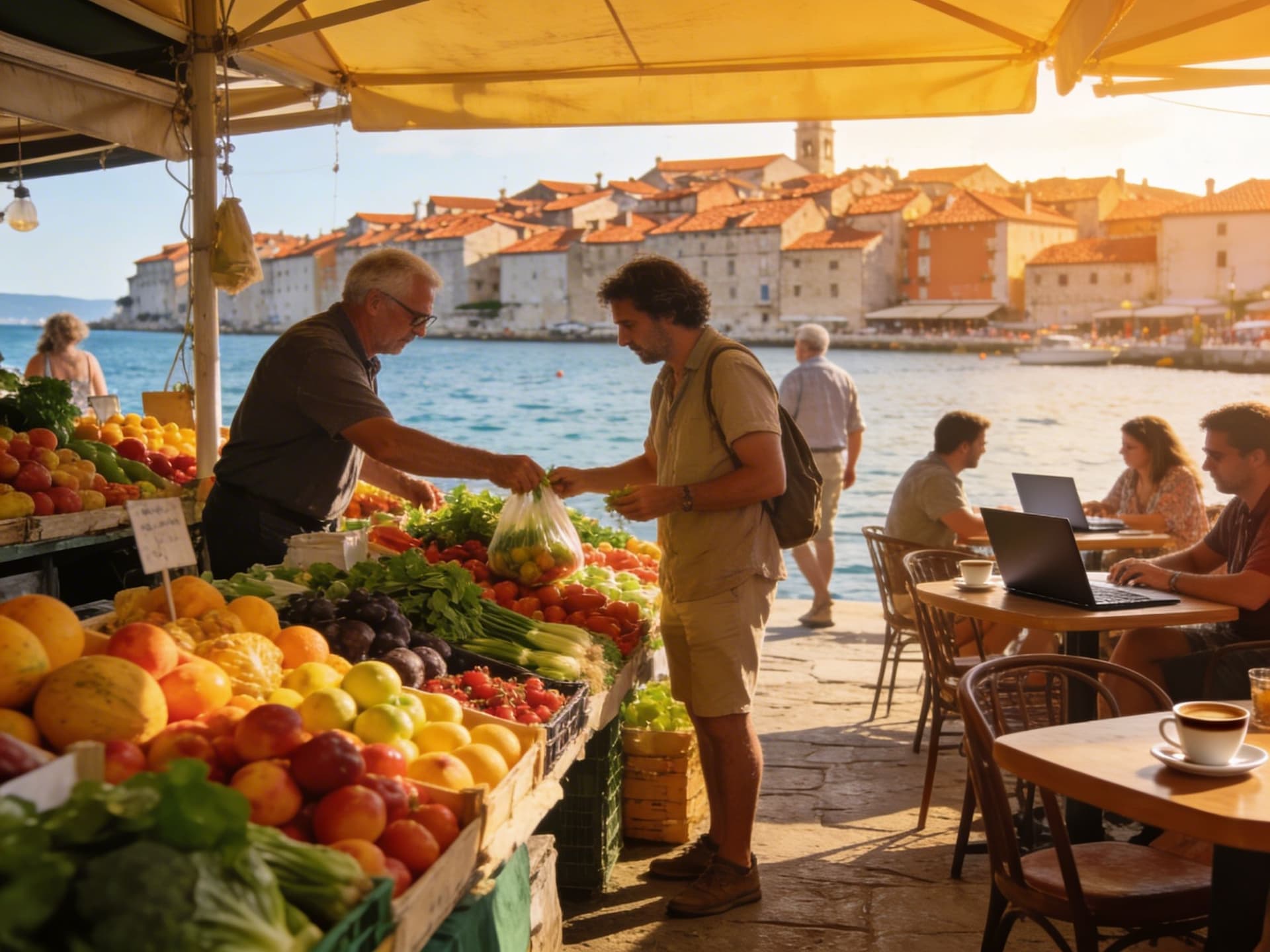
Saturday morning markets in Zagreb’s Dolac or Split’s green market are social nuclei: tomatoes that taste like summer, local prosciutto, and conversations about where to get the best ćevapi. Those rituals shape where locals buy and rent—close to markets, cafes, and squares—so if you care about lifestyle, prioritize neighborhoods that feed these daily joys. Colliers and other market observers note that lifestyle demand feeds price premiums along the coast, which is why offer timing and negotiation strategy matter more here than in many other European markets.
- Lifestyle highlights to look for in Croatia
- Walkable old towns (Split’s Veli Varoš, Dubrovnik’s Ploče) with cafes and evening life
- Morning markets (Dolac, Split Green Market) for fresh produce and community
- Coastal micro-neighborhoods with pebble beaches and moorings for day trips (Hvar town, Bol on Brač)
- Coworking hubs and cafes in Zagreb, Split and Rijeka that support remote work
Making the move: practical offer & closing realities
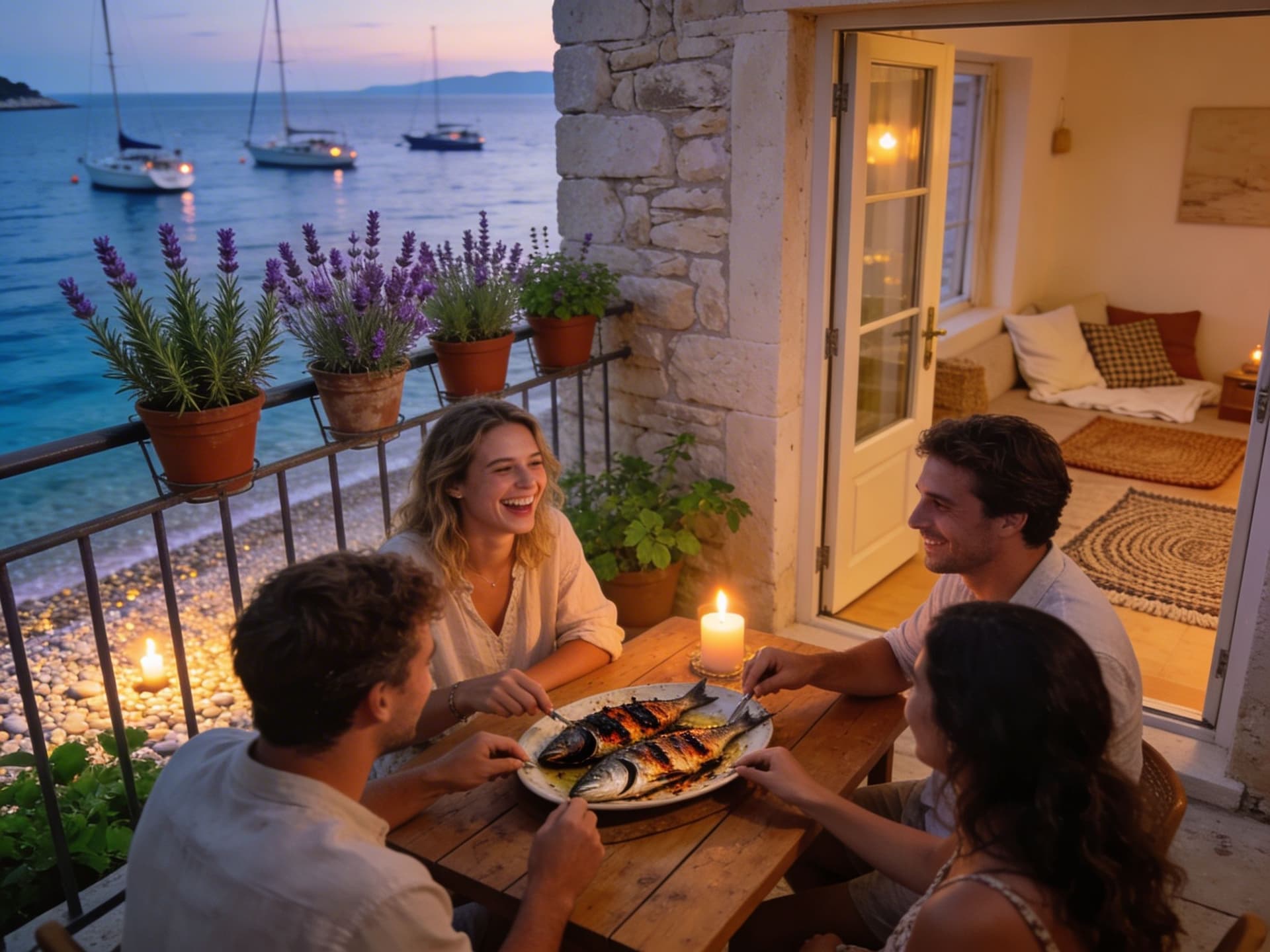
Here’s the honest part: prices have climbed fast—especially on islands and in Dubrovnik—and transaction volumes are cooling. That means you can still find value, but strategy matters. Don’t fall for the glossy listing trick (sea-view photos taken at golden hour during high season). Craft offers that reflect year-round livability, not just the Instagram moment.
Property styles and what they mean for how you live
Stone historic flats: charisma, thin walls, high maintenance. Modern apartments: solid insulation and reliable heating for the shoulder seasons. Seaside houses: spectacular views but higher costs and seasonal rental pressure. New builds inland: more space per euro, easier renovations, and calmer communities. Match the property type to your real life: if you work remote year-round, favour insulation, a dedicated workspace and reliable internet over a postcard view alone.
Working with local experts who care about lifestyle
A good agent here is both translator and lifestyle detective. They’ll show you how neighbourhood noise changes outside summer, where winter parking is impossible, or which terraces flood in autumn. Use agents for: arranging title checks with a notary, introducing trustworthy builders, and negotiating price with context—seasonal demand, comparable recent sales, and current market cooling noted by industry reports. Colliers and market analyses stress the value of local expertise as price growth normalises.
- Offer-and-close steps that mix lifestyle sense with legal smarts
- 1) Visit off-season: See the neighbourhood in November–March to test noise, services, and commute.
- 2) Ask for running costs and community minutes: heating, condo fees, and summer tourist levies.
- 3) Make an offer with conditional escape clauses: survey, clear title, and a short rent-back if needed.
- 4) Use a Croatian notary to register the sale and confirm taxes—never skip the official steps.
Insider knowledge: what expats wish they’d known
Ex-pats I know say the same two things: live like a local before you buy, and check the off-season. Many fell in love with Croatia during sun-splashed holidays and then faced small-print realities—noise from seasonal bars, limited winter services on islands, and surprising community rules about renovations. Business Insider and local reporting even show younger Croatians staying with family longer because housing is expensive—this cultural reality affects availability and local sentiment toward foreign buyers.
Cultural cues that change how you offer
Sellers expect quick, decisive offers in peak season and can be patient in winter. An offer that respects local etiquette—clear paperwork, a timely notary, and a respectful negotiation tone—goes further than a lowball bid. Also, know that many coastal sellers price for summer demand; a fair offer based on off-season comparables can win without drama.
Long-term: think lifestyle sustainability, not quick flips. Coastal properties can deliver rental returns in summer, but they also come with higher maintenance and seasonal vacancy risk. If you want to live there, prioritise insulation, a stable internet connection, proximity to year-round services, and a community you can plug into when the tourists leave.
- Red flags to spot before you sign
- Unclear land registry entries or missing cadastre maps—insist on notarised extracts
- Properties that are empty in winter—check heating and service access year-round
- Promised rental income based only on peak-summer bookings—demand verified with data
Conclusion: fall for Croatia, then close smart. The Adriatic offers an irresistible lifestyle—markets, sea-swims, late dinners and a community tempo that hooks you. To keep that life, make offers informed by off-season realities, local comparables and airtight legal checks. Work with agents who understand both the lifestyle you seek and the legal steps to get you there—then sign, register with a notary, and start living the routine you visited in holiday photos.
Danish investor and relocation advisor focusing on Portugal and the Algarve; loves coworking culture and expat networks.