Offer Timing & Insider Tactics for Buying in Croatia
Blend Croatia’s sunlit lifestyle with data-driven offer tactics—time bids off-season, inspect deeply, and use local comparables to win and close the home you’ll actually live in.
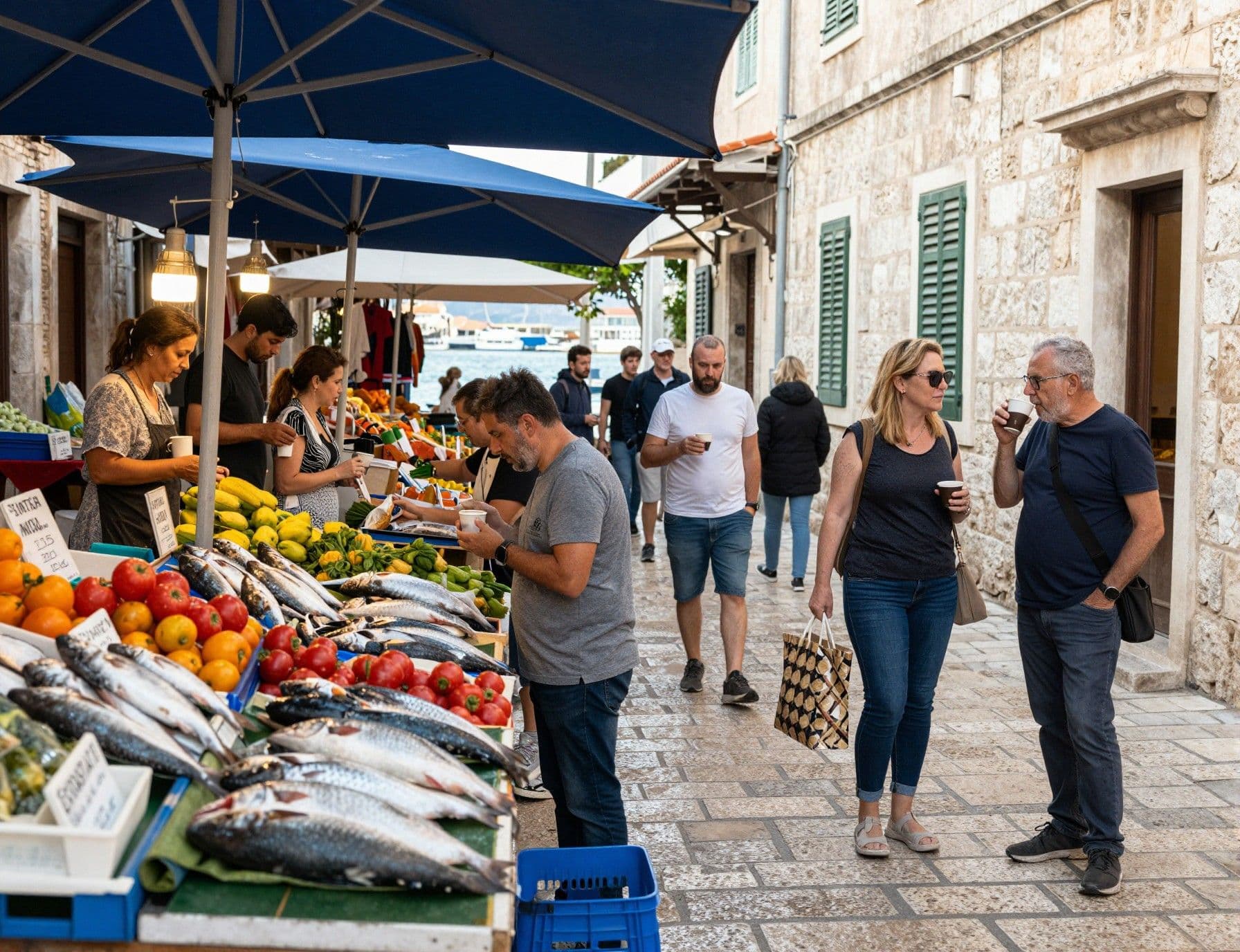
Imagine mid-morning in Split: espresso steaming on a tiny table, fishermen hauling last night’s catch, and a developer’s billboard announcing "sea-view apartments." You can smell pine, sea salt, and fresh bread. That rush—the charm that makes buyers fall in love—is also what shapes offer strategy in Croatia. This guide blends sunlit lifestyle scenes (markets on Riva, island weekends) with practical, evidence-backed tactics so you make offers that match the life you want and actually close.
Living Croatia: daily rhythms that shape value
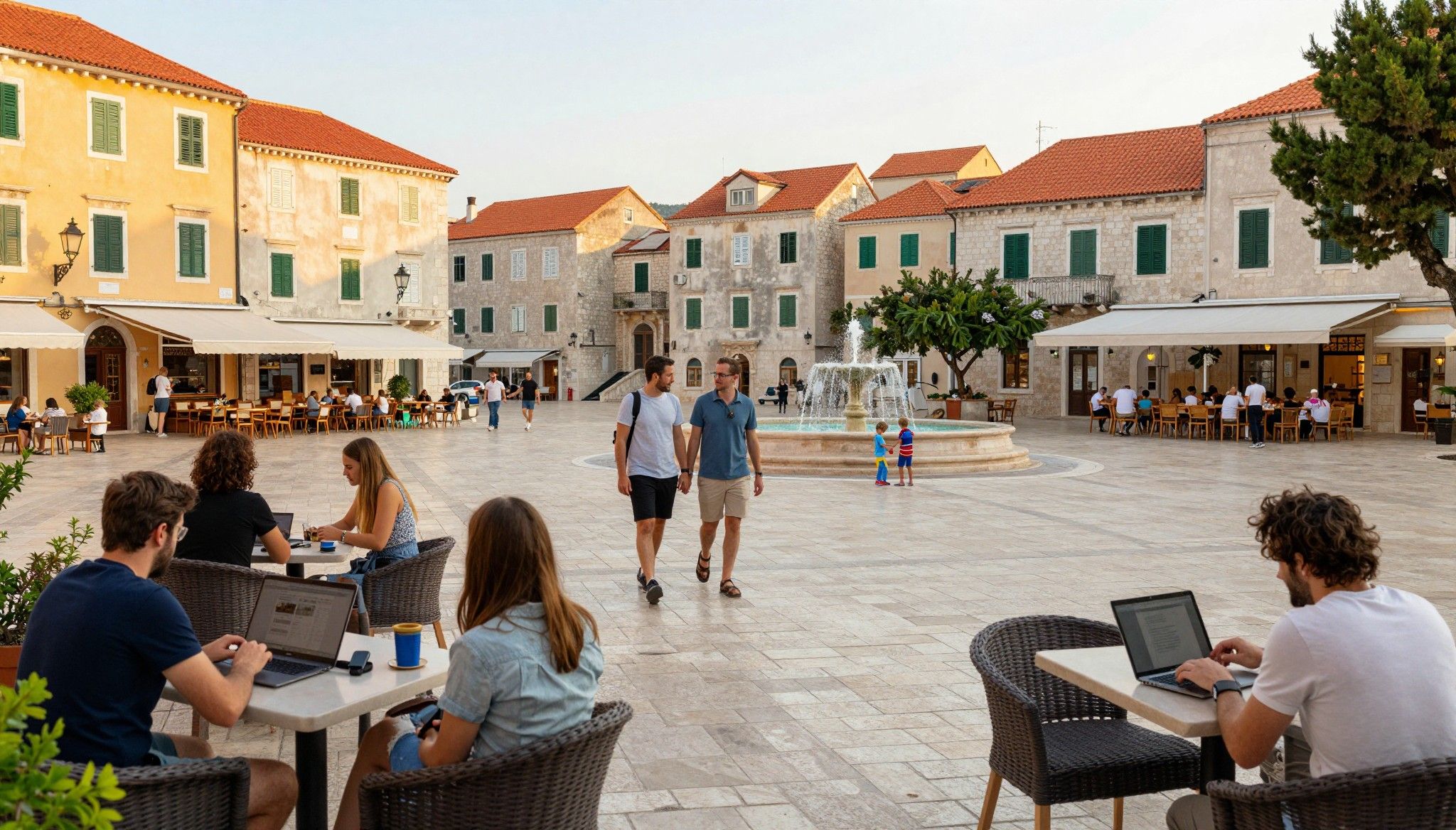
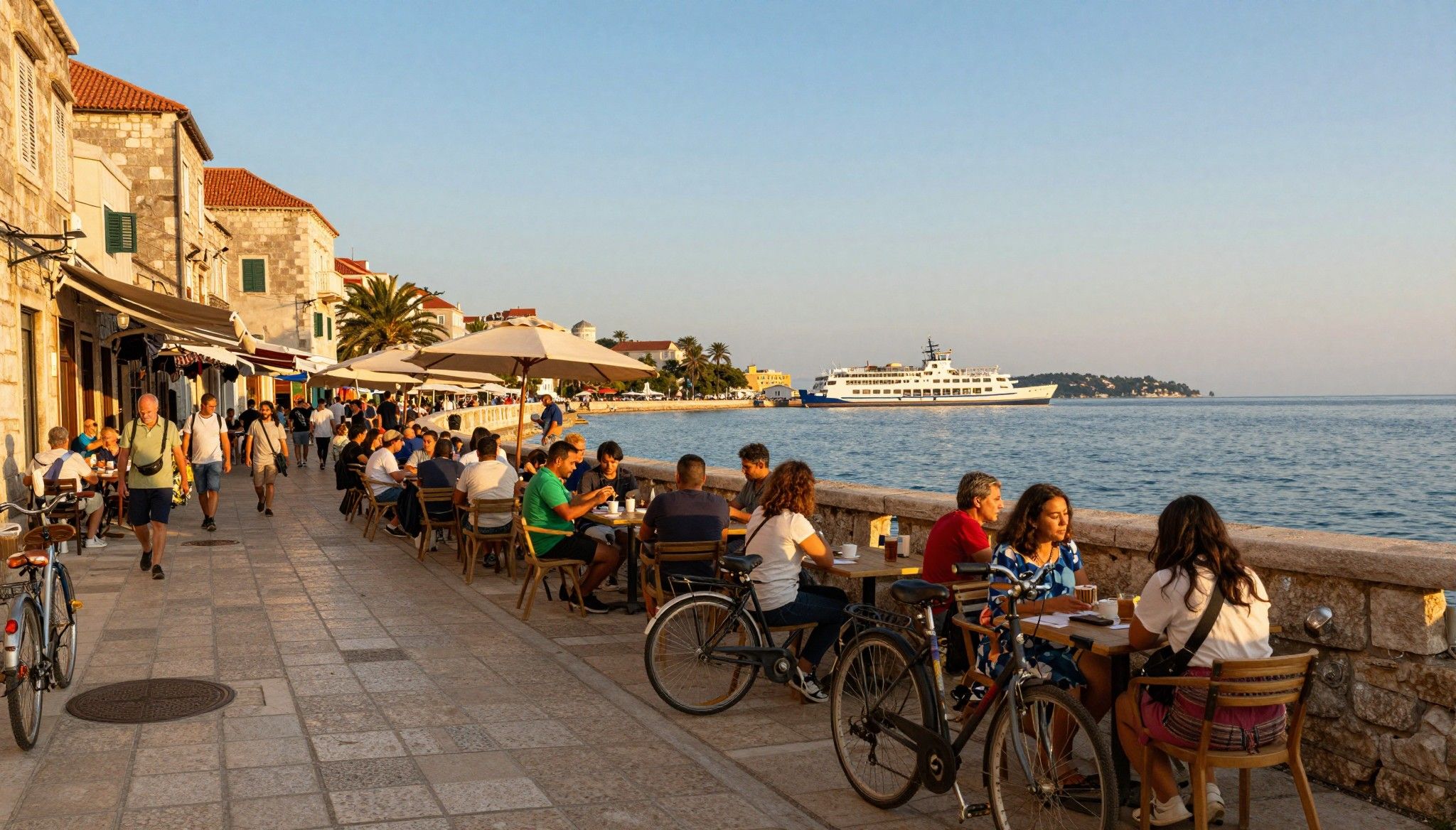
Croatia’s days move at two paces: the languid coastal life—fishing boats, late dinners on terraces—and the brisk urban rhythm of Zagreb’s cafes and coworking hubs. Coastal towns like Hvar and Rovinj pulse with tourism in summer but quiet into a local, community-first winter. That seasonality changes how properties feel lived-in; a villa that’s perfect for July may be chilly and lonely in November. Understanding these rhythms is the first step to making an offer that’s emotionally right and commercially smart.
Coastal charm vs. city practicality: where nomads land
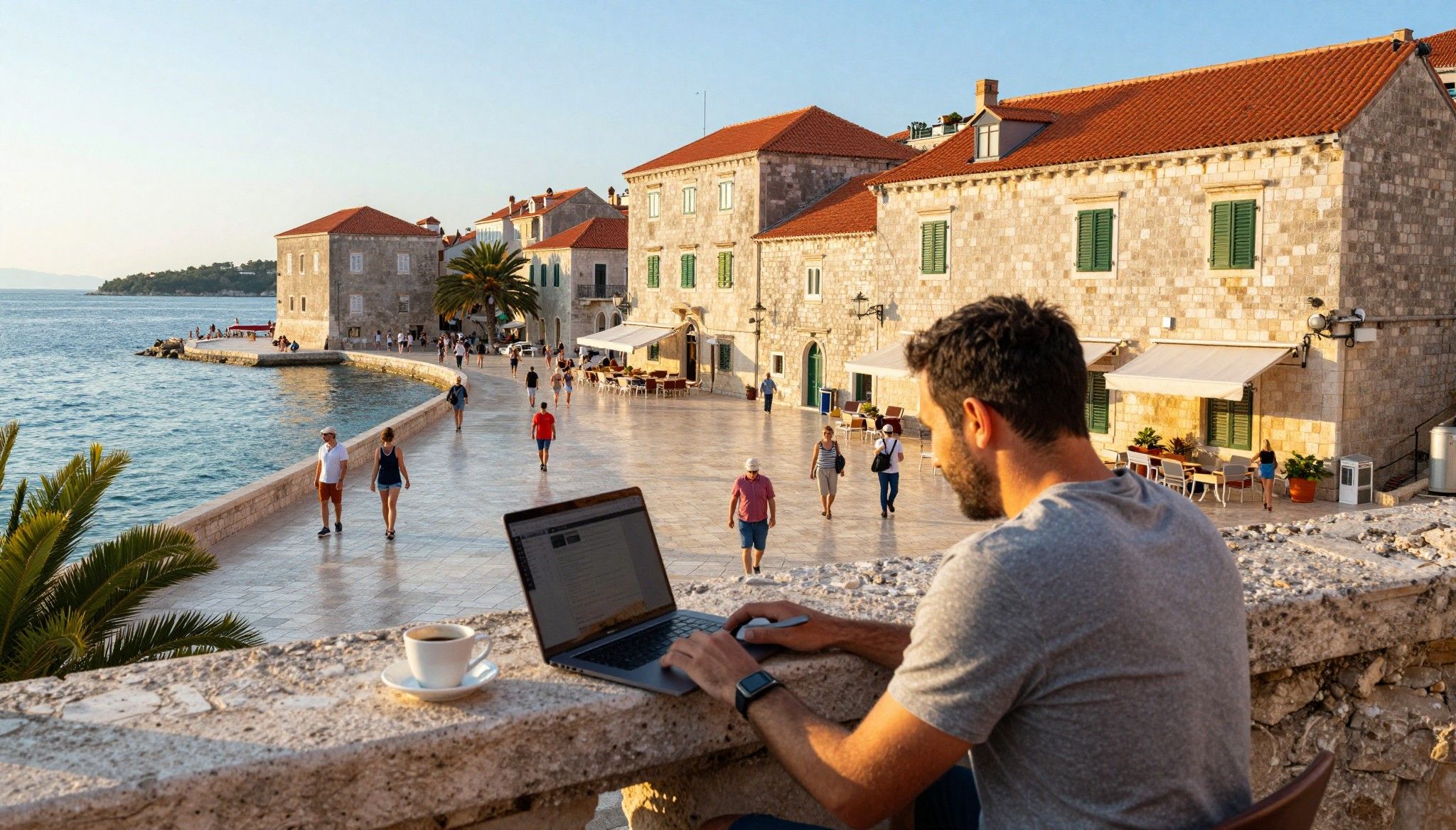
If your work needs reliable bandwidth and a coworking scene, Zagreb or Rijeka-adjacent towns will feel more like home than an island. But if life is about sunset swims and weekend sailing, Split, Dubrovnik and Istria reward you with lifestyle currency: small markets, konobas (family tavernas), and sea views. Each choice affects negotiation levers: towns with steady year-round demand hold price better; seasonal spots can be negotiated more heavily off-season.
Local flavors: markets, cafes and the neighbourhood pulse
Walk down Varaždin’s pedestrian streets or Dubrovnik’s tucked lanes and note the small signs of vibrancy: full bakery windows, a line at the coffee bar, a busy ferry wharf. These micro-signals tell you which blocks are becoming local hubs—use them to prioritise offers. A home two streets from a morning market will hold lifestyle value (and resale appeal) better than a pricier sea‑view apartment with no neighbourhood life.
- Lifestyle highlights to watch when choosing where to bid
- Morning espresso culture: cafés near markets (e.g., Split’s Pazar market)
- Weekend island access: proximity to ferry lines (e.g., Stari Grad ↔ Hvar)
- Coworking and connectivity: central spots in Zagreb and coastal towns
- Local markets and konobas within walking distance
Making an offer: season, scene and data

Here’s the frank part: national price indices climbed strongly in recent years, especially along the coast, so your offer strategy can’t be wishful. Public data shows coastal price growth outpacing inland areas, and foreign buyer participation has shifted year-to-year. Use these facts to calibrate offers: be realistic where competition is fierce, bold where demand wanes.
Property types and how they change negotiation power
New-build coastal apartments often attract investors and tourists; expect multiple offers in high season. Stone houses in Dalmatian villages are emotionally desirable but may need renovation—use inspection findings to negotiate price reductions or contractor credits. Apartments in Zagreb and Osijek compete on convenience and services, giving you leverage if you’re willing to close quickly and present clean financing documents.
- Actionable offer steps that balance life & leverage
- Inspect deeply: hire a local surveyor to check structure, damp, and title clarity before you bid.
- Time your bid: make coastal offers in late autumn or winter when sellers are more flexible; avoid competing in July and August.
- Show strength: pre-approval or proof-of-funds speeds negotiations and signals seriousness.
- Leverage local comparables: ask your agent for recent closed sales within a 500m radius rather than broad county averages.
- Structure contingencies: short, clear due-diligence windows and escrow terms keep sellers engaged but protect you from surprises.
Insider knowledge: what expats wish they’d known
Expat buyers often say their biggest surprise was underestimating seasonality and neighbourhood micro-trends. A waterfront street can be magical in summer—and nearly deserted in winter. That affects rental income, utility needs (heating vs. cooling), and long-term community ties. Another common lesson: local brokers with deep neighbourhood knowledge beat generic portals when it comes to timing an offer and spotting hidden costs.
Cultural and practical quirks that change closing
Croatian sellers expect direct, polite negotiation; long, theatrical bargaining is rare outside markets. Notaries (javne bilježnike) and the land registry are central to closing—delays can come from title clarity or municipal approvals. Work with an English-speaking local lawyer and a trusted agent who literally knows the registrar’s line and typical turnaround times.
- Red flags to spot before you sign
- Unclear ownership chain or missing cadastral records
- Discrepancies between registered floor area and advertised size
- No recent utility receipts (signals unpaid bills or communal debt)
- Construction without permits — ask your agent to verify municipality permissions
Closing in Croatia mixes the romantic and the legal. Expect in-person signatures at a notary, official registration, and a short period before final possession. If you’ll be remote for the closing, arrange a power of attorney and confirm your lawyer will attend the notary on your behalf. Above all: small local steps—choosing the right notary, asking the right questions at inspection—prevent big headaches later.
Final pitch: pick the life, then make the offer that secures it
Picture yourself after move-in: morning pastries at a bakery on your street, late-afternoon work calls from a balcony with sea air, neighbours who know your name. That life is what you’re bidding on—so make offers that protect both the dream and the deal. Partner with an agent who knows the rhythm of your neighbourhood, bring strong proof of funds, and use seasonality to your advantage. When lifestyle and strategy line up, your offer doesn’t just win; it fits.
Next step: shortlist three neighbourhoods that match your daily routines, ask an agent for three recent closed comparables in each, and schedule inspections outside high season. If you want, we can suggest Croatian agents known for helping nomads close quickly and confidently.
Danish investor and relocation advisor focusing on Portugal and the Algarve; loves coworking culture and expat networks.