When 'Frais de Notaire' Bite: Budgeting for France
France’s charm hides shifting local fees — recent departmental DMTO rises mean buyers should add a 0.5% buffer to notaire estimates and budget for lifestyle and renovation costs.

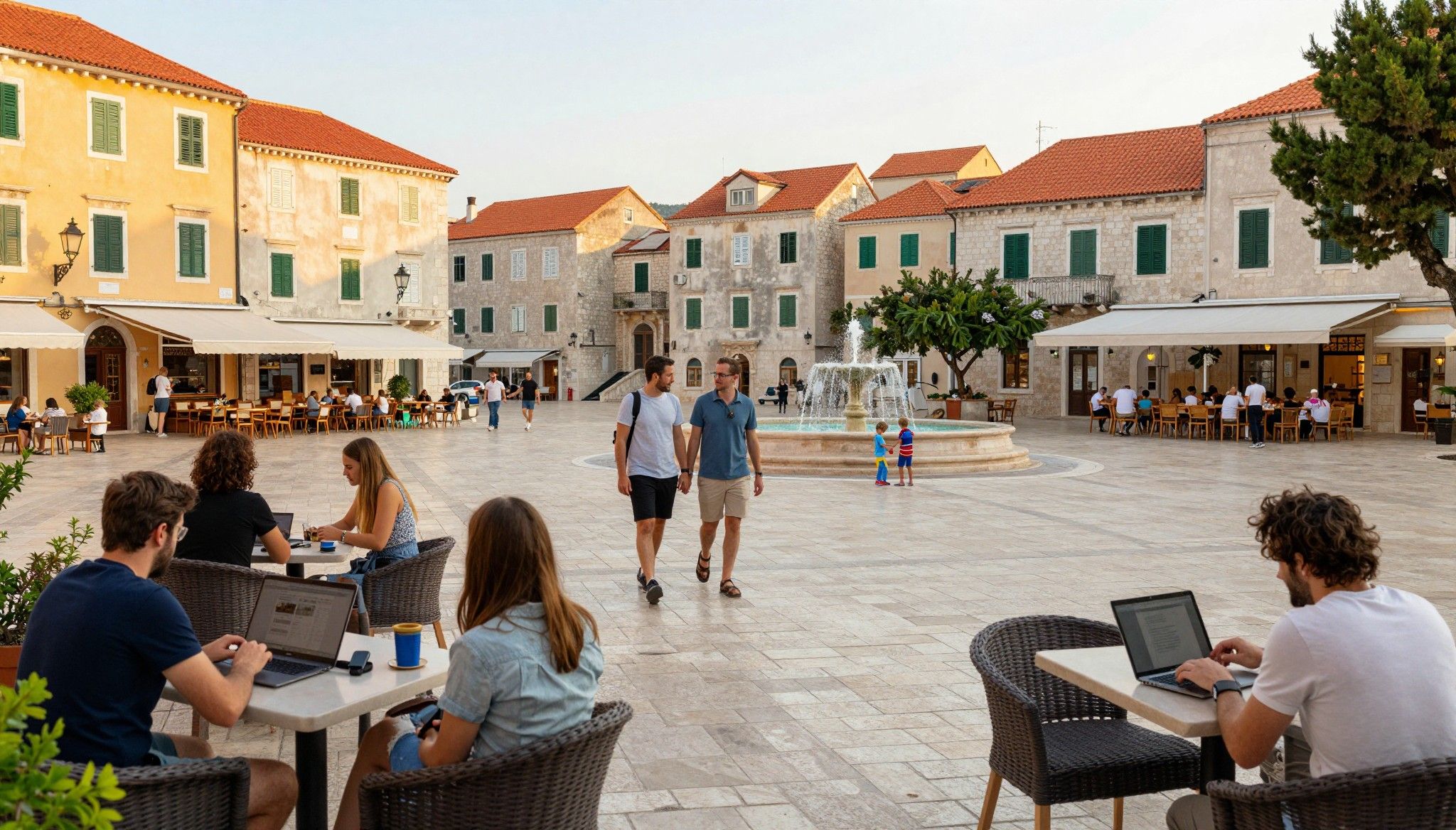
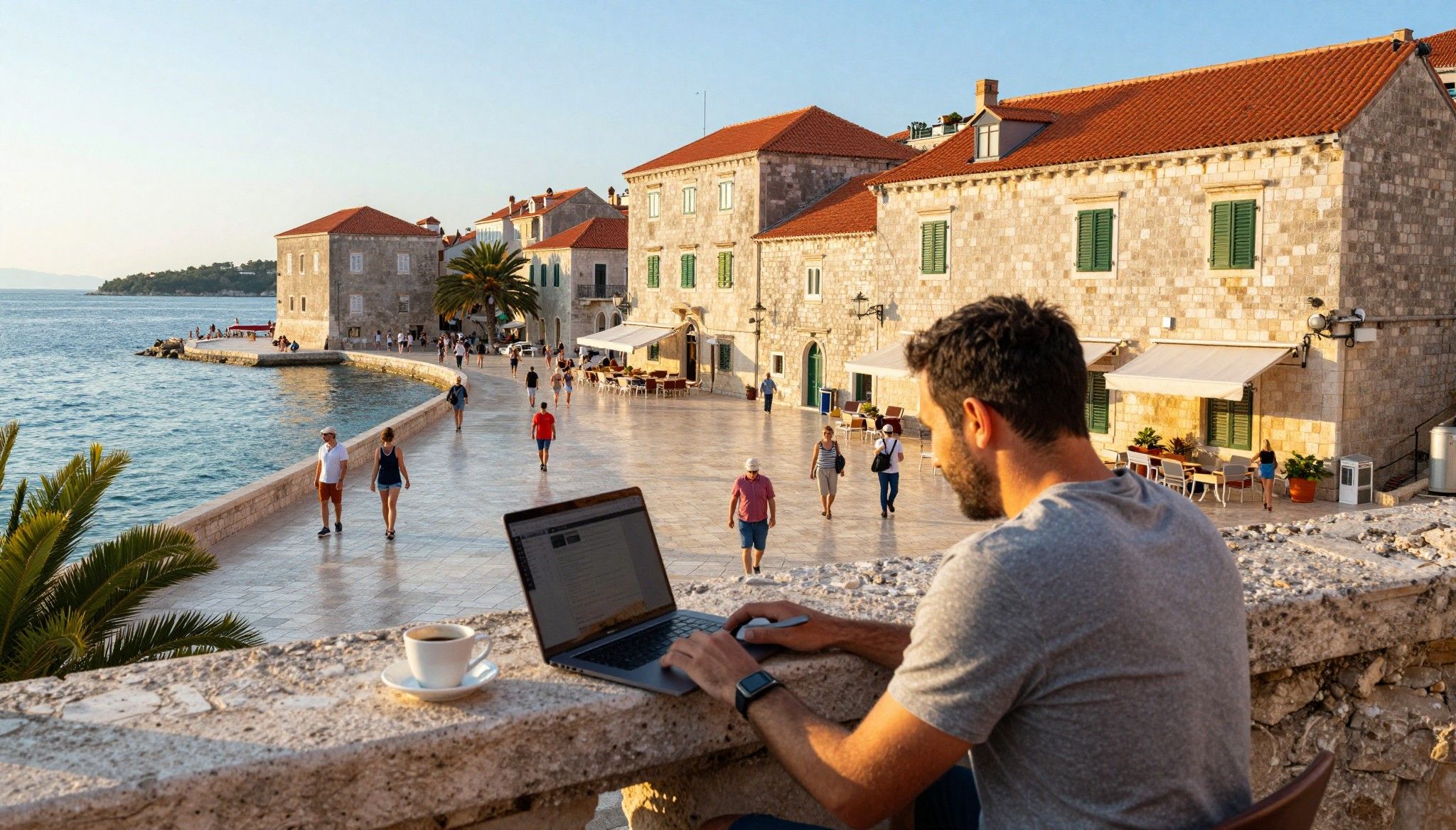
Imagine waking up in a sunlit flat on Rue des Martyrs, coffee steaming, laptop open, and the boulangerie’s horn playing in the background. That’s the French life: slow mornings, lively marchés, golden-hour walks along the Seine or the seaside. But here’s the curveball: the cost to buy that life in France isn’t just the advertised price — local transfer taxes, shifting departmental charges and agency quirks can change your budget in surprising ways. Let’s fall for France, then budget like a local.
Living the France lifestyle

France moves at multiple speeds. In Paris you live between cafés and curated galleries; in Bordeaux you time your weekends around marché stalls and wine tastings; on the Côte d’Azur life tilts toward outdoor dining and sea breezes. Your property choice should match that tempo — a lofty haussmannien apartment for city rhythms, a stone farmhouse in Dordogne for slow weekends, or a light-filled duplex near Marseille’s waves for active coastal living.
Neighbourhood moods: Paris, Provence, and the Atlantic coast
Walk the Marais at noon and you’ll find boutique energy and labyrinthine streets; head to Aix‑en‑Provence for lavender markets and mid-afternoon apéros; set your laptop up in Biarritz for ocean-swim breaks between meetings. These micro-vibes shape what property works: small flats with great cafés nearby for social nomads; larger terraces and gardens if you crave slow rural life; apartments with fibre and coworking access if work comes first.
Food, markets and weekend rituals
Saturday mornings mean marché runs: place du Marché in Antibes, Les Halles in Lyon, or Cours Mirabeau’s stalls in Aix. Fresh produce, charcuterie, and a friendly hello from vendors — these scenes are daily life, not tourism. When budgeting, factor in lifestyle spend (weekly market trips, local memberships, club fees) because the French life is experiential and those little costs add up quickly.
Making the move: practical considerations

You can fall in love with a street, but if you don’t budget for local fees you’ll have sticker shock. In 2025 many French departments raised the DMTO portion of notaire fees from 4.5% toward 5.0%, meaning an extra ≈€500 per €100,000 in some places. That increase is real, local, and not uniform — so the department where your property sits changes your bottom line.
Where the headline price hides extra costs
Think beyond the asking price. For older properties expect ~7–8% extra for transfer and registration fees (notaire), agency commissions (commonly 3–6% if not included), mortgage set‑up fees, valuation, and optional independent legal advice. For new builds, those notaire-style costs are lower (roughly 2–3%), but developer margins and VAT rules change the math. Always request a full buyer-costs estimate early.
Practical steps to lock a realistic budget
1) Get a departmental notaire-fee quote early — ask the notary for DMTO, registration and disbursement estimates; 2) Confirm if the listing is 'FAI' (frais d'agence inclus) or 'net vendeur' so you know whether agency fees sit inside the price; 3) If you need a mortgage, add broker/setup fees, valuation and insurance; 4) Budget for renovations, fibre installation, and household setup (2–10% depending on property condition).
Insider knowledge: what expats wish they’d known
Expats often say: ‘We budgeted for price per square metre but forgot local rules and lifestyle costs.’ Recent market shifts show recovery in activity and uneven price moves by region — Paris, the Riviera, and top ski resorts still command premiums while many rural areas offer better value. That split means lifestyle trade-offs matter more than ever; buy where the life you want is affordable, not where the instagrammable post is.
Cultural money moves and local customs
French sellers often present prices either 'prix affiché' or 'prix net vendeur' and will state who pays agency fees. Locals expect patience during negotiations and value concrete documentation. Use a notaire for title clarity, but consider an independent avocat if you’re buying a complex estate or heritage home. Translation support is often worth the cost — missing a contract nuance can become expensive.
Red flags and smart checks before you bid
• Missing or vague 'FAI' / 'net vendeur' note — clarify who pays agency fees. • No recent diagnostics (lead, asbestos, termite reports) — demand up-to-date diagnostics. • Overly fast sale narrative — watch for pressured pricing. • Unclear boundaries or servitudes (emphyteusis, right of way) — confirm with the notaire. • Departments with recent DMTO increases — add 0.5% buffer to your notaire estimate.
If you want the life — a terrace café routine, market weekends, coastal swims — make the budget reflect it. Start local: pick a department, get a notaire estimate, and add lifestyle running costs plus renovation and connectivity upgrades. Then choose an agency that knows that exact neighbourhood: the right local agent can point you to streets where locals actually live, cafés with reliable Wi‑Fi and neighbourhood meetups that turn strangers into friends.
Small checklist before the offer
1) Confirm 'FAI' or 'net vendeur'. 2) Request detailed notaire cost estimate (including current DMTO rate). 3) Ask for latest diagnostics and a timeline for works. 4) Test internet speed and visit a local coworking space. 5) Budget 5–8% extra for older property purchases, 2–4% for new build transactions.
France gives you a life: slow lunches, lively markets, and neighbourhood rhythms that feel like home. Budgeting carefully — with local notaire quotes, a clear line on agency fees, and a buffer for lifestyle and upgrades — turns that dream into a durable plan. When you’re ready, choose a local expert who knows both the paperwork and the café where you’ll write your first emails.
Norwegian who has helped 200+ families relocate from Oslo to Spain; expert in relocation services and community integration.