Why Italy Feels Expensive — And Where It Isn't
Italy’s lifestyle is varied — and with new digital nomad and residency routes, affordable paths exist. Learn where life is blissful and budgets stretch further.
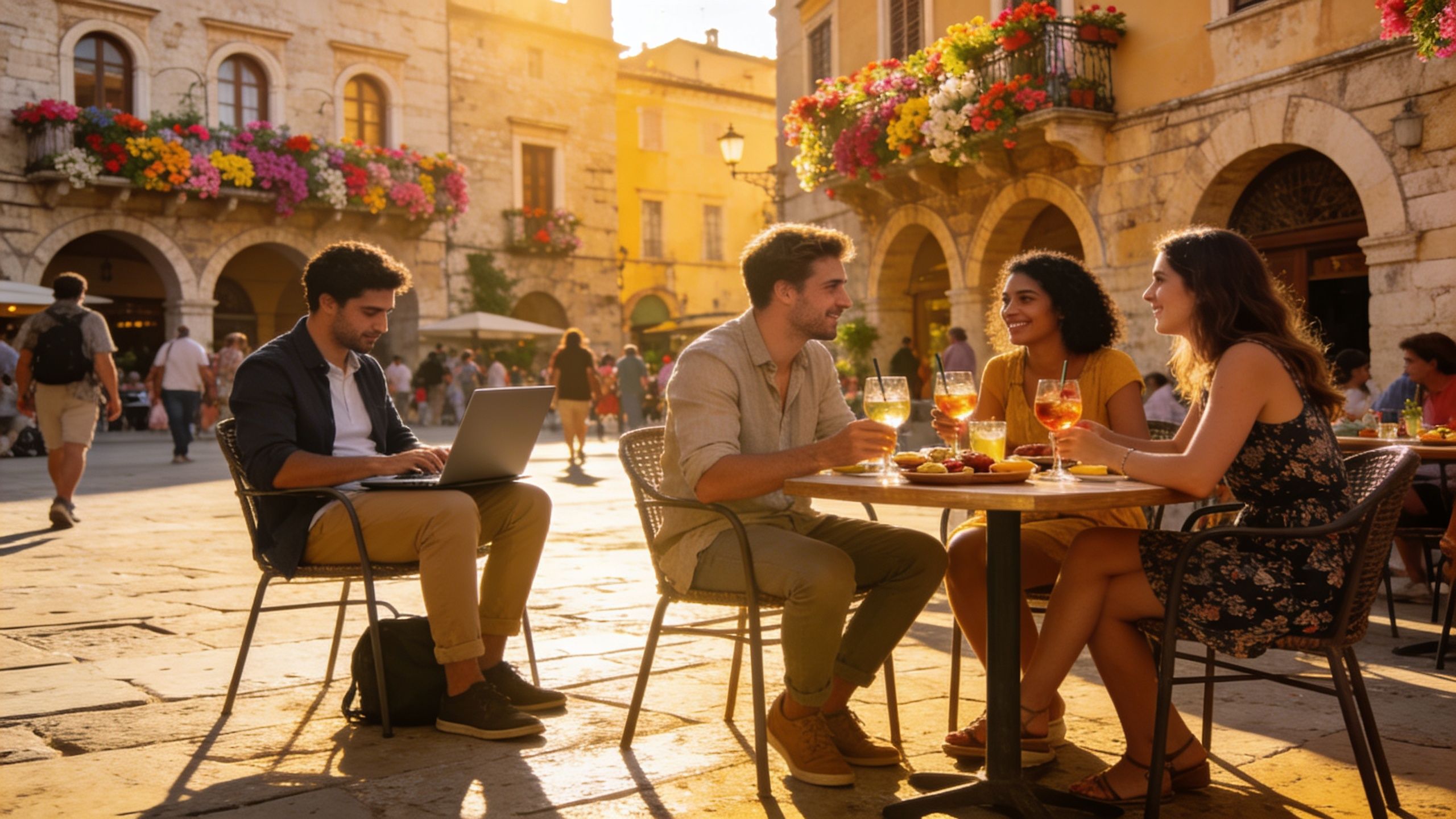
Imagine sipping a cappuccino on a sunny piazza in Palermo at 9am, then joining a 10am call from a bright apartment on Via Vittorio Emanuele. Italy smells like espresso, fresh bread and lemon rind — but many would tell you buying here is only for the wealthy. Let me push back: with the right visa route, region choice and local agent, Italy opens up as a real, affordable option for remote workers and nomads.
Living the Italy lifestyle
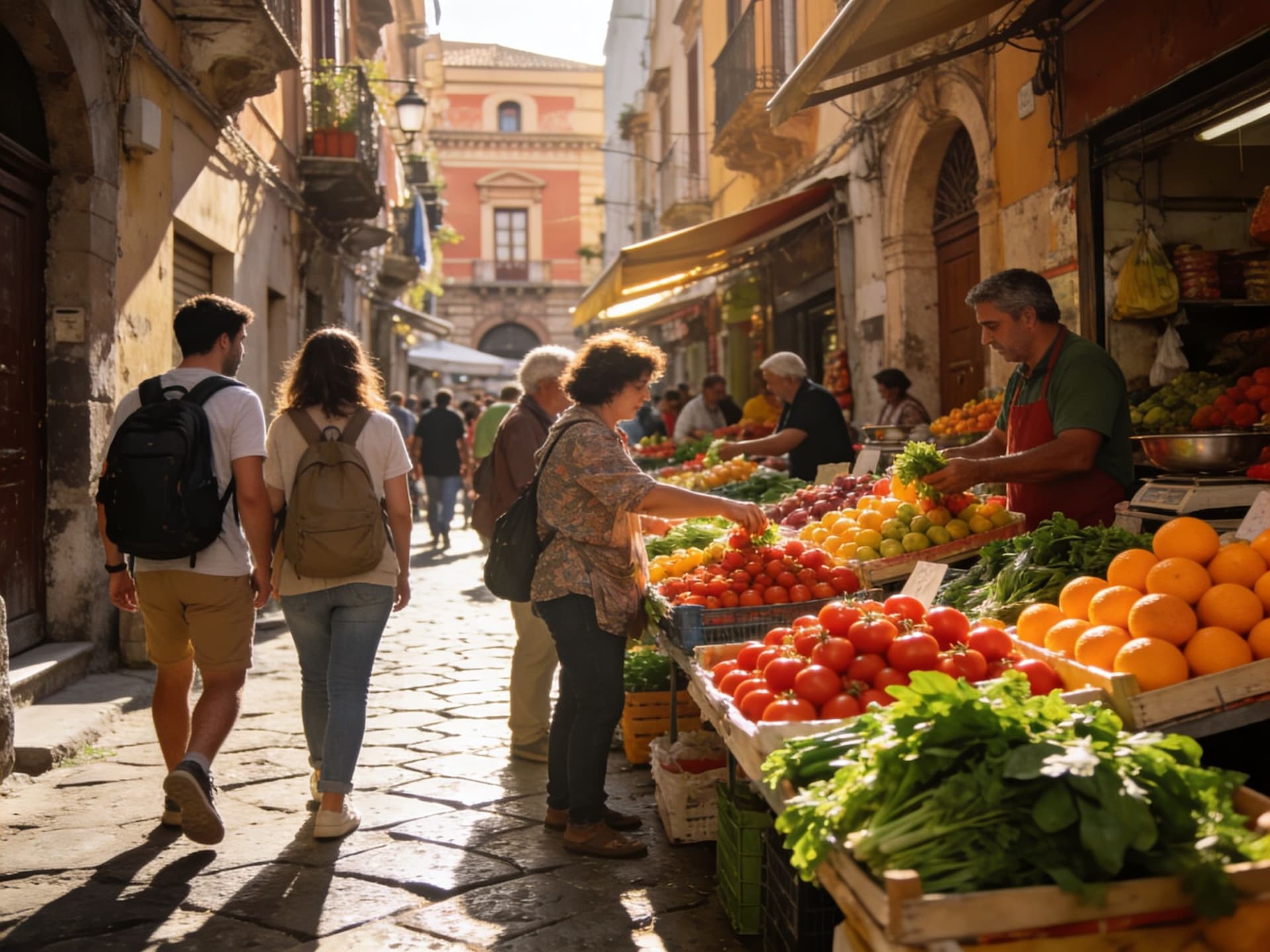
Italy is not a single mood — it’s a dozen. Mornings in Bologna mean bustling markets and coffee rituals; afternoons in Liguria are salt-bright with seaside light; evenings in Lecce smell of grilled fish and jasmine. Streets alternate between cobblestones and modern tramlines, and daily life centers on human-scale rituals: mercado runs, aperitivo with neighbours, long Sunday lunches. For nomads, that translates to walkable routines, plentiful cafes for roaming work sessions and a cultural rhythm that rewards slower, satisfying living.
City pulse: Milan, Bologna, Turin
If you crave coworking, fast internet and dynamic nightlife, Milan and Bologna deliver. Narrow streets hide modern coworking floors; neighbourhood cafés double as morning offices. Look for apartments near Navigli (Milan), Santo Stefano (Bologna) or San Salvario (Turin) — they balance transport, cafés and quieter residential streets where you’ll actually sleep at night.
Coast and slow life: Puglia, Sicily, Liguria
If you picture terraces, slow markets and sea-salty air, head south. Ostuni’s white lanes, Trapani’s fish markets, and Levanto’s surf-adjacent calm prove that coastal Italy can be affordable and community-rich. These places stretch your euro further on space, and offer easy weekend escapes to vineyards, beaches and festivals.
- Lifestyle highlights: weekly markets (Mercato di Ballarò, Palermo); outdoor lunch culture in Emilia-Romagna; evening passeggiata in coastal towns; craft coffee scenes in Trieste; vineyard weekends in Langhe.
Making the move: visas that change the game
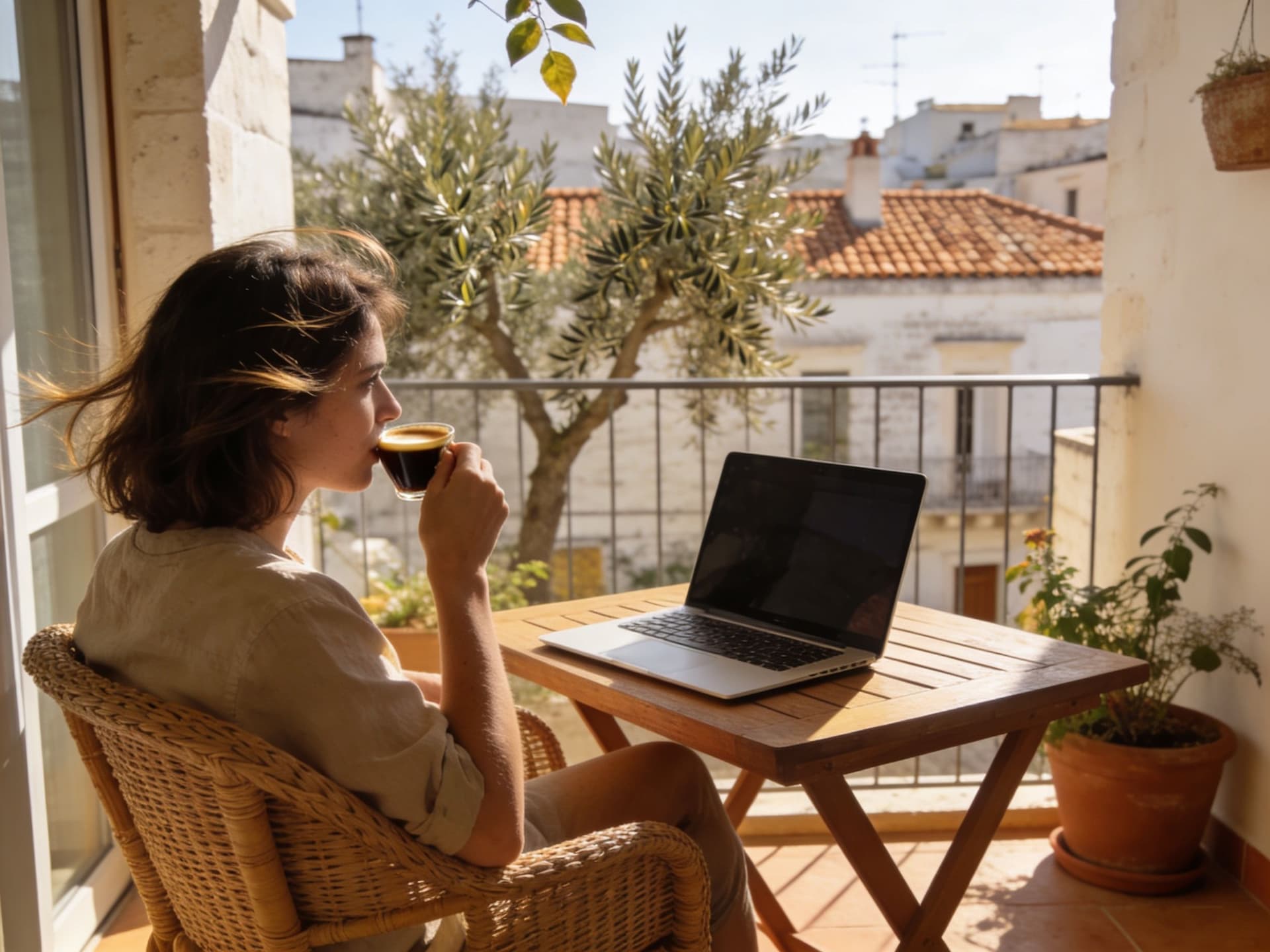
Here’s the practical pivot: Italy’s Digital Nomad/Remote Worker visa (now operational) makes long-term stays realistic without employer relocation. The route requires documented remote work experience, health insurance and an income threshold (around €28,000/year), and gives a residence permit for up to one year with renewal options. Combine that with regional choices and you can live like a local while legally resident.
Other residency paths that matter
If you’re thinking longer-term residency or family moves, the Investor Visa and Elective Residence options are relevant. Investor routes require capital commitments and are aimed at higher net-worth buyers, while Elective Residence suits those with steady passive income who want to register tax residency without employment in Italy. Choose a visa based on your timeframe and plans to work or earn abroad.
- Practical steps to convert lifestyle into legal residency
- 1) Check eligibility and book a consulate appointment; 2) Gather proof: income, health insurance, accommodation and remote-work history; 3) Enter Italy and apply for permesso di soggiorno within the required days; 4) Register with the local anagrafe (municipal registry) once settled.
Insider knowledge: what expats wish they'd known
Real talk from people who moved here: the magic is real — neighbourhood friendships, markets, and food culture — but so are bureaucratic waits, seasonal quiet, and regional quirks. For example, fibre internet is excellent in many cities but patchy in historic hill towns, and summer tourism can transform a sleepy piazza into a festival scene (great for weekends, noisy for work).
Language, integration and making friends
You don’t need perfect Italian day one. Start with basic phrases, join English-friendly meetups or coworking events and volunteer at a local market day. Neighbourhood bars (bar/tabacchi) are surprisingly powerful community hubs — say hi, ask about the best local bread, and you’ll be invited into a rhythm of life faster than any app can replicate.
Long-term realities that shape where you buy
Think beyond the listing: heating costs in stone houses, summertime tourism noise, earthquake zoning in parts of central Italy, and renovation timelines in historic centres. If you want stable remote work life, prioritise properties with dependable internet, a quiet room for calls, and a local agent who understands permit-of-stay steps.
- Agent checklist: what to ask before you commit — fibre availability and provider names; whether the building has cadastral compliance; expected renovation permits; neighborhood noise patterns; proximity to coworking and transport.
A contrarian tip: avoid peak-summer house-hunting
House-hunting in August is romantic — but many agents and sellers are on holiday, and coastal towns pack with tourists. Visit in spring or late autumn to see true neighbourhood life, test commute times and feel how a street behaves outside peak season.
- Steps to a smoother purchase: 1) Lock a trusted local agent who speaks English and has municipal contacts; 2) Do a local-day test: spend two weeks living like a resident; 3) Check utilities, internet and the nearest health clinic; 4) Consult a tax specialist before you register residency.
Italy’s market varies wildly by region — restore a farmhouse in Marche for the cost of a tiny Milan studio, or trade tourist-season cashflow near Amalfi for quiet winters. For nomads and remote workers, the core decision is not ‘expensive vs cheap’ but ‘what life do I want when I’m not working?’
Data-backed confidence: why the visa matters for prices
Opening legal long-stay routes for remote workers reshapes demand: areas with reliable connectivity and coworking see more long-term renters (good for buy-to-live buyers), while investor-heavy towns may see prices rise if remote-work incomes cluster there. Use official visa rules as your buying timeline — they determine how long you can legally stay, register and build local ties.
Conclusion: fall in love, then plan smart
Italy is sensual and practical at once: piazzas to linger in, markets to learn, and visa paths that make extended stays possible. Start by picking the life you want — sea, city, or slow hilltown — then match visa, region and an agent who gets nomads. Love the routine first, handle the paperwork second, and you’ll find Italy is more accessible than the stereotype makes it sound.
Next steps: check consulate requirements for the Digital Nomad visa, shortlist three neighbourhoods and book a two-week live-test. If you want, we can connect you with agents who specialise in nomad-ready listings and municipal registration support.
British expat who moved from Manchester to Mallorca in 2017. Specializes in market analysis and helping fellow Brit navigate local regulations.