Malta Neighbourhood Vibes: Live Like a Nomad, Buy Like a Local
Malta’s Mediterranean rhythm is ideal for nomads — fast internet, walkable neighbourhoods and lively café culture — but rising prices and building quirks mean lifestyle-focused checks are essential.
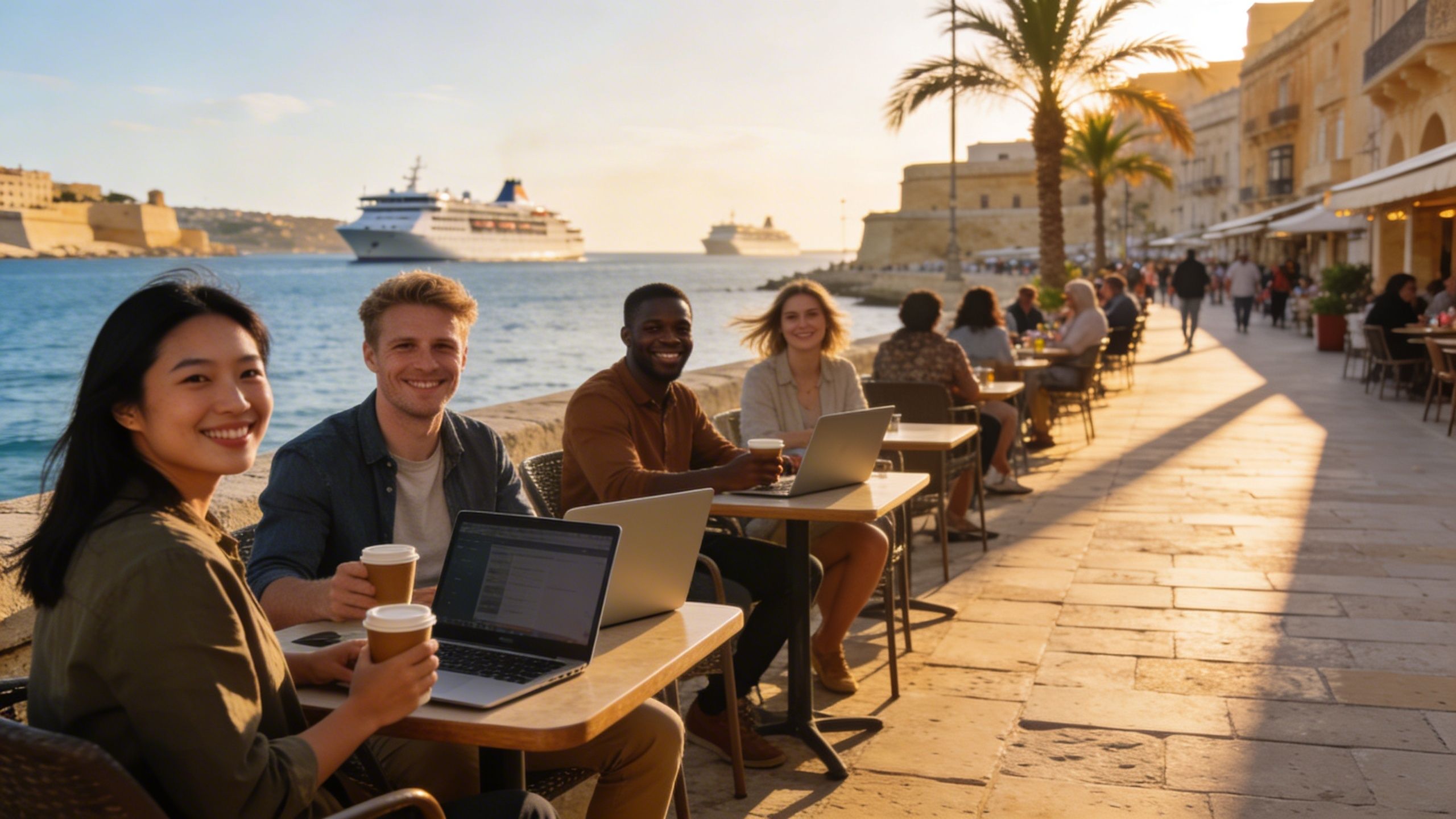
Imagine waking up to breakfast on a limestone balcony in Valletta, the sun hitting ochre façades while a neighbour strolls by with a coffee. Picture an afternoon ferry to Sliema for coworking, a rooftop aperitivo at sunset in St Julian’s, and weekend hikes on Gozo’s quiet cliffs. That easy Mediterranean rhythm — cafés that double as home offices, compact towns where you run into the same faces, streets that feel lived-in — is what draws nomads and buyers to Malta.
Living the Malta lifestyle
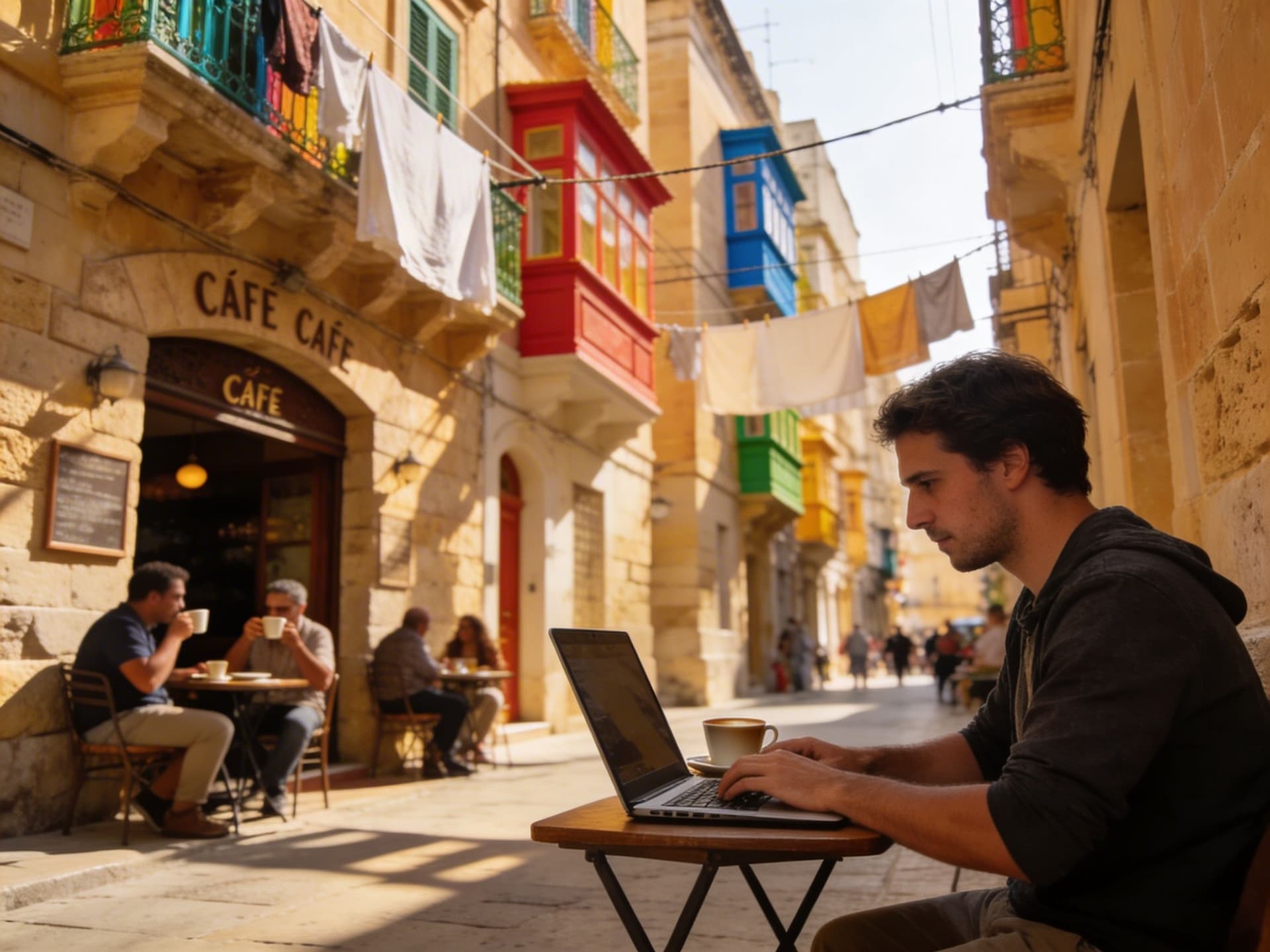
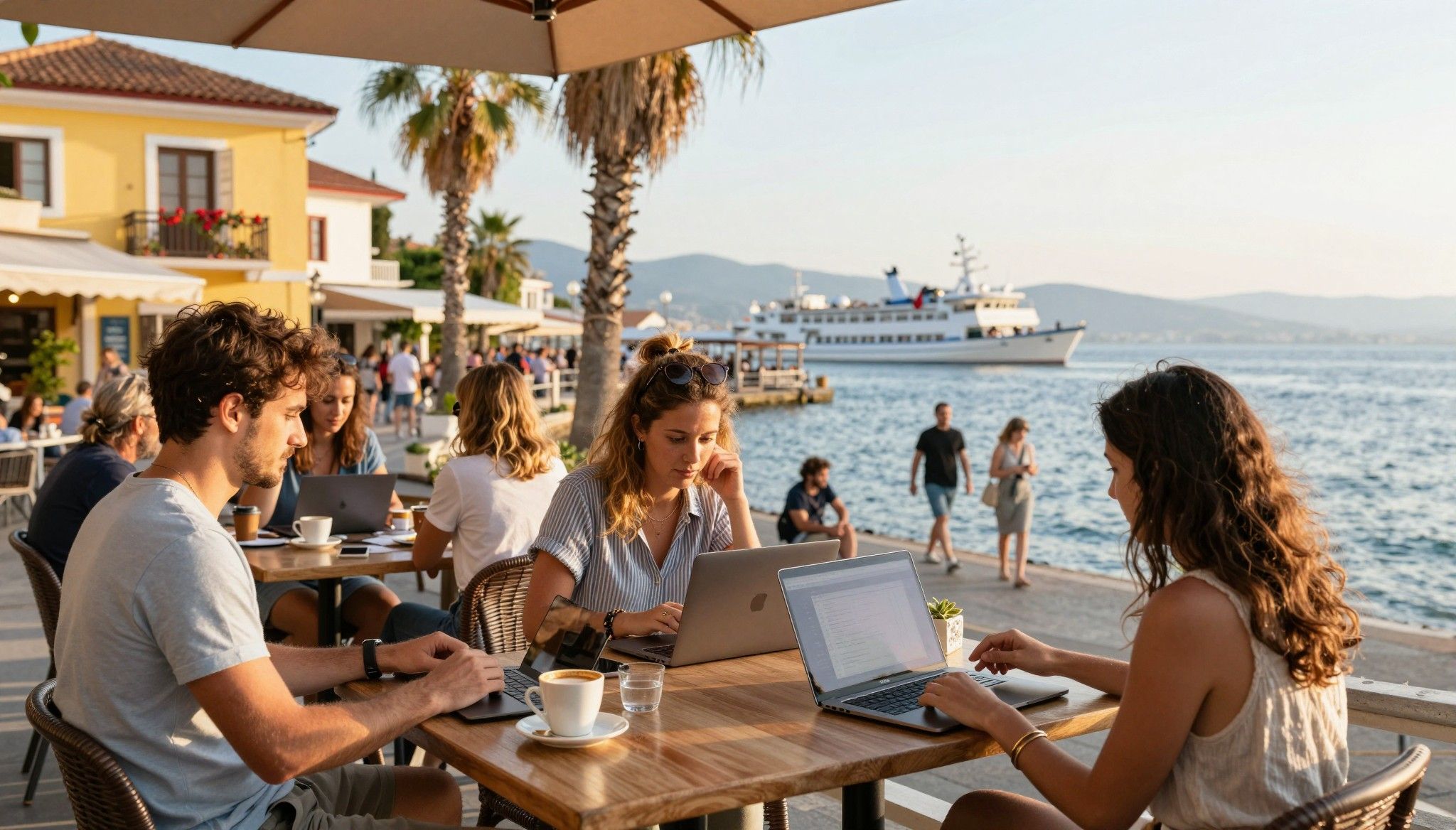
Life here is compact, sensory and social. Streets are narrow and sun-soaked; terraces and roof gardens are extensions of your living room. English is widely spoken, which flattens the learning curve. Plus, Malta’s fixed broadband and mobile speeds are regularly in the top tier for Europe — a real win for remote work. That combo of connectivity and Mediterranean pace means your ‘office’ can be a café in Sliema in the morning and a seaside terrace in the evening.
Valletta & The Three Cities — history, cafés, and compact city living
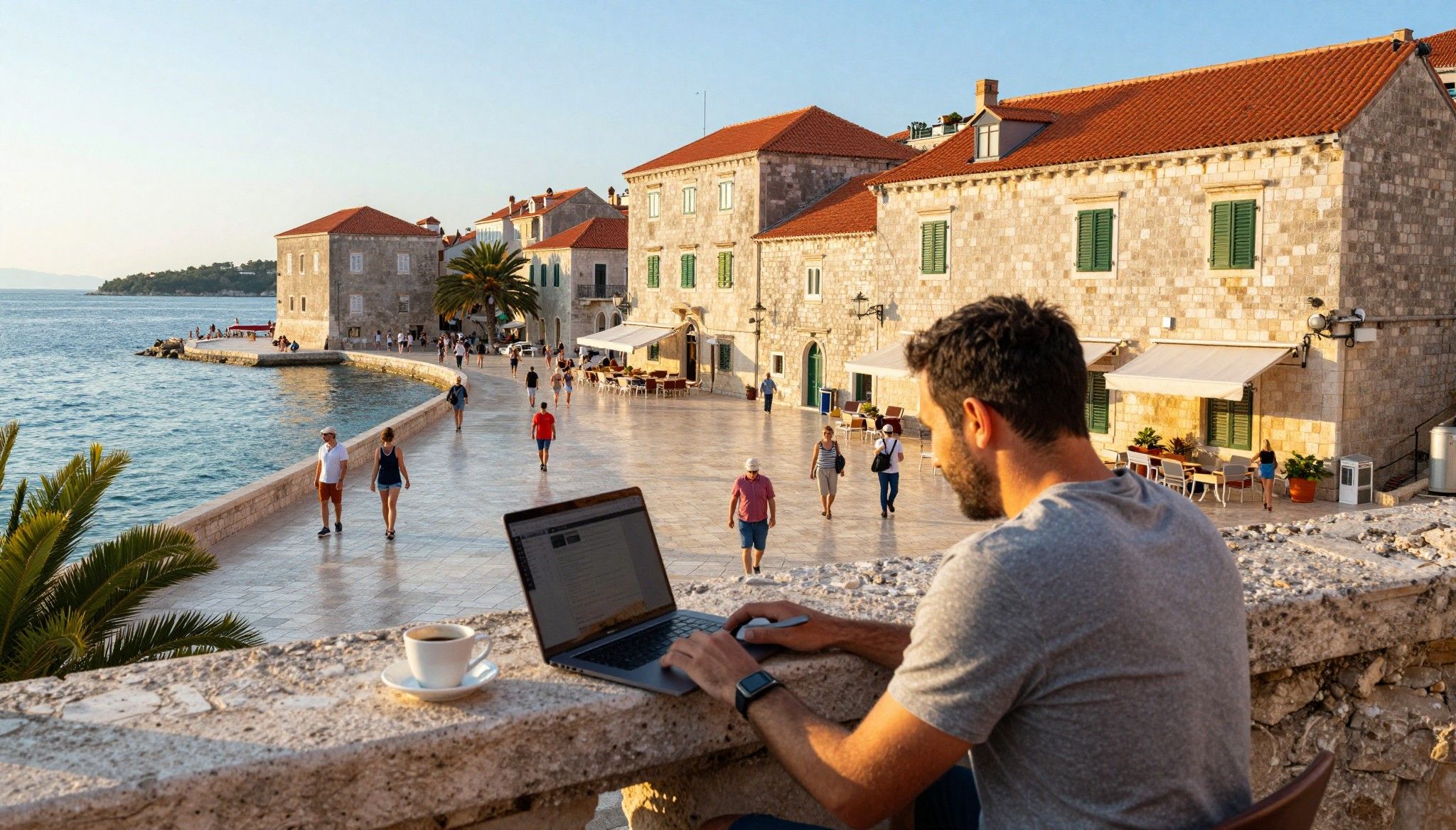
Valletta is cinematic: baroque balconies, tiny artisan shops, and morning markets near Republic Street. For a nomad who loves history and short commutes, a pied-à-terre here means walking to work, galleries and a dozen cafés where people actually linger. Expect smaller floorplates and charming quirks — steep stairs, internal courtyards, and communal rooftop friendships.
Sliema & St Julian’s — café culture, coworking, and evening energy
Sliema’s seawalk, boutique cafés on Tower Road and St Julian’s lively harbourside (Spinola Bay) are where remote workers cluster. Coworking spaces and short-term rentals are abundant. If you want a busy social calendar — beach workouts, rooftop bars, digital nomad meetups — this is your scene. But expect higher foot traffic and shorter quiet windows than in inland villages.
- Morning espresso at Caffè Berry (St Julian’s); coworking at The Hub Valletta; sunset swim at Ghadira Bay (near Mellieha); weekend market at Marsaxlokk; rooftop aperitivo in Sliema; ferry commute to Gozo for a day trip.
Making the move: lifestyle-friendly practicalities
Buying in Malta mixes romance with real constraints. Prices have been rising steadily — the NSO’s Residential Property Price Index showed a 5.7% year-on-year rise in Q1 2025 — so urgency and local knowledge matter. That said, the island’s small size means neighbourhood tradeoffs are immediate: choose a central flat and trade outdoor space for walkability, or opt for a seaside maisonette with longer commutes but bigger terraces.
Property types that match nomad life
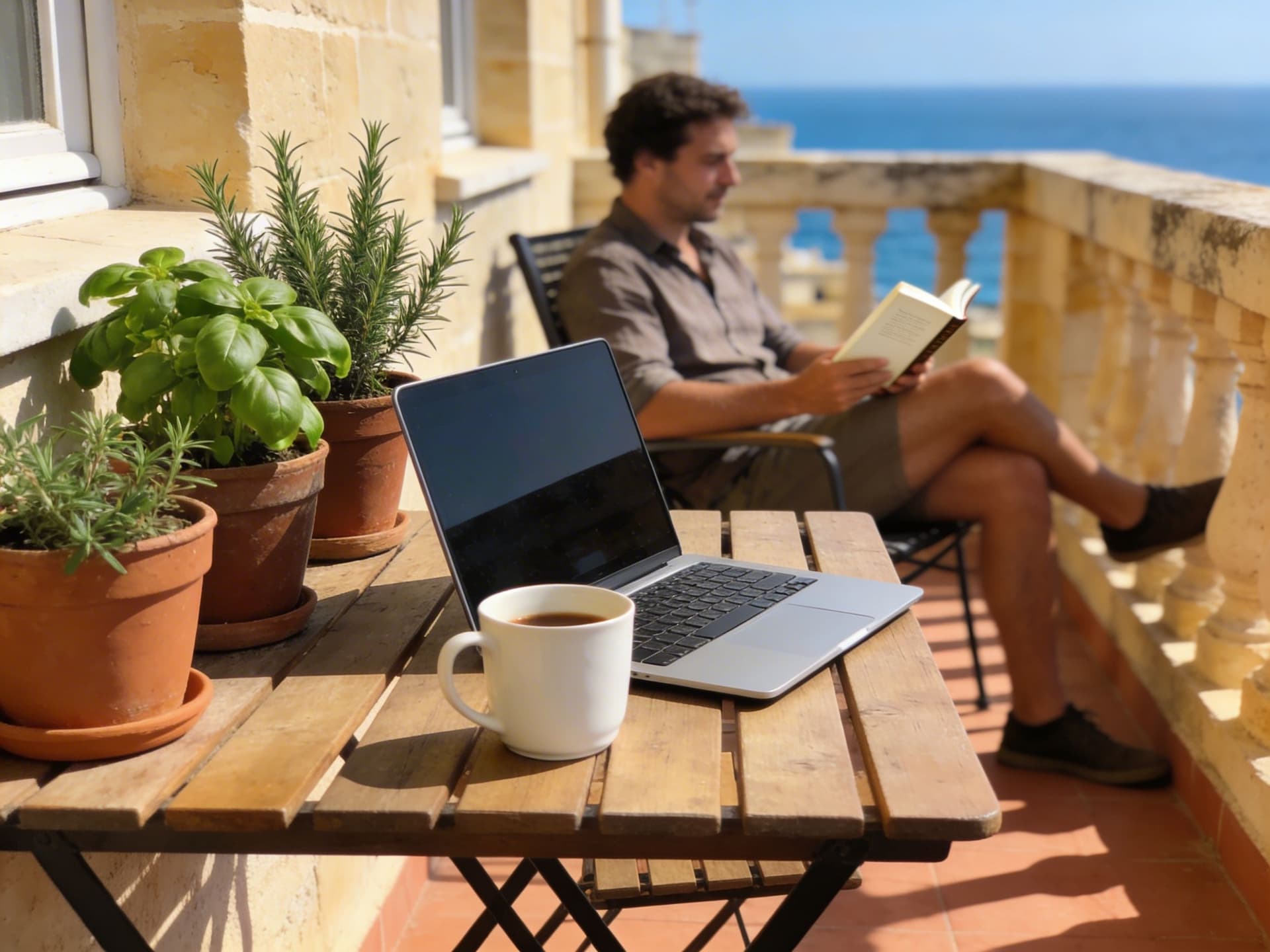
Apartments and maisonettes dominate the market. Apartments in Valletta and Sliema are compact but steps away from cafés and coworking. Maisonettes inland or in coastal villages give you terraces for morning work sessions and better value per square metre. For full-time remote workers, prioritise a sunny terrace, a stable fibre connection point and a quiet corner that fits a standing desk.
How local experts turn lifestyle into listings
Work with agents who know which streets flood in rain, where fibre is already installed, and which blocks tolerate short-term lets. After the EU court rulings changed Malta’s citizenship-by-investment landscape, reputable agencies now emphasise local residency pathways over headline-grabbing passports. A good agent translates lifestyle wishlists into realistic search filters: fibre-ready building, neighbour profile, and commute time to your favourite café.
- Survey internet availability and ask for recent speed tests at the unit level. Check building permissions for rooftop use and terraces. Confirm short-term rental regulations if you plan to Airbnb occasionally. Get a local structural report — older limestone buildings hide damp, not defects. Meet neighbours or join community Facebook groups before committing.
Insider knowledge: expat truths and red flags
Real talk from expats: Malta is compact and social, but it’s not uniformly quiet. Festivals, regattas and tourism spikes can turn a peaceful street into a buzz. Also, fast island-wide average internet speeds don’t guarantee the same in older buildings — always test in-unit. On the upside, fast fixed broadband and a strong mobile network make hybrid work genuinely doable almost everywhere.
Cultural fit: making friends and daily life
Maltese social life orbits around food, religious festas and family. Join language cafés, diving clubs, or co-living meetups to plug in. Being polite, curious and ready to try pastizzi at a hole-in-the-wall bakery goes a long way. Expect helpful bureaucracy but occasional delays — patience is part of the rhythm here.
Long-term picture: community, resale and climate
Over time you’ll notice the market’s two pulses: local demand for compact central homes and investor interest in holiday lettings. That pushes prices in walkable spots. Also factor climate — limestone needs maintenance and coastal salt accelerates corrosion. If resale matters, invest in good finishes and professional plumbing; these sell better than ornate fixtures in a small market.
- Quick red flags: missing fibre terminal in-unit; unresolved party-wall disputes; rooftop rights unclear; recent DIY renovations without permits; seller reluctant to provide recent utility bills.
Malta is a place of short distances and big lifestyle gains. You can have a morning swim, a solid work block, and a seafood dinner — all within a few square kilometres. The trick for international buyers is to marry that romantic, lived-in life with targeted checks: internet, rooftop rights, building health and neighbourhood noise. Do that, and you don’t just buy a property — you buy a neighbourhood you’ll belong to.
Next steps: test the Wi‑Fi in your prospective flat, visit the neighbourhood at different times, and ask an agent to map commute times to your favourite cafés. If you want a hand translating lifestyle into listings, local agencies aren’t gatekeepers — they’re your shortcut to morning routines, rooftop sundowns and the tiny bakery that makes your day. Ready to fall in love with Malta? Start with a neighbourhood visit and one honest checklist: can you see yourself having morning coffee there three times a week?
Dutch investment strategist guiding buyers to Greece and Spain; practical financing, tax, and portfolio diversification.