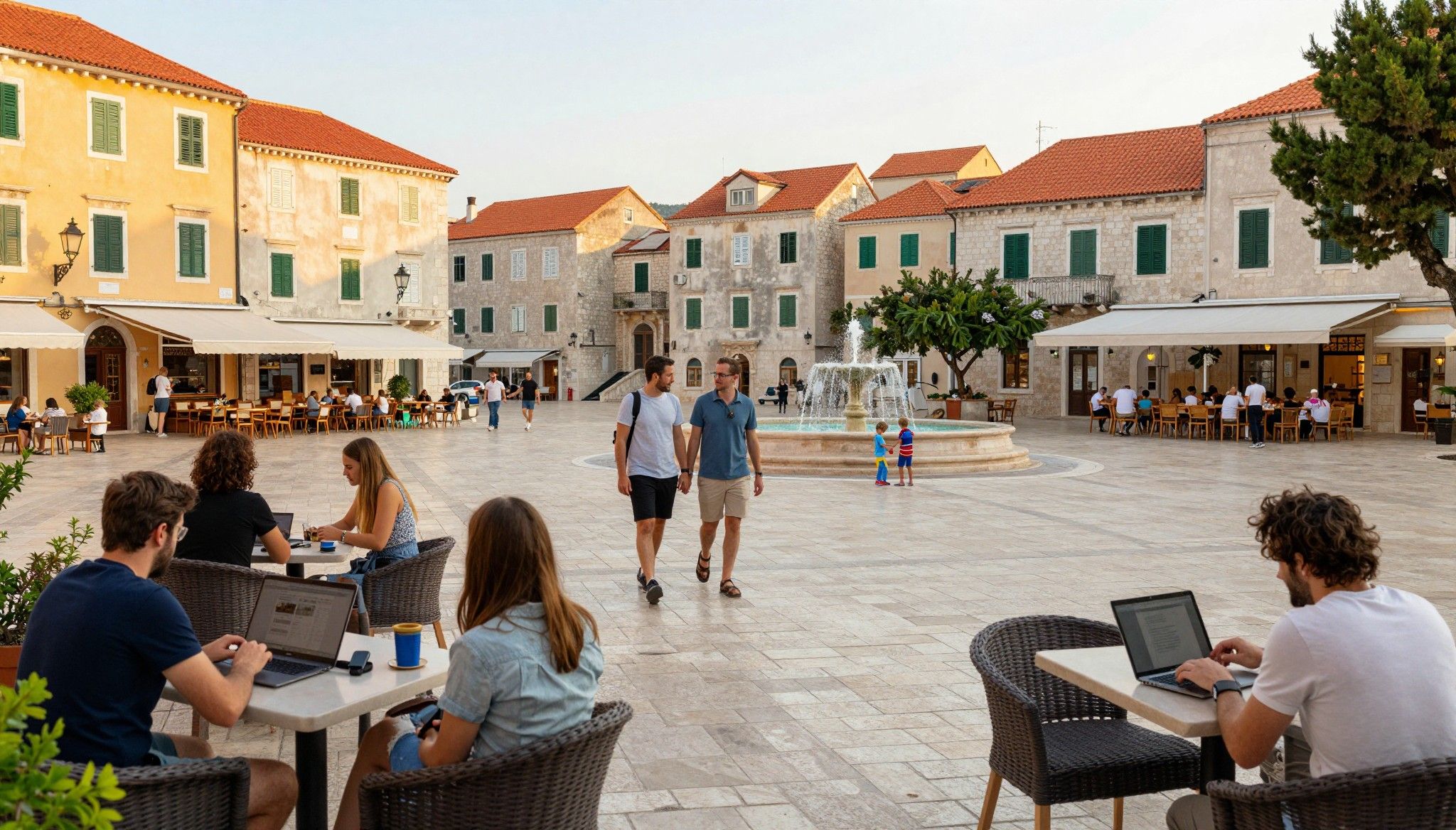
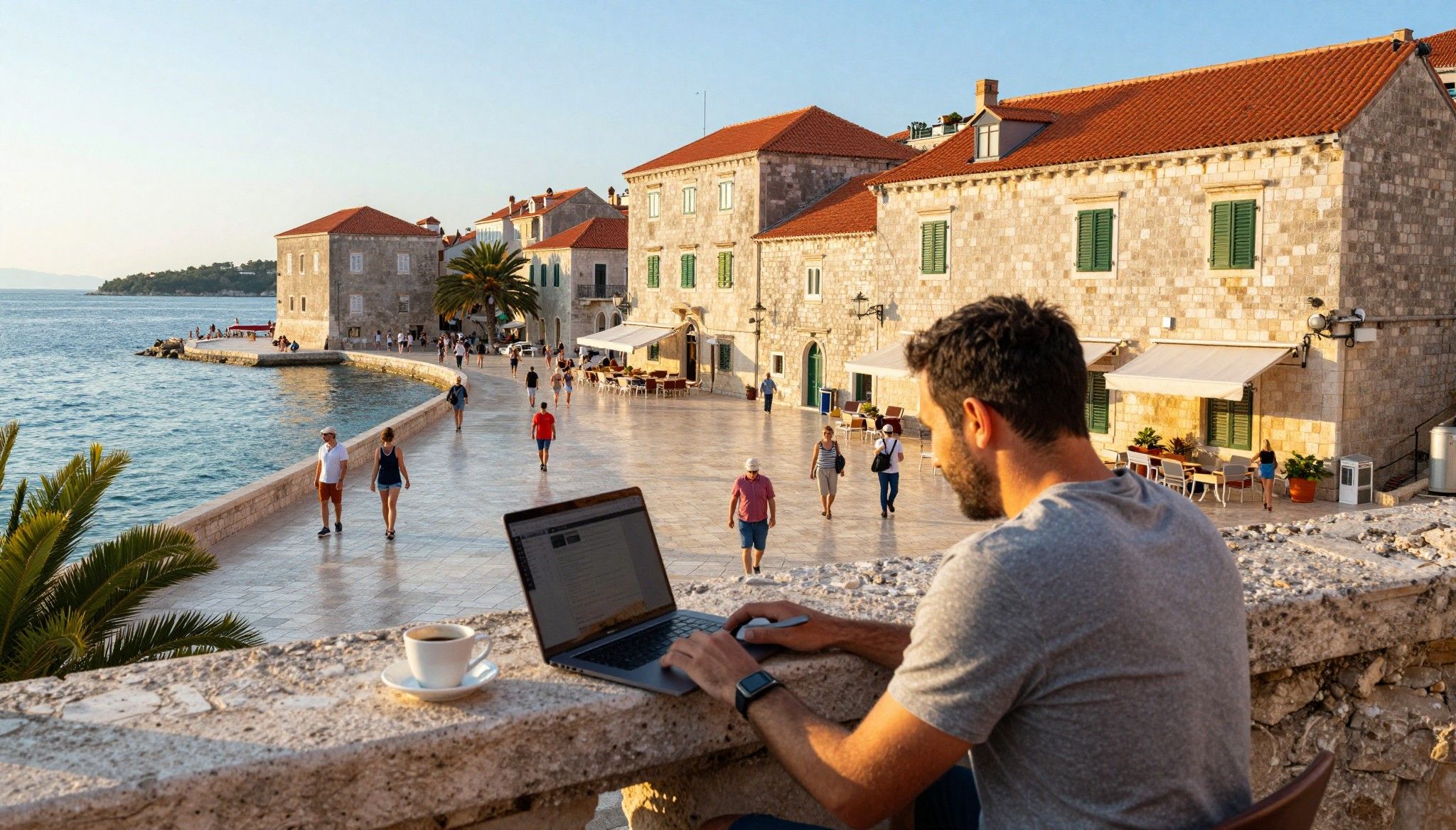
Malta Neighbourhoods: Vibe, Connectivity & Market Reality
Fall for Malta’s sunlit streets—but check the fine print: district RPPI trends, fibre, conservation rules and residency shifts shape which neighbourhood truly fits your nomad life.
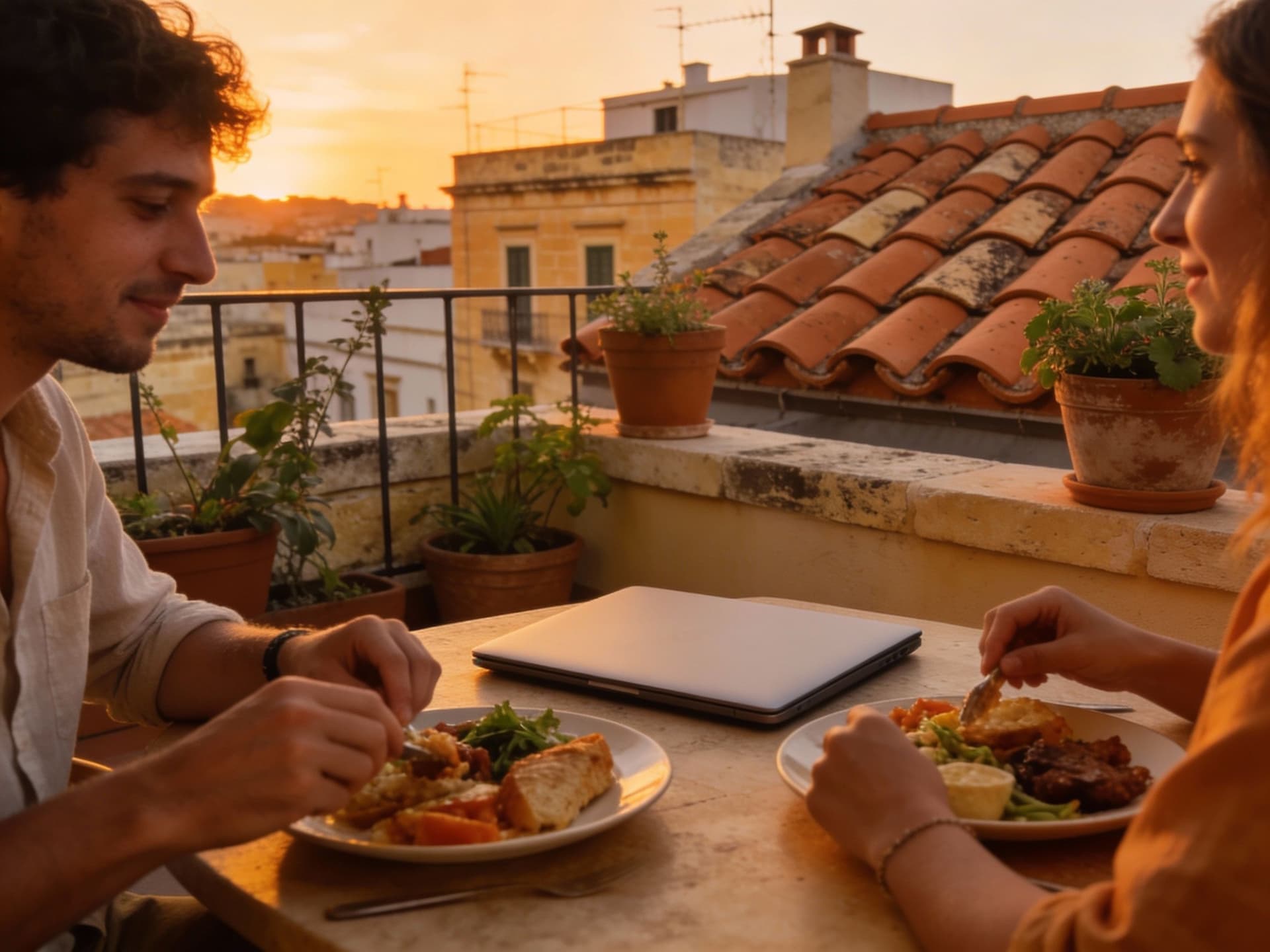
Imagine finishing a work call, stepping onto a limestone balcony in Sliema, and watching ferries cut across turquoise harbors as the smell of fresh ftira and espresso drifts up from the street below. That easy, sunlit rhythm is Malta—compact, conversation‑friendly, and lived at human pace. For nomads and remote professionals, Malta mixes fast fibre and coworking with Mediterranean weekends: beach swims, baroque streets, and aperitifs timed to golden light. But love at first sight can blind buyers to island quirks. This piece pairs the romance (cafés, beaches, neighbors) with hard-won buying sense—neighbourhood vibes, real market signals and the local red flags expats wish they'd known sooner.
Living Malta: daily rhythms and neighbourhood personalities
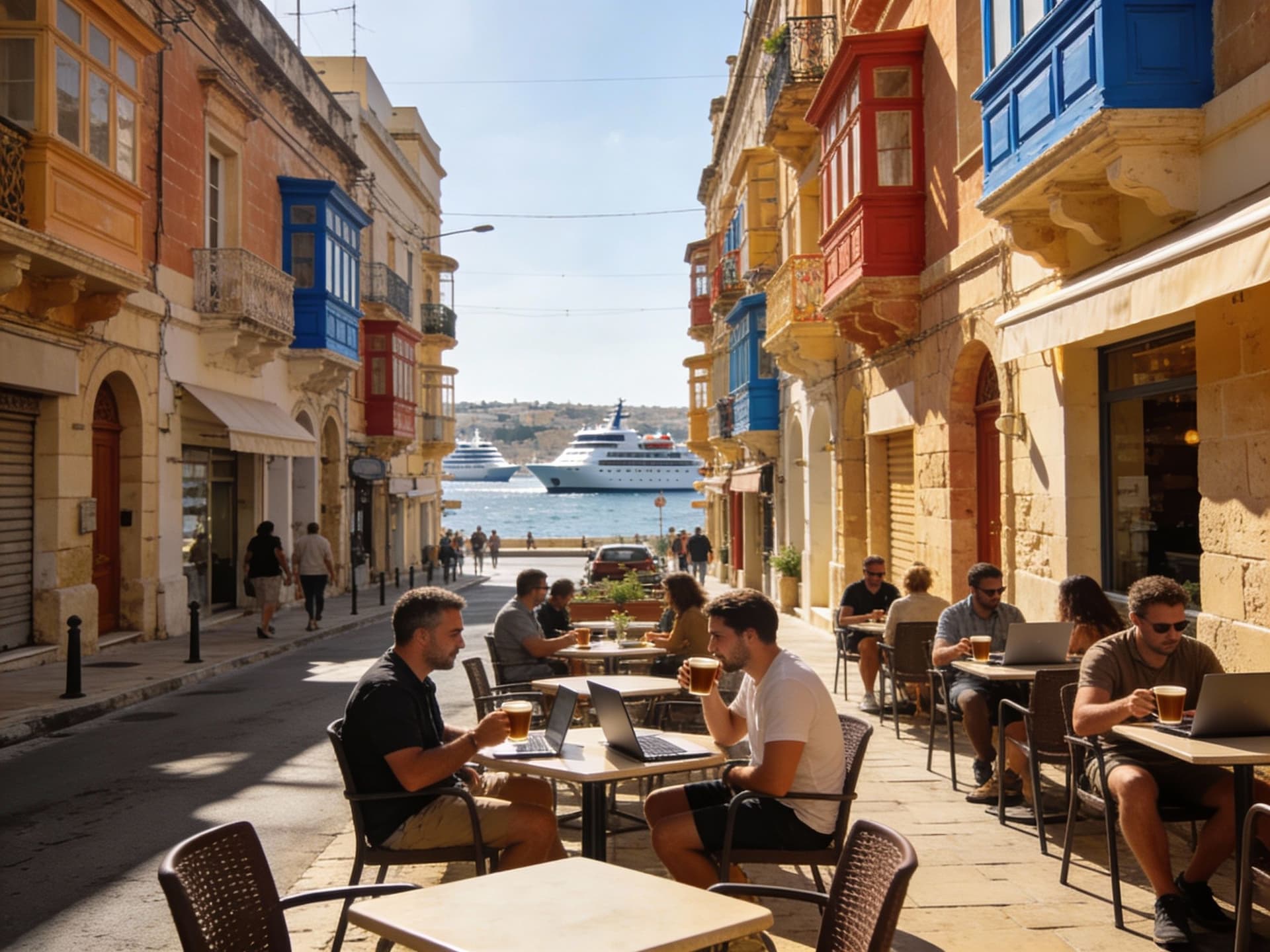
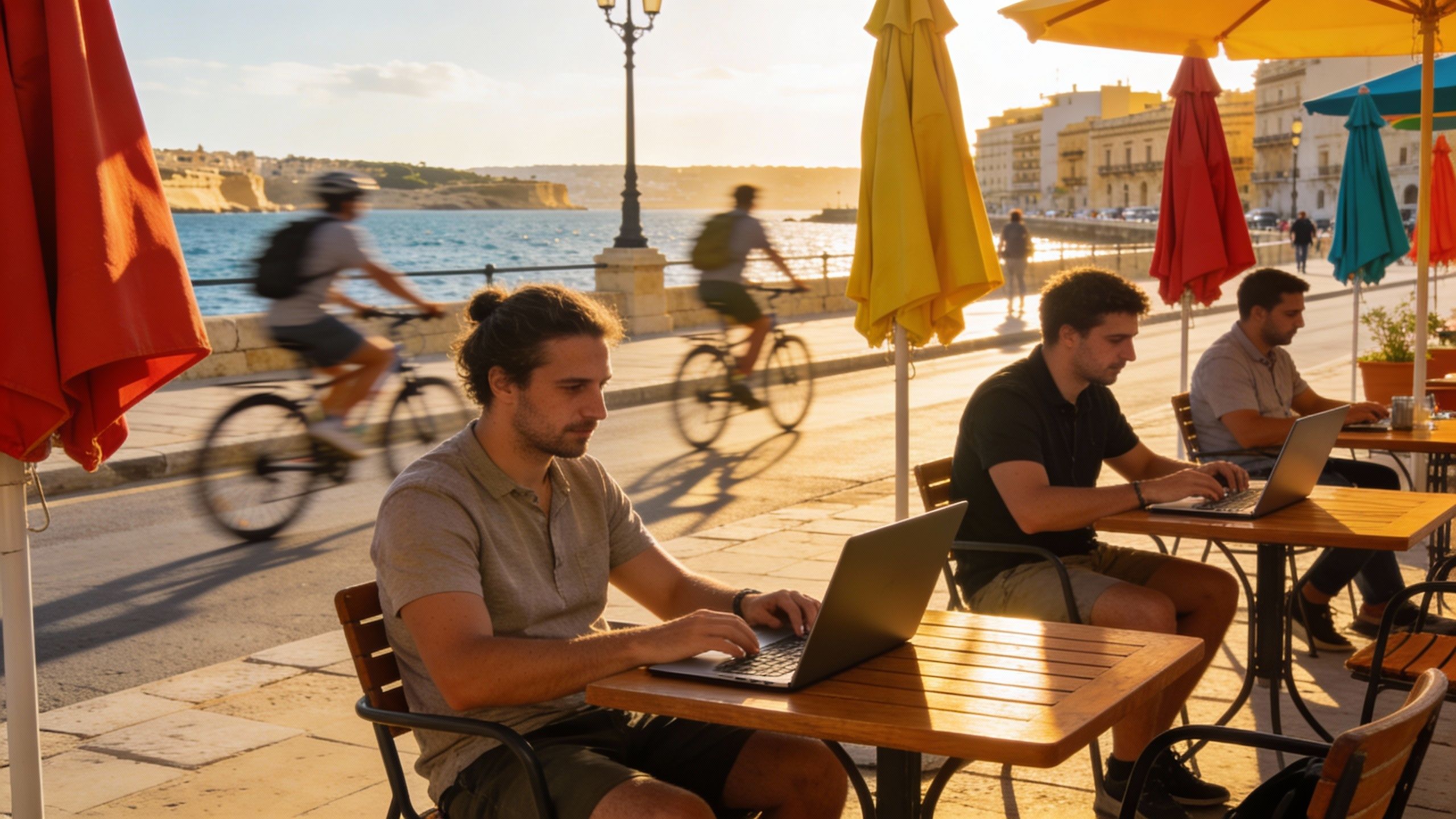
Life here is sensory. In Valletta the day begins with church bells and workers grabbing coffee at cafés on Strait Street; in Sliema and St Julian's the mornings are for running along promenades and afternoons for laptop sessions in sunlit cafés. Head inland to Birkirkara for vigorous local markets and real neighbourliness, or north to Mellieħa for beach weekends and quieter streets. Each spot offers a distinct tempo—choose the neighbourhood that matches how you want to live, not just where listings look pretty.
Sliema & Gzira — the working‑by‑the‑sea combo
Sliema and Gzira are the nomad sweet spot: cafes with stable Wi‑Fi, waterfront walks, international restaurants and easy ferry links to Valletta. Apartments here are walkable, social and filled with coworking meetups—think laptop-on-table energy from morning espresso to late aperitivo. Expect higher asking prices and more tourist traffic in summer; on the plus side, short-term rental demand makes property management straightforward if you plan to let.
Valletta & the Three Cities — history as a neighbour
Valletta is cinematic: narrow streets, grand churches and tiny artisan shops. Living here feels like being inside a UNESCO postcard. The tradeoff? Smaller floorplans, thick stone walls (great for quiet, less great for installing central air) and traffic limits that make deliveries and renovations a logistical dance. The Three Cities (Birgu, Senglea, Cospicua) offer characterful townhouses and a quieter, local rhythm—perfect if you want history without constant tourists.
- Lifestyle highlights to scout in person
- Morning espresso at Caffè Cordina (Valletta) — great for people‑watching and getting a sense of the local pulse.
- Coworking day at The Hub (St Julian’s) or Tal‑Malta coworking in Sliema — test Wi‑Fi and community before you commit.
- Sunset walk on the Sliema promenade into Gzira — simple quality-of-life check: noise, parking and evening crowd levels.
Making the move: market reality and practical checks
Dreams collide with data. Malta's Residential Property Price Index showed year‑on‑year growth in recent quarters, reflecting steady demand—especially for apartments—while prices and volumes vary by district. Use national stats to set expectations, but dig into micro‑markets: Sliema pricing behaves differently to Gozo or the Southern Harbour district. If you love a neighbourhood, test living there for a month and ask local agents about permit timelines and conservation area rules that affect renovation plans.
Property styles and what they mean for daily life
Apartments dominate the market—bright, compact and often with balconies. Maisonettes and townhouses give you more indoor‑outdoor life: roof terraces, small gardens and that Mediterranean habit of living outside. Houses of character come with beams and thick limestone walls but often need rewiring and insulation upgrades. Match property type to your routine: if you work from home, prioritise a sunlit room that fits a desk and reliable fibre, not just a pretty terrace.
Work with local experts who know the lifestyle
Local agencies are lifestyle translators. They’ll flag conservation area restrictions, typical renovation delays, and whether a property actually gets good midday sun or just a view. Ask agents for recent examples of fitted fibre, building management contacts, and how neighbours use common spaces. A good agent introduces you to the local tradespeople you’ll need later—plumbers, electricians and a handyman who understands Maltese stone.
- Practical checklist before making an offer
- Run a connectivity test at different times (fibre speeds vary by building).
- Confirm conservation or UCA status—restrictions can block alterations.
- Check residency and permit implications (recent EU rulings changed citizenship‑for‑investment options).
Insider knowledge: what expats wish they'd known
Here's the real talk: the island is small and word travels fast. Noise, parking and neighbourhood politics matter. If a place looks quiet on Instagram, check it on a weekday morning and a Saturday night. Summer's crowds (and short‑term lets) change the energy—and prices—in coastal hubs. On the flip side, off‑season living reveals Malta’s true charms: empty coves, slower queues and friendlier neighbourly invites.
Language, community and making friends
English is an official language, which flattens many early hurdles. Still, learning Maltese opens doors—your butcher or landlord will appreciate it. Join local meetups, expat Facebook groups, and weekly markets (Marsaxlokk on Sunday is a classic) to meet neighbours. For families, international schools cluster around the central and Northern Harbour regions—visit them early to gauge availability.
Long‑term lifestyle & investment realities
Malta’s market remains attractive for its rental demand and tourism link, but pockets are heating up faster than others. Apartments have been the strongest-performing category recently—use official RPPI data to compare districts. If you plan to rent, factor in seasonal variations and licensing rules for short‑term lets. And remember: community fit often trumps marginal price differences—the right street will make you feel at home.
- Local red flags to watch for
- Unclear title history or missing permits for additions — always confirm with a lawyer.
- No fibre or poor building wiring—easy to spot when you test actual speed in the apartment.
- Properties inside Urban Conservation Areas that block practical upgrades.
Ready to meet the island? Start with a month‑long rental in the neighbourhood you love, run real‑world checks (wifi, sun, noise), then work with a local agent who’s recommended by residents, not just by listings. That slow‑love approach protects both the dream and your deposit.
Conclusion: Malta is compact magic with practical tradeoffs. Live where the light and community fit your life, test everything (connectivity, conservation status, summer crowds), and use local experts who understand both the lifestyle you want and the paperwork you need. Picture your life here—espresso, sea breeze, and a neighbourhood that already knows your name—and then take the pragmatic steps to make that life real.
Danish investor and relocation advisor focusing on Portugal and the Algarve; loves coworking culture and expat networks.