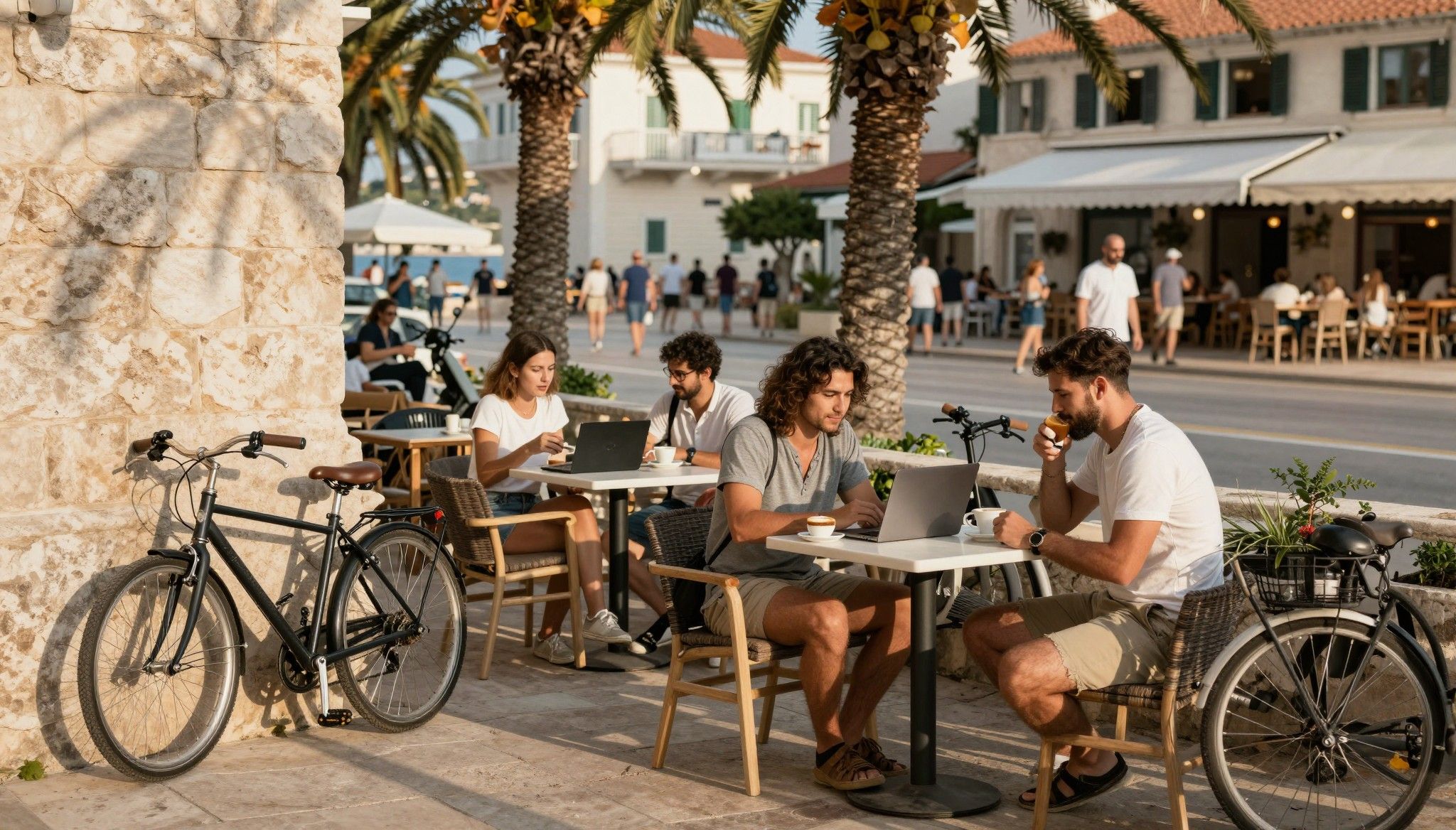
Love Greece First, Then Do the Homework
Greece delivers sunlit neighborhood life and growing foreign demand; blend lifestyle tests with updated market, Golden Visa and connectivity checks before you buy.

Imagine stepping out of a sunlit kafeneio in Koukaki with a paper cup of Greek coffee, the chatter of neighbors mixing with the clack of tram wheels — and knowing your “office” for the day might be a cliffside terrace on Crete or a compact, light-filled apartment in Pangrati. Greece isn’t one place; it’s a set of daily rituals: markets at dawn, late dinners under bougainvillea, islands that feel like secret postcards. For many international buyers, that lifestyle promise is the magnet. But the practical reality of buying — market moves, visa changes, renovation quirks — can either make that dream seamless or surprisingly complicated.
Living the Greece lifestyle
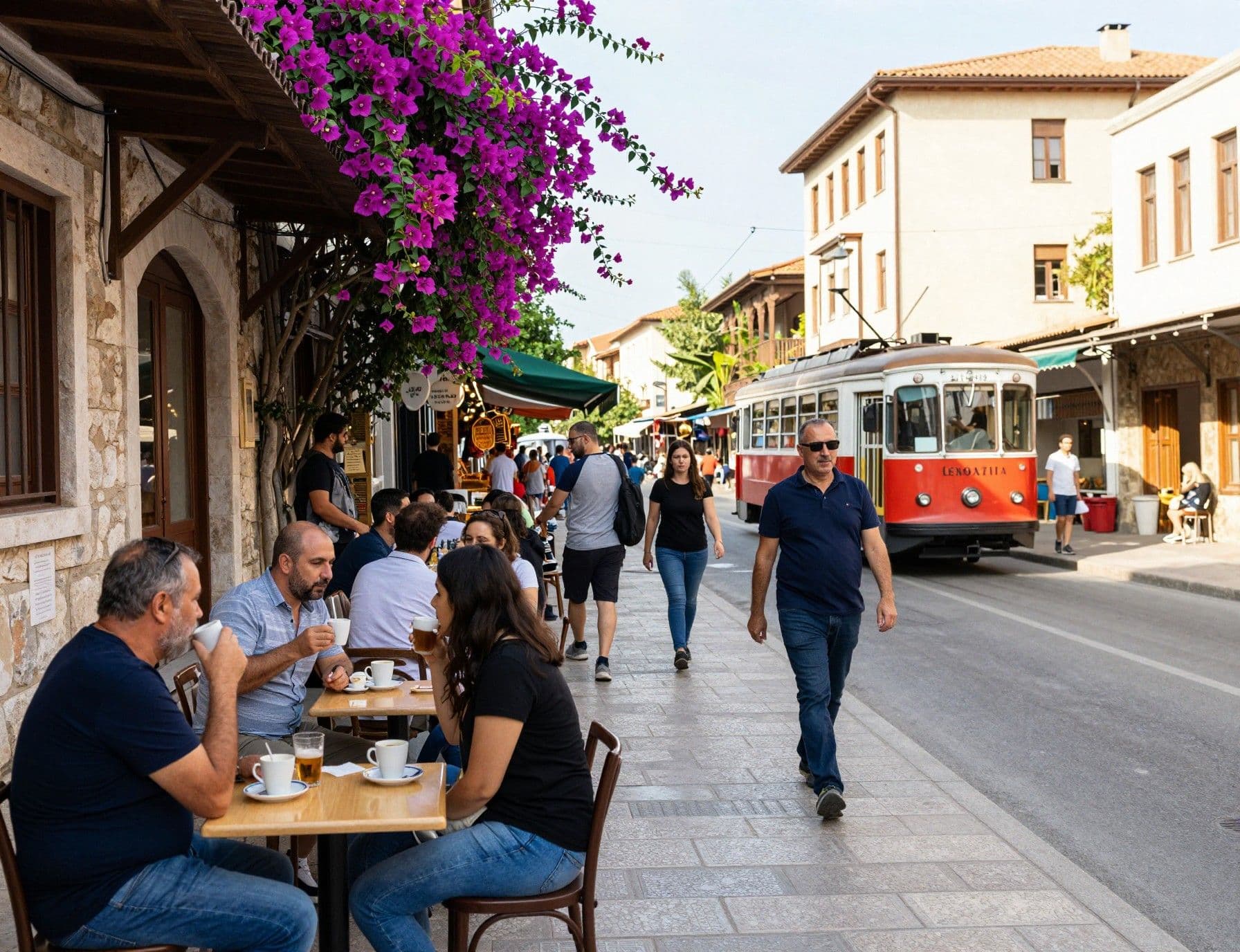
Greece greets you with texture: sun-baked stone, sea-salt air, the bell of a neighborhood church on a Sunday. Days are slower in villages and faster in Athens, but everywhere the social fabric is public and delicious — espresso at a counter, a chat with the baker, aperitivo-style mezze as the light softens. For nomads, that translates into a life where work weeks can be balanced with afternoons at the beach, farmstands that replace supermarkets, and a sense of community that arrives through repeated morning hellos.
Neighborhood spotlight: Koukaki & Pangrati (Athens)
Koukaki sits a short walk from the Acropolis and feels like Athensʼ living room: narrow streets lined with independent cafes (try TAF or a tucked-away bougatsa spot), small galleries, and rooftop bars that become afternoon coworking hubs. Pangrati is more residential and green — tree-lined streets, local markets, and a strong ex-pat presence. Both neighbourhoods offer walkability, cafés that double as workspaces, and short commutes to central coworking spaces — perfect if you want city energy with easy rhythms.
Food, markets and seasonal rhythms
Breakfast is fresh koulouri on a corner; lunch is a taverna by the sea; dinner is long and sociable. Weekly markets (laiki) are a ritual — seasonal fruit, local cheese, and vegetables that shape menus. For remote work, Greek cities have been upgrading connectivity: national average download speeds have risen in recent years and many urban apartments comfortably support remote setups. Combine that with abundant outdoor cafés and growing coworking scenes and you have a nation that can support a modern nomad life.
- Lifestyle highlights
- Morning espresso at a corner kafeneio (Koukaki's Ploutarchou or Pangrati’s square)
- Weekend laiki (farmers’ market) for ultra‑fresh produce and local conversation
- Coastal weekends along the Athens Riviera (Glyfada to Vouliagmeni) or island hops to Kea, Naxos, Crete
- Evening mezze and live music in small tavernas — a nightly social calendar in many towns
Making the move: lifestyle meets property reality
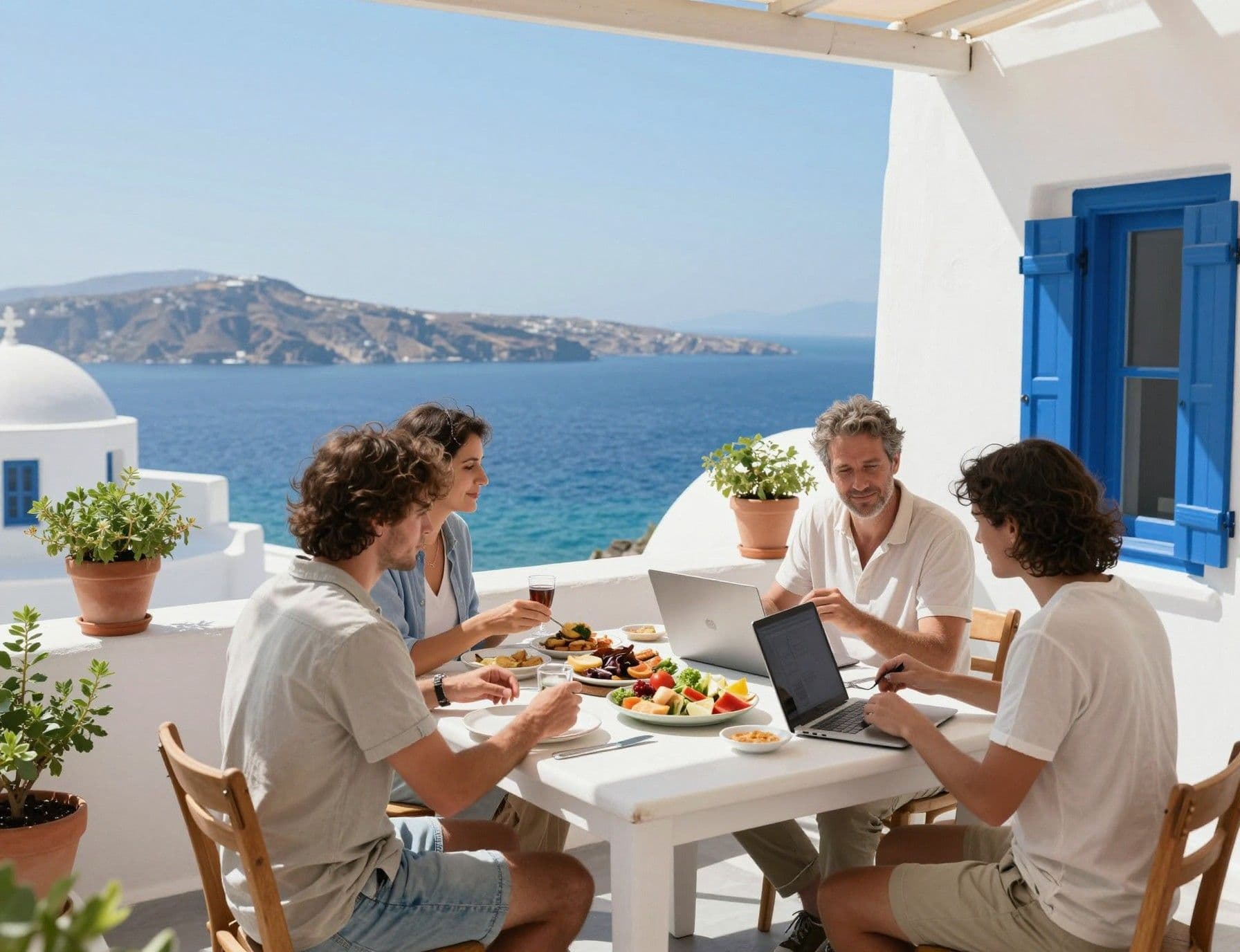
If the romance of Greek life is the why, the property market is the how. Recent data show steady demand from foreign buyers and rising prices in key areas; many international buyers now choose mid-range, practical homes rather than ultra-luxury villas. That affects where you can live affordably and what kind of value you can expect from rentals or resale. Work with that reality rather than against it: match the neighborhood to your daily habits (coworking access, grocery runs, flight links) and you’ll actually live the lifestyle you imagined.
Property styles and the life they support
Choose a neoclassical Athens flat and you’ll get marble details, high ceilings, and a central social life — but often less outdoor space. Pick a Cycladic house and you gain terraces and sea views but accept steep stairs and seasonal isolation. New builds around Crete and the islands add modern amenities (air conditioning, Wi‑Fi-ready wiring, larger terraces) ideal for year‑round remote work. Know which features map to your routine: a quiet room for calls, consistent internet, and an outdoor spot you actually use.
Why local agents matter for lifestyle fit
A local agency doesn’t just find listings; it interprets lifestyle. Good agents know which streets have morning markets, which apartments get breeze in July, which block parties are noisy at midnight, and which neighbors are seasonal owners. They save you weeks of trial-and-error. Pair them with a lawyer who understands local title searches, historic property rules, and recent visa-related legislation so the life you buy is also legally sound.
- Steps to match property to the life you want
- List daily must-haves (workspace, market access, transport) and rank them by non-negotiable to nice-to-have
- Tour prospective neighborhoods at different times (weekday morning, weekend night, mid-afternoon) to feel real rhythms
- Ask your agent about community details: nearby meetups, coworking passes, seasonal noise, and rental demand patterns
- Hire a local lawyer for title checks and to explain recent Golden Visa and residency updates that affect long‑term plans
Insider knowledge: what expats wish they'd known
Real talk: many expats underestimate seasonality, bureaucracy pacing, and the cultural value of face-to-face relationships. The Golden Visa rules and residency pathways were revised in recent years — and while Greece still offers several residency options, thresholds and eligible property types are changing. That means timelines you planned on can stretch, and your choice of property (commercial-to-residential conversions, renovation projects) can affect eligibility and cost.
Cultural integration: how to actually belong
Start local: learn a few Greek phrases, go to the same bakery, join a language-exchange or a local volunteer beach clean. Many neighborhoods reward persistence; say hello often and you’ll be invited to neighborhood dinners. Social life is center-stage in Greek culture — participation beats perfection. That approach makes the practical parts of settling-in (finding a plumber, setting up utilities) far easier because people help those they know.
Long-term lifestyle considerations
Think ahead: island homes can be dreamy but often require local property managers for rentals and maintenance. Mainland life offers easier year‑round services and schools. Recent market reports show foreign demand pushing prices in countryside and island markets, so plan for management costs and seasonal rental cycles if you expect income from the property. Also, consider energy upgrades — insulation and solar can make Mediterranean living comfortable and lower utility bills long-term.
- Expats’ practical tips
- Rent for a few months before buying in an island town to test seasonality and services
- Budget for a local fixer and expect renovation timelines to be longer than advertised
- Confirm broadband options and mobile coverage at each exact address before committing
- Speak with a property manager about off-season occupancy and maintenance plans
Conclusion: fall in love, then plan like a local. Greece gives you slow afternoons, dramatic coastlines, and neighborhoods that hum with life — but the sweet life comes with details: seasonality, legal changes, and realistic budgets. Start with short stays, shortlist neighborhoods by daily routines (coffee, coworking, market), and bring in a local agent plus a lawyer familiar with recent Golden Visa and title rules. Do that and you’ll buy not just a property, but a place where mornings feel inevitable and every corner becomes familiar.
Swedish, relocated to Marbella in 2018 to chase sun and property freedom. Focus on legal navigation and tax for Nordic buyers.