Croatia Money Map: When Costs Dip and What You Pay
Practical, off‑season budgeting for Croatia: how coastal premiums, hidden fees and seasonality shape what you’ll actually pay—and how to save smartly.
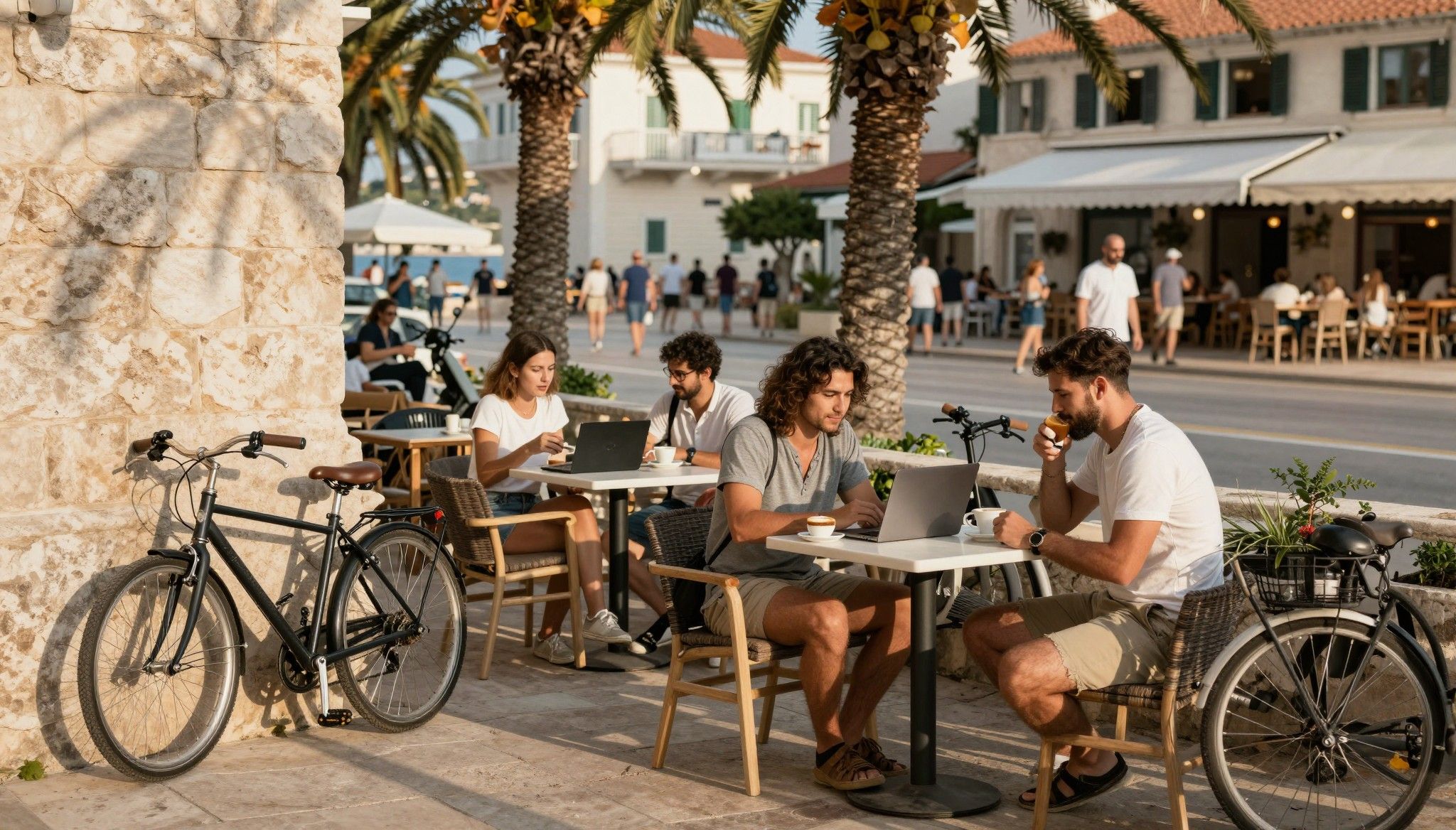
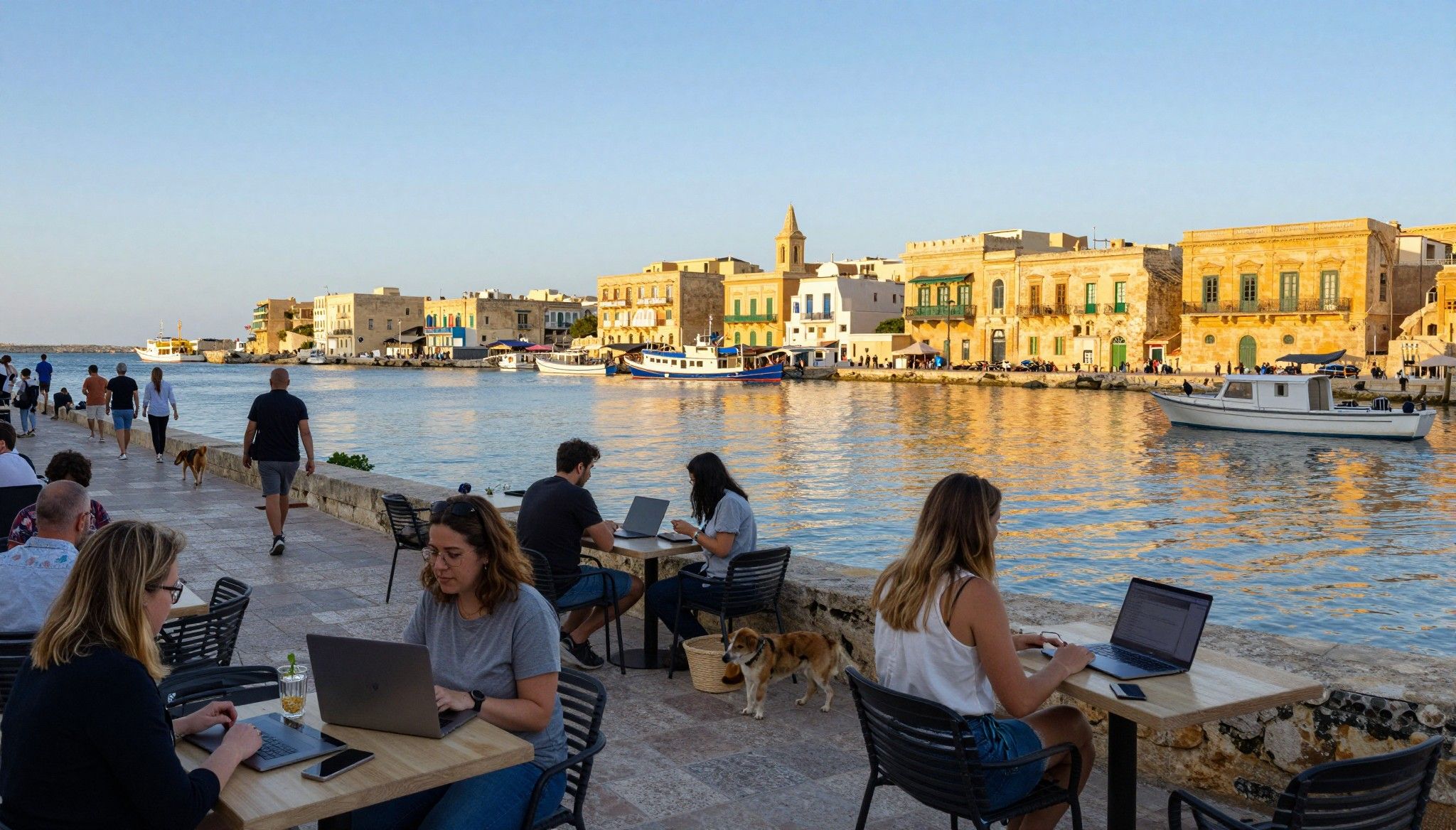
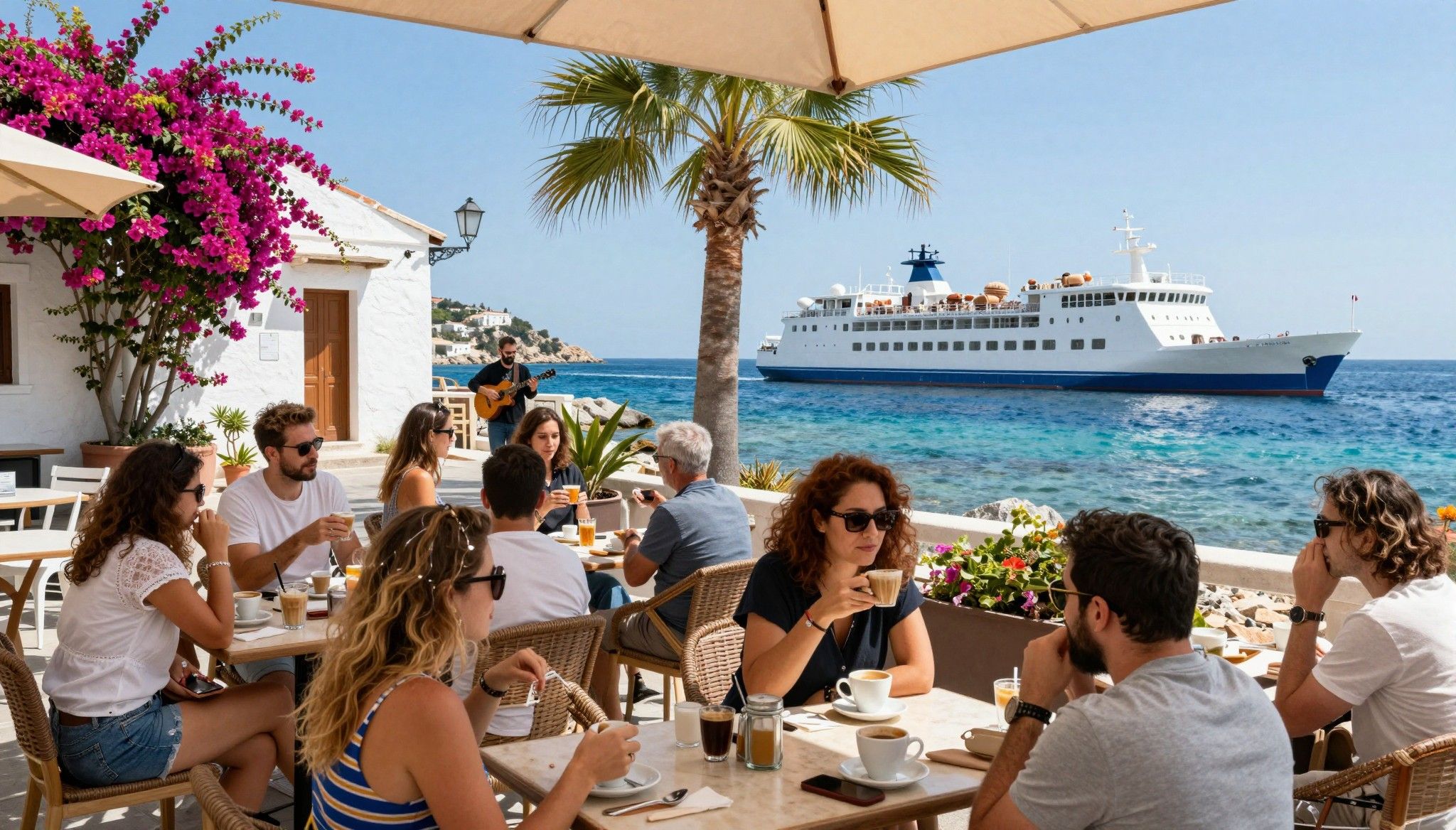
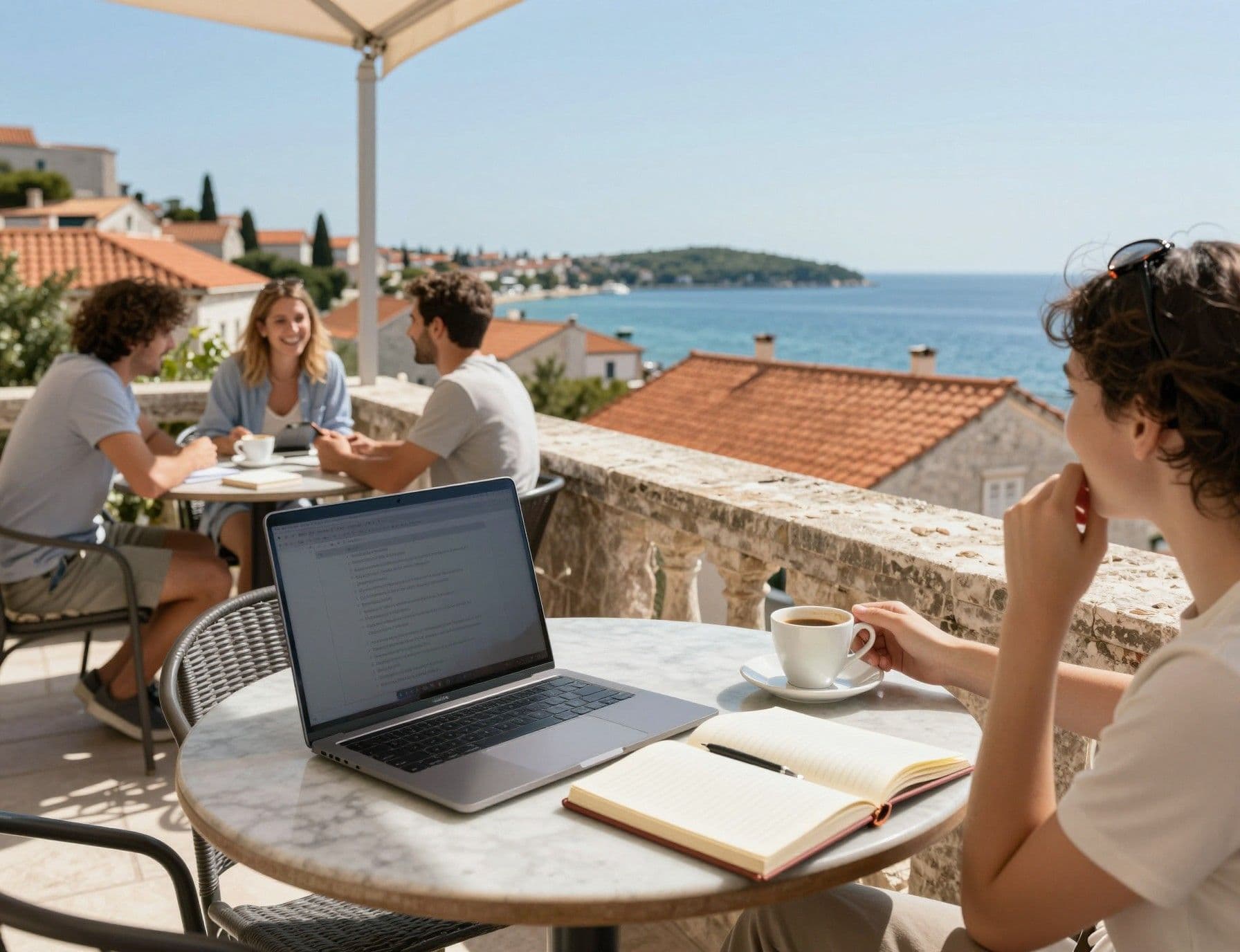
Imagine sipping espresso at Split’s waterfront Riva at dawn, laptop open, then slipping into a local konoba for grilled fish at dusk. Croatia moves at a Mediterranean rhythm—stone streets, loud markets, late dinners and long summers—but the money side of that dream has more textures than the postcards show.
Living the Croatia life (and what it costs)
Coastal towns glitter—and they come with coastal price tags. Recent market snapshots show asking prices rising fastest on the Adriatic (Split‑Dalmatia, Istria, Dubrovnik areas). But that headline doesn’t tell you where the real bargains live: seasonality, building age, and how locals actually use space all reshape what you’ll pay and how far your budget goes.
Zagreb morning, island sunsets — different budgets, same country
Zagreb’s cafés and coworking spaces give you city convenience for less than prime coastal addresses. Inland areas offer lower per‑sqm prices and better long‑term value for nomads focused on community and calendar‑stable living. Use market snapshots and local listings to compare living costs and expected rental yields before you fall for sea views.
What ‘coastal premium’ actually means in euros
Expect national average asking prices around €3,600–€4,100/m² with coastal hotspots higher; mid‑2025 reports place some Adriatic towns over €4,000–€5,000/m². But averages hide extremes—renovation opportunities, off‑season bargains, and inland towns can cut your price by 30%+ compared to tourist belts.
Practical budgeting: what to add beyond the listing price
The sticker price is only the headline. Add notary fees, land registry costs, agent commissions (if applicable), lawyer fees, OIB/tax registrations, utility connection and renovation budgets. For short-term rentals expect furnishing and marketing costs. Always budget a contingency (8–12%) for surprises in older stone houses.
Hidden cost hotspots — learn them before you write a deposit
Title irregularities, unpaid utility charges, and permitted use restrictions can appear on old coastal parcels. A local lawyer or notary will flag these issues. Foreign buyers need an OIB (tax ID) and—depending on nationality—consent from the Ministry or reciprocity agreements. Treat due diligence like a non‑negotiable line item in your budget.
- Budget checklist (add these to the purchase price):
• Deposit (kapara) commonly ~10% of price • Notary & land registry fees • Lawyer and title search • Agency commission (if seller doesn’t cover it) • Property transfer taxes or VAT where applicable • Renovation, furnishing and connection costs • Annual running costs: utilities, local property tax, insurance
Smart seasonal strategies that save money (contrarian moves)
Everyone house‑hunts in spring and summer. That’s why I argue: go in autumn or winter. Fewer buyers, calmer agents, and sellers who want to close before next season often mean better negotiation room. You’ll see a truer picture of a street when cafés are closed and not just staged for tourists.
- Seasonal steps to lower your purchase cost
1. Visit off‑season to compare daily life, not postcards. 2. Ask sellers about year‑round running costs (heating, water, winter maintenance). 3. Request a price reduction for appliances, furniture, or to cover minor repairs. 4. Time offers for November–February when competition is softer.
Insider knowledge: what expats wish they’d known
Expats often underestimate community rhythm: summer tourists alter services, winter quiet can reveal poor insulation or limited public transport. Also, rental yield numbers are moderate—expect ~4–5% gross in many areas—so buy more for lifestyle than quick passive returns unless you’master short‑term rental operations.
Integration, language and everyday life
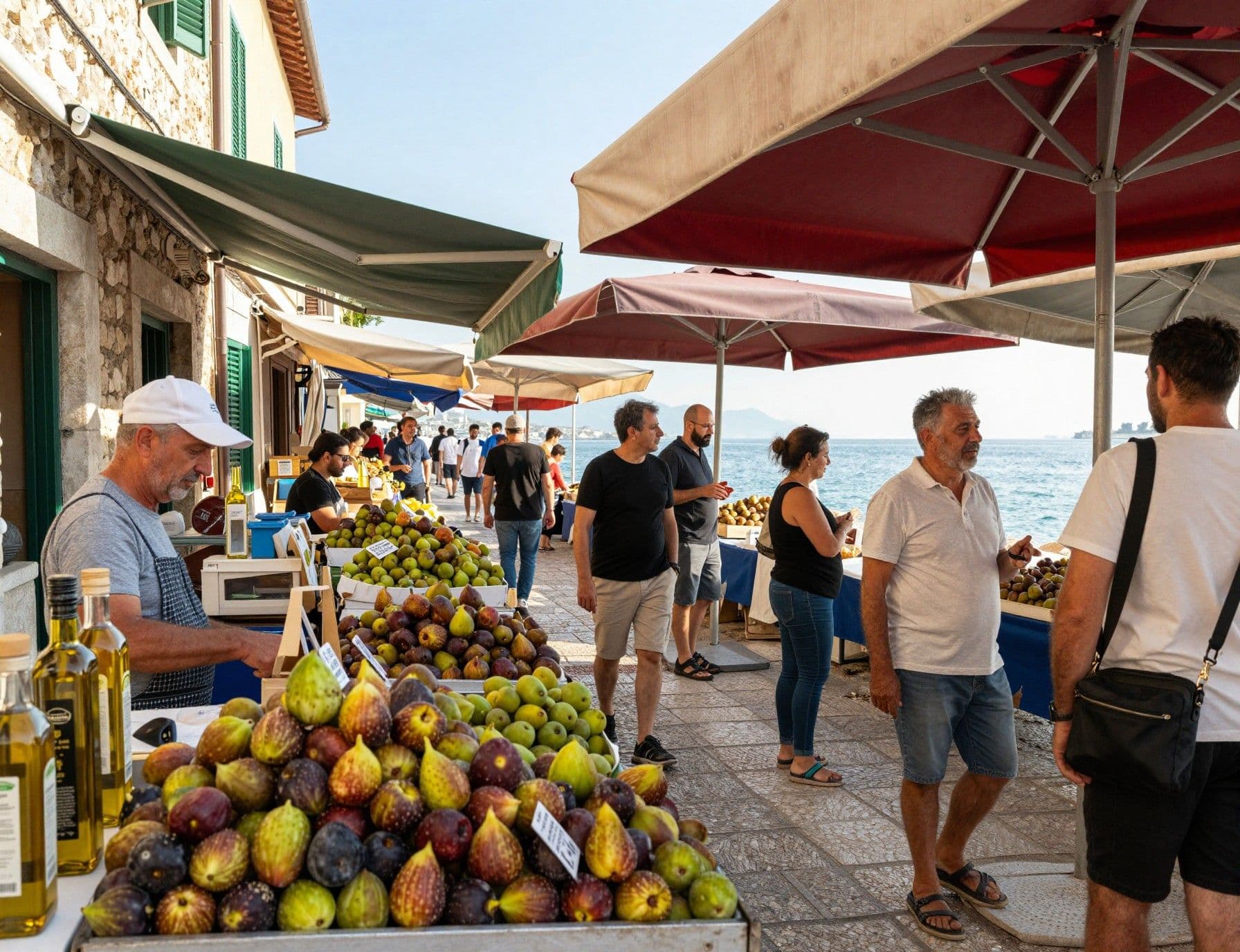
Croatians are warm and practical. Learn a few phrases, join local markets (Dolac in Zagreb or Pazar in Split), and show up at a town event. That local currency—friendship—unlocks renovation teams, trustworthy caretakers, and off‑market property tips that save you time and money.
Quick community hacks
• Learn key Croatian phrases and use them in negotiation. • Use local Facebook groups and expat meetups to find contractors. • Check year‑long bus schedules and grocery hours before you buy. • Ask neighbours about winter realities (snow clearance, heating reliability).
Conclusion: Croatia gives you light, community and a slower‑good life—but smart budgeting makes that life sustainable. Start with a clear purchase budget + 12% contingency, visit off‑season, hire a local lawyer and a lifestyle‑minded agent, and build relationships in the town you choose. Want us to match you with vetted Croatian agents who get nomad life and costs? That’s the next small step toward living the Adriatic rhythm with your finances intact.
Swedish, relocated to Marbella in 2018 to chase sun and property freedom. Focus on legal navigation and tax for Nordic buyers.