Greece: Finance Moves That Protect Your Island Dream
Live like a local in Greece — but finance like a pro: timing, mortgages, Golden Visa rules and bank steps to protect your seaside dream (with sources).
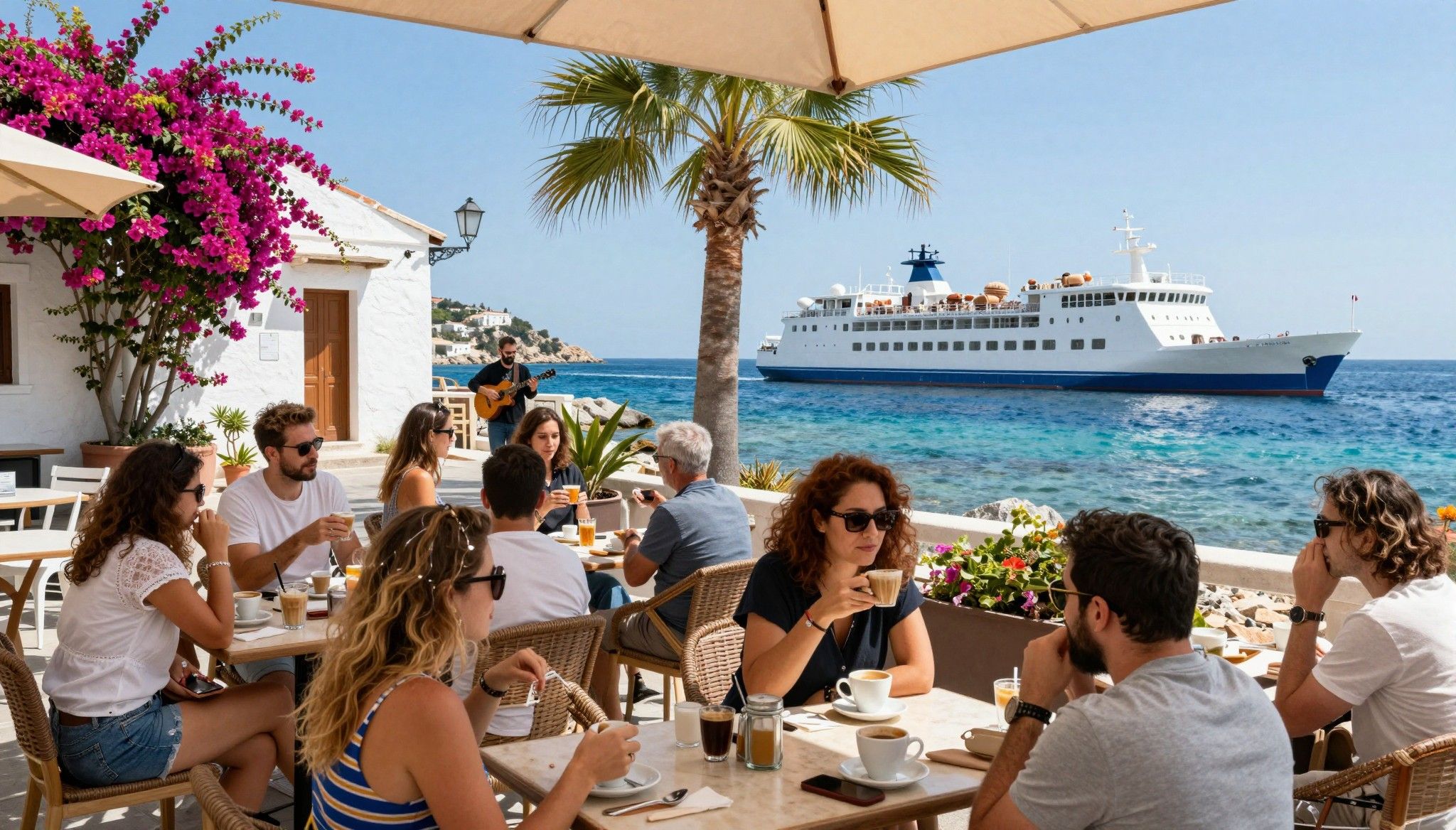
Imagine morning espresso on an Athens balcony, a ferry ticket in your pocket and a winter beach walk on Crete two months later. Greece feels like sunlight and slow afternoons — but buying here mixes dreamy seaside rituals with sharp paperwork, cross-border financing and currency timing. This guide shows how to protect that feeling while making smart money moves.
Living the Greece life
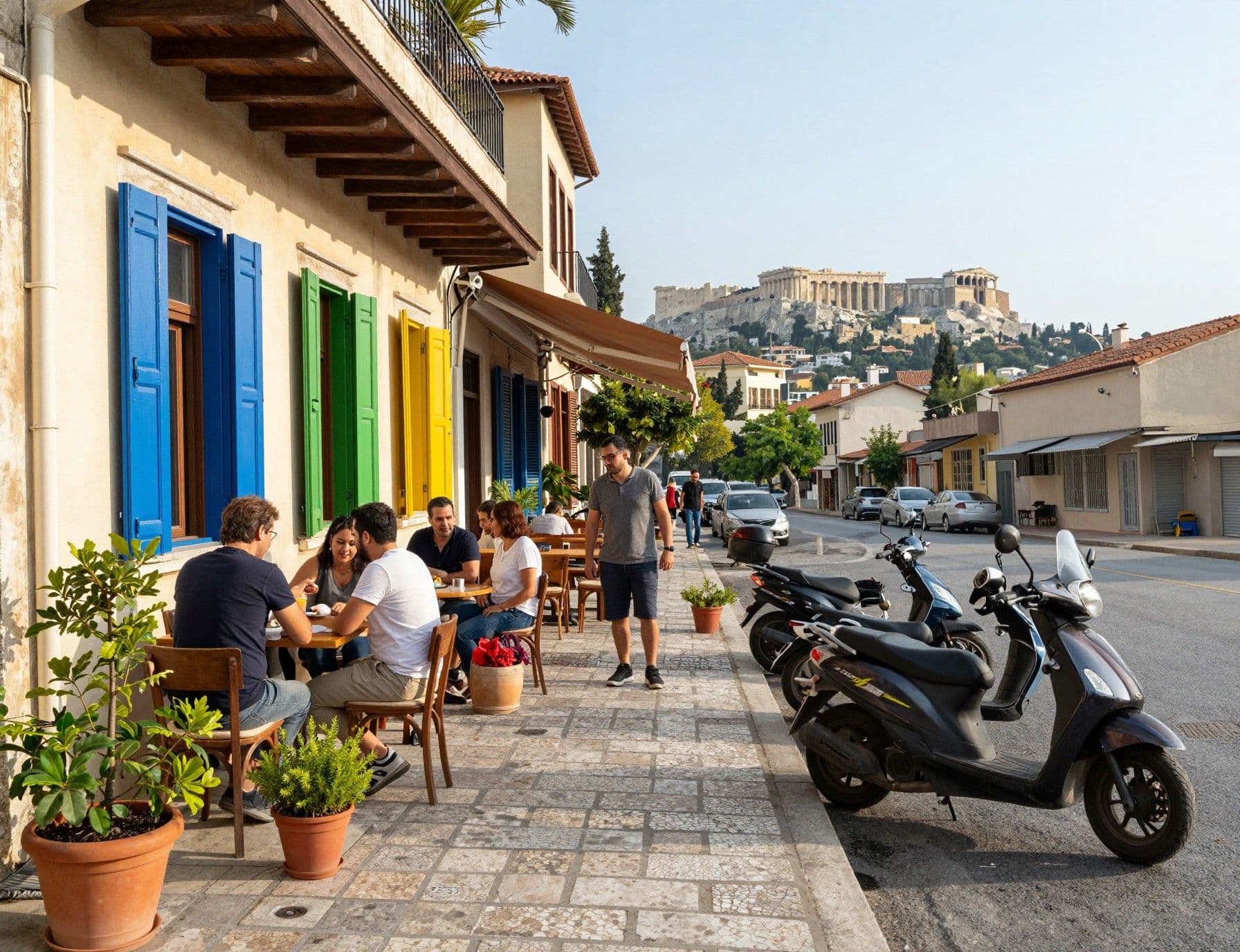
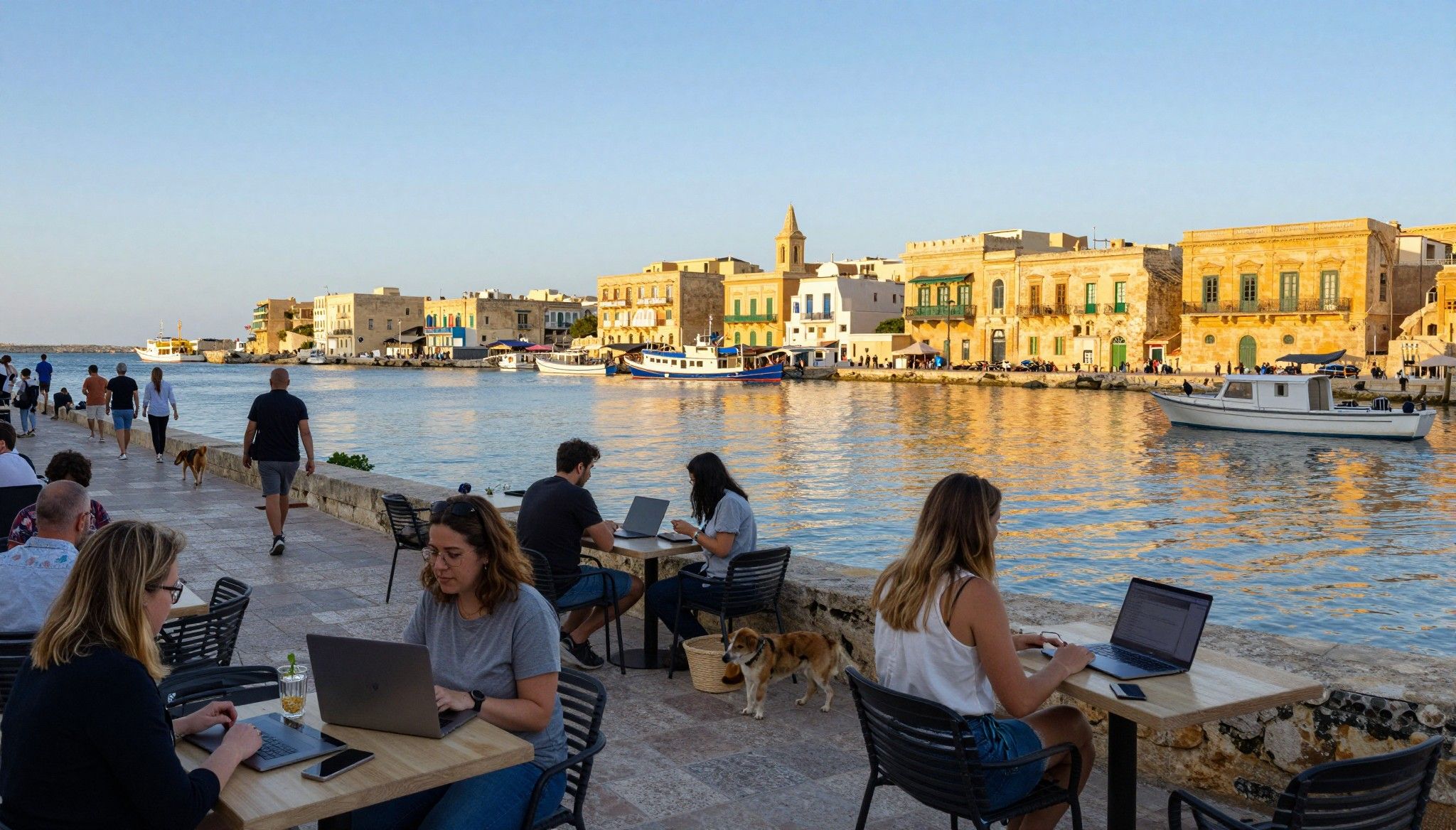
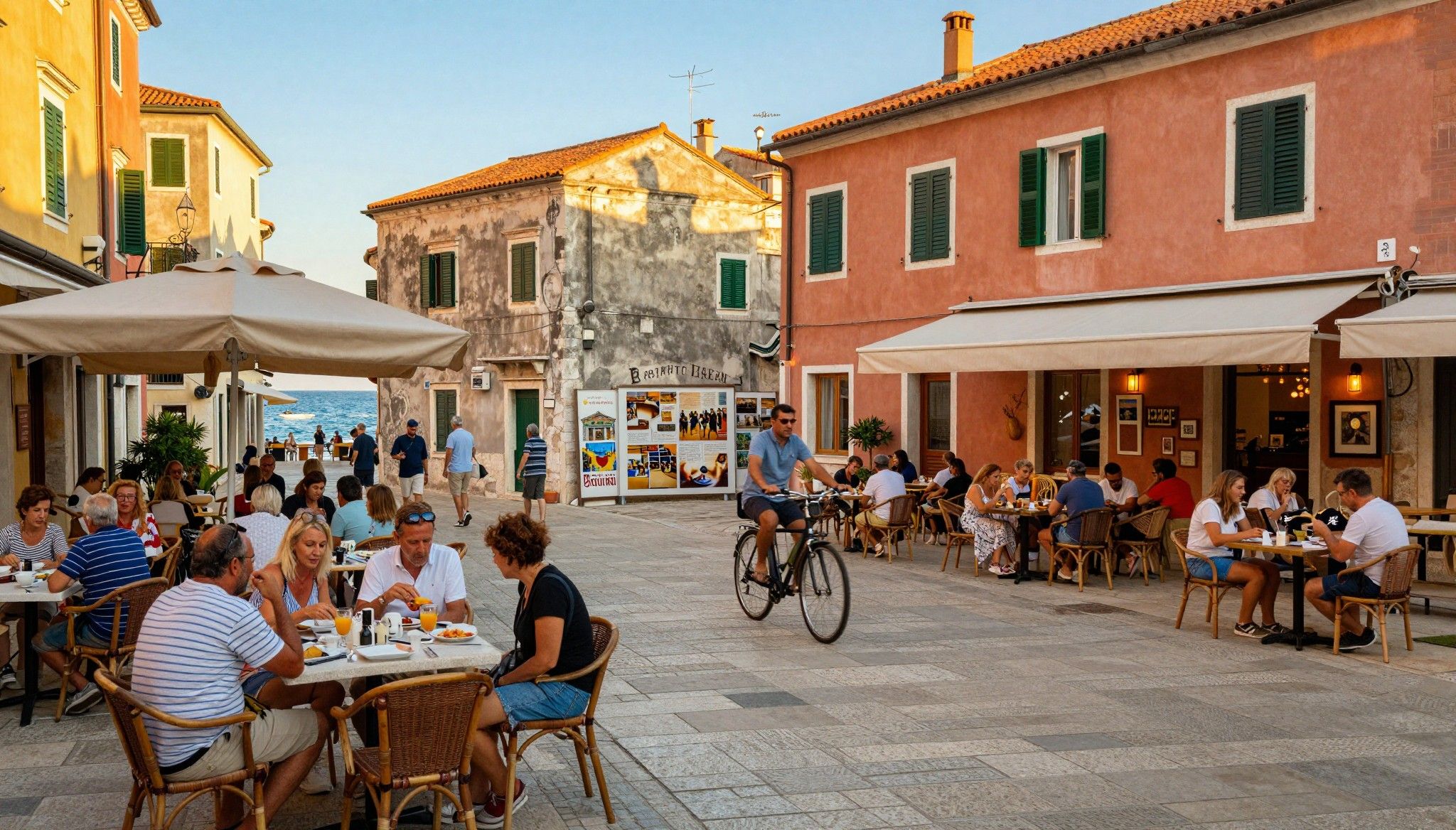
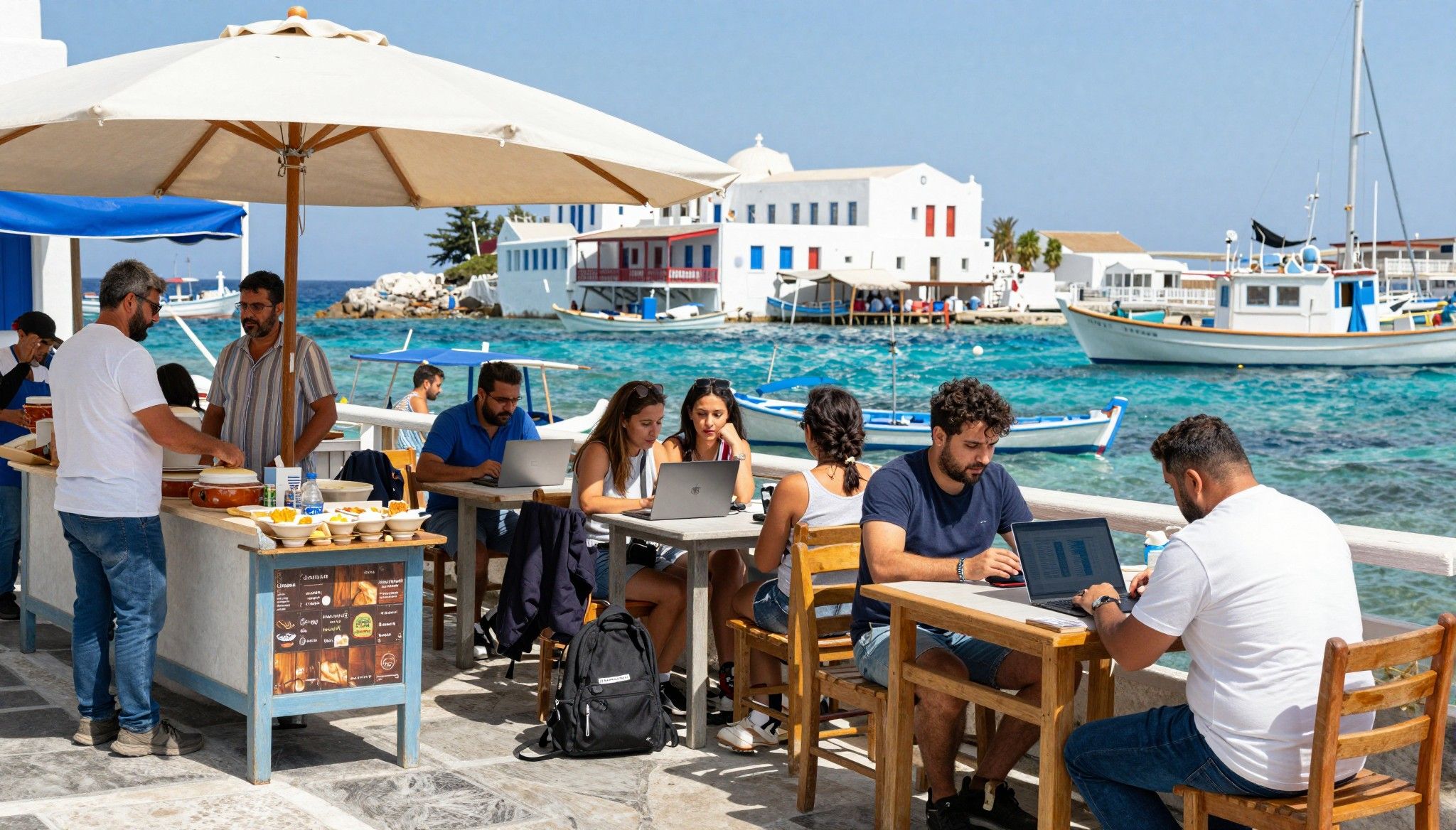
Greece is a tangle of textures: slate roofs in Plaka, blue-domed skylines in Santorini, fish markets and loud laughter at Psyrri bars. Days start slowly — bakeries and cafes fill with locals — and evenings stretch late over seafood and wine. For nomads, the pull is real: reliable café wifi in Thessaloniki, palm‑lined boardwalks in Chania, and coworking hubs popping up in islands and cities alike.
Neighborhood spotlight: Athens — Koukaki to Pangrati
Walkable and compact, Koukaki offers day markets, rooftop bars with Acropolis views and a community of creatives. Pangrati is buzzy with coffee shops, parks for morning runs and a surprisingly local feel despite centrality. Both are places you can truly live like a local — short commutes, cafés that double as offices, and neighbors who know your name.
Food, sea and seasonality
Fresh markets shape daily life: think morning fish auctions in local ports and tavernas where menus change by the week. Seasonal rhythms matter — many islands quiet down in winter — and that affects rental potential, maintenance and how you experience your property across months. Local festivals can transform neighborhoods overnight; buy knowing when peak life happens.
- Lifestyle highlights: Koukaki cafés, Chania beach runs, Thessaloniki food markets, Santorini sunset strolls, Athenian rooftop coworking, Mykonos early‑season calm
Making the move: practical financing & banking
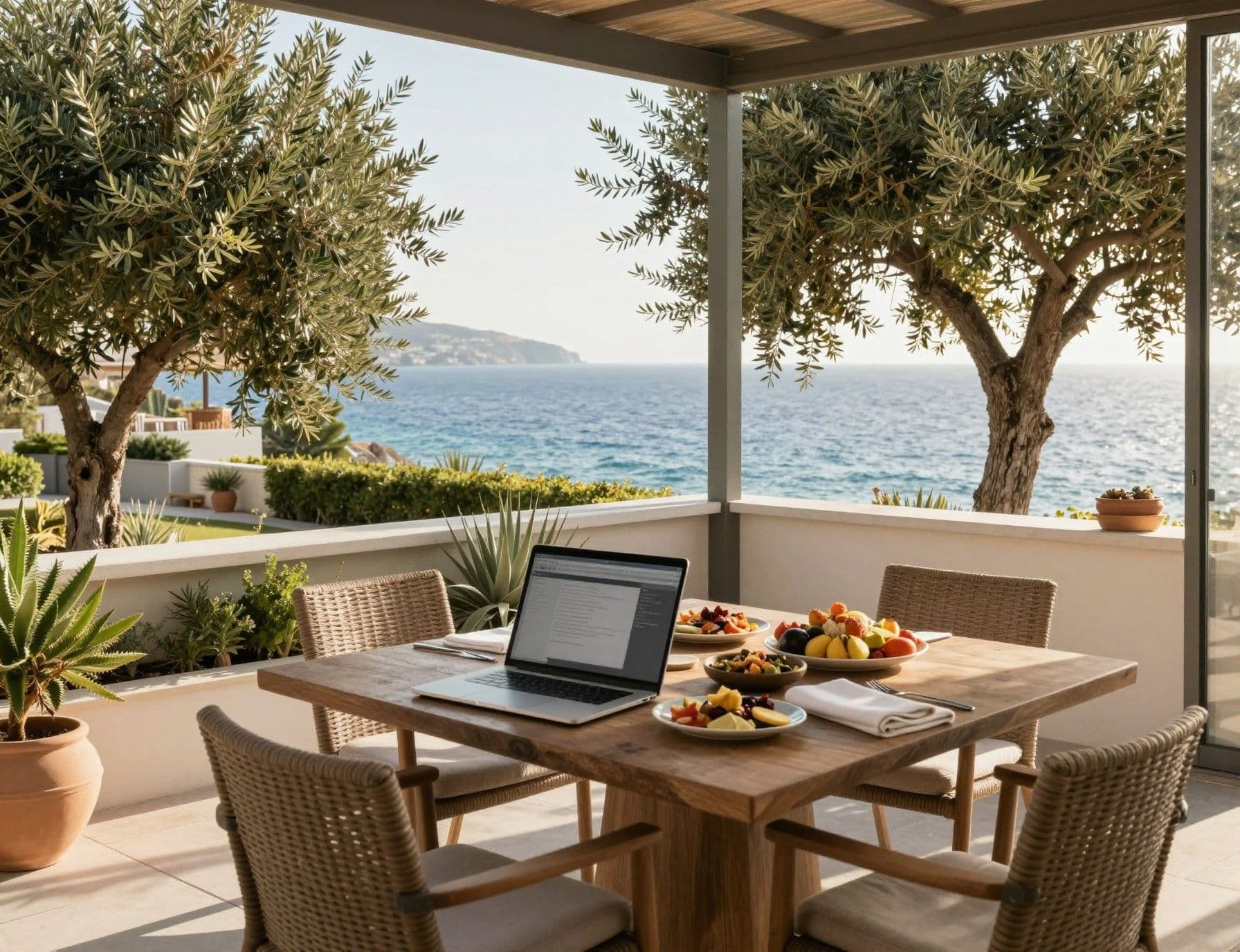
Romance the lifestyle, but anchor decisions in numbers. Greece uses the euro, mortgage offers vary by bank, and residency-linked investment rules have shifted recently. Big changes to the Golden Visa thresholds and usage rules (Law 5100/2024) mean buying for residency requires up‑to‑date advice. Always confirm thresholds and transitional provisions before you sign.
Mortgage realities for non‑residents
Greek banks do lend to foreigners, but expect higher deposit requirements and stricter income verification than domestic buyers. Typical foreign-buyer mortgage rates have ranged in recent reports around 4%–5.5% depending on profile. Prepare bank statements, tax returns and a Greek tax number (AFM). If a bank‑financed purchase is essential, get pre‑approval from at least two lenders early.
Banking, currency and money flow tips
Open a Greek bank account for transfers and to pay utility and municipal bills; it's not always mandatory but it simplifies closing and gives traceability for residency applications. Use a dedicated FX specialist or a regulated currency service for large transfers — small percentage savings on the exchange can save thousands on a full purchase price.
- Step-by-step financing checklist: 1) Get AFM and open a Greek bank account; 2) Obtain mortgage pre‑approval (if needed) from two lenders; 3) Arrange notarised proof of funds and FX plan; 4) Factor in taxes/fees (typically 7–10% closing costs); 5) Lock in transfer and payment timelines with your notary and lawyer.
Insider knowledge: red flags, tradeoffs and timing
Yes, tourism fuels prices. But not all hotspots behave the same. Buyers who chase summer crowds often overpay for seasonal rental windows while missing quieter, more affordable neighborhoods where locals actually live. Market momentum slowed slightly after strong gains — that means negotiation room in some secondary markets, and the need for careful due diligence on building permits and rental rules.
Common red flags we see
- No finalized building permits; complicated ownership chains; unclear short‑term rental restrictions for Golden Visa properties; sellers unable to prove tax clearance; non‑existent official floor plans. Any one of these should slow you down and trigger lawyer escalation.
When to buy: season, festival or bargain?
Contrary to the summer house‑hunting myth, winter can be the smartest time to buy: fewer tourists, motivated sellers and clearer neighborhood life. If you’re chasing festival energy or island culture, visit during peak season to feel the vibe, but reserve contracts for quieter months when negotiation power improves.
- Negotiation & closing playbook: 1) Visit off‑season to inspect everyday life; 2) Ask for a 30‑day deposit window rather than full immediate payment; 3) Use a bilingual lawyer to verify permits and tax statements; 4) Stagger payments with milestones tied to registration and permit clearance.
What expats wish they'd known
Expats often underestimate maintenance logistics: island properties need seasonal water and pest plans; older stone homes can be charming but have hidden retrofit costs. Also, cultural patience pays: bureaucracy can feel slow, but a local agent and translator smooths the path and preserves the lifestyle you fell in love with.
Long-term lifestyle + investment sense
Buying in Greece is as much about buying a rhythm of life as it is bricks and mortar. Prioritise internet speed, outdoor space and neighborhood cafes if you plan to work remotely. If rental income matters, balance high‑season islands with year‑round cities like Athens or Heraklion for steadier cash flow.
- Quick tips: confirm broadband speed and backup power; budget 7–10% for closing costs; ask sellers about short‑term rental history; map out nearest health clinic and supermarket; schedule a 1‑month off‑season visit before committing.
Fall in love first, verify everything second. Start with AFM, a Greek bank account and a bilingual lawyer who understands Golden Visa rules if residency matters. Book two off‑season visits, get mortgage pre‑approvals, and use FX specialists for transfers. With lifestyle clarity and careful finance planning, Greece can be both a joyful home and a sound long‑term investment.
Swedish, relocated to Marbella in 2018 to chase sun and property freedom. Focus on legal navigation and tax for Nordic buyers.